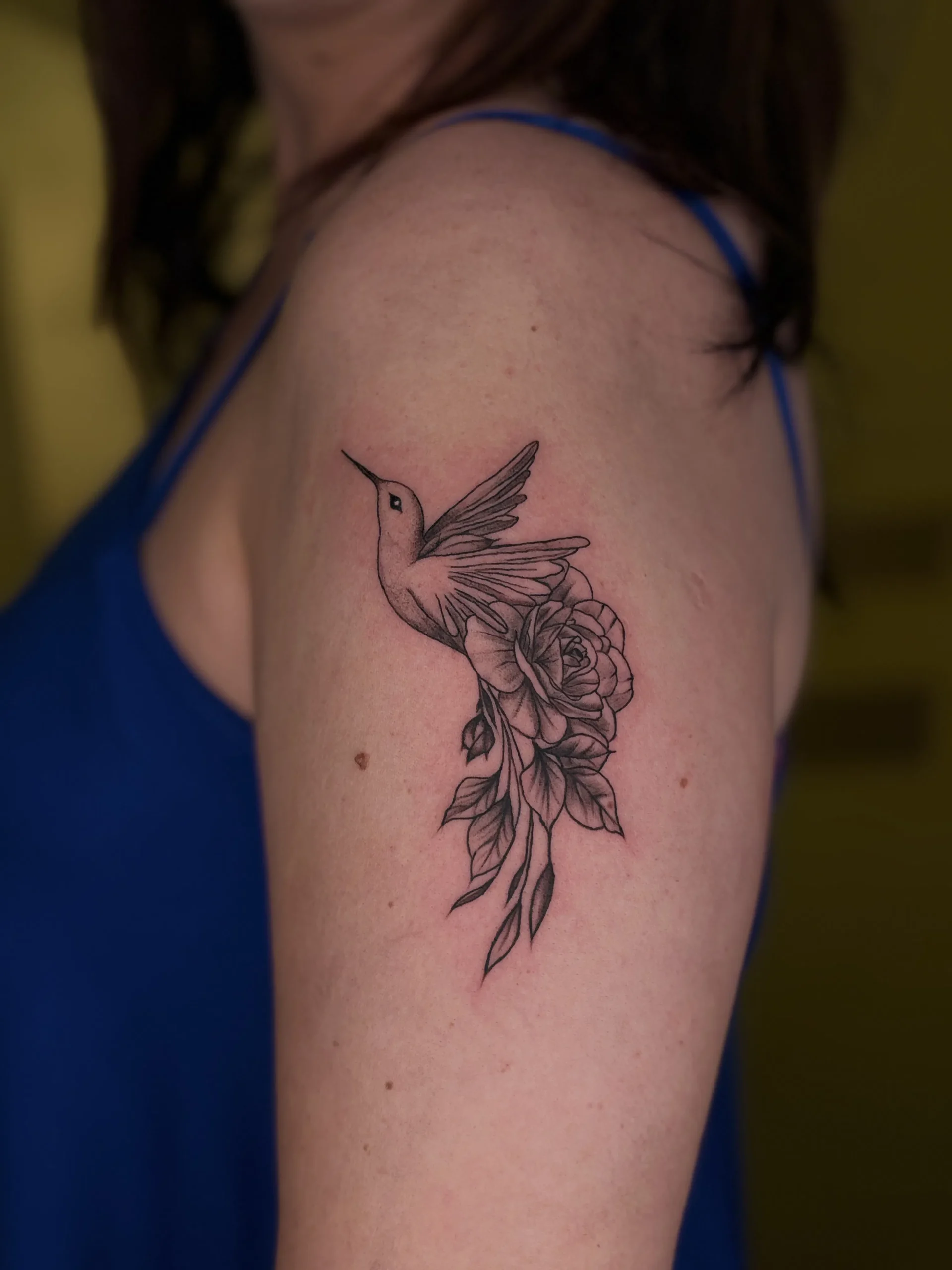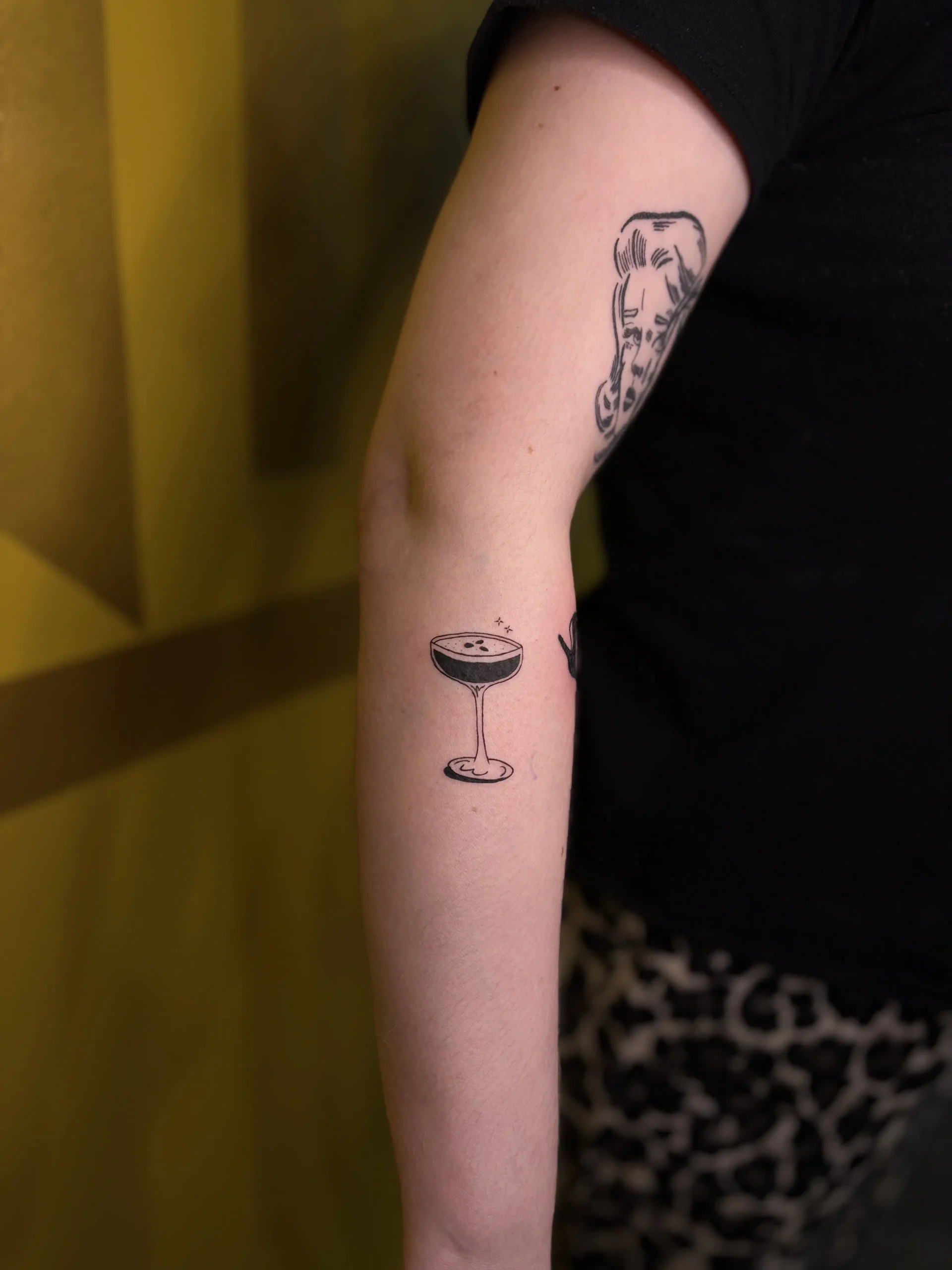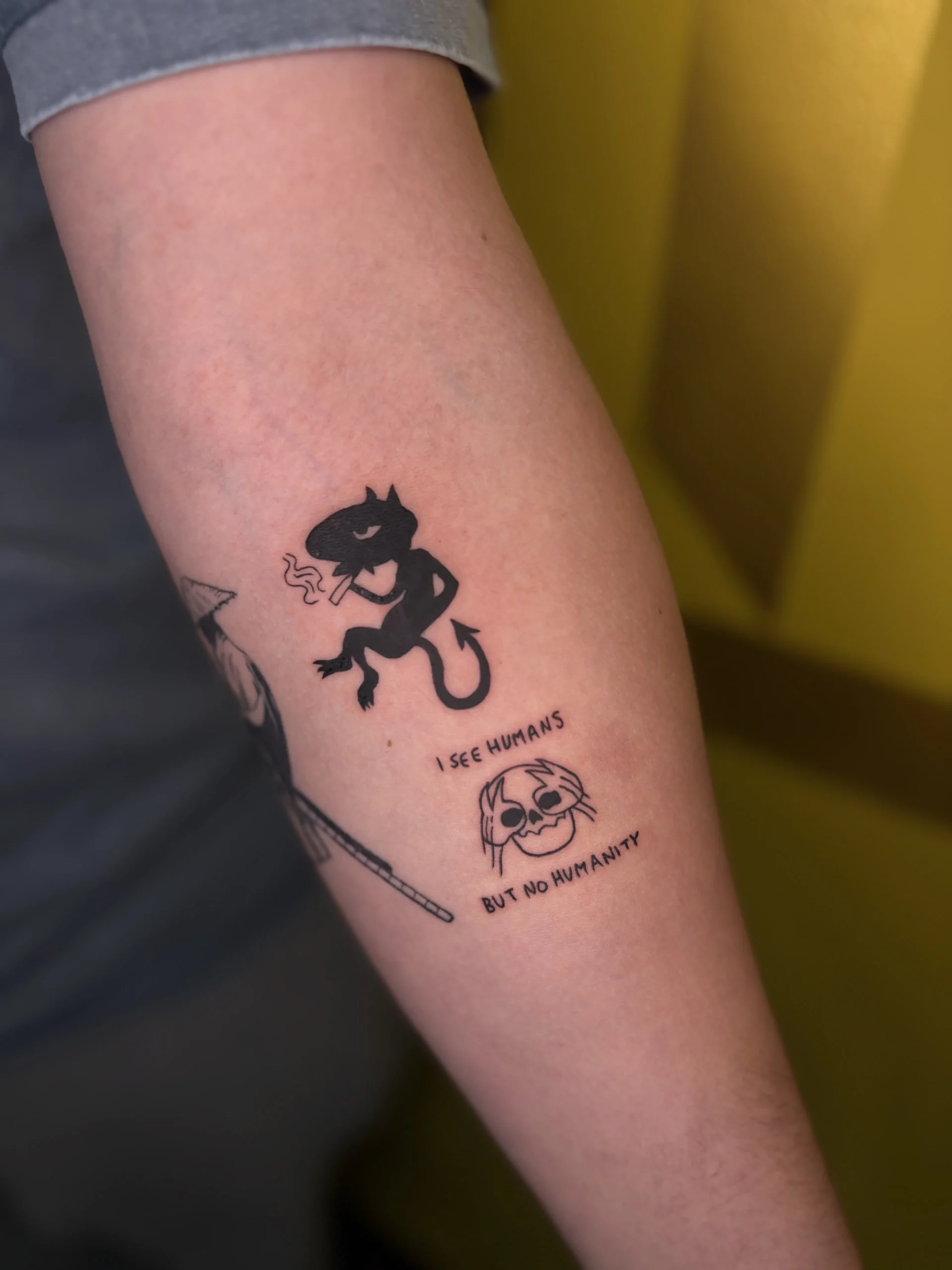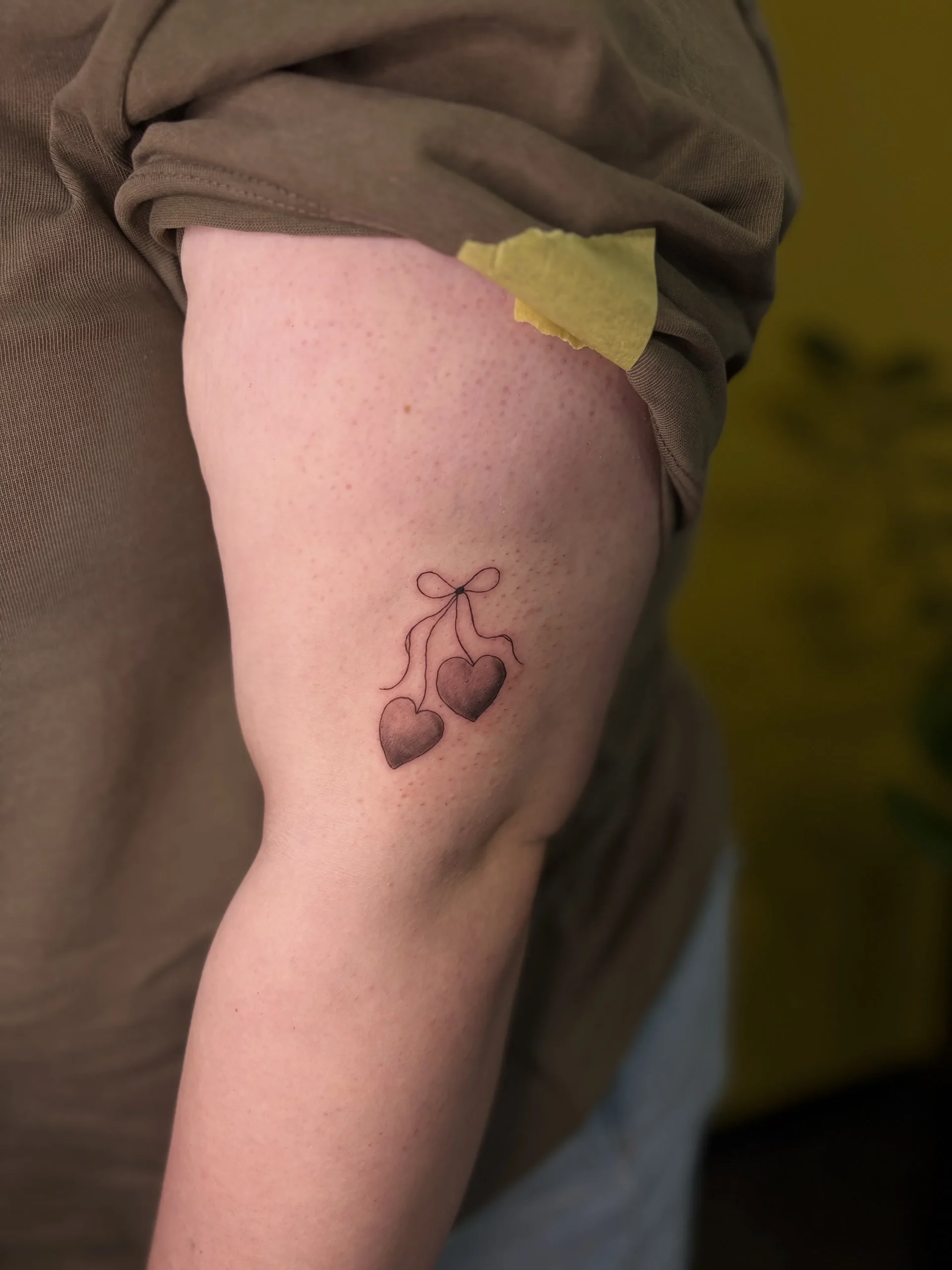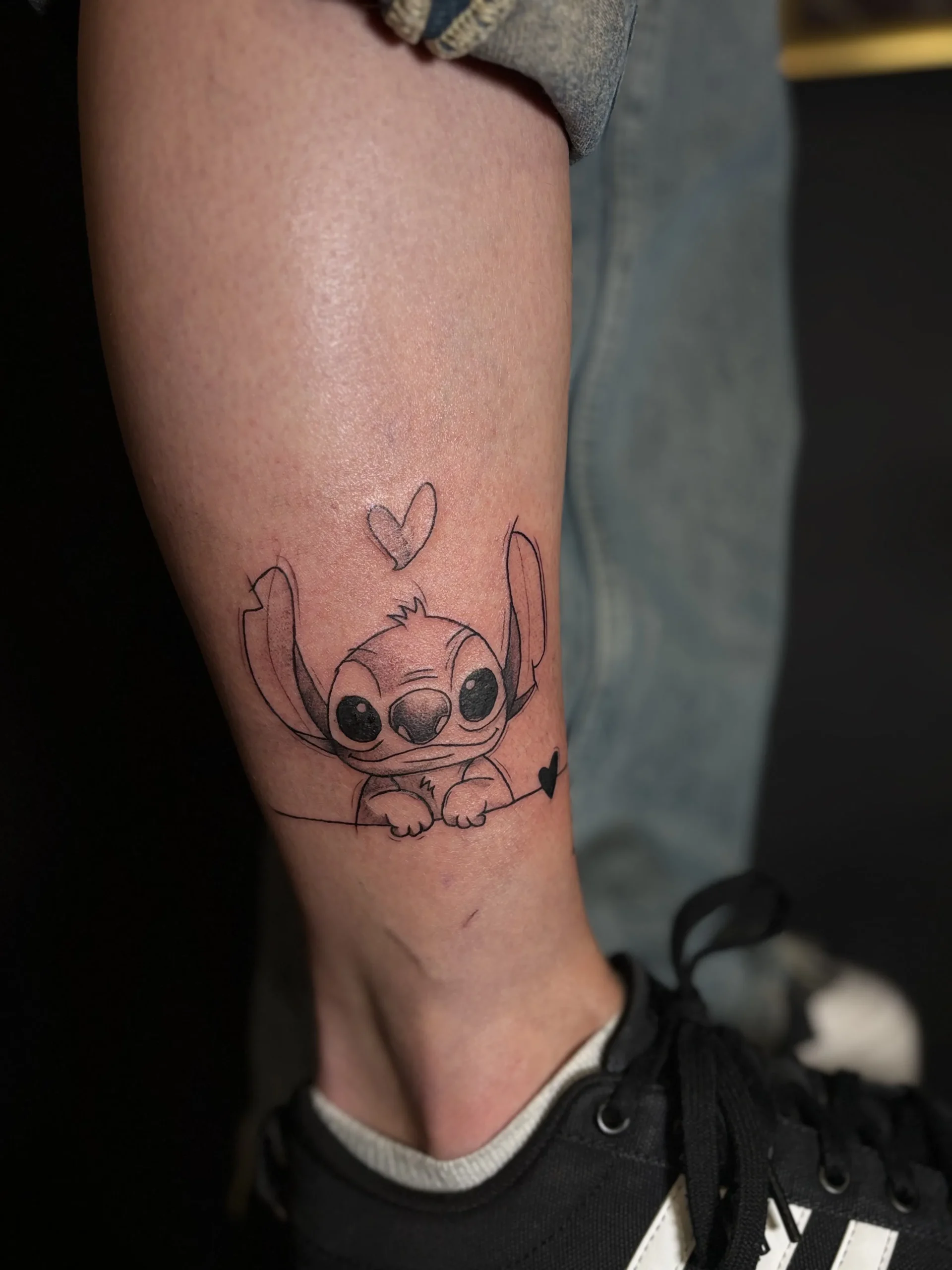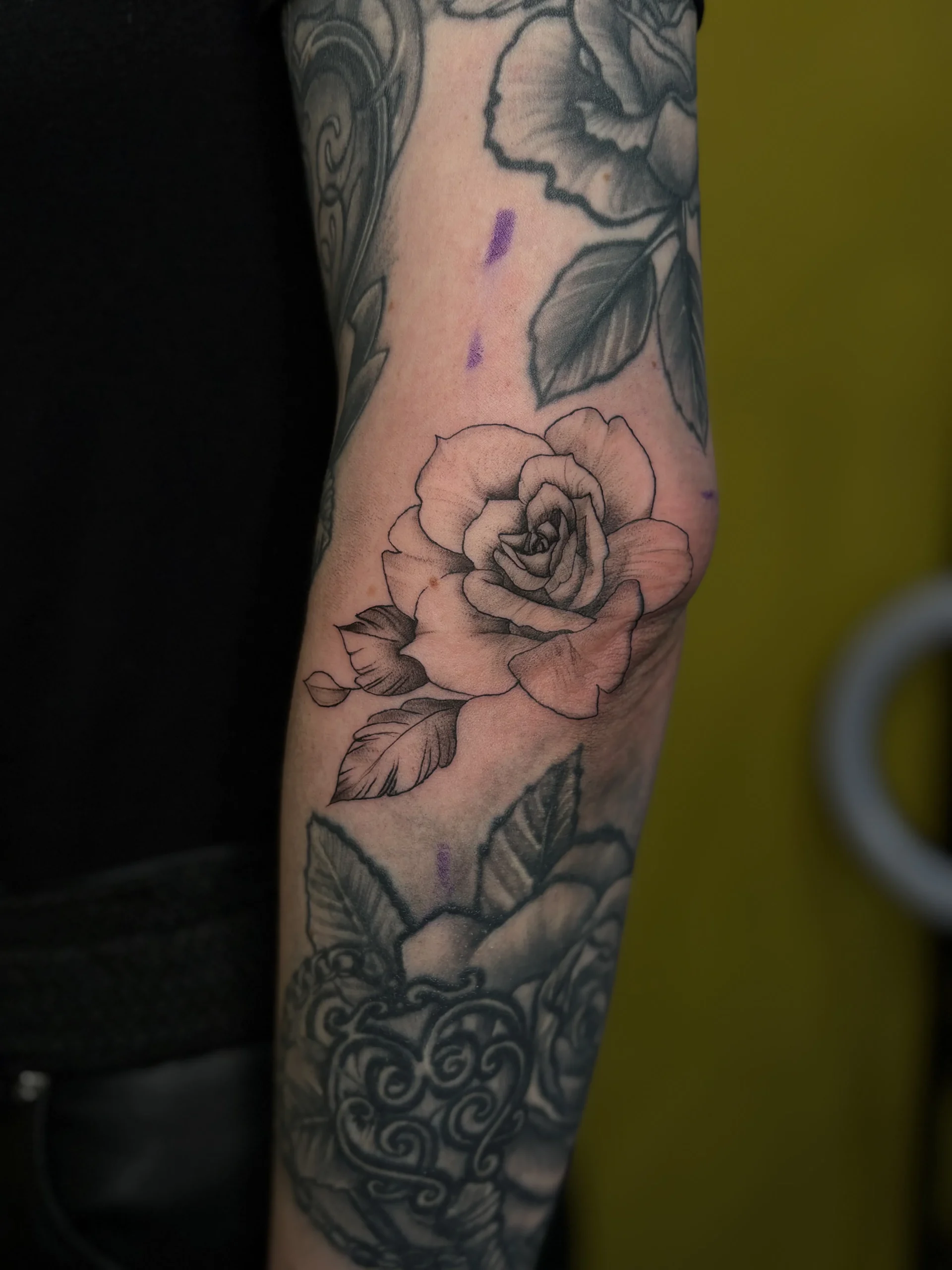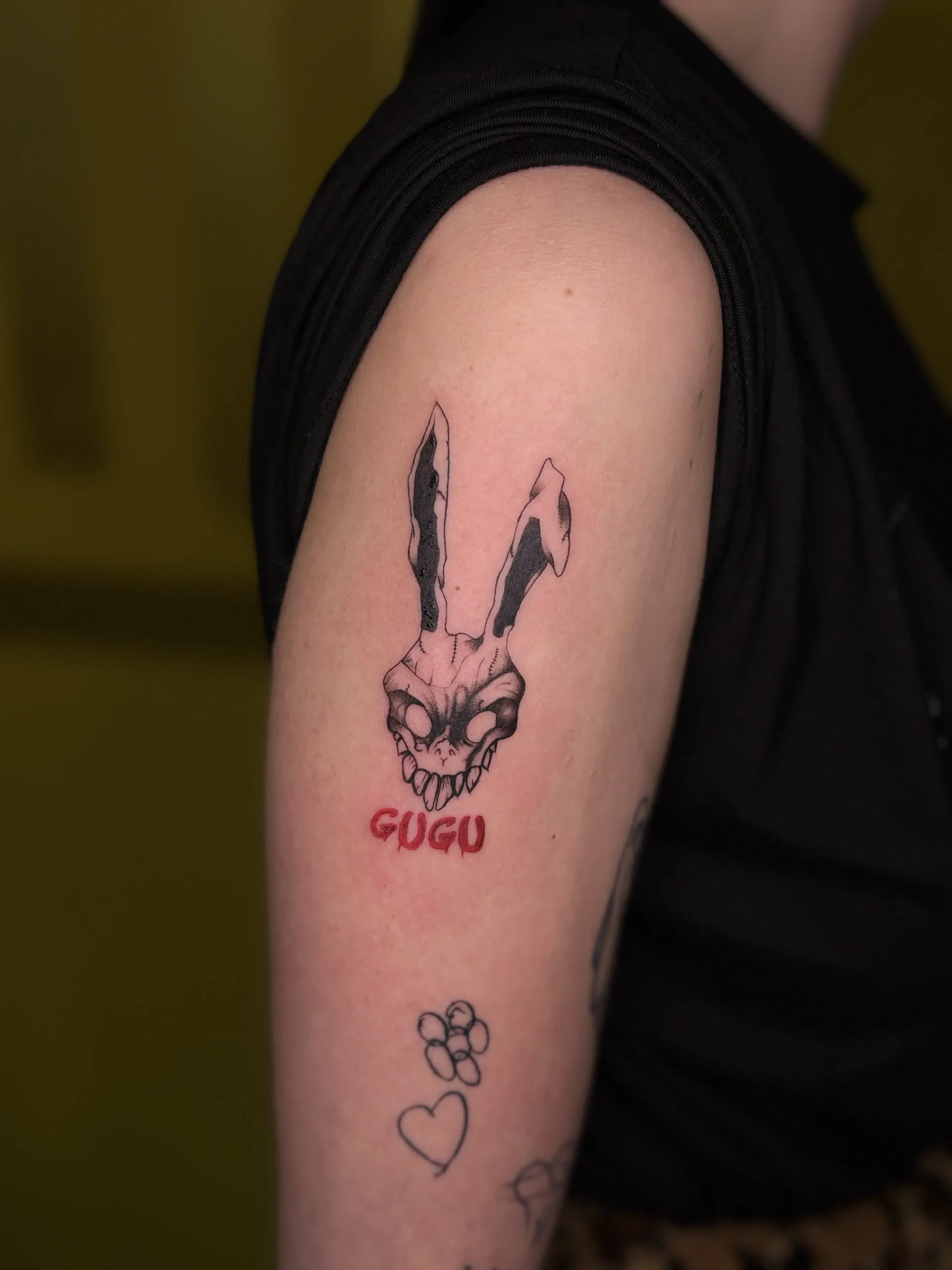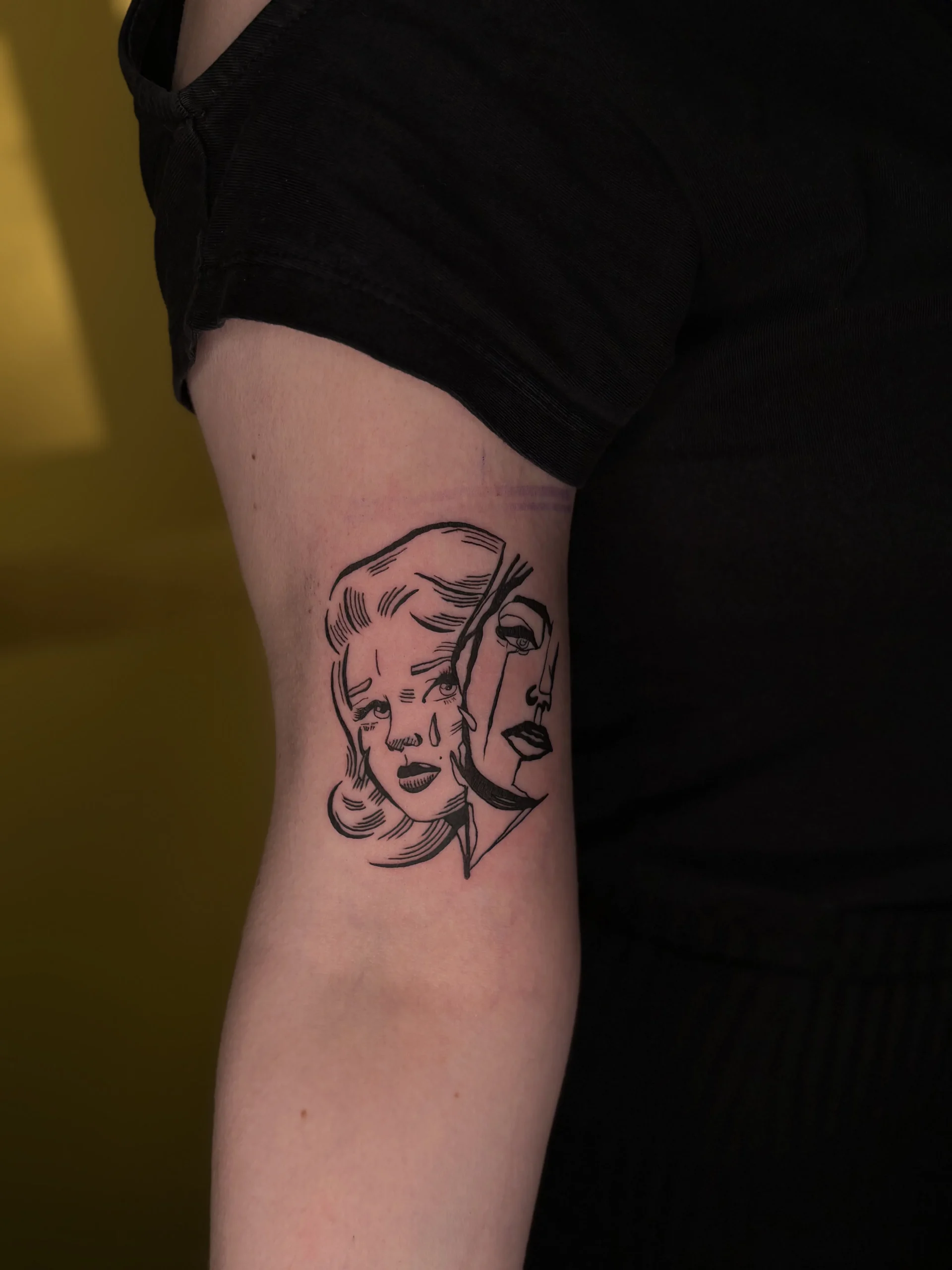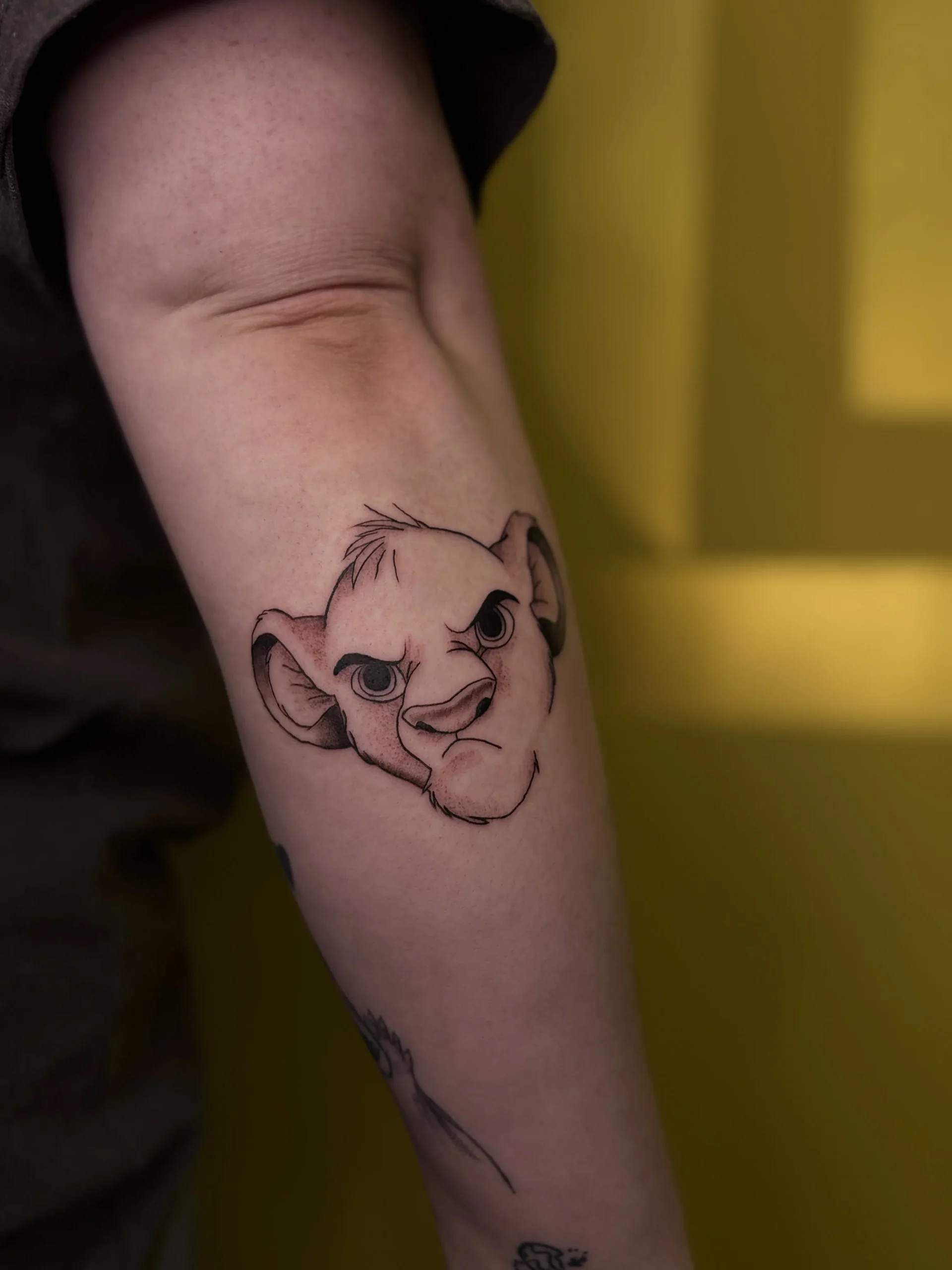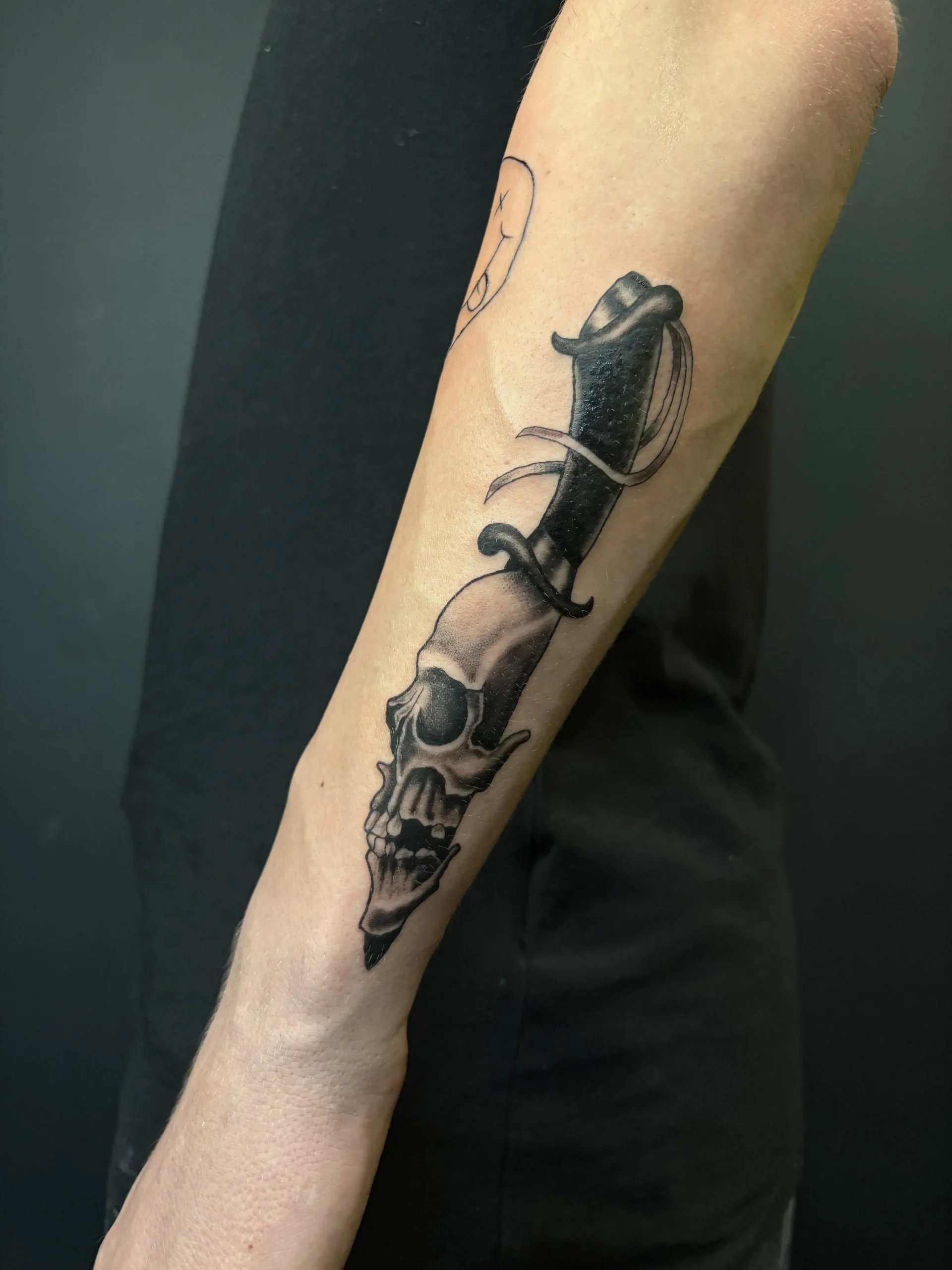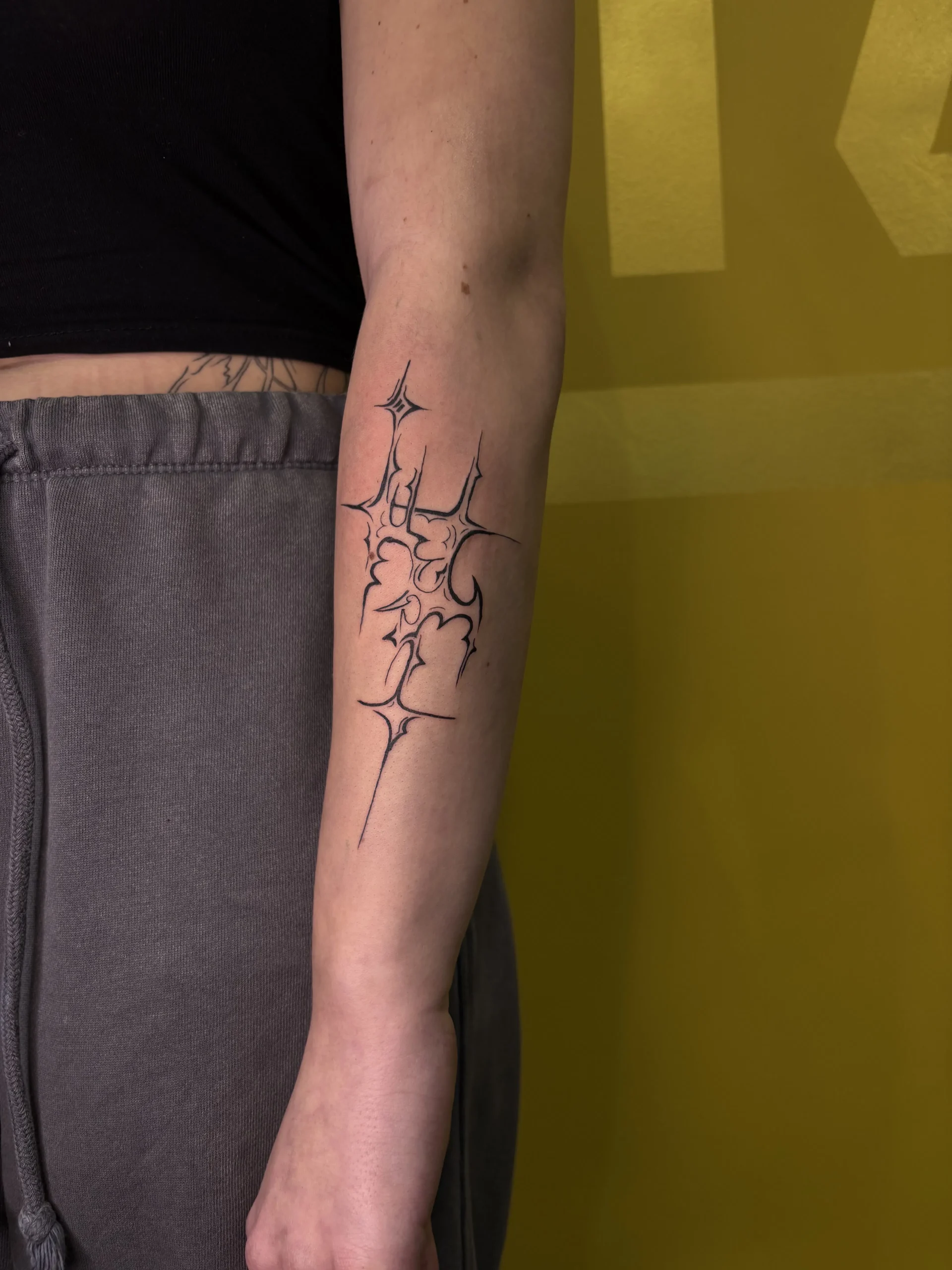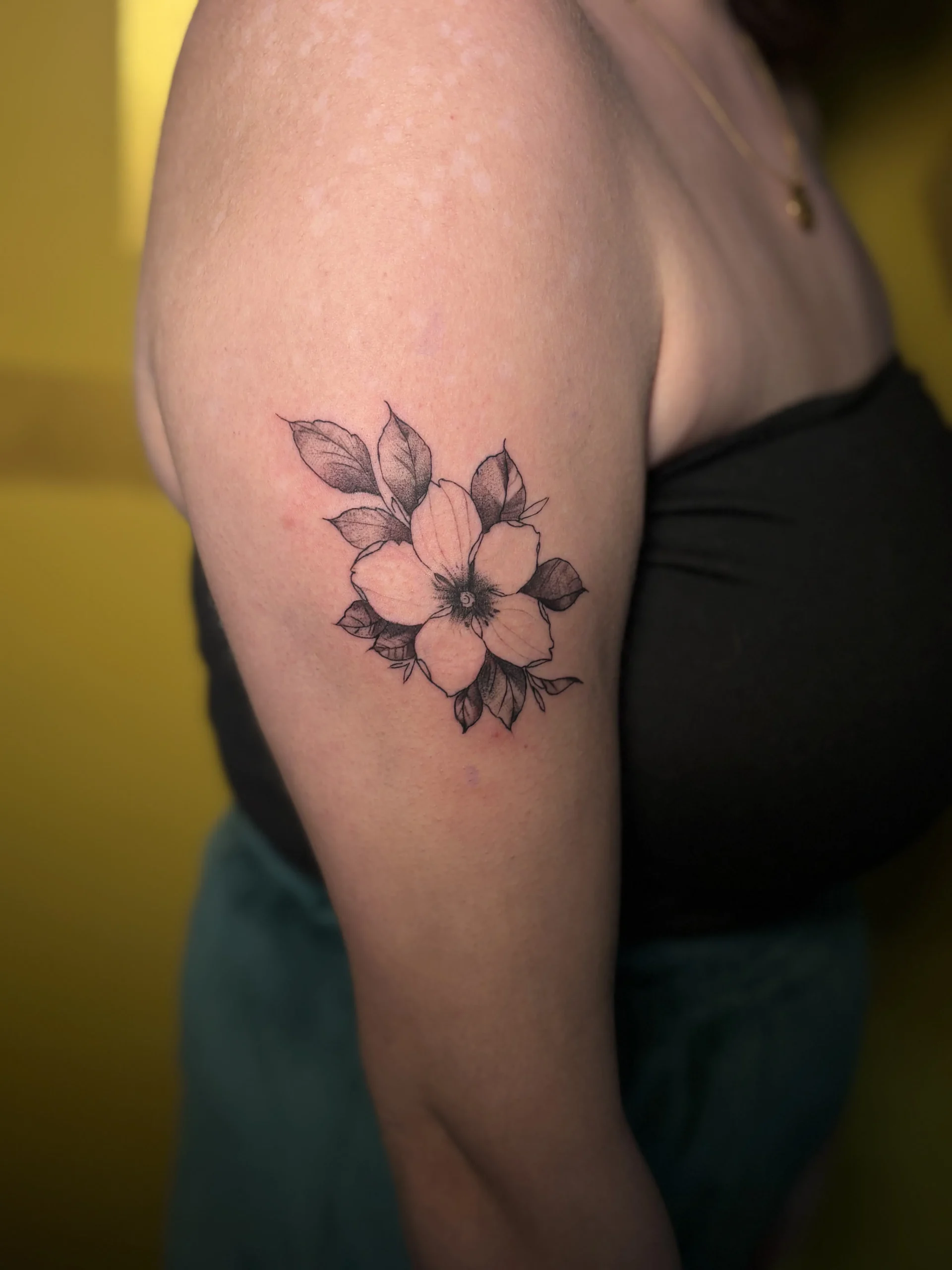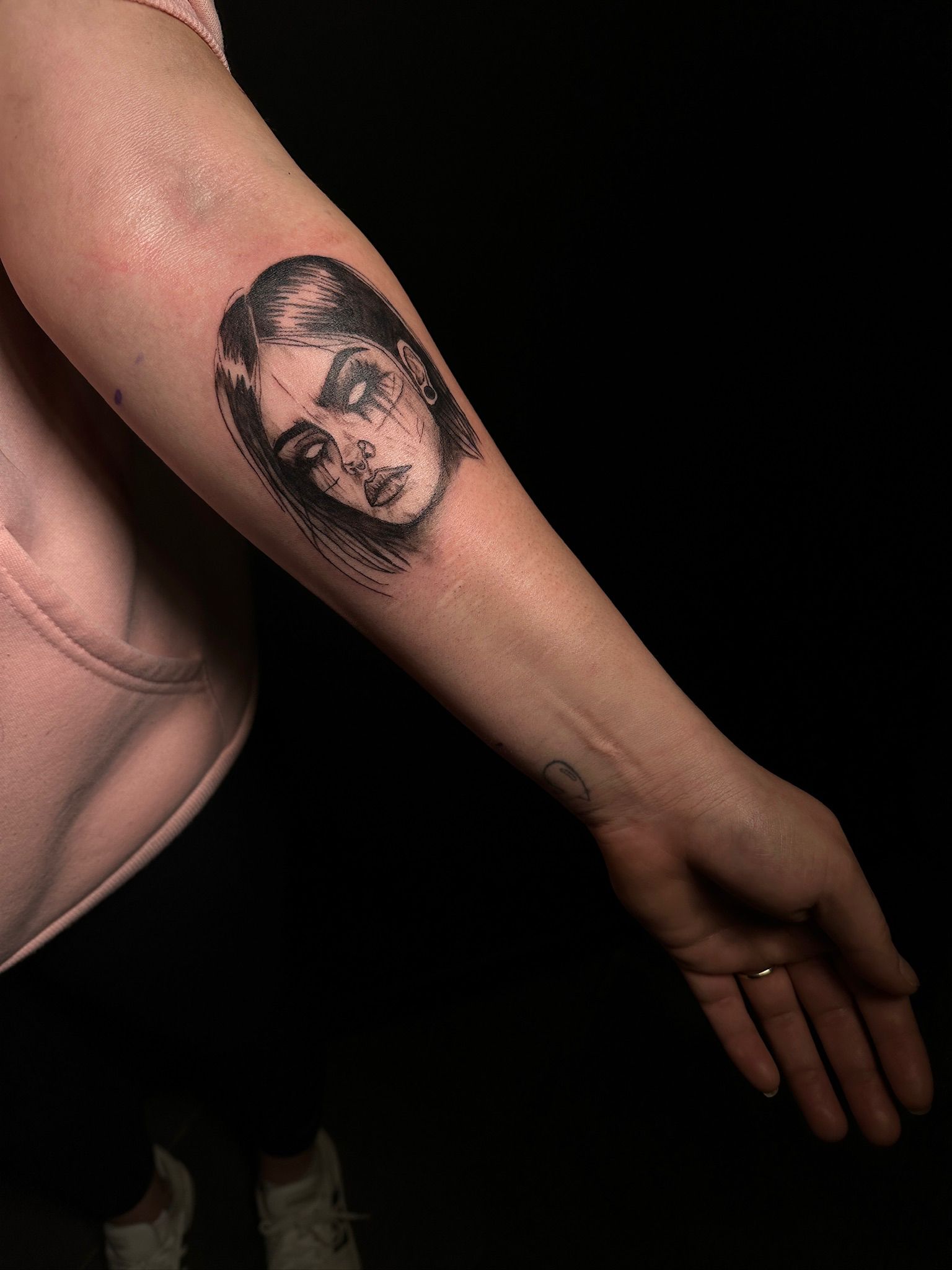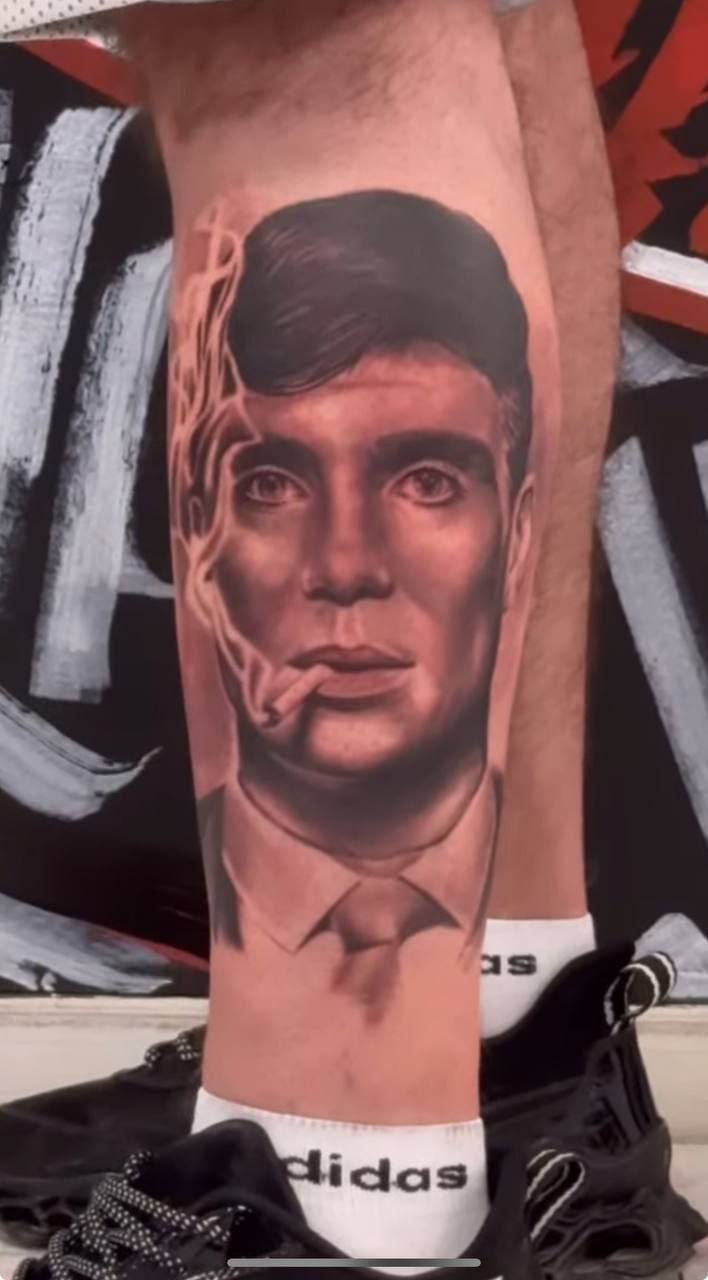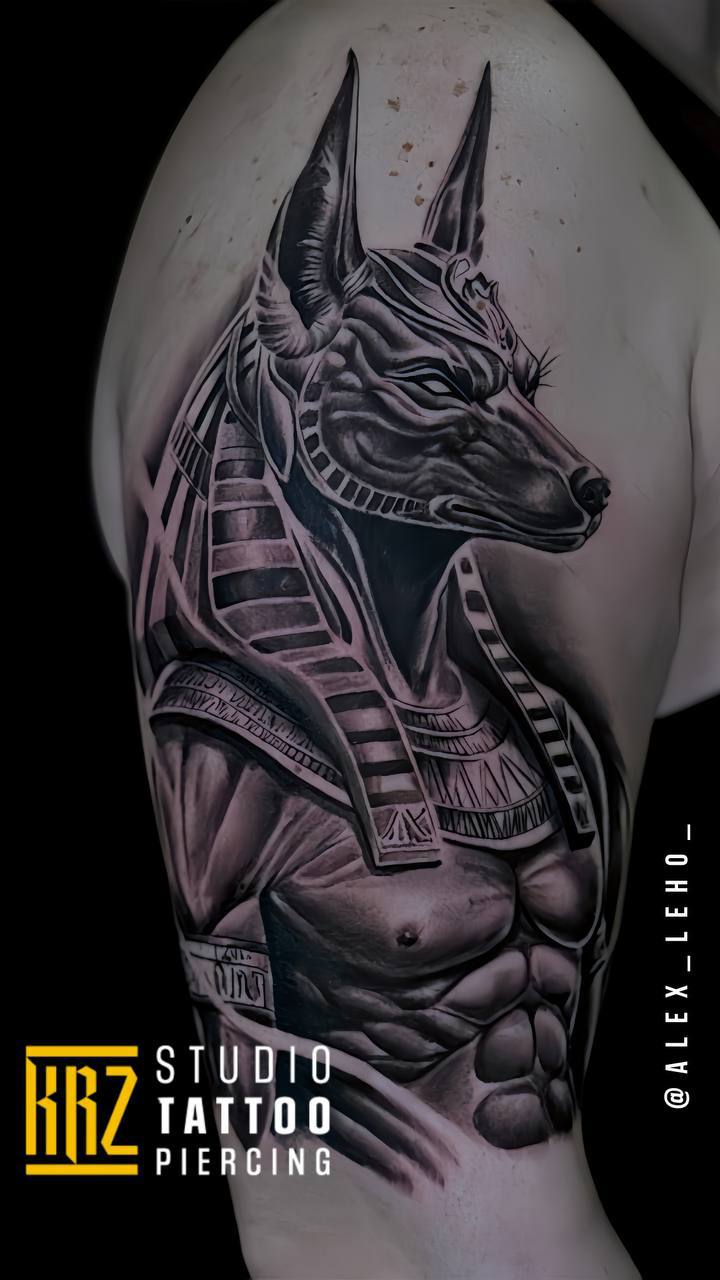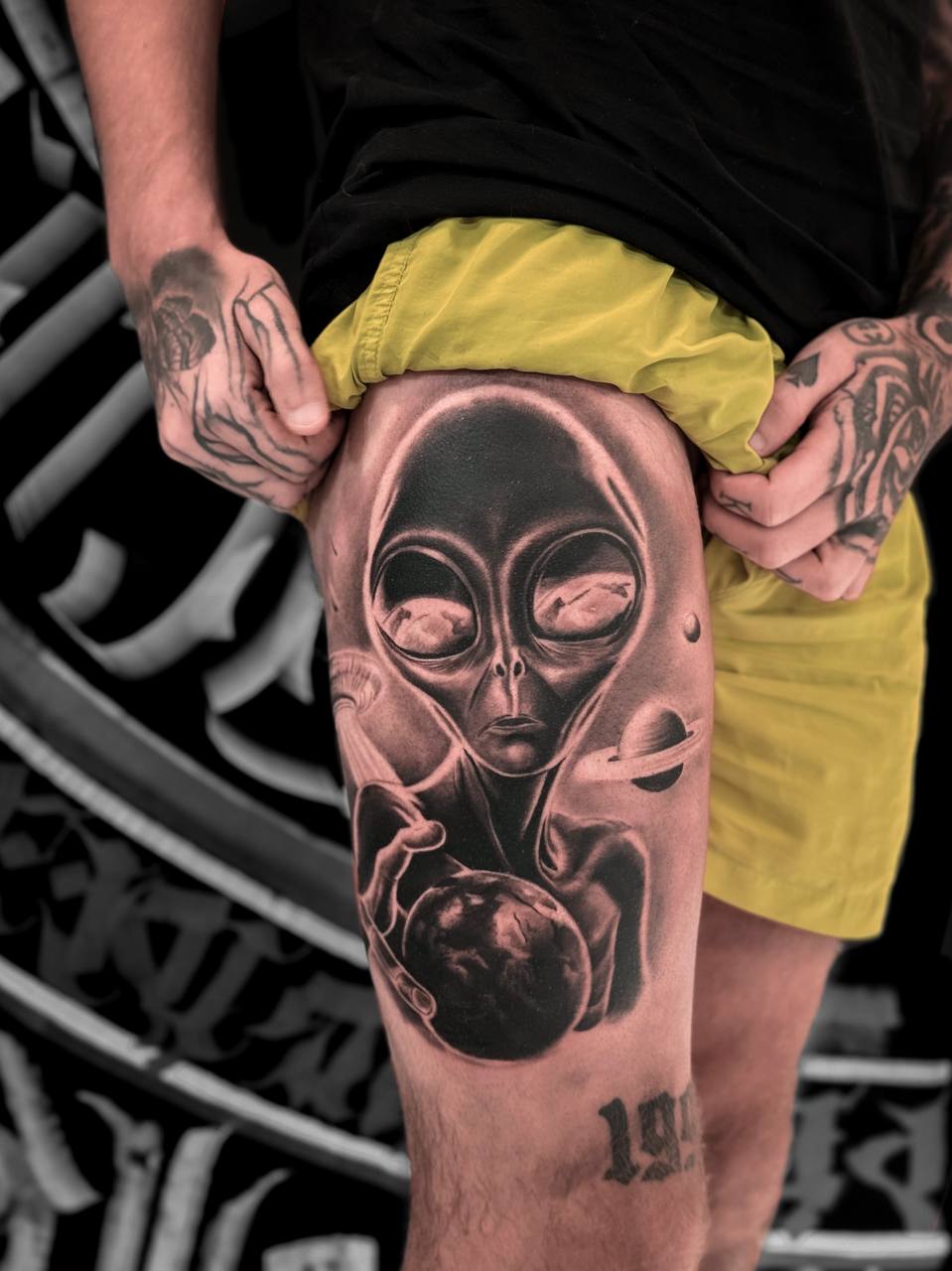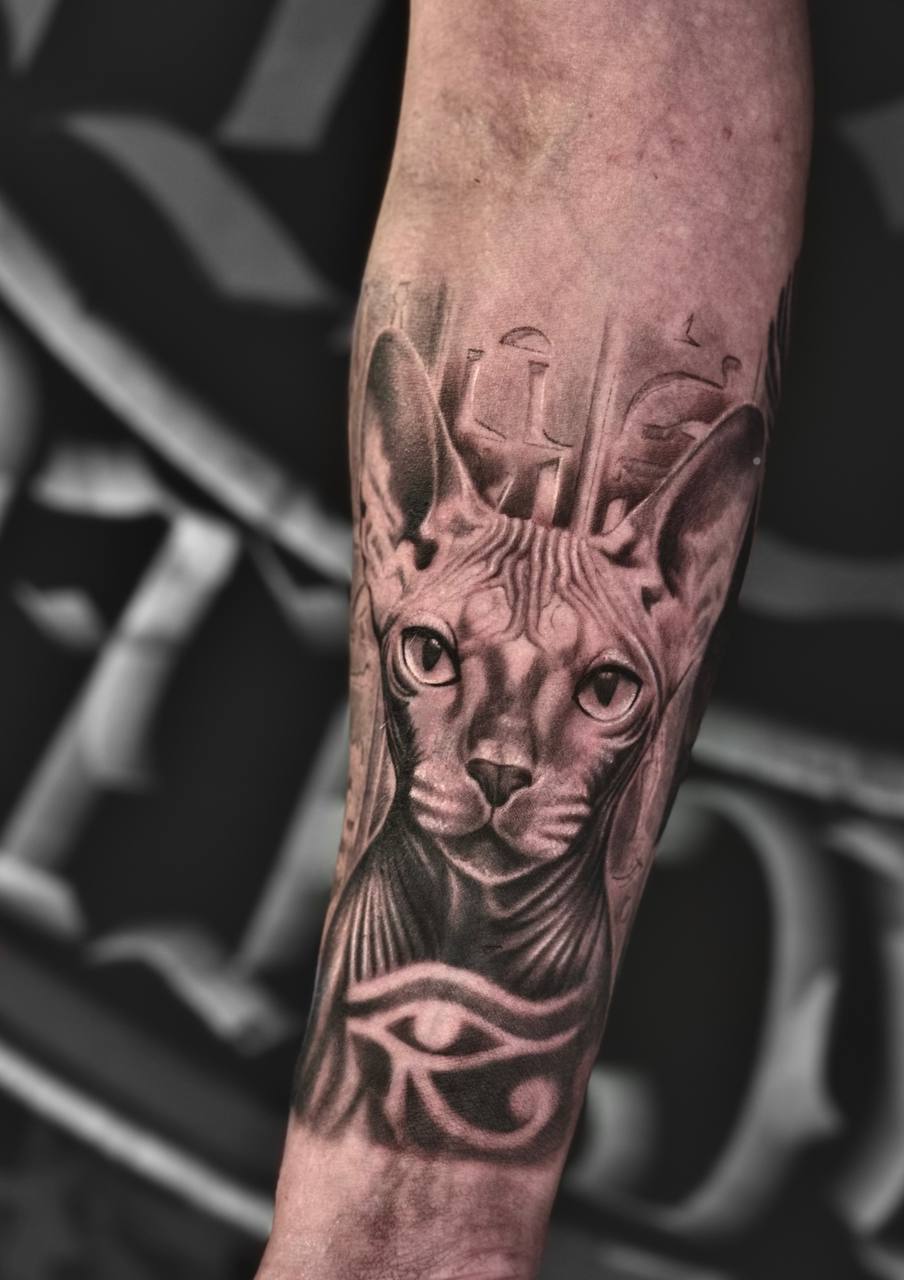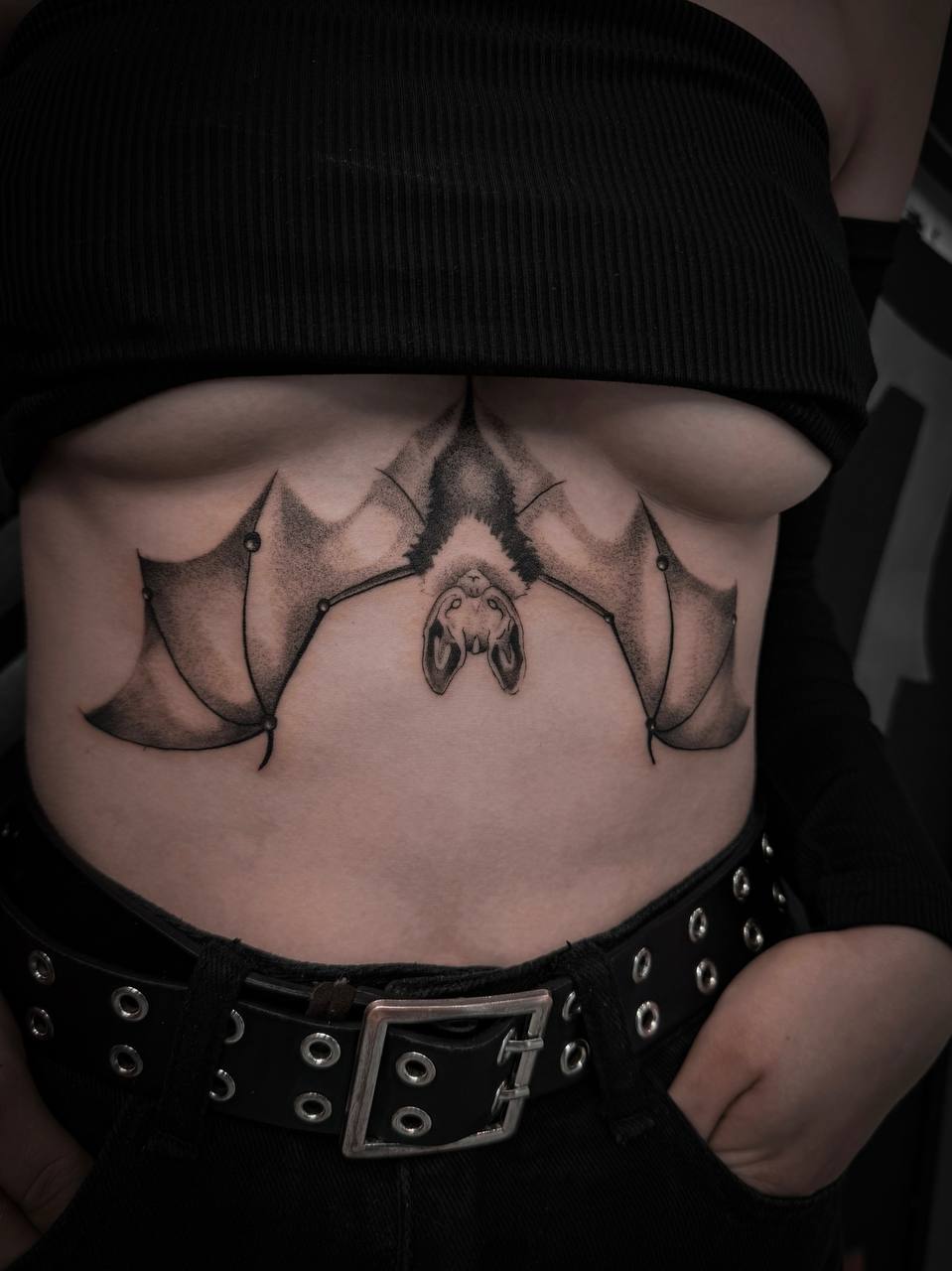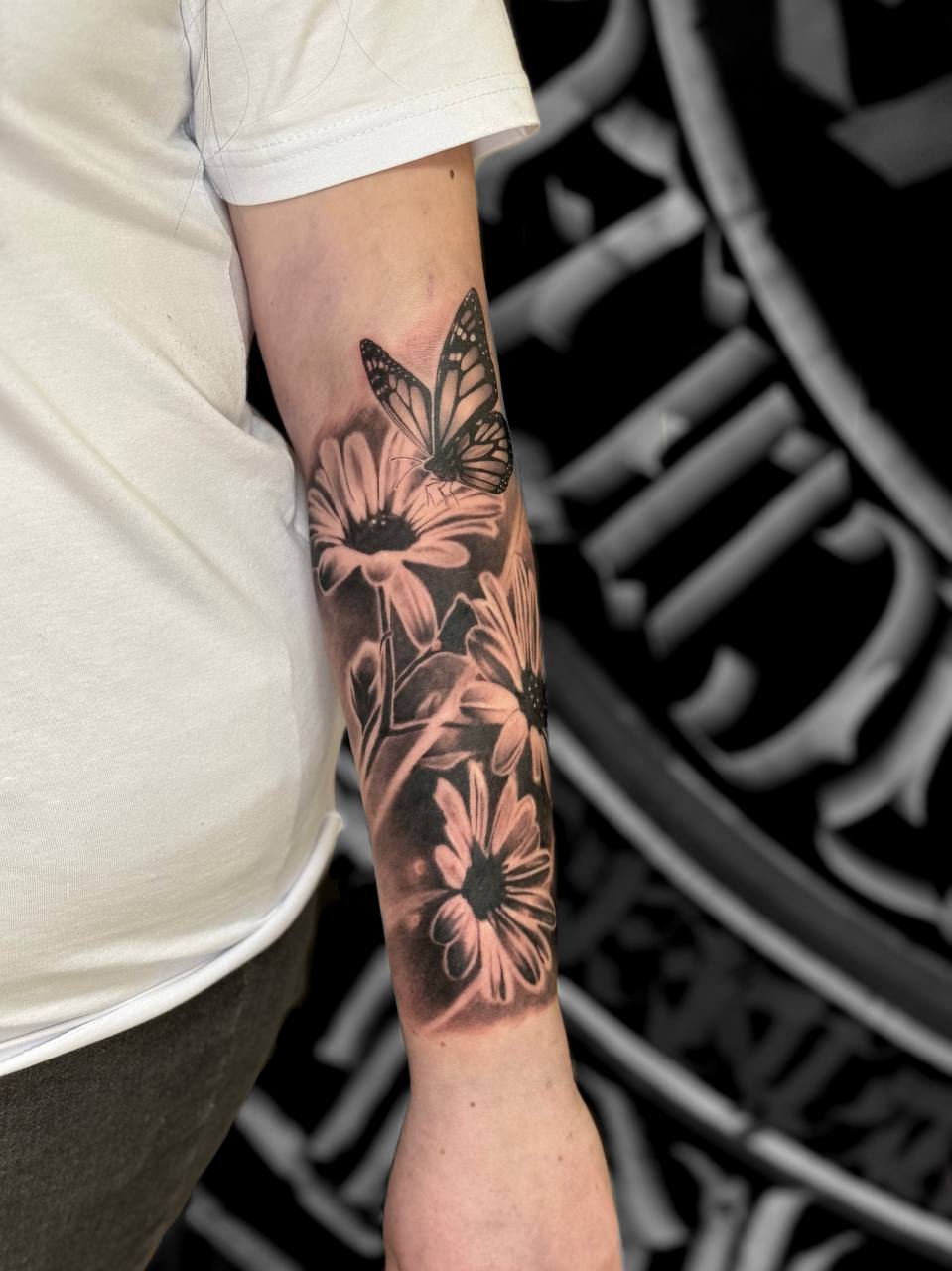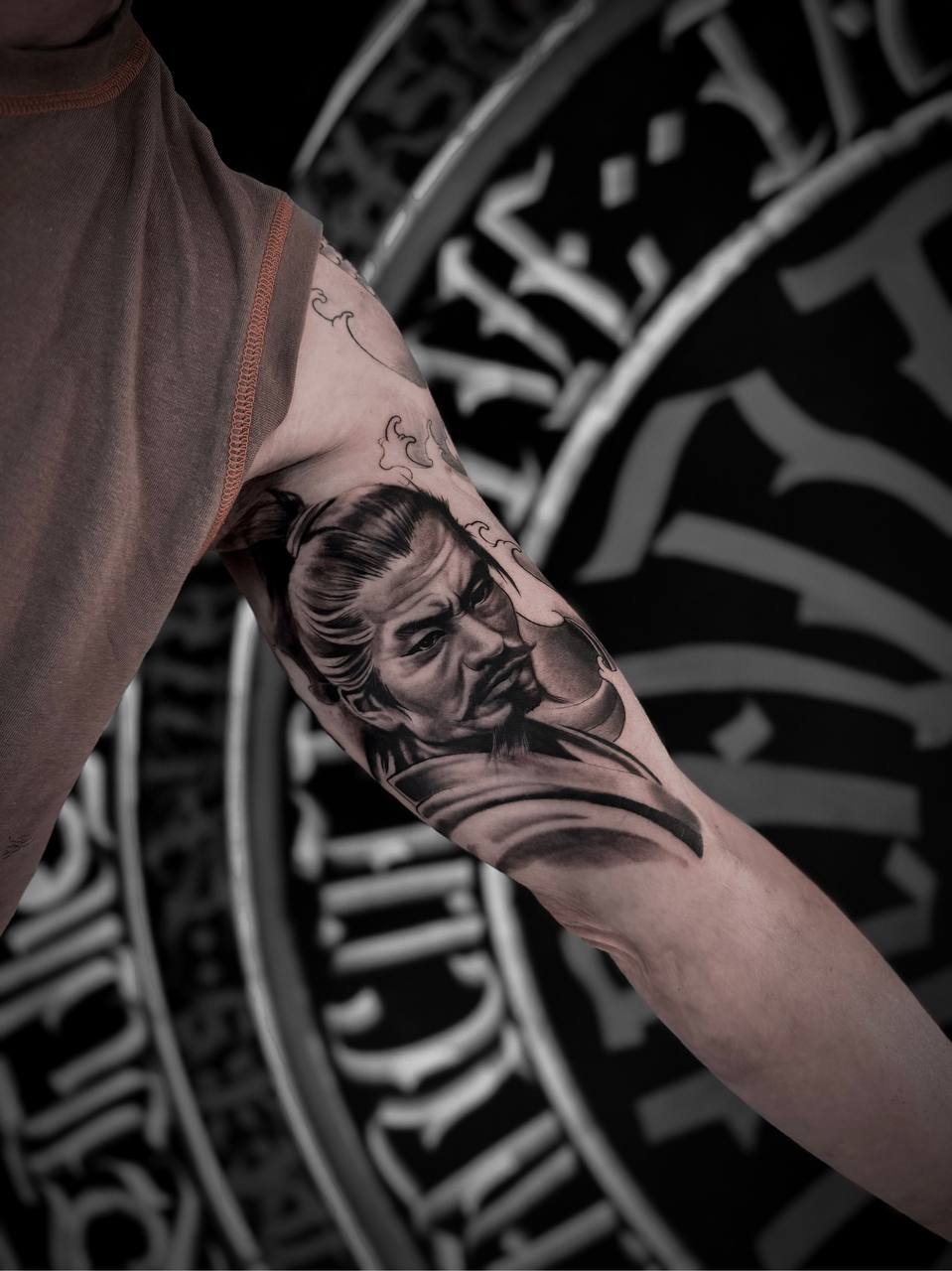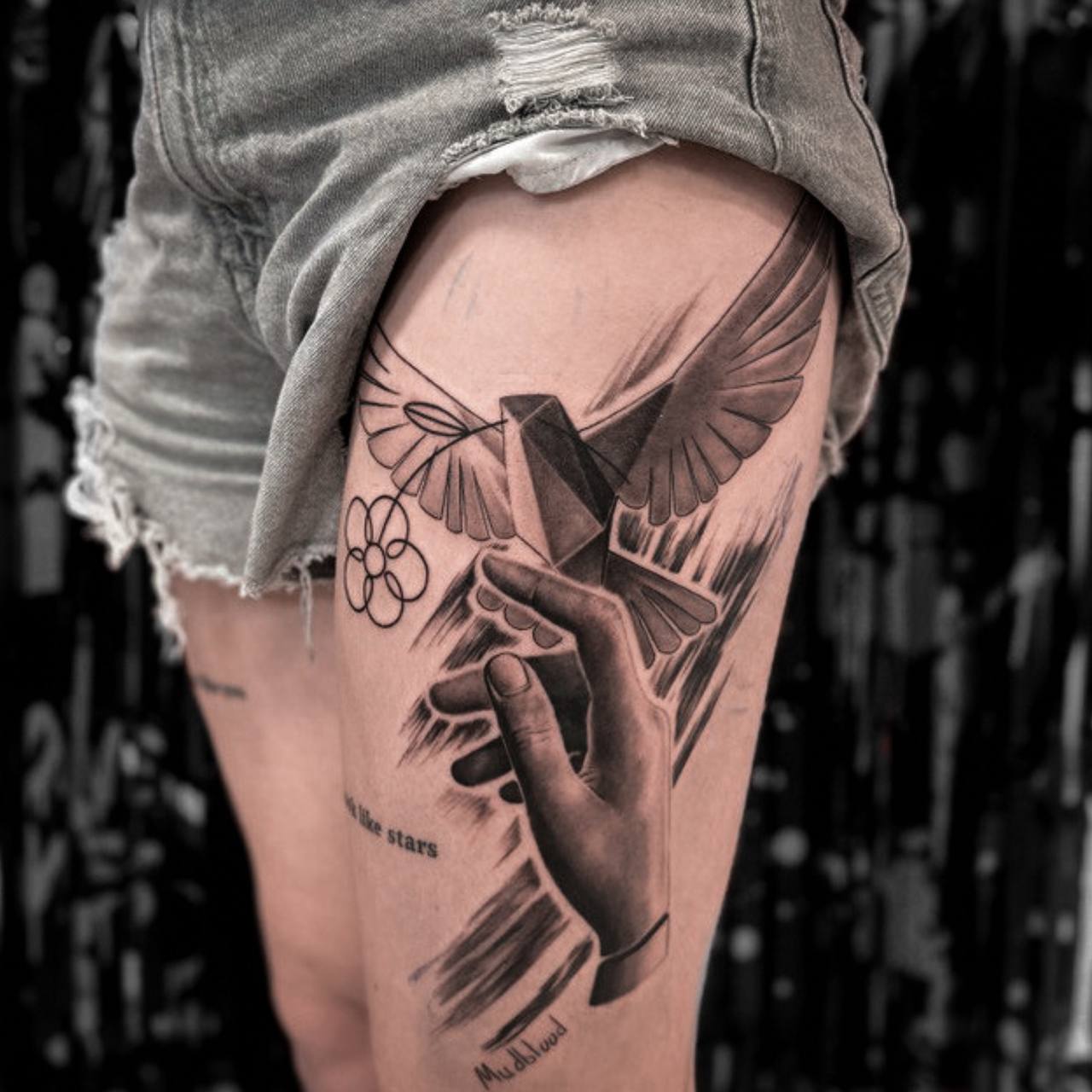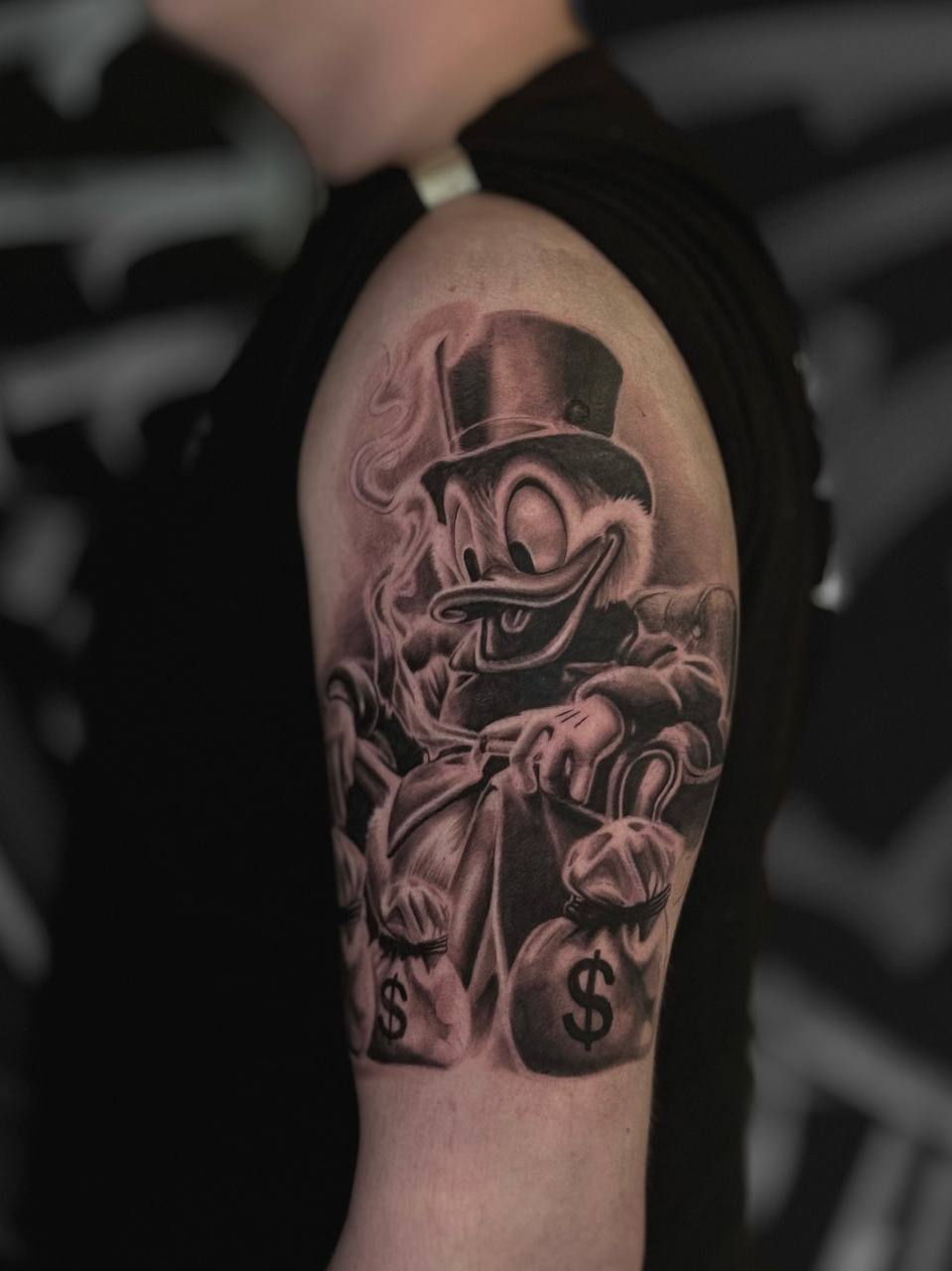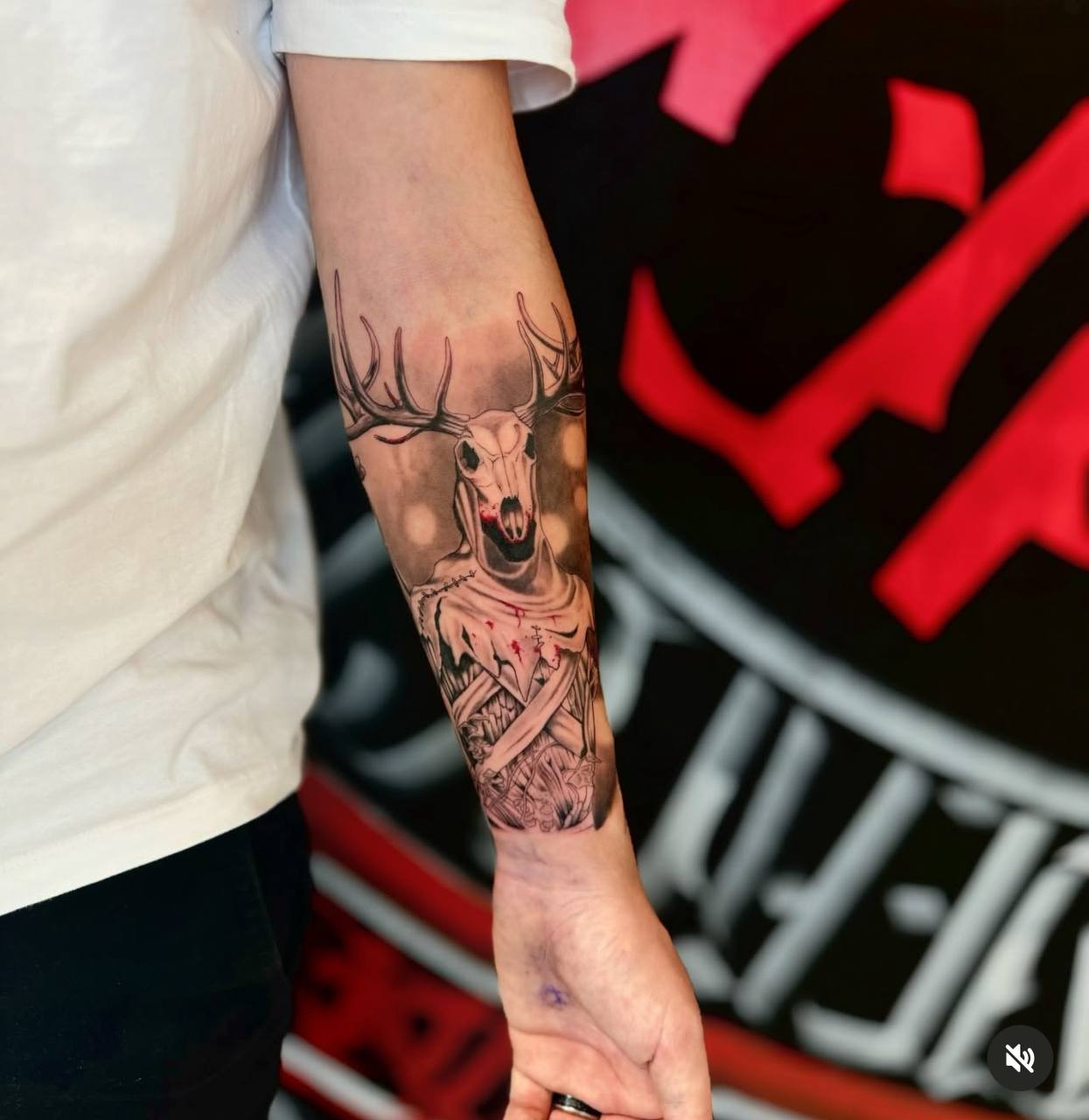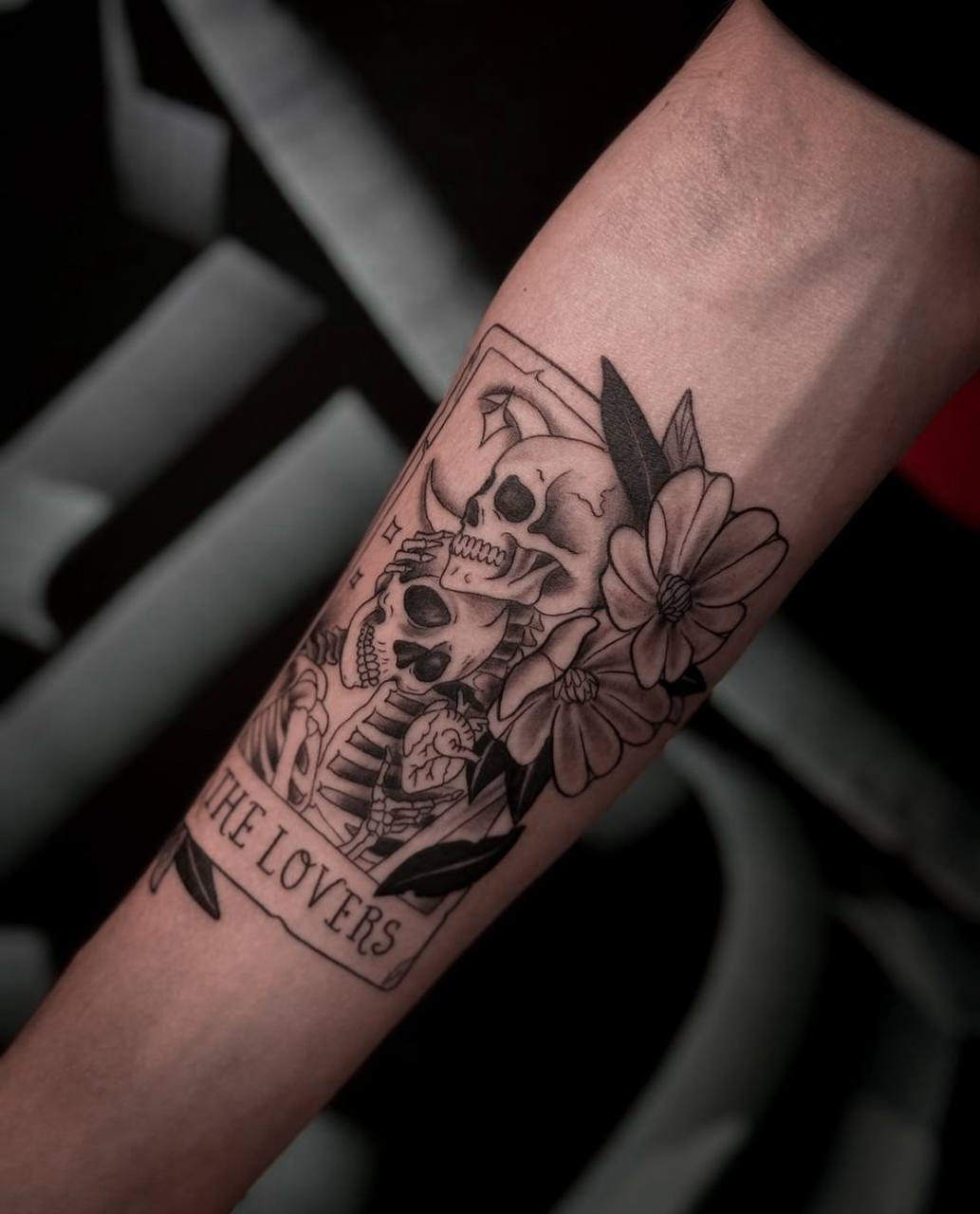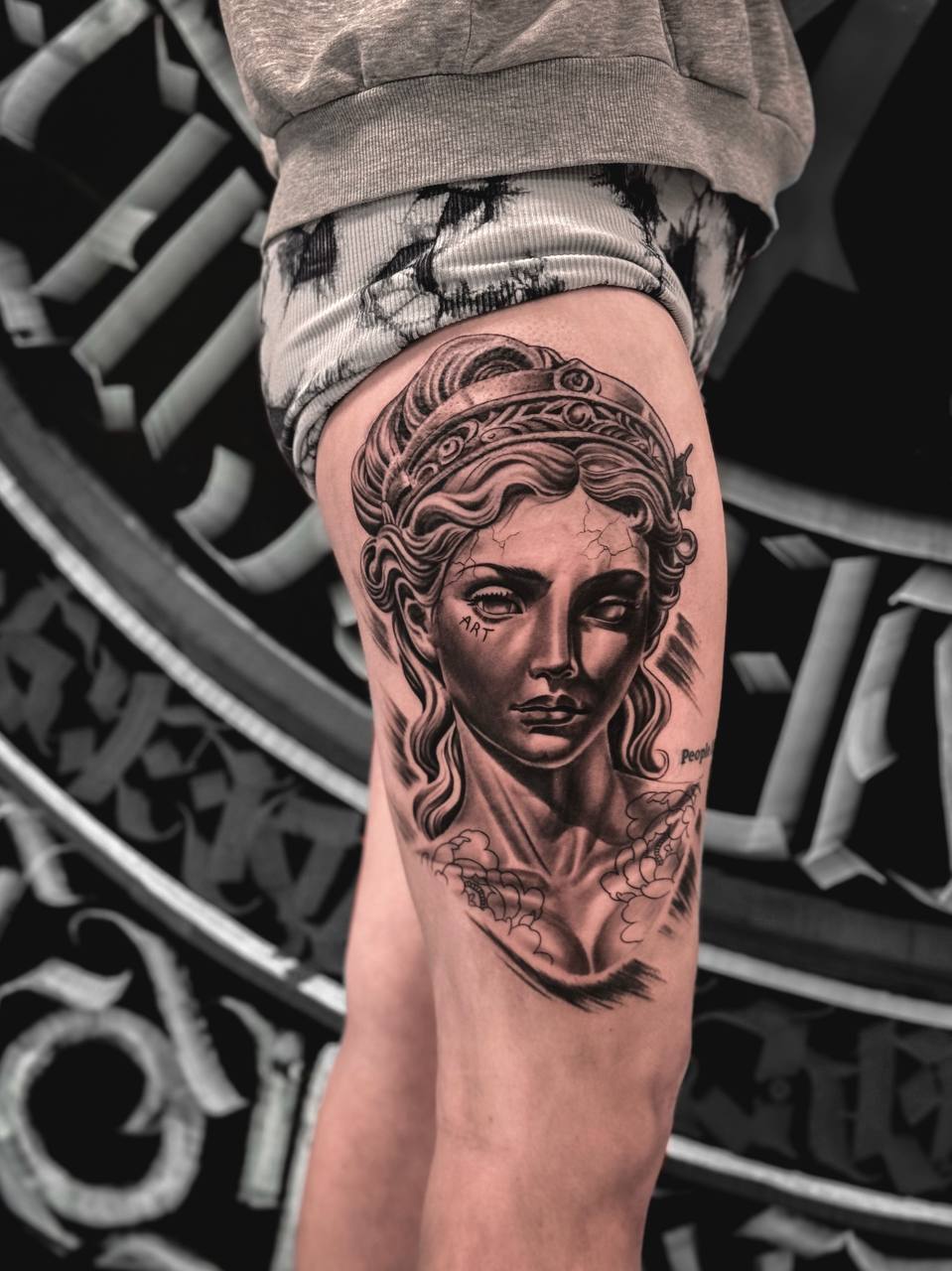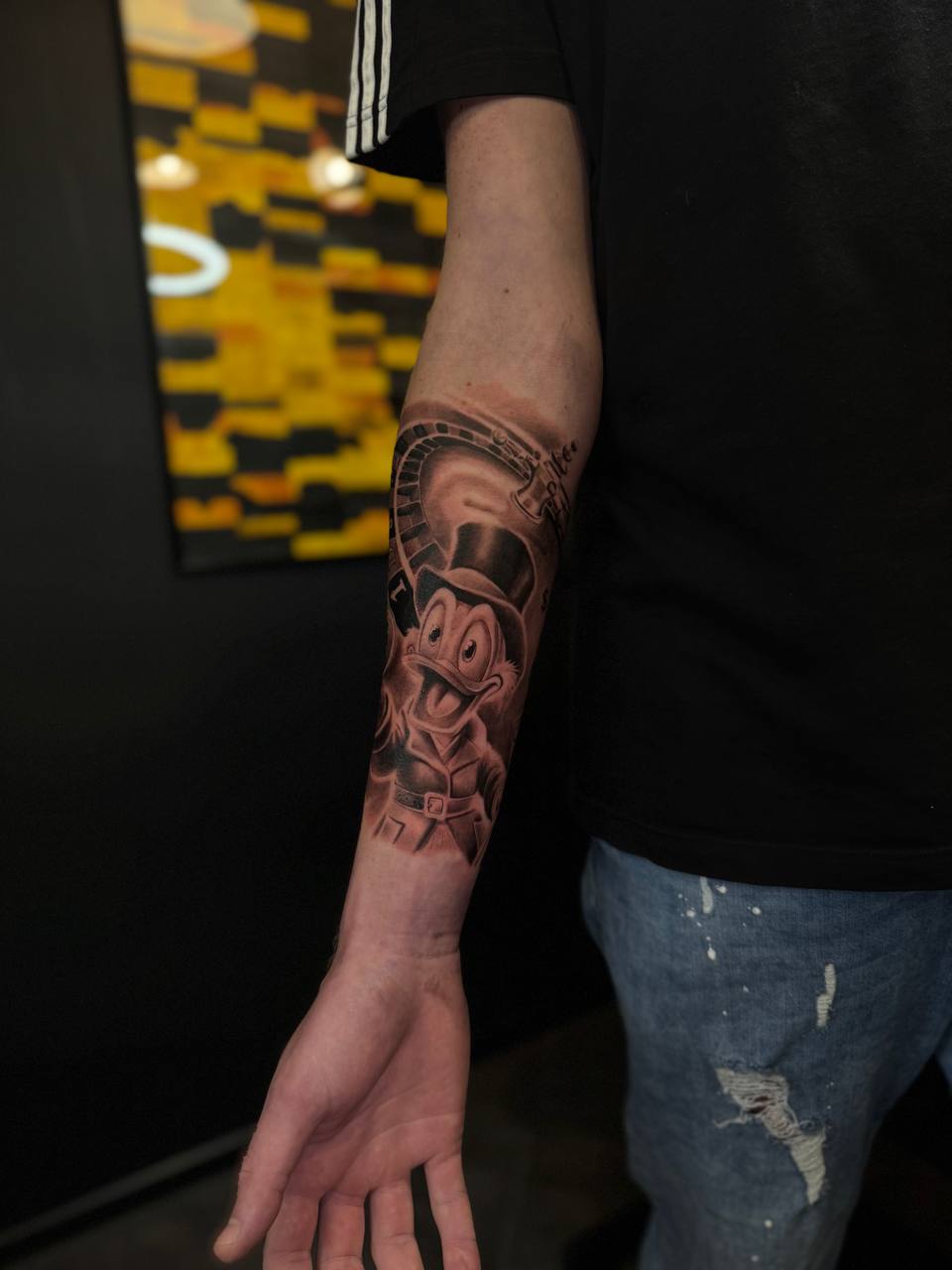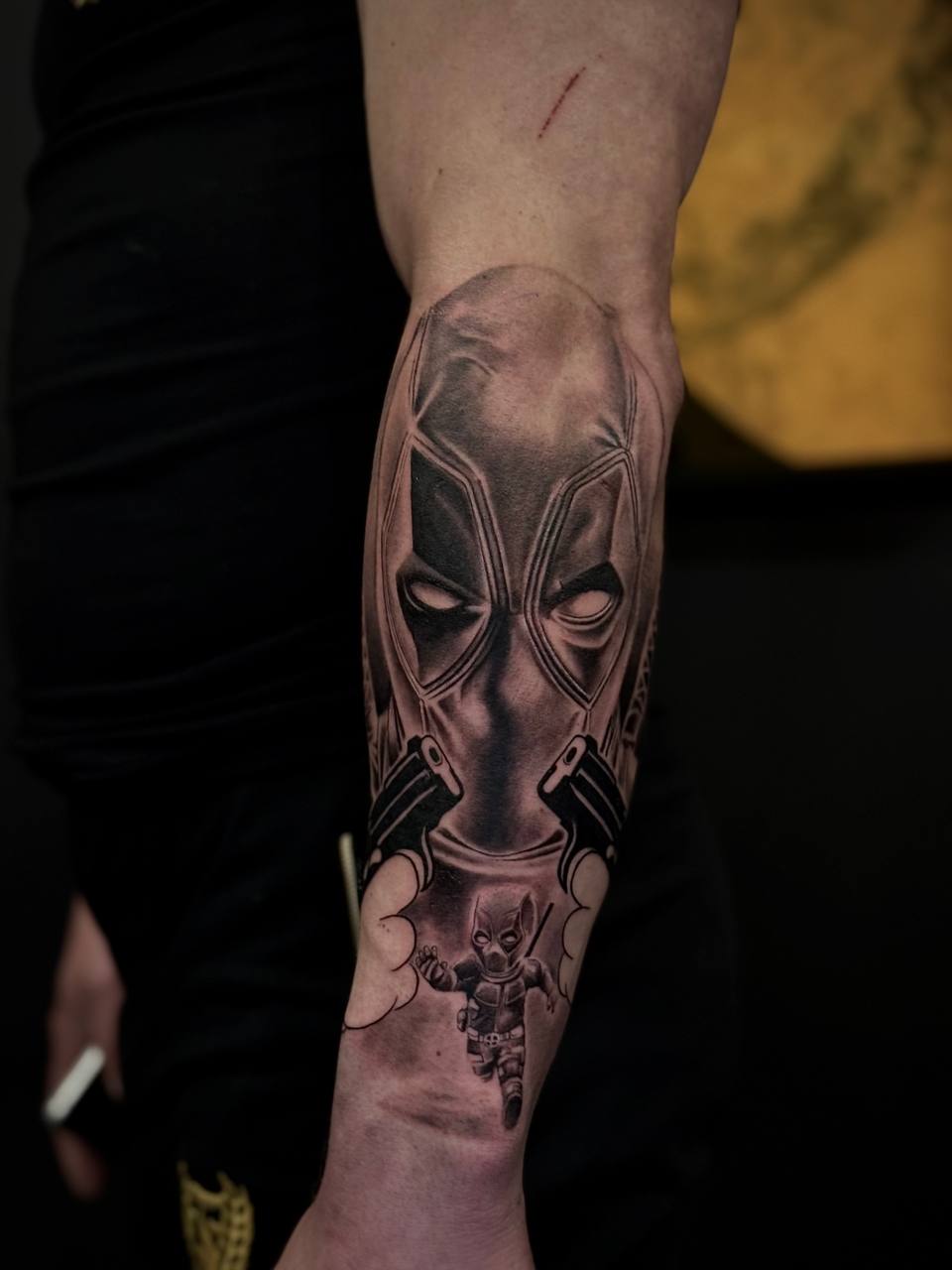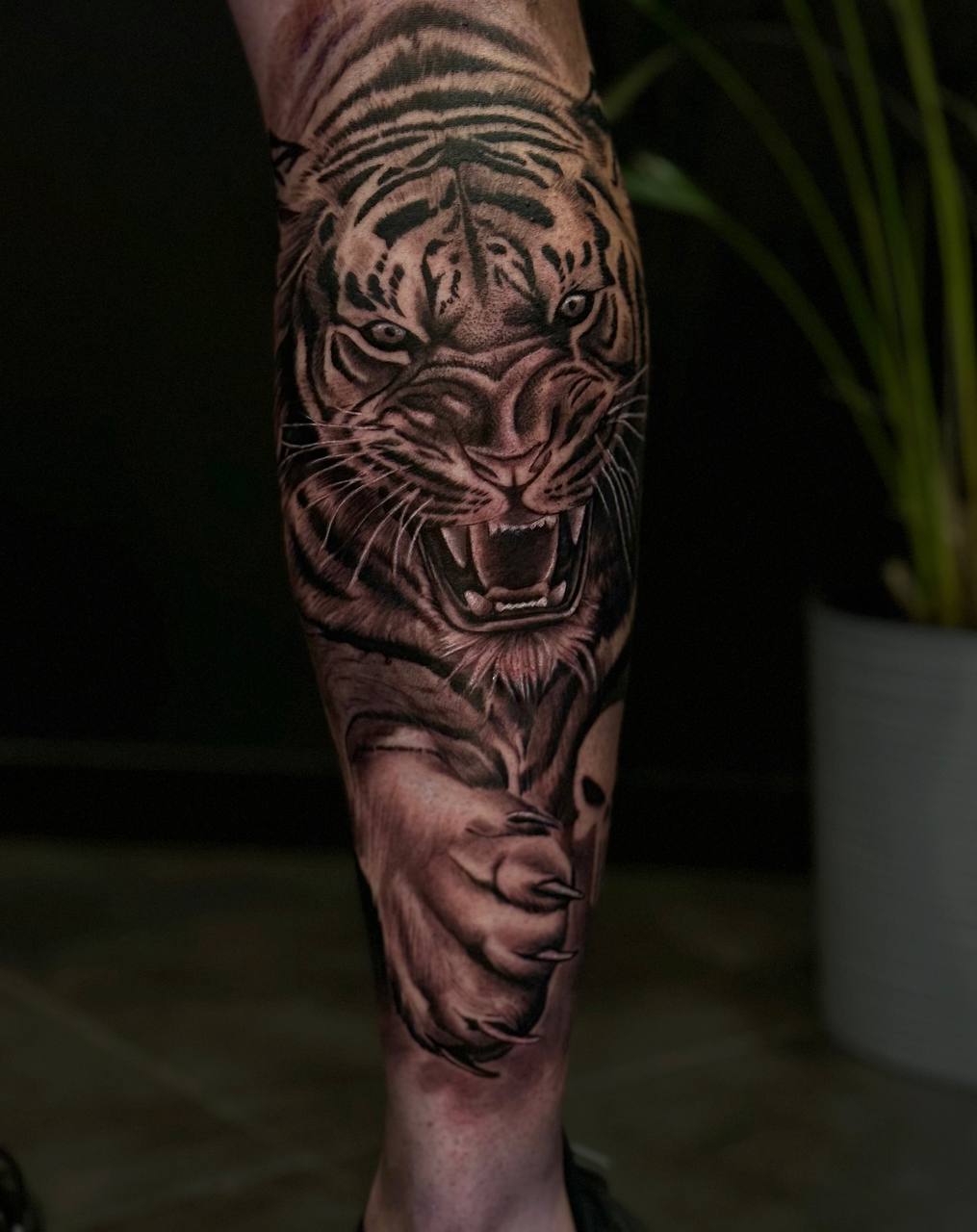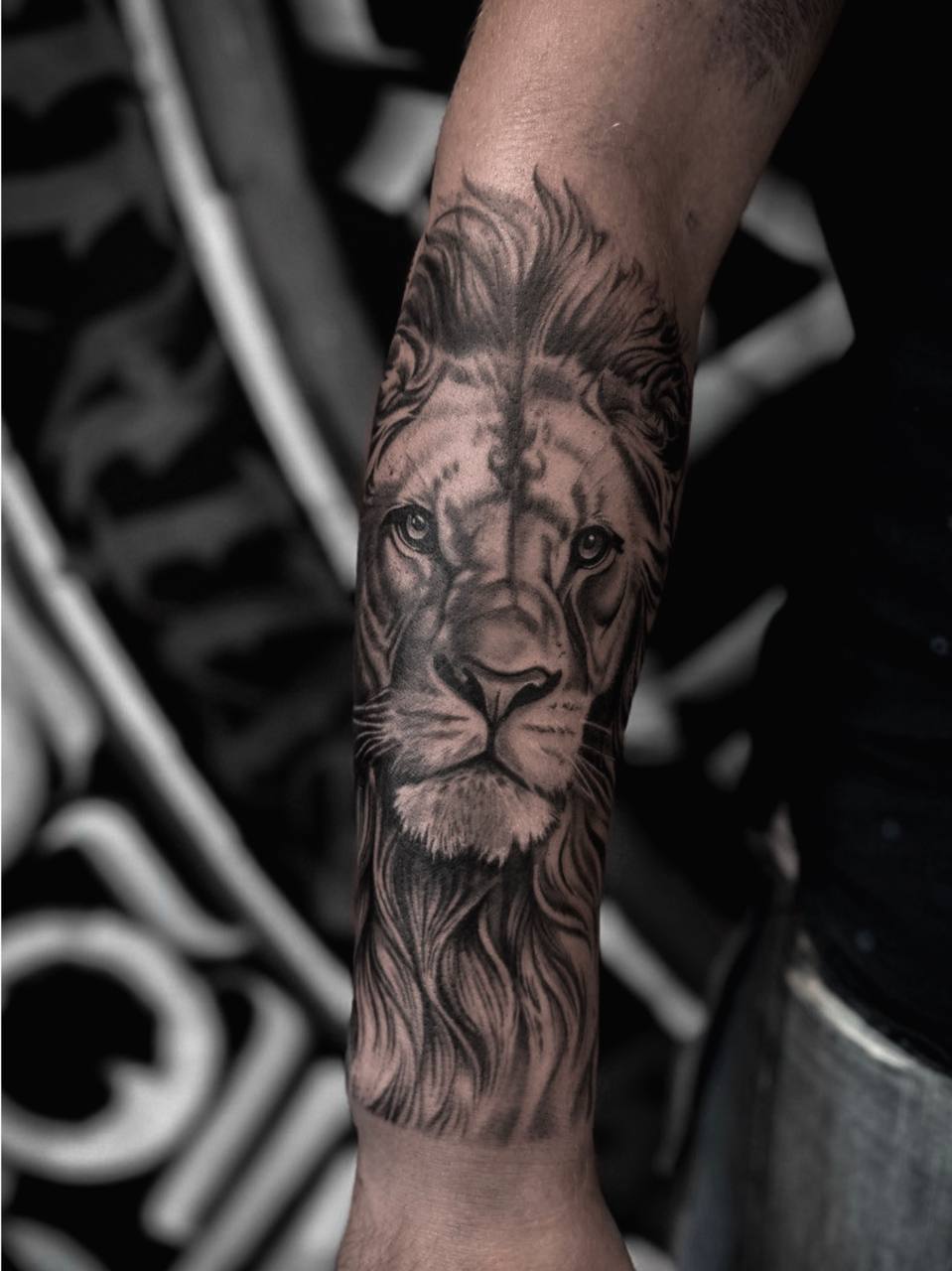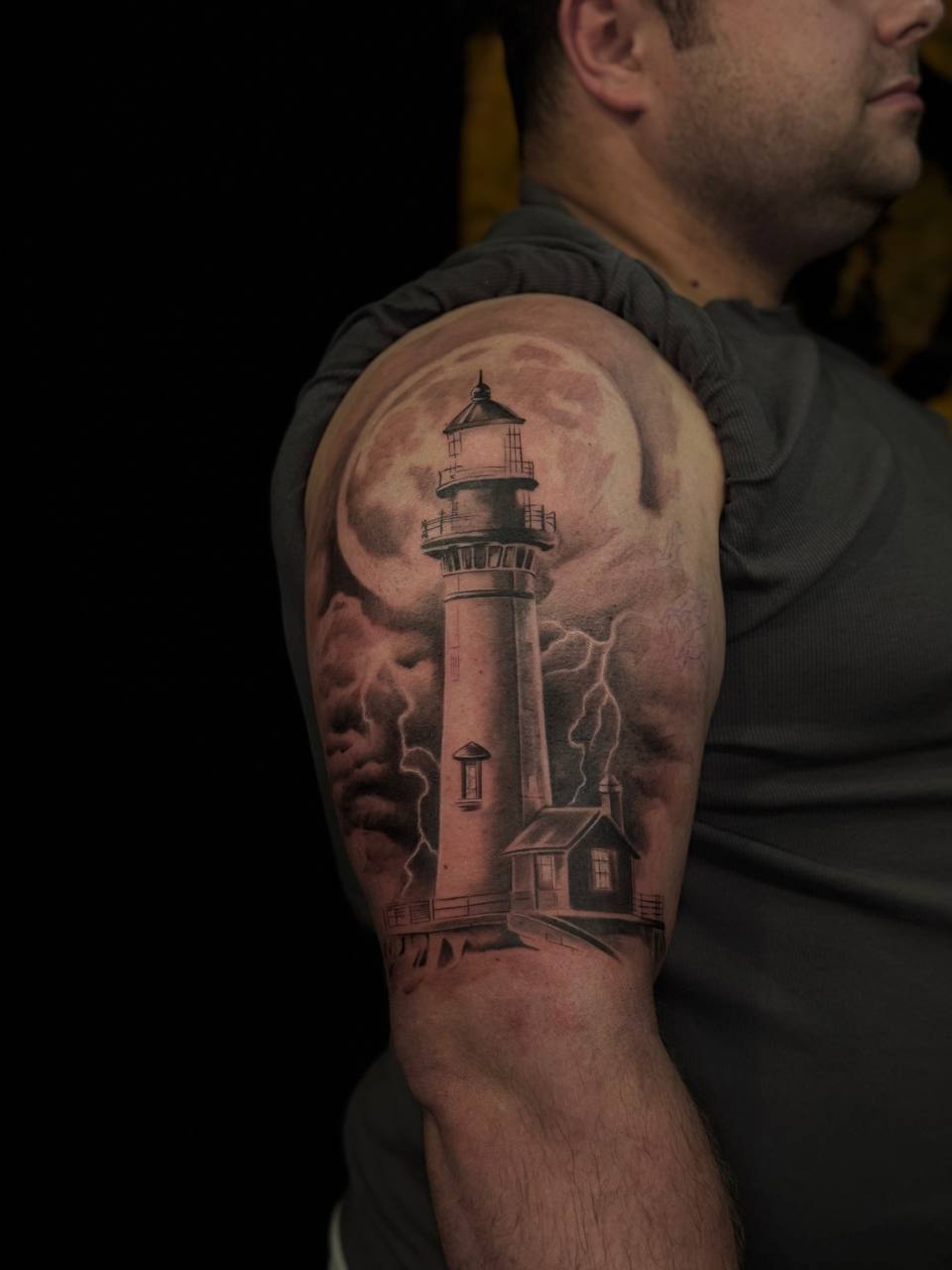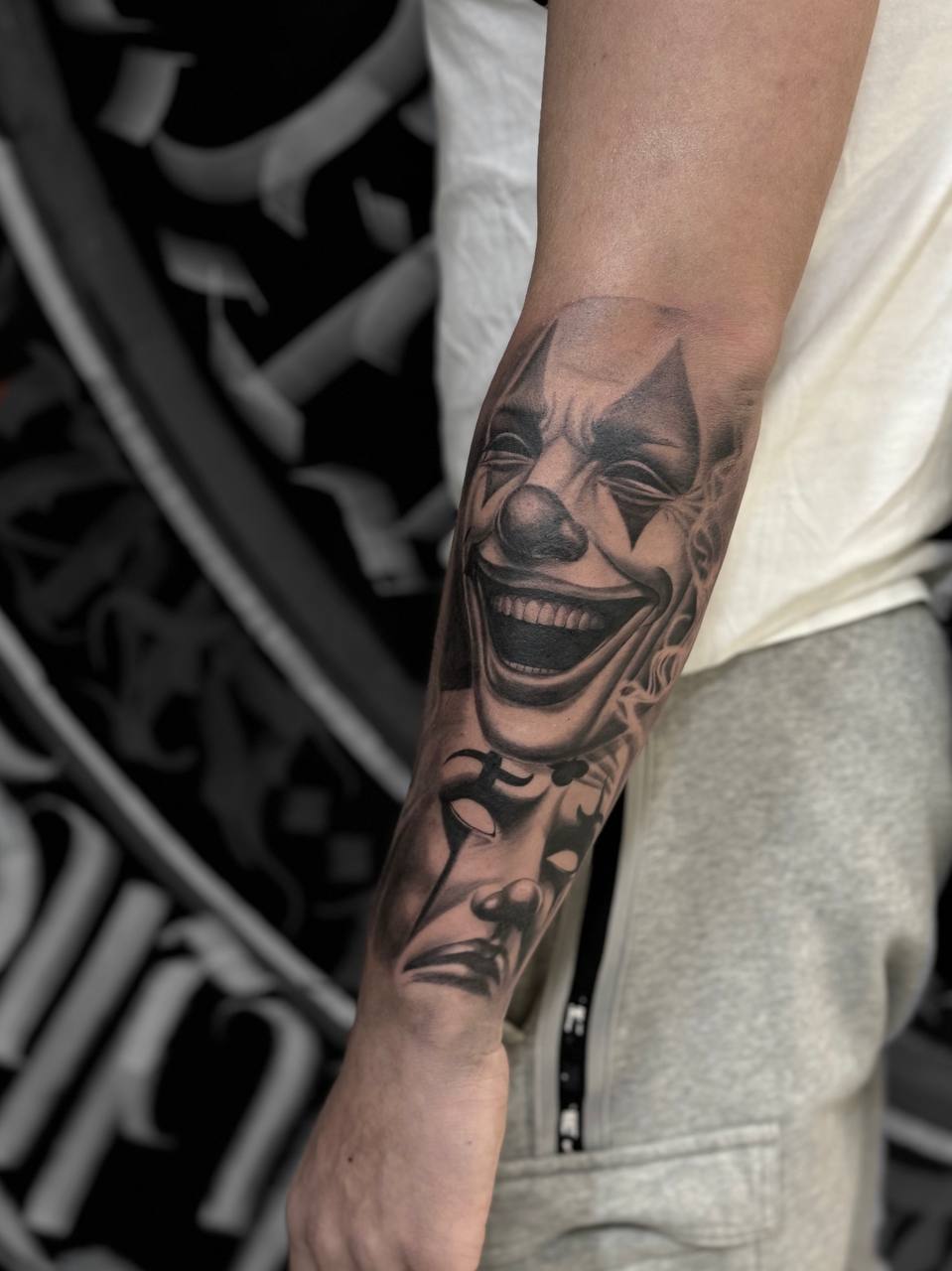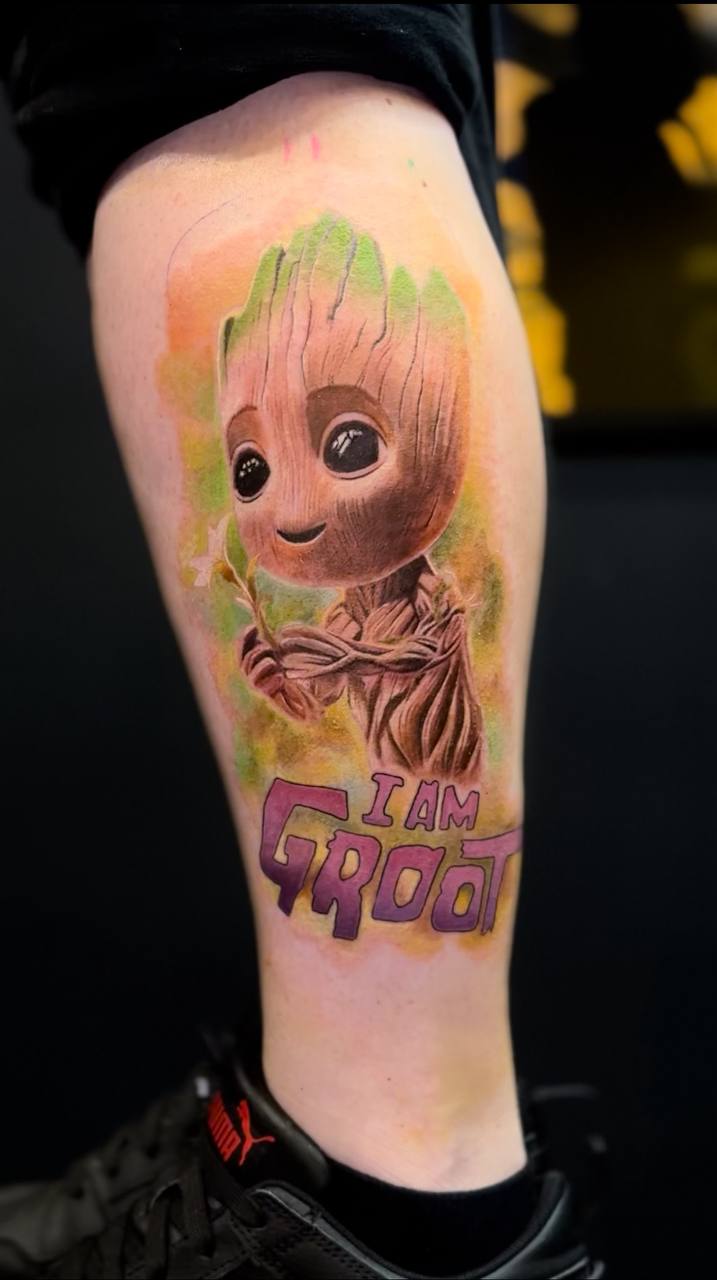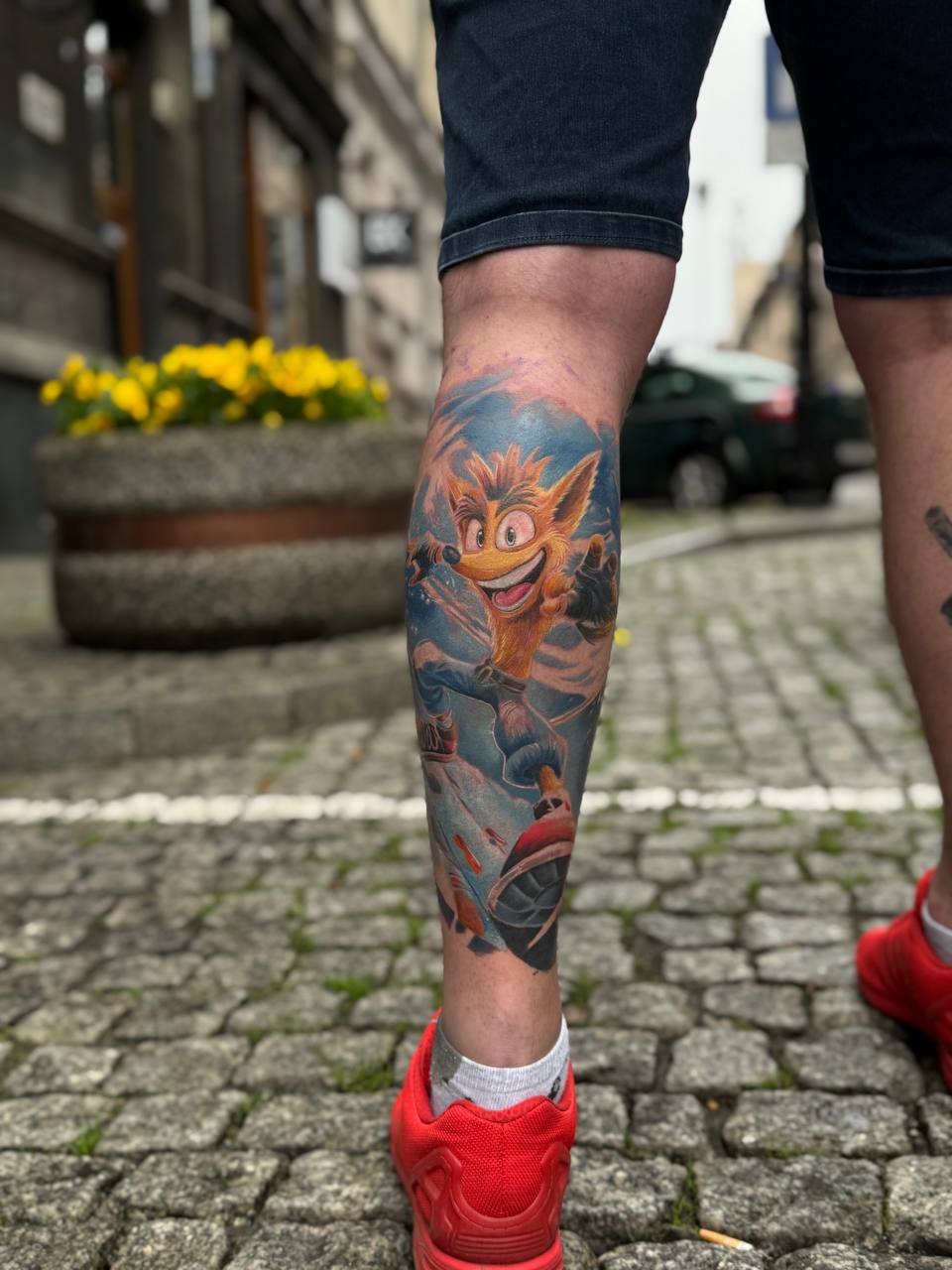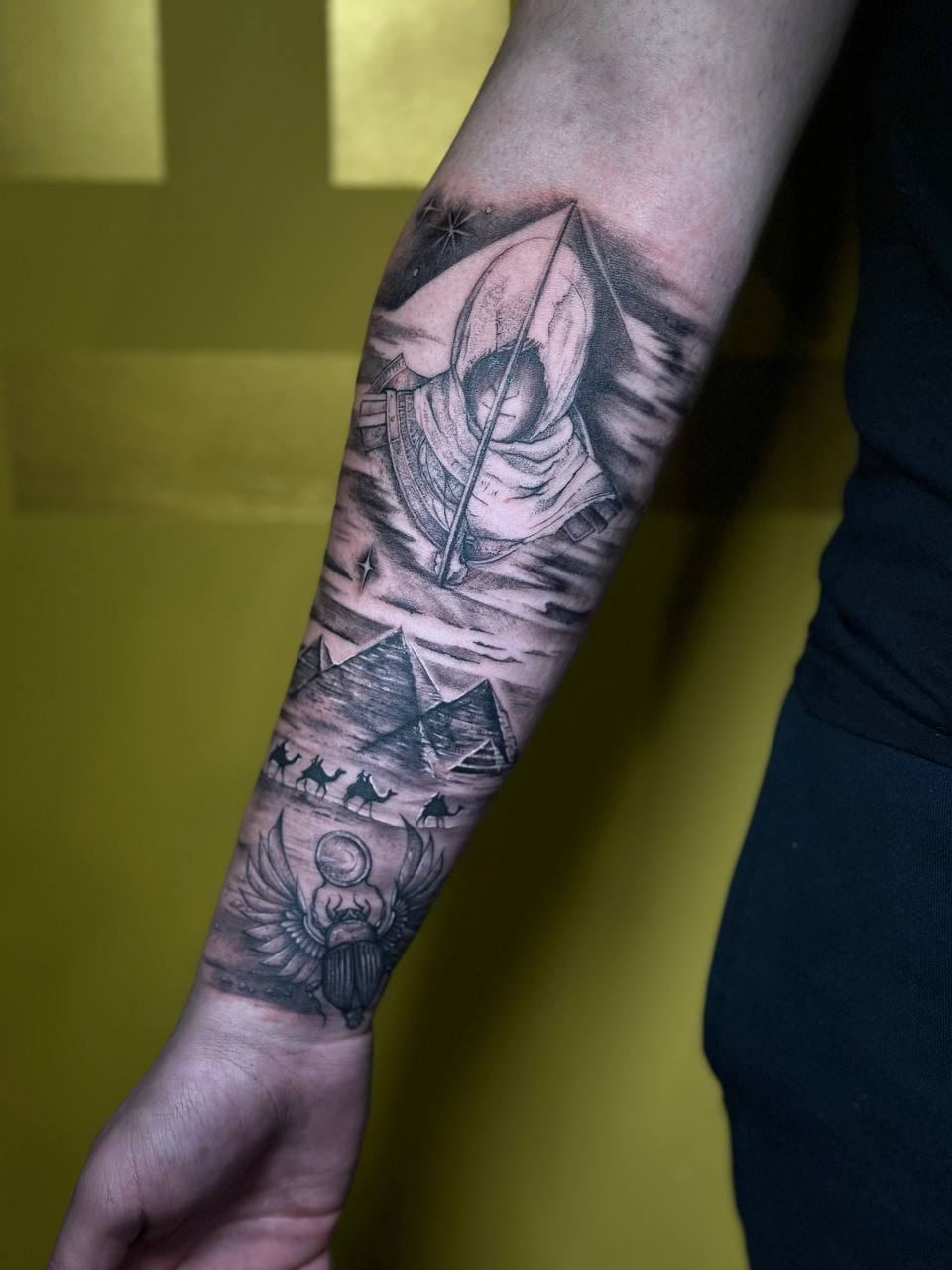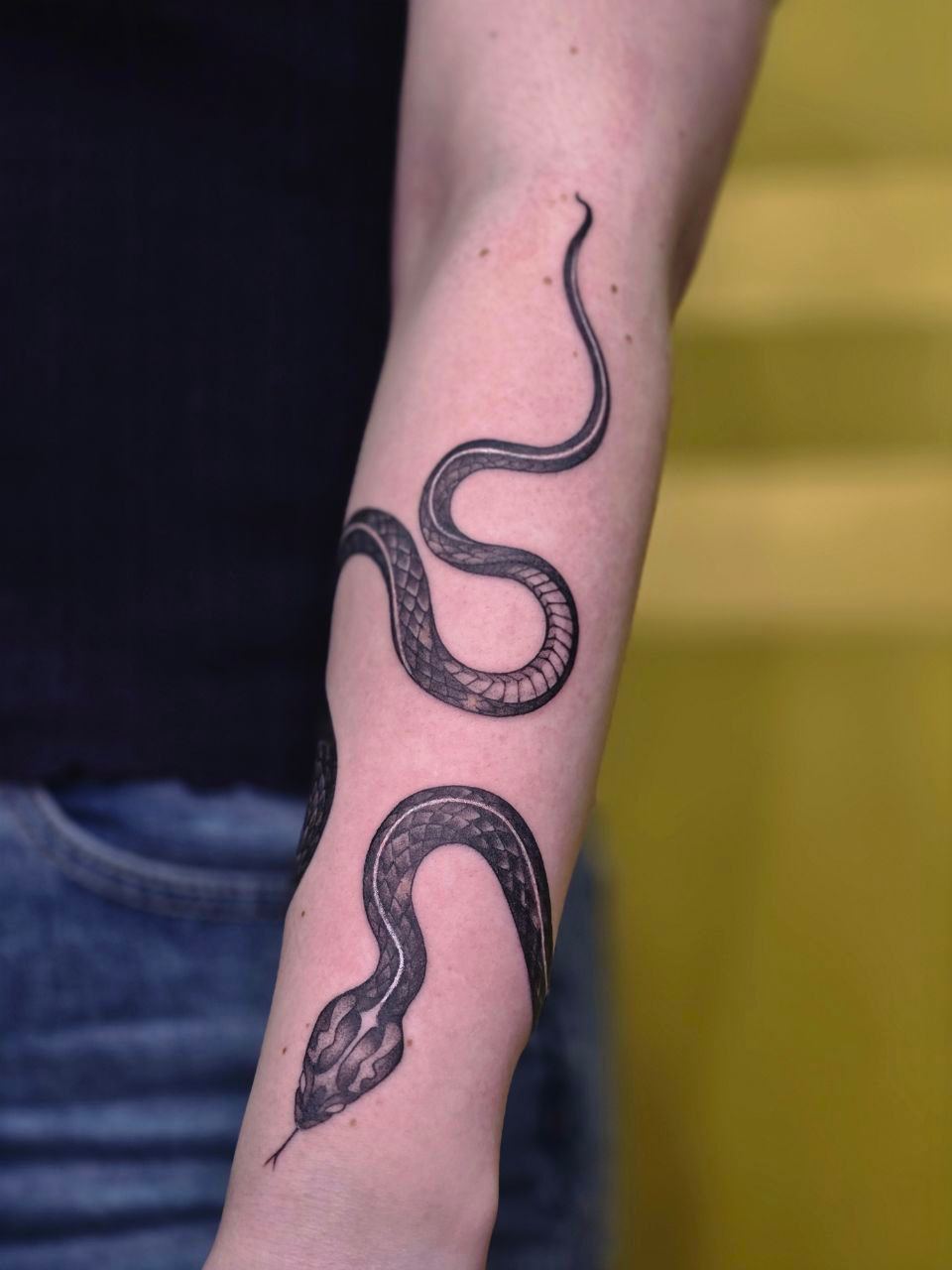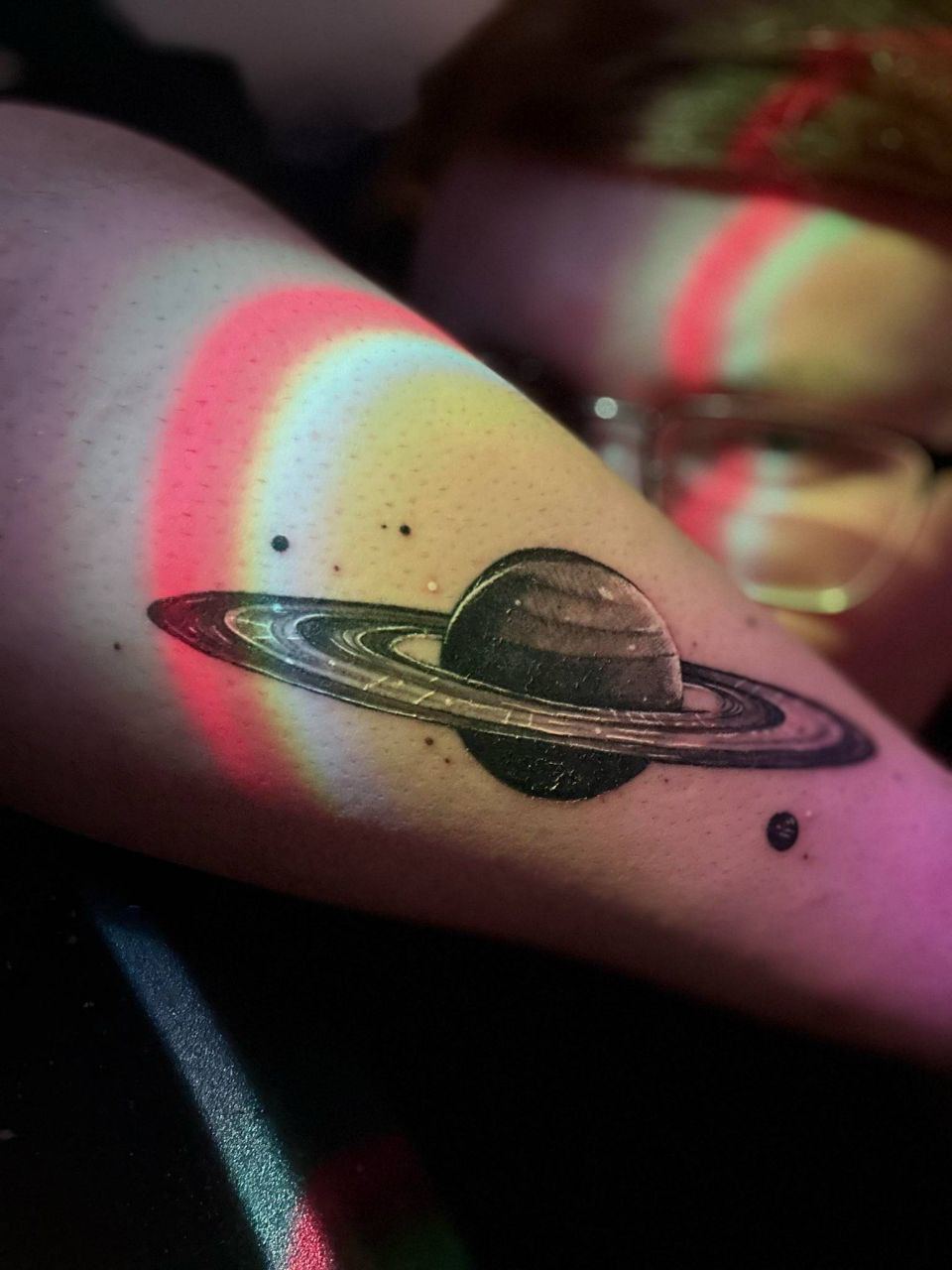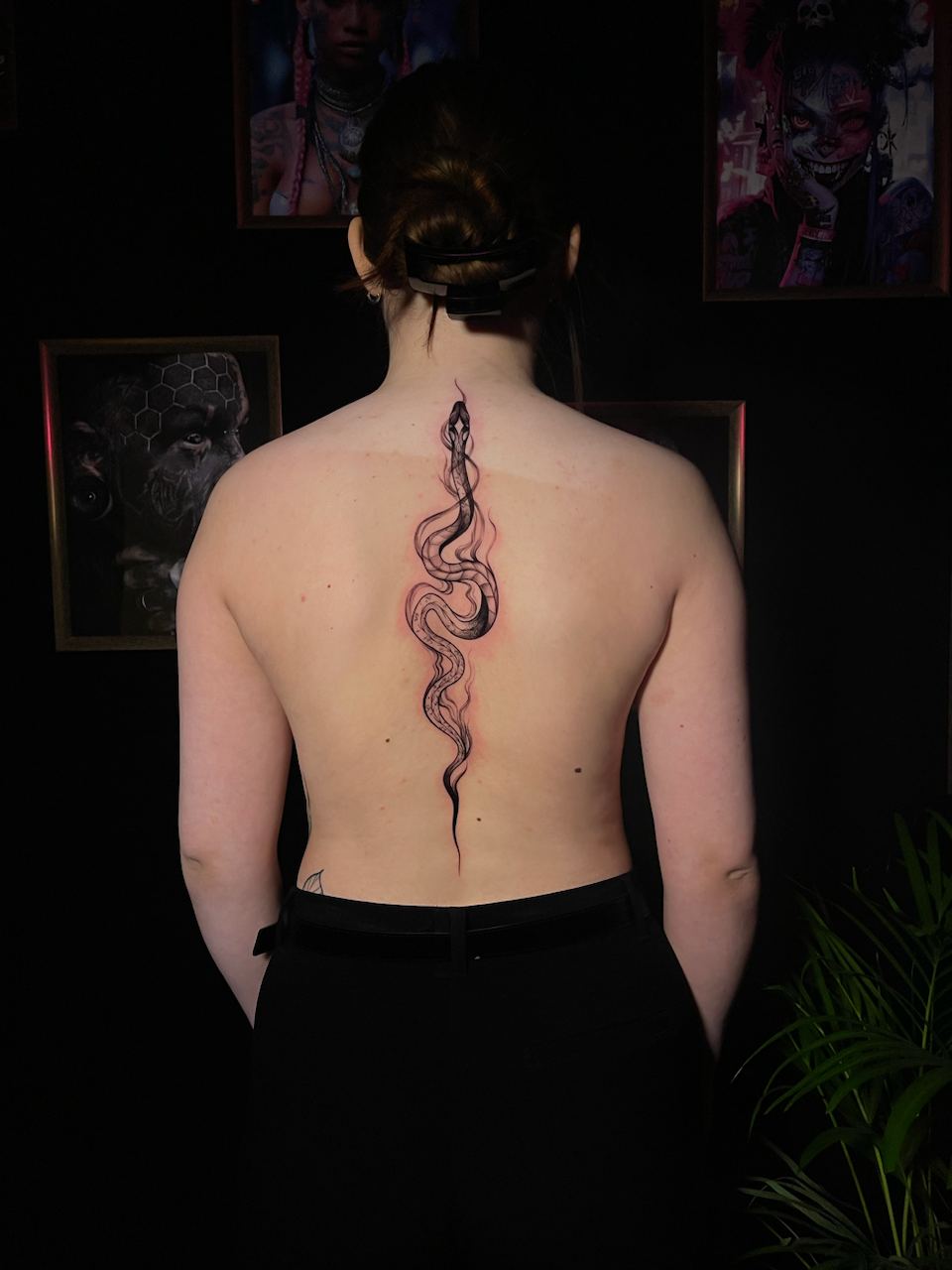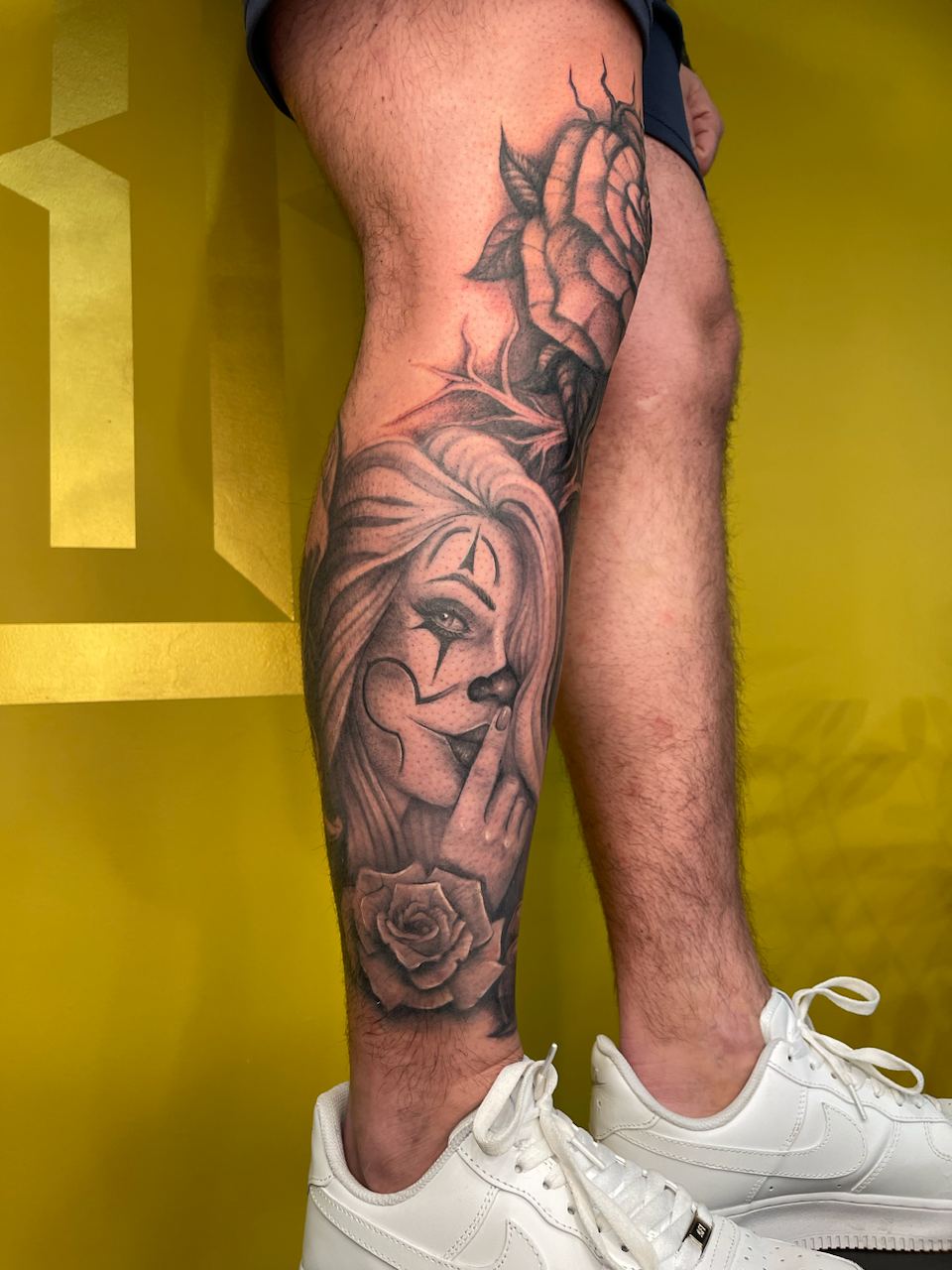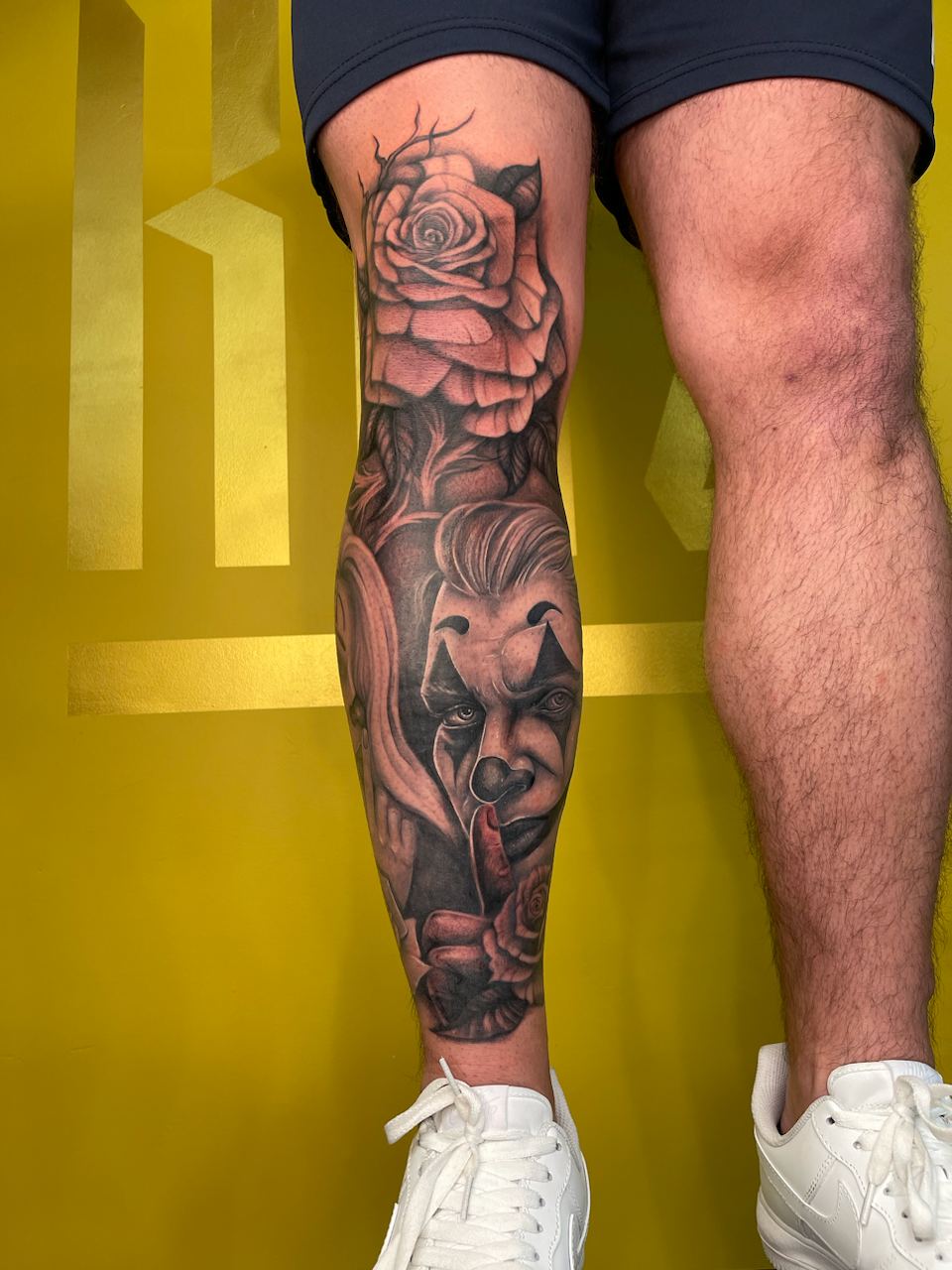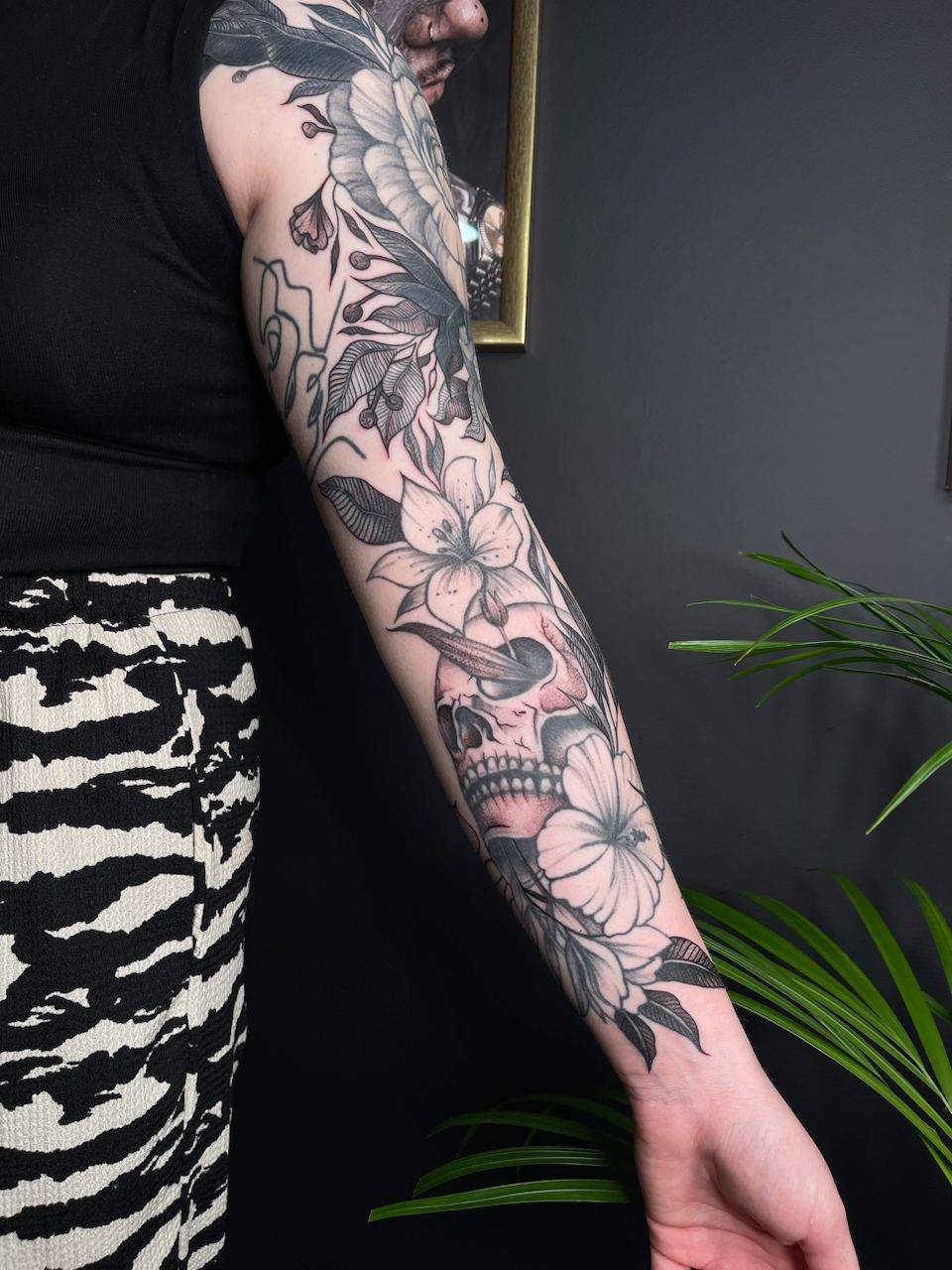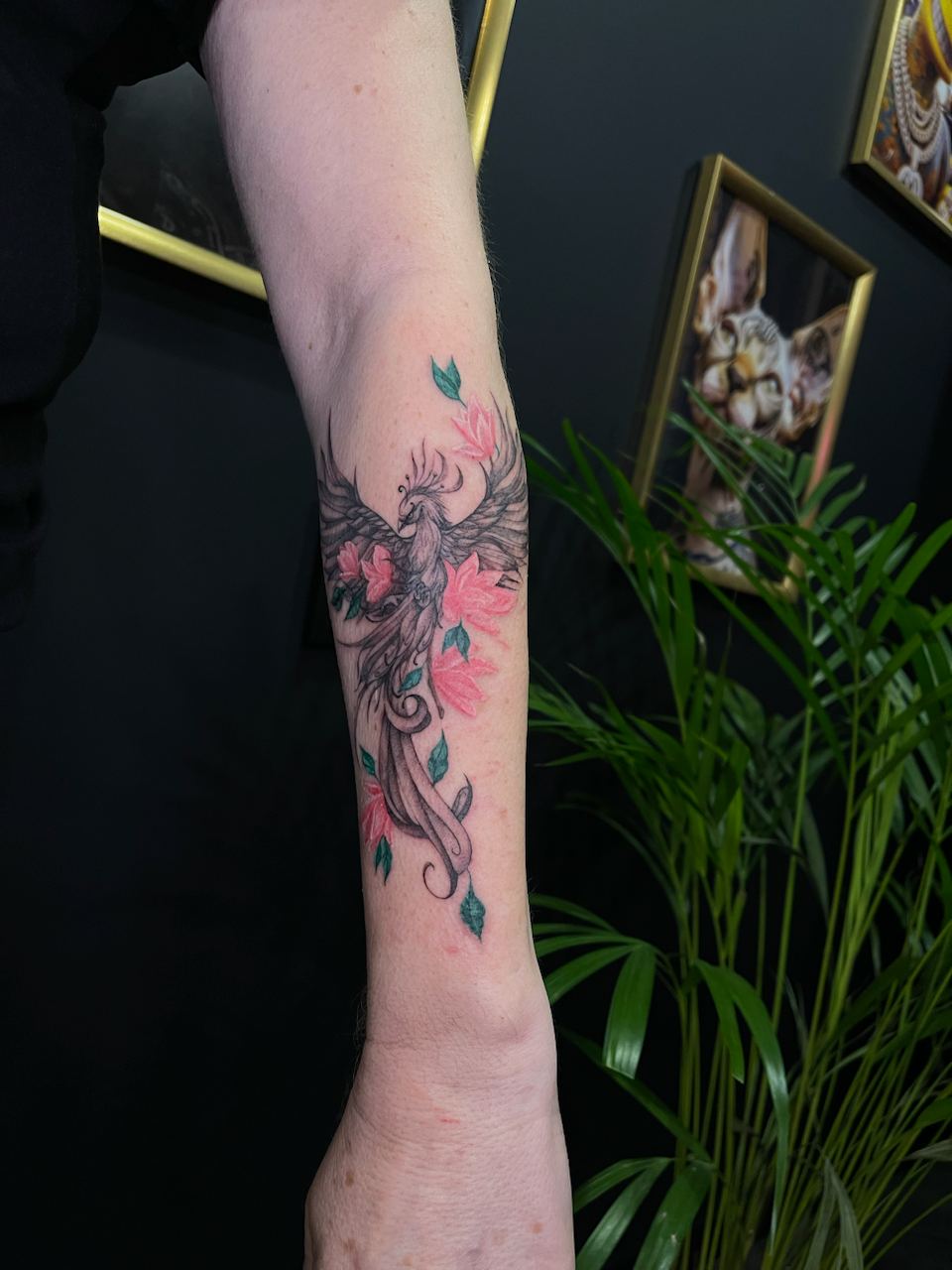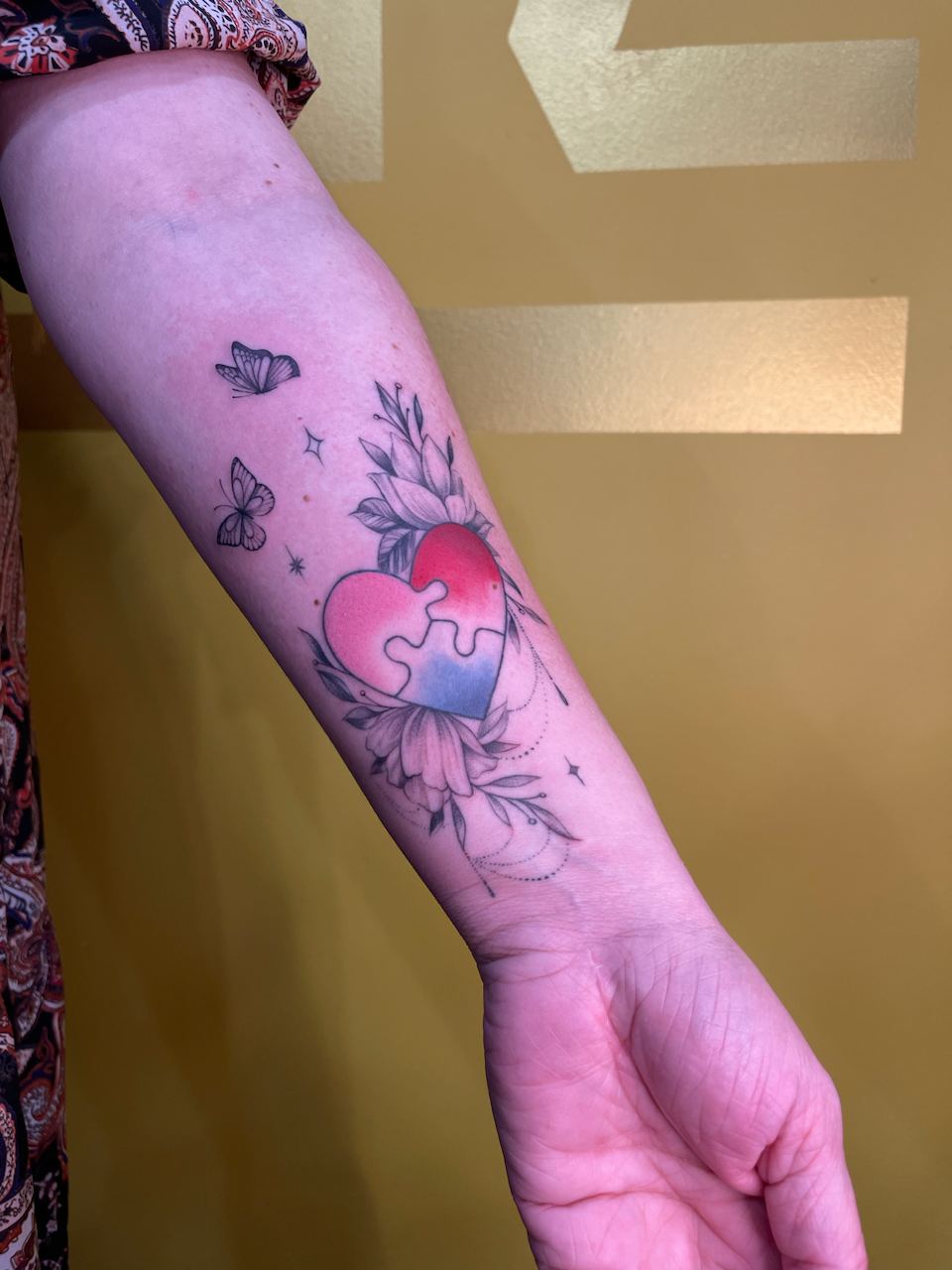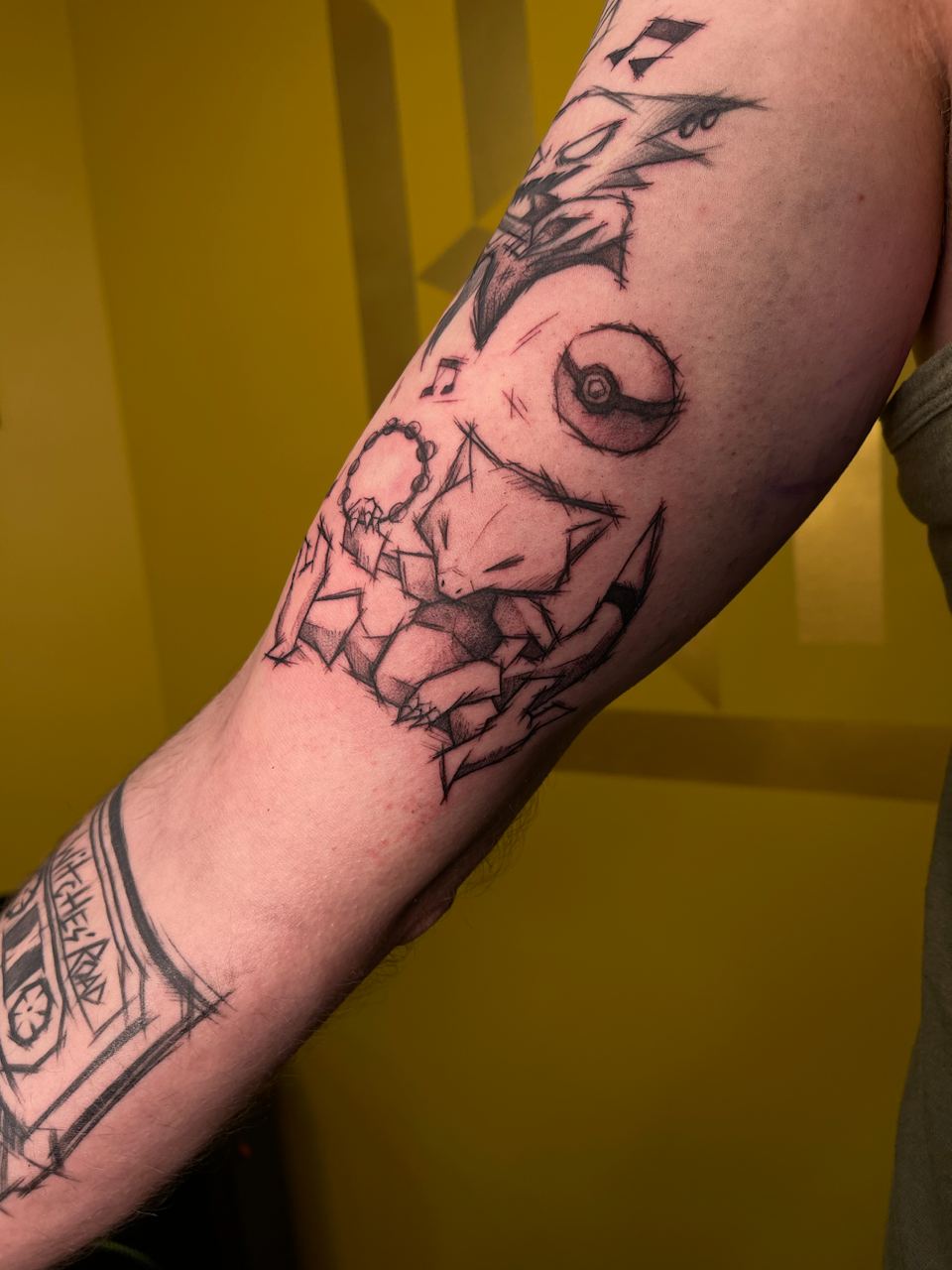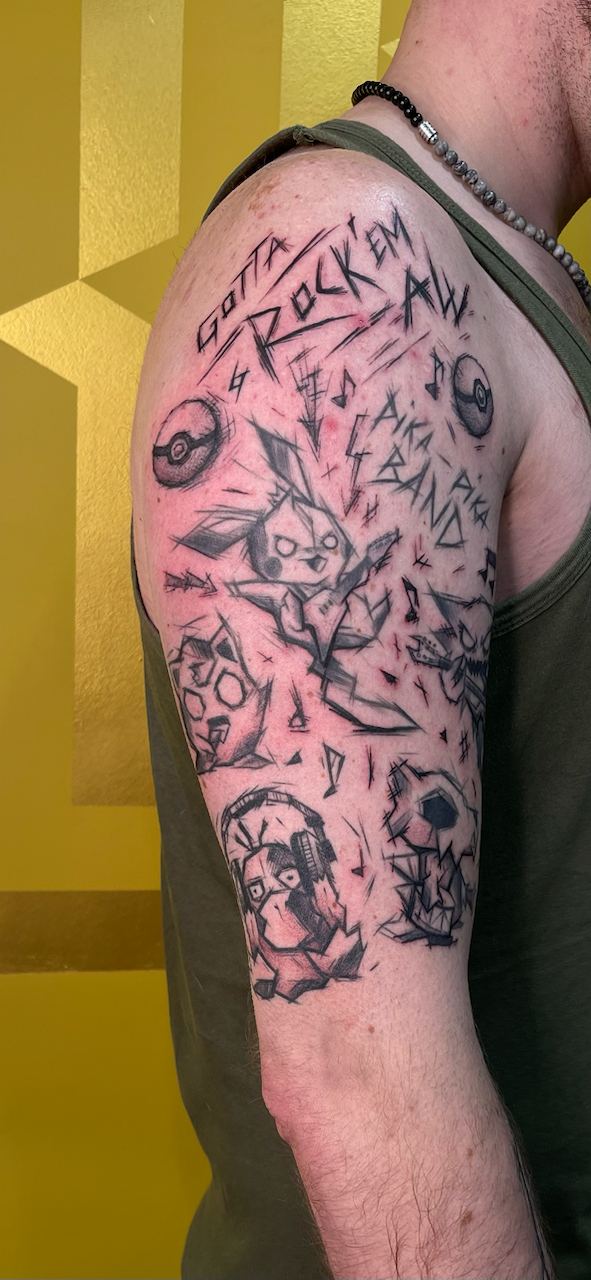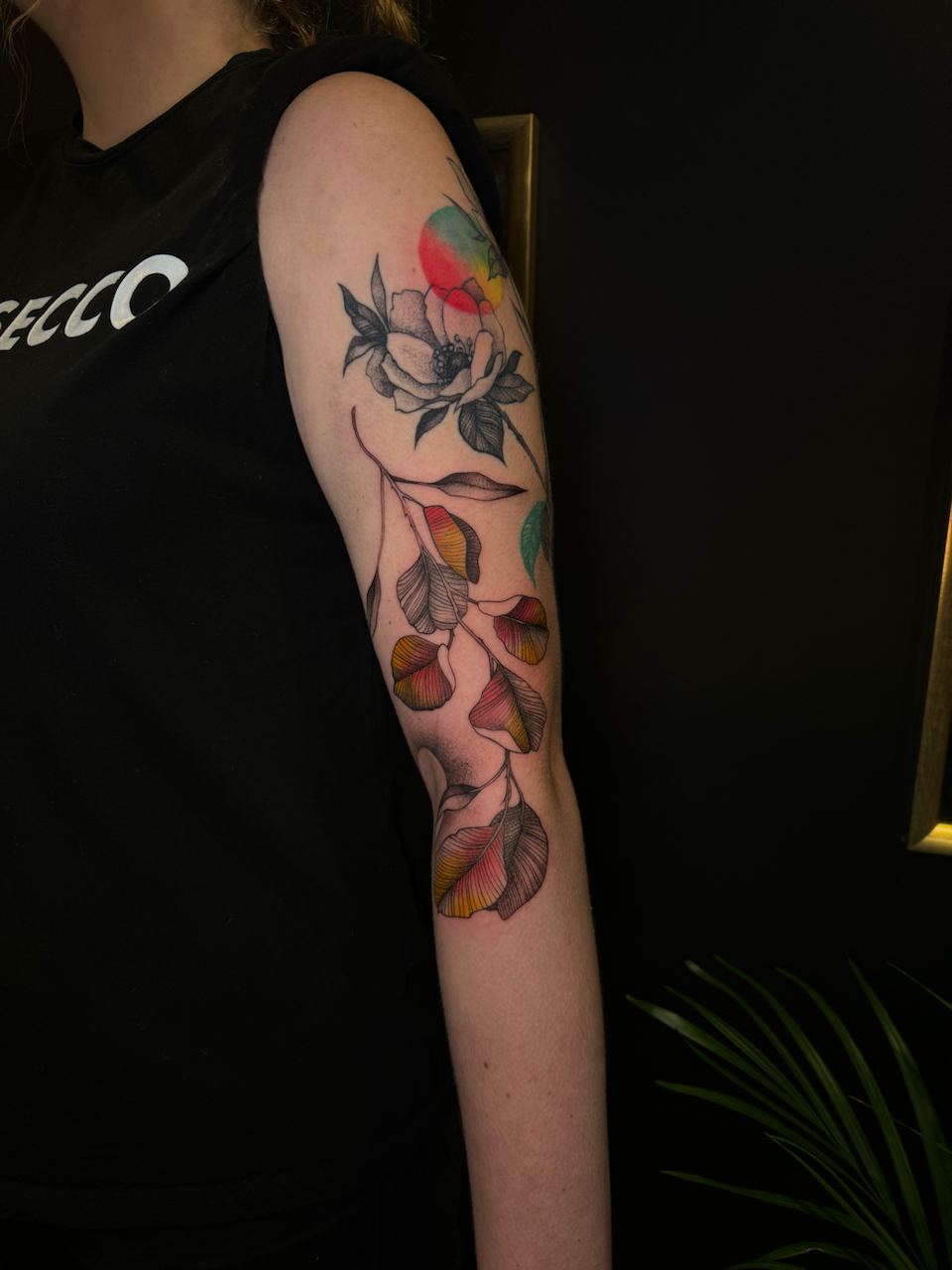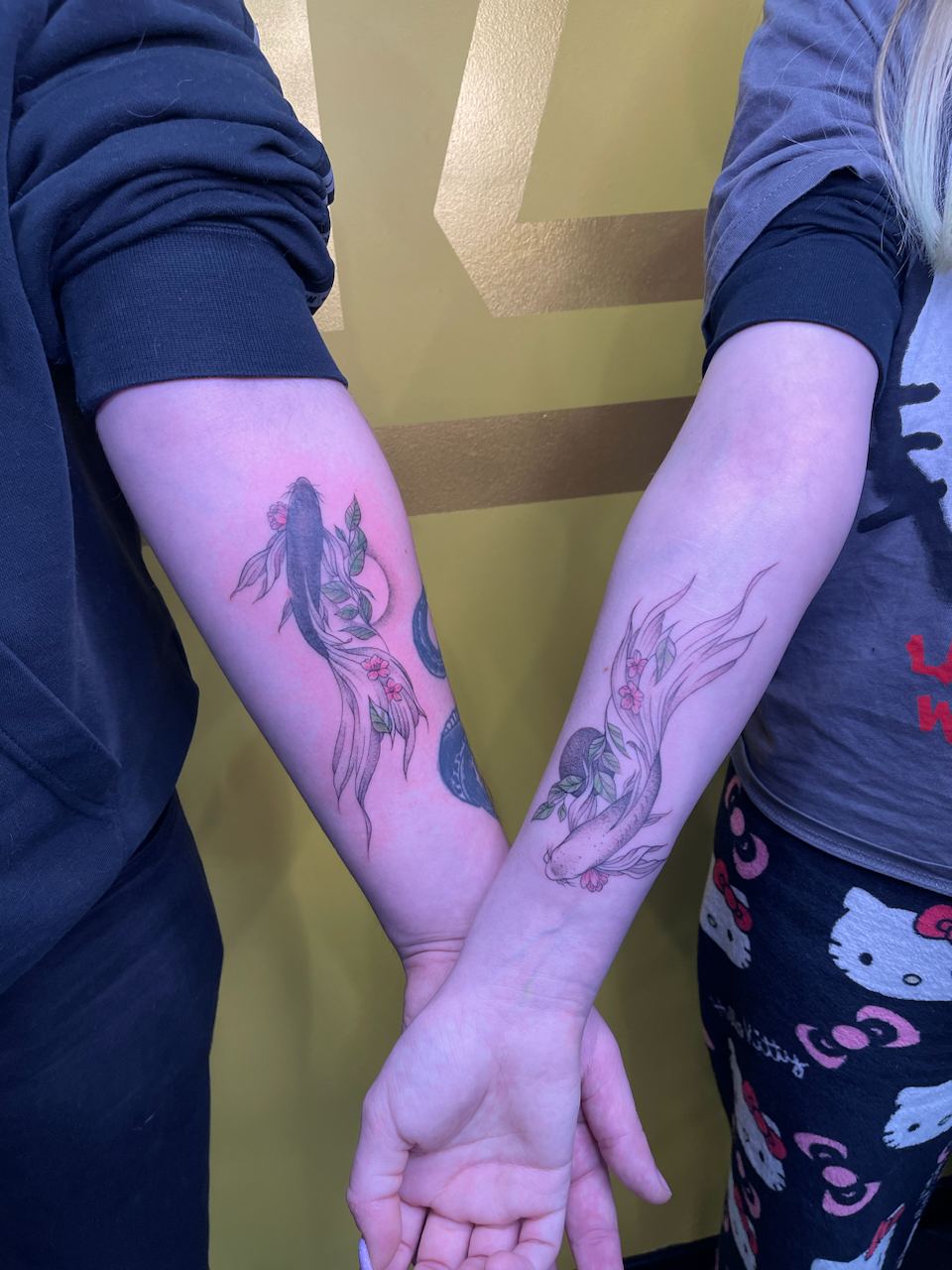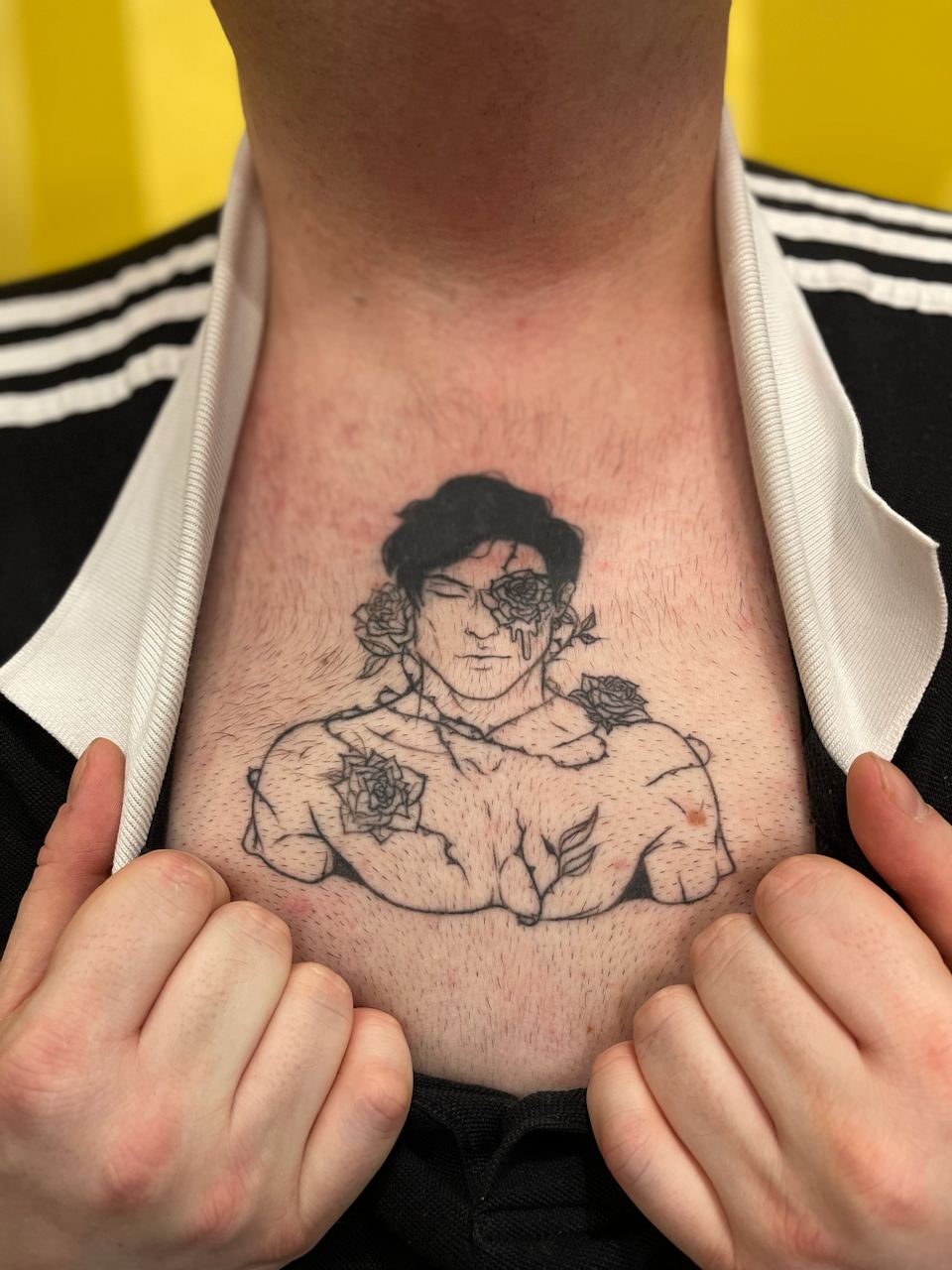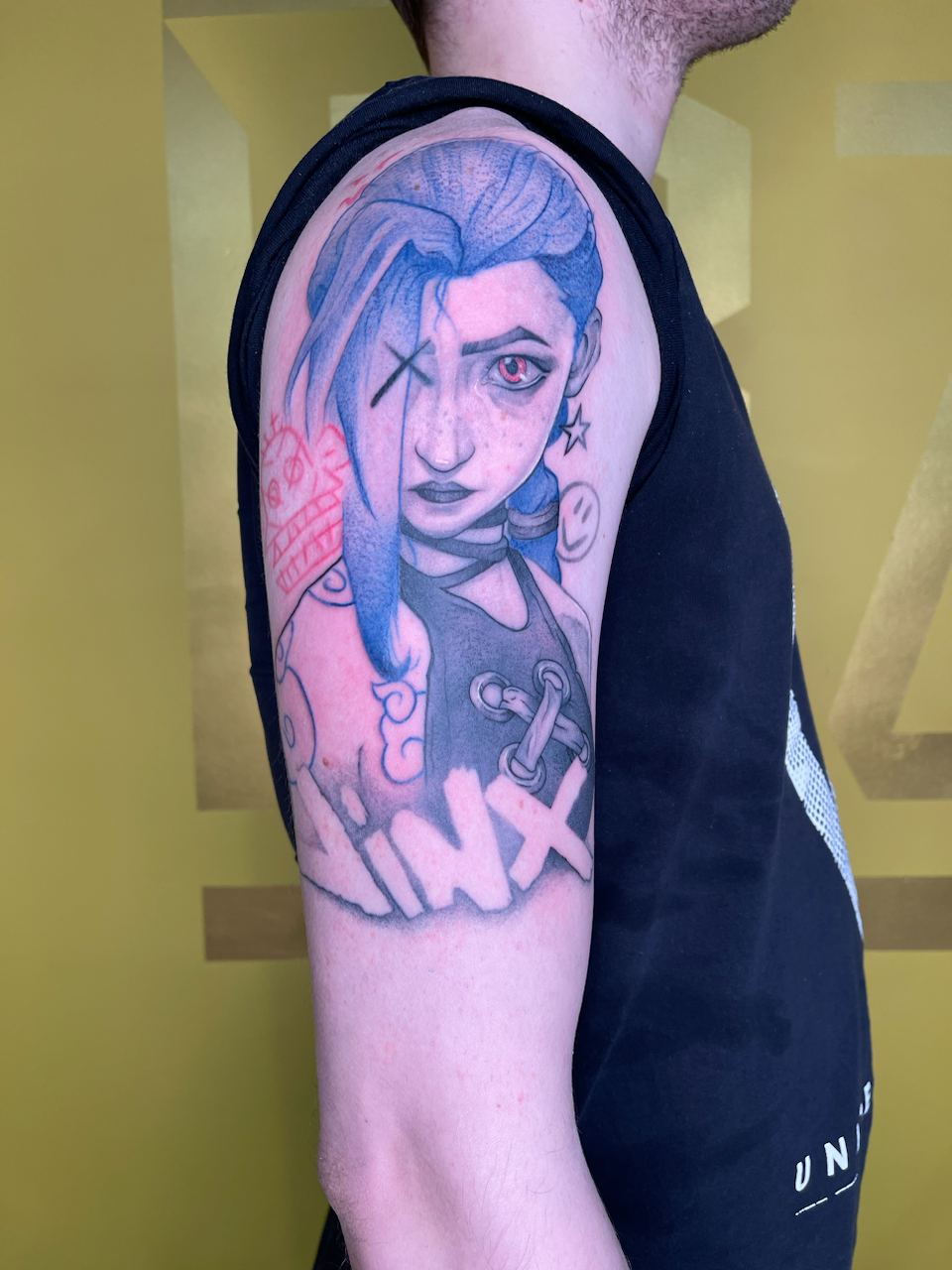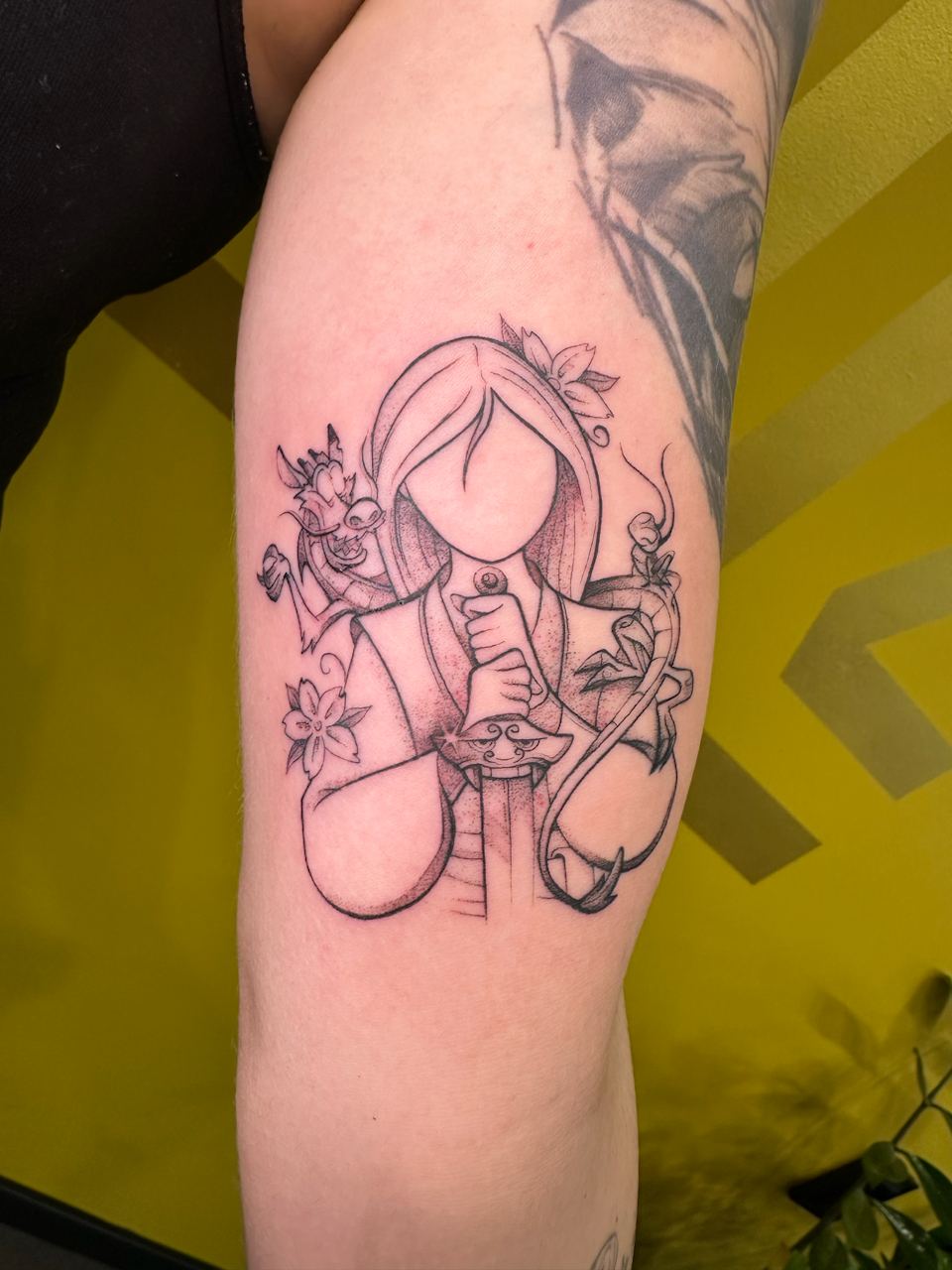
A sleeve is one of those tattoo projects that makes a huge impression – which is exactly why it should not begin with a random “let’s put something on the bicep and see what happens later”. A sleeve tattoo in Katowice is best planned as one complete composition rather than a collection of separate images. Even if the project is completed in stages over several months, it is worth deciding on its mood, direction, and proportions from the beginning.
The biggest mistake? Thinking only about the front of the arm. A sleeve is viewed from every angle: from the side, from behind, with the elbow bent, and with the arm relaxed. A good design should therefore wrap around the arm and work with its anatomy.
Sleeve tattoo Katowice – where should you start?
First, answer three questions: which style do you like, should the sleeve tell a specific story, and do you want a complete composition from shoulder to wrist or a design developed gradually?
If you are interested in an artistic tattoo in Katowice, a consultation is particularly important when planning a sleeve. With a small tattoo, you can focus on one motif. With a sleeve, the entire arm needs to be considered as a single surface.
One theme or several motifs?
Both approaches can work. A sleeve can be built around one theme, such as nature, mythology, cars, or abstraction. It can also combine several symbols that are important to you.
The key is to give these elements something in common: style, linework, shading, similar contrast, or a shared background. If every section looks like a piece from a different world, the sleeve may begin to resemble a collection of stickers rather than one cohesive composition.
Why does style matter?
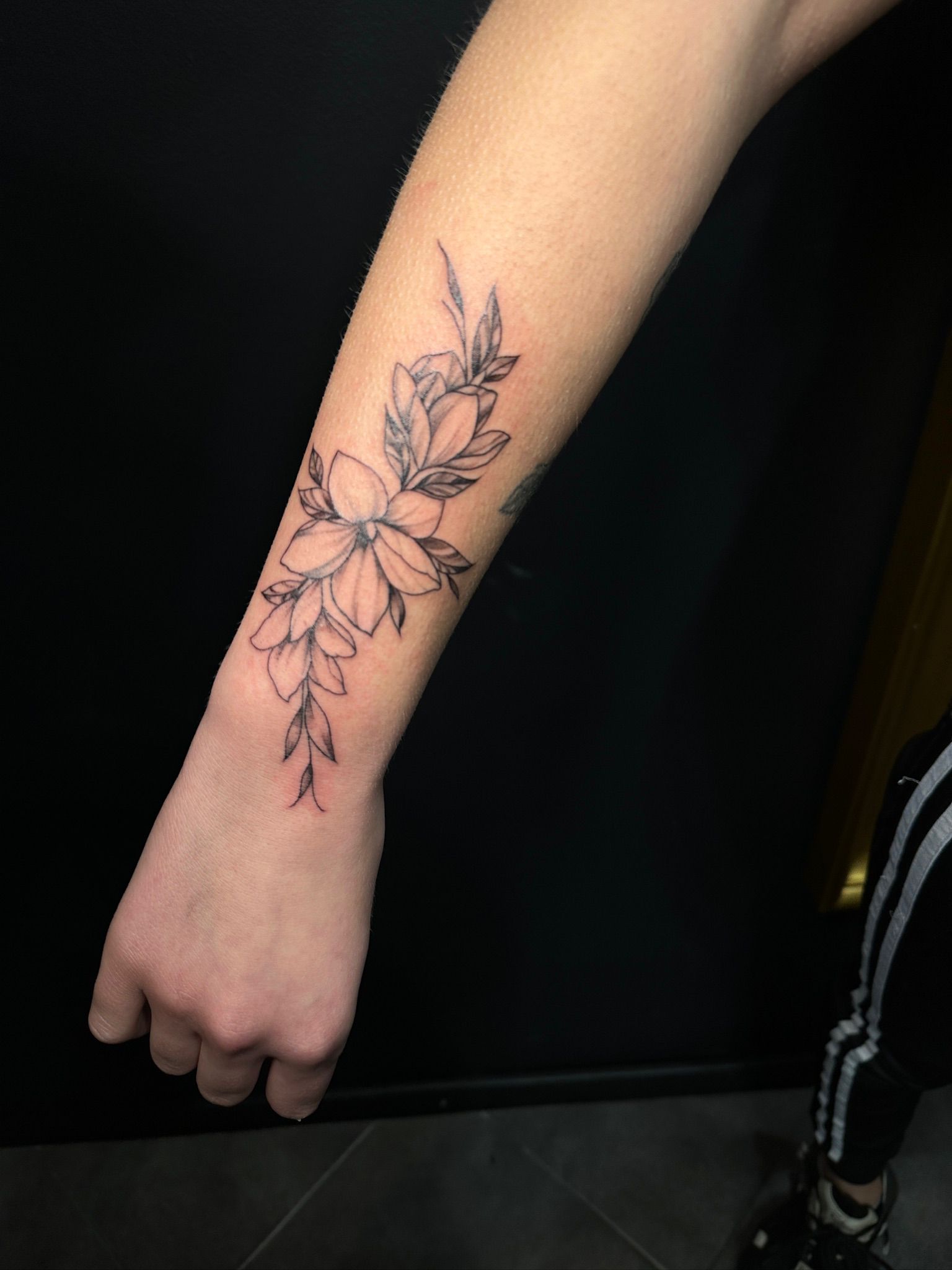
Realism, blackwork, neo-traditional, fine line, and illustrative styles all use space differently. A design with plenty of black and strong contrast will be planned differently from a delicate fine-line sleeve.
This does not mean that styles cannot be combined. They can, but it should be done deliberately. For example, a realistic central motif can be paired with a more graphic background if the proportions and contrast are properly balanced.
Start with the largest elements
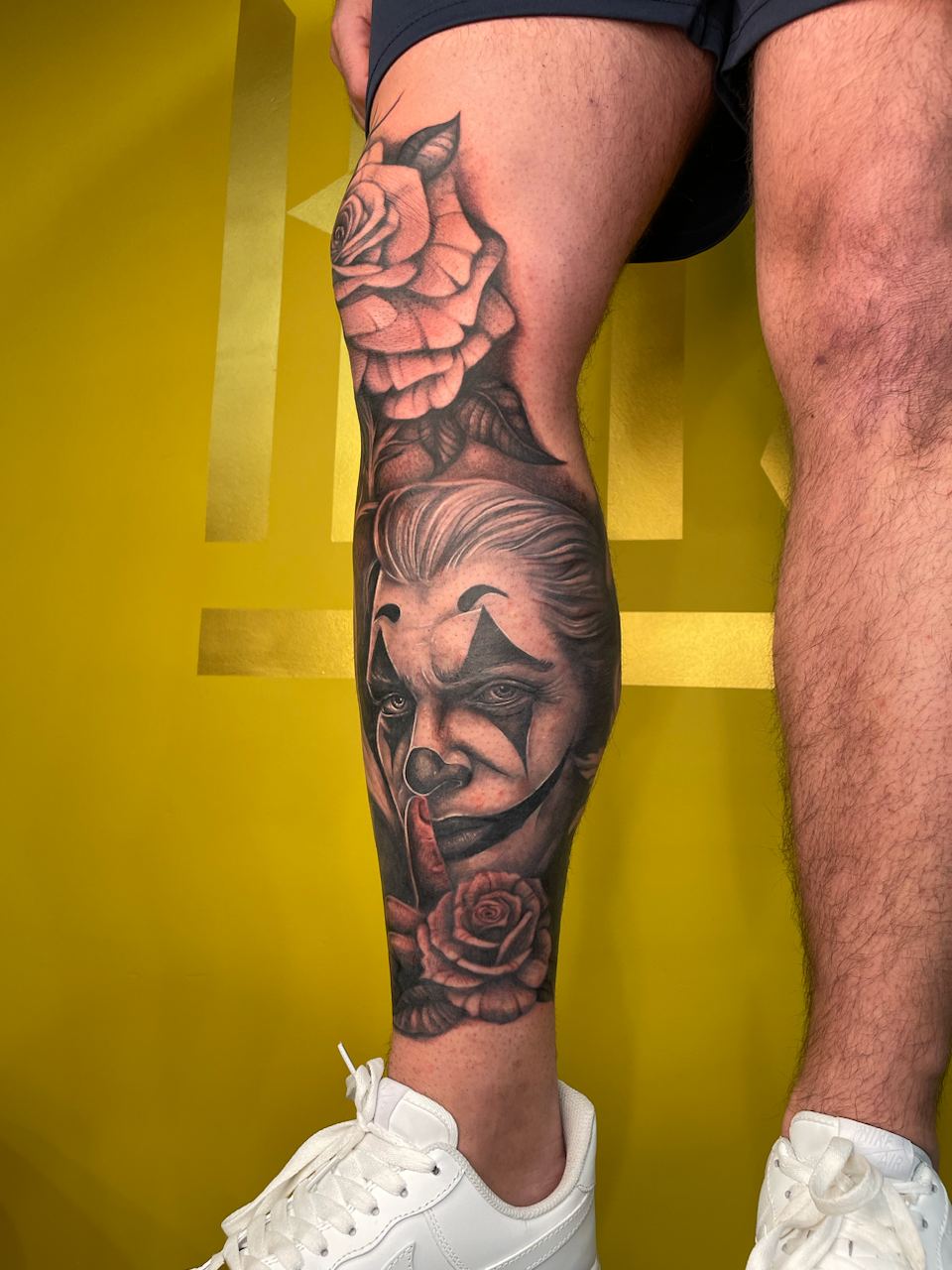
When planning a sleeve, it is worth beginning with the main motifs. They establish the rhythm of the entire piece. A large portrait, animal, mask, flower, or architectural element needs enough space to avoid looking compressed.
Connecting elements and fillers are planned afterwards. If you first fill the best areas with random small tattoos, you may later discover that there is not enough space for a strong central motif.
Shoulder, bicep and forearm – every area works differently
The shoulder is rounded and works well with motifs that can naturally flow across its shape. The bicep provides a larger, relatively clear surface, but the design changes when the muscle is flexed. The forearm is more visible in everyday life and often becomes the visual “front” of the sleeve.
It is also worth considering the inner arm and the area around the elbow. These sections are easily forgotten when looking at reference photos online.
How should the elbow be planned?
The elbow is a challenging area because the skin moves considerably and the surface is not flat. A small, highly detailed motif will not always be the best option there.
Larger, rhythmic forms often work better: ornaments, stronger shading, organic elements, or designs that respond well to the movement of the skin.
Does a sleeve have to start at the shoulder?
No. You can begin with the forearm, bicep, or one large motif. The important thing is to know before the first session whether the design may eventually be extended.
If you tell the tattoo artist from the beginning, “I eventually want a full sleeve”, they can leave enough space and shape the edges so that additional elements can be connected later.
Full sleeve or half sleeve?
A half sleeve may end above the elbow or cover the forearm. It is a good choice if you want a large composition but do not plan to tattoo the entire arm straight away.
A full sleeve offers more storytelling possibilities but also requires a larger budget, more time, and greater patience. Everything does not need to be completed in one continuous series. A well-planned project can be created in stages.
How many sessions does a sleeve tattoo require?
It depends on the style, amount of detail, colour, and surface area. Simple blackwork will progress differently from a realistic sleeve containing numerous details and soft transitions.
In practice, large projects often require several long sessions. It is better to think of the sleeve as a process than to search for an exact number of hours. Every person’s skin reacts differently, and the pace of work also depends on the area being tattooed.
Can an entire sleeve be completed in one day?
Technically, a significant amount of work can be completed during one long session, but an entire sleeve is usually too much for a single day, particularly when the design is detailed.
Working longer does not always produce a better result. After many hours, the skin becomes increasingly irritated and the client simply becomes tired. Dividing the project into stages is often more sensible.
How should consecutive sessions be connected?
Ideally, there should be a map of the complete design from the beginning. It does not need to show every centimetre in finished detail, but it should establish the main elements, their order, and the direction of the composition.
This prevents a problem after the first session: “We have a beautiful forearm tattoo, but now we do not know what to do with the bicep.”
What about the background and fillers?
The background should not be a random space filler. A good background guides the eye and connects the main motifs.
It may include smoke, geometry, ornaments, plants, shading, waves, texture, or simply carefully planned negative space. Sometimes it is the empty sections that allow a sleeve to “breathe”.
Negative space is part of the design
Not every centimetre of skin needs to be black or filled with detail. If everything has the same intensity, the composition may become heavy and difficult to read.
Good sleeves have rhythm: a stronger element, a calmer space, and then another detail. It is a little like music – when everything plays at maximum volume, the melody can no longer be heard.
Colour or black-and-grey sleeve?
Both options can look excellent. Black & grey usually creates a more cohesive, classic result. Colour makes it possible to separate elements more clearly and create a more illustrative character.
The most important thing is to keep the palette consistent. If every section uses completely different colours without a shared direction, the sleeve may look chaotic.
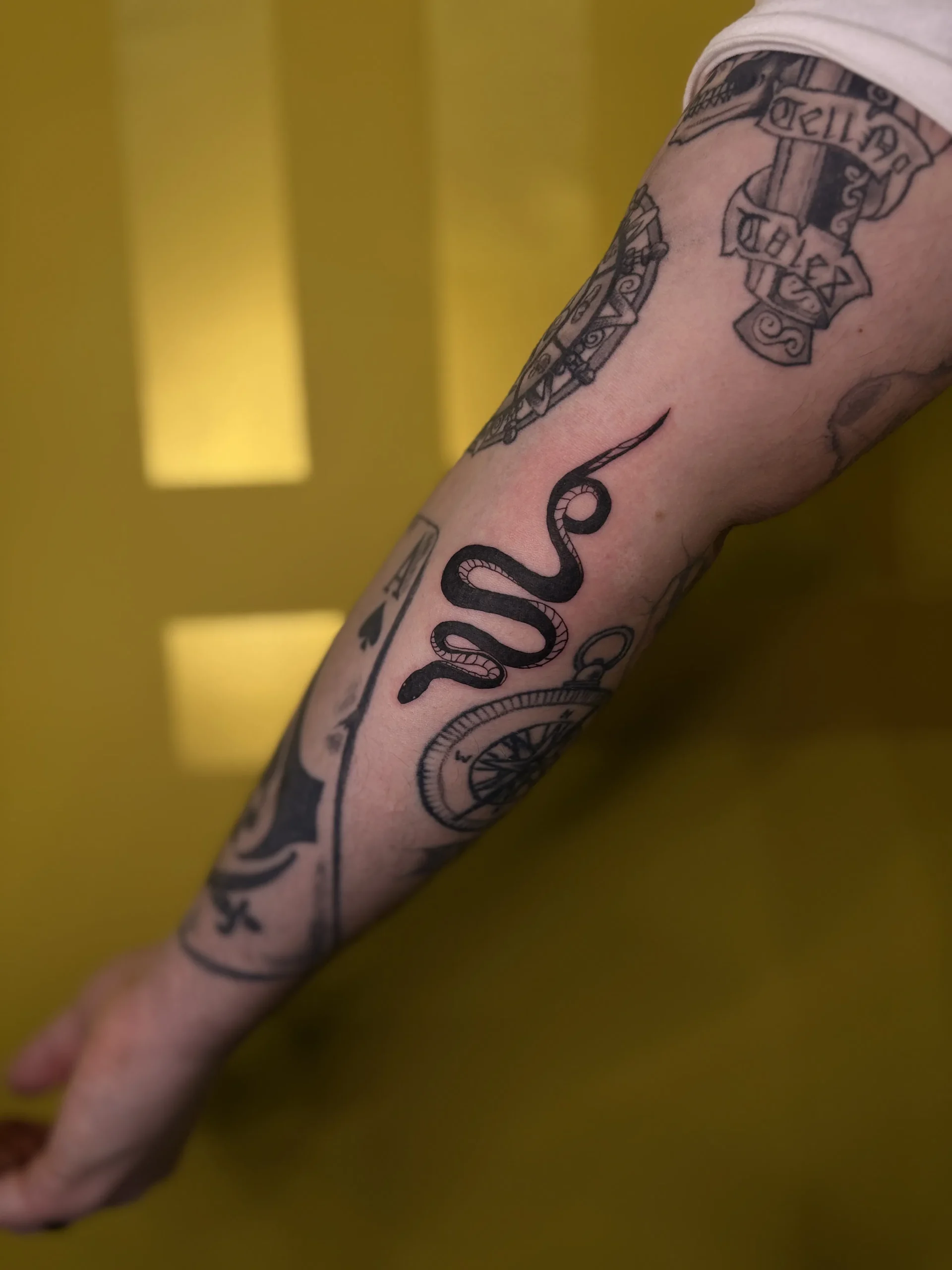
Can old tattoos be combined into one sleeve?
Yes, but it requires more planning. The first step is to assess the styles and contrasts already present on the arm.
Sometimes adding a background and new elements is enough. In other cases, the old tattoo may be so strong or stylistically different that it is worth considering reworking it, covering it up, or lightening it beforehand.
If some of your existing tattoos interfere with the new composition, a consultation about laser tattoo lightening may be helpful.
A cover-up as part of a sleeve
This is a very popular solution. Instead of covering an old tattoo with a separate large design, the entire sleeve can be planned so that the cover-up becomes one of its elements.
This provides more freedom because the new design does not need to be restricted to the small area surrounding the old tattoo.
How should you prepare reference images for a consultation?
Do not bring fifty random photos. It is better to select a few that clearly show the style, level of contrast, type of shading, motifs, and overall mood you prefer.
You can also prepare a separate list of things you do not want. This is often just as important as the reference images.
Should the tattoo artist copy a design from a photograph?
No. A photograph should be used as inspiration, not as a ready-made template. A large design needs to be tailored to your arm and its proportions.
This is particularly important with a sleeve because the same drawing may look completely different on a broader arm, a very slim arm, or a strongly defined muscle.
How should you plan a meaningful sleeve?
If the sleeve is intended to tell a story, it is worth establishing a hierarchy of symbols. Which motif is the most important? Which should be noticed first? Which can remain more hidden?
This prevents every element from competing for attention. One motif can be the main character, while the others create context.
What if you change your mind during the project?
It happens. With a large project, your taste may evolve over time. That is why a good plan should allow for some flexibility.
Changing one motif is usually not a problem if the sleeve’s main structure has been carefully considered. It becomes more difficult when every stage has been created without any overall plan.
How much does a sleeve tattoo cost?
There is no single price because a sleeve can mean completely different projects. The cost depends on the style, number of sessions, working time, amount of detail, and colour.
Instead of asking only “how much does a sleeve cost?”, it is better to show your reference images and describe the planned scope. Only then can the number of stages and approximate budget be estimated sensibly.
You can also find general pricing information in the KRZ Studio price list.
How should you prepare for a long session?
Get enough sleep, eat a normal meal, and bring water. Your body needs energy during a session lasting several hours.
It is also worth wearing clothes that give the tattoo artist easy access to your entire arm and shoulder. A T-shirt with very tight sleeves is not the best idea.
How should you care for a sleeve between sessions?
Every stage needs to heal properly before more work is performed in the same area. Do not rush the process simply because you want the sleeve to be finished as soon as possible.
Follow the tattoo aftercare instructions and avoid scratching, intense sun exposure, and soaking the fresh tattoo.
Sleeve tattoo Katowice – when should you book a consultation?
If you already have several ideas but do not know how to combine them into one cohesive design, a consultation is the best place to start. You do not need to have a finished project.
At KRZ Studio in Katowice, you can discuss the style, motifs, scope of the sleeve, and whether the design should be created from scratch or incorporate existing tattoos.
The best sleeve is not the one with the most details. It is the one that looks like one carefully planned composition from every angle.
Frequently asked questions
Does the entire sleeve need to be designed before the first session?
Every detail does not always need to be finalised, but it is worth establishing the main motifs, style, and layout of the entire composition.
What is the best place to start a sleeve tattoo?
Usually with the largest and most important elements. Smaller motifs and the background are easier to adapt later.
Can several old tattoos be turned into a sleeve?
Yes. Sometimes adding a cohesive background and new elements is enough, while other projects require a cover-up or lightening some of the existing tattoos.
How many sessions does a sleeve require?
It depends on the style, size, and amount of detail. Large sleeves usually require several sessions.
Can a sleeve be created by several tattoo artists?
Yes, but maintaining a consistent style becomes more difficult. If you want a cohesive composition, it is best to agree on a shared direction in advance.