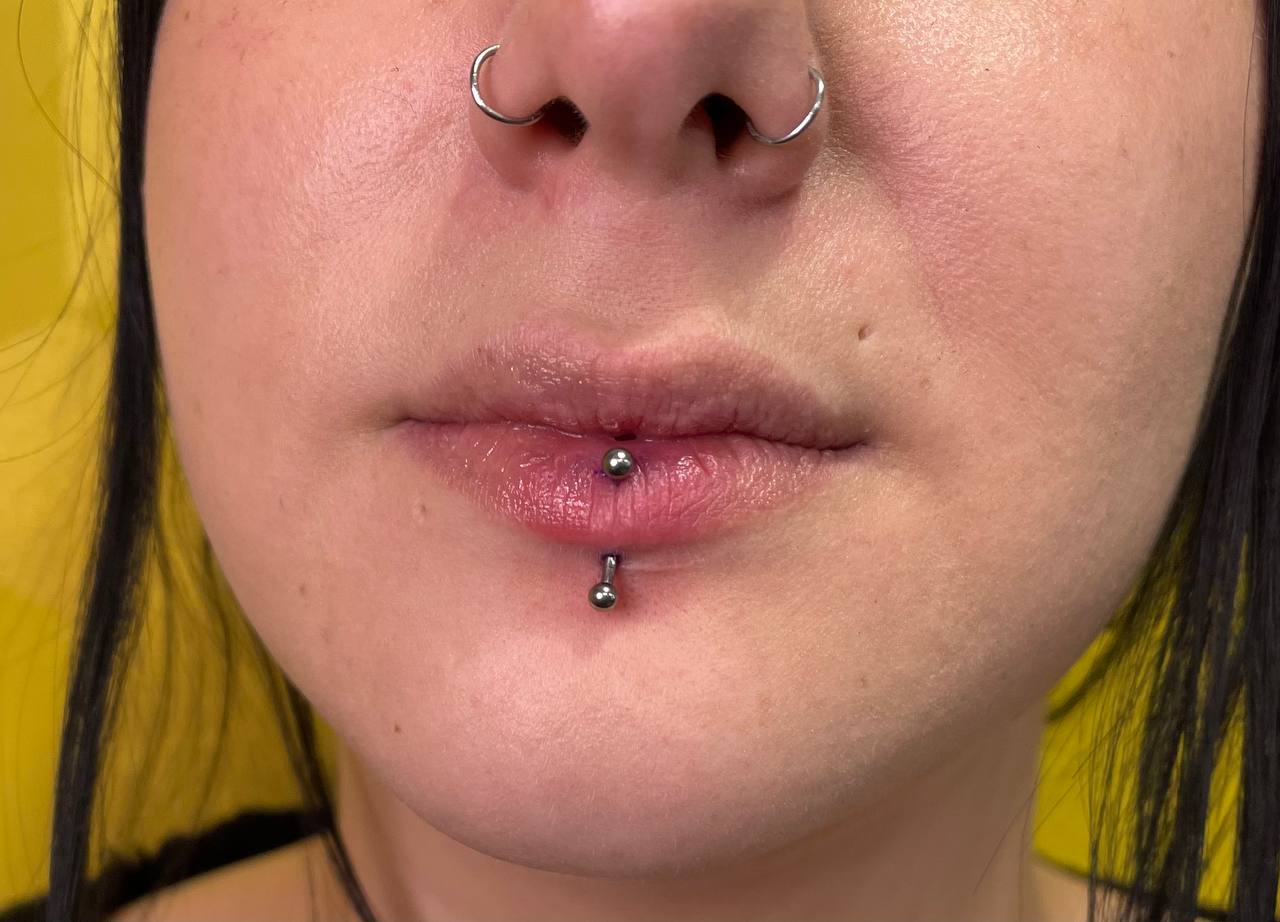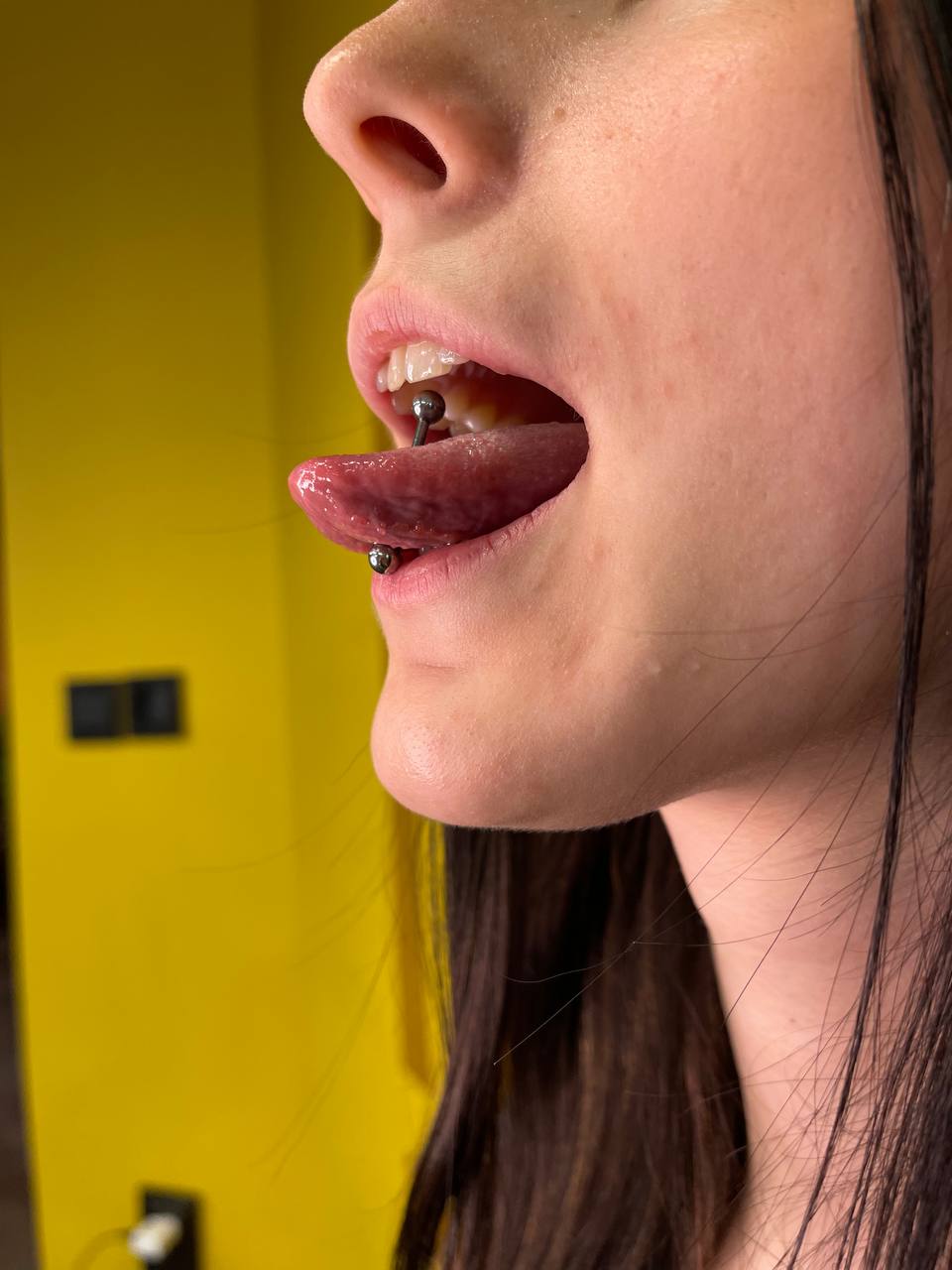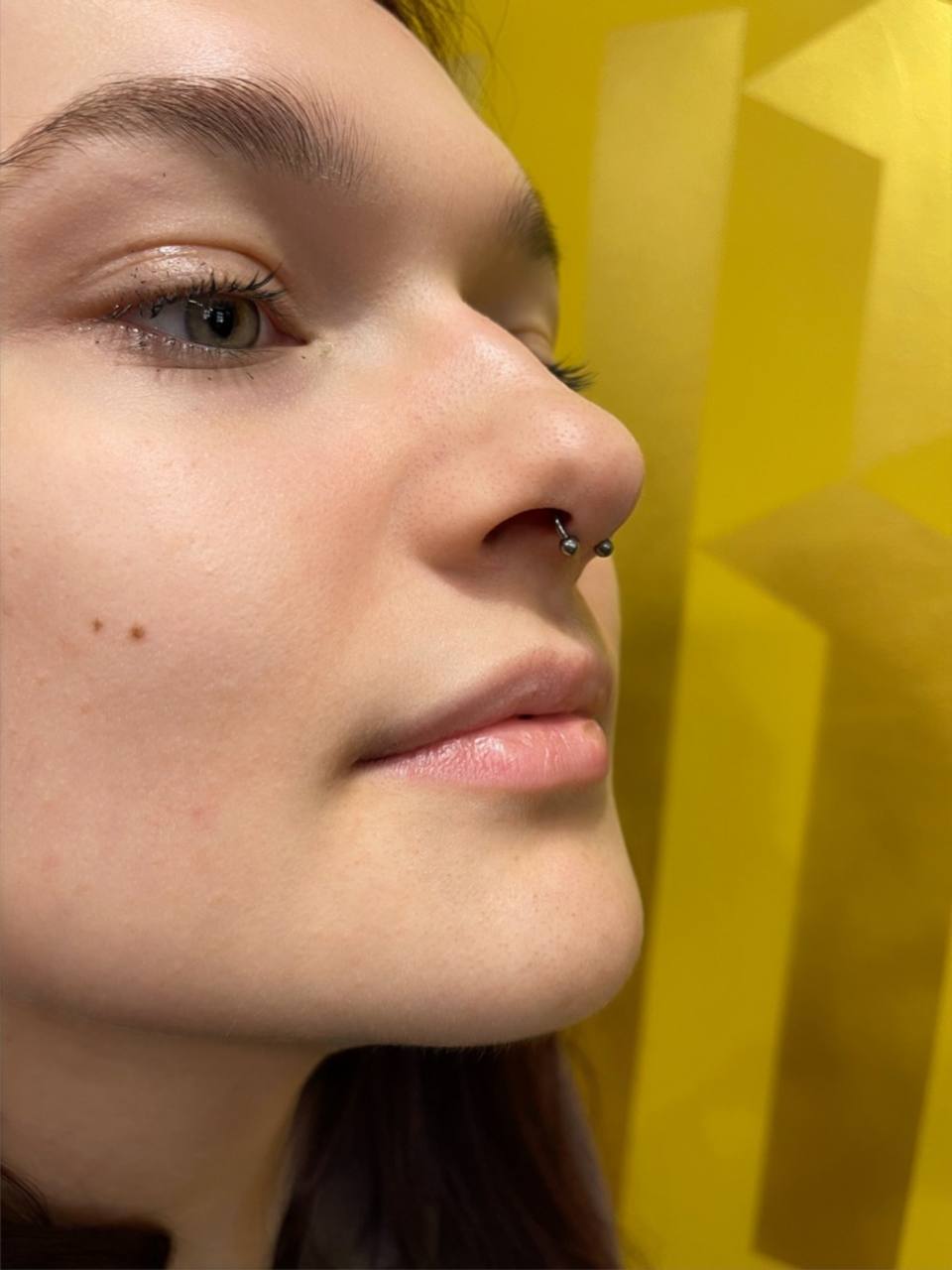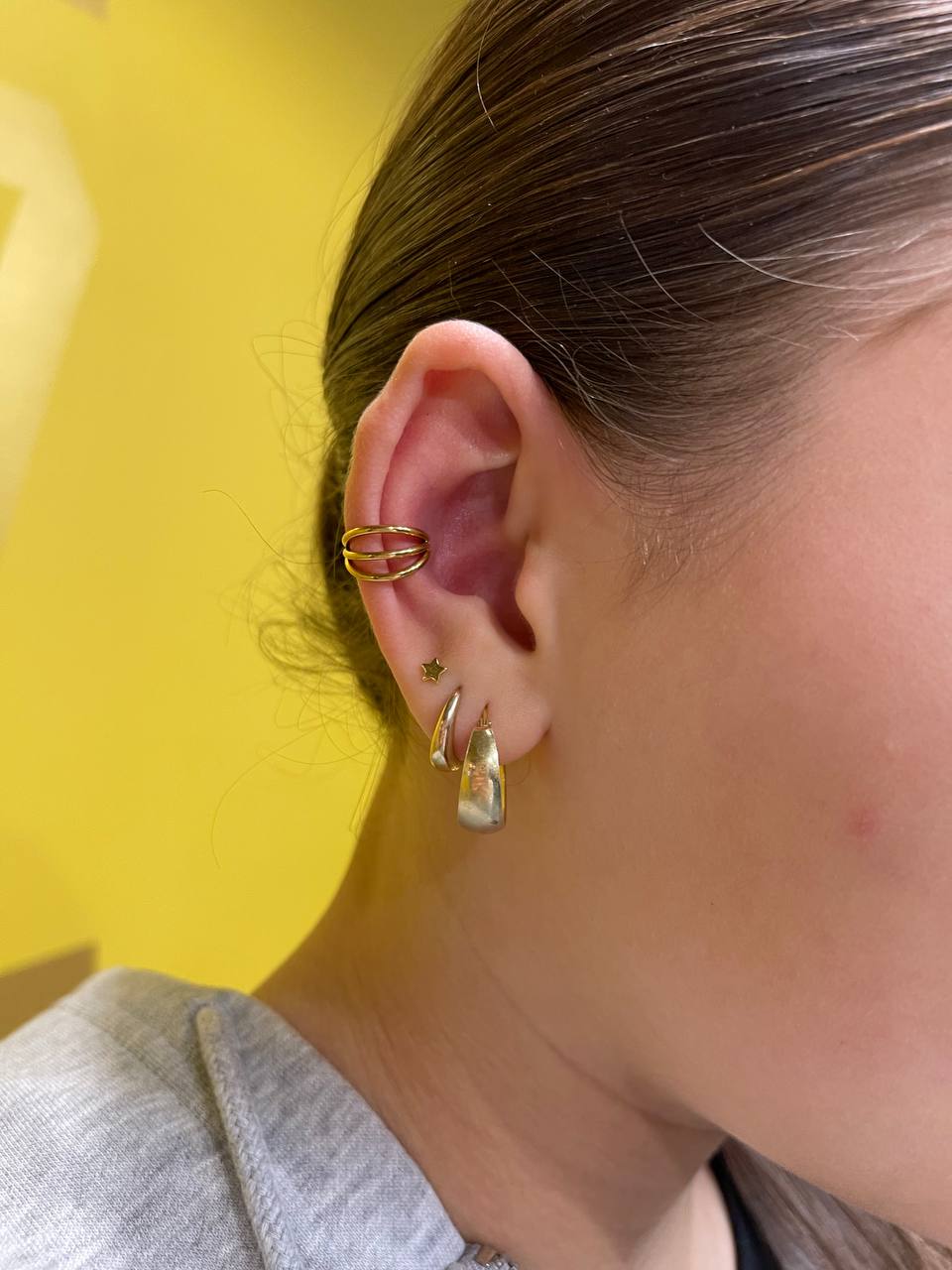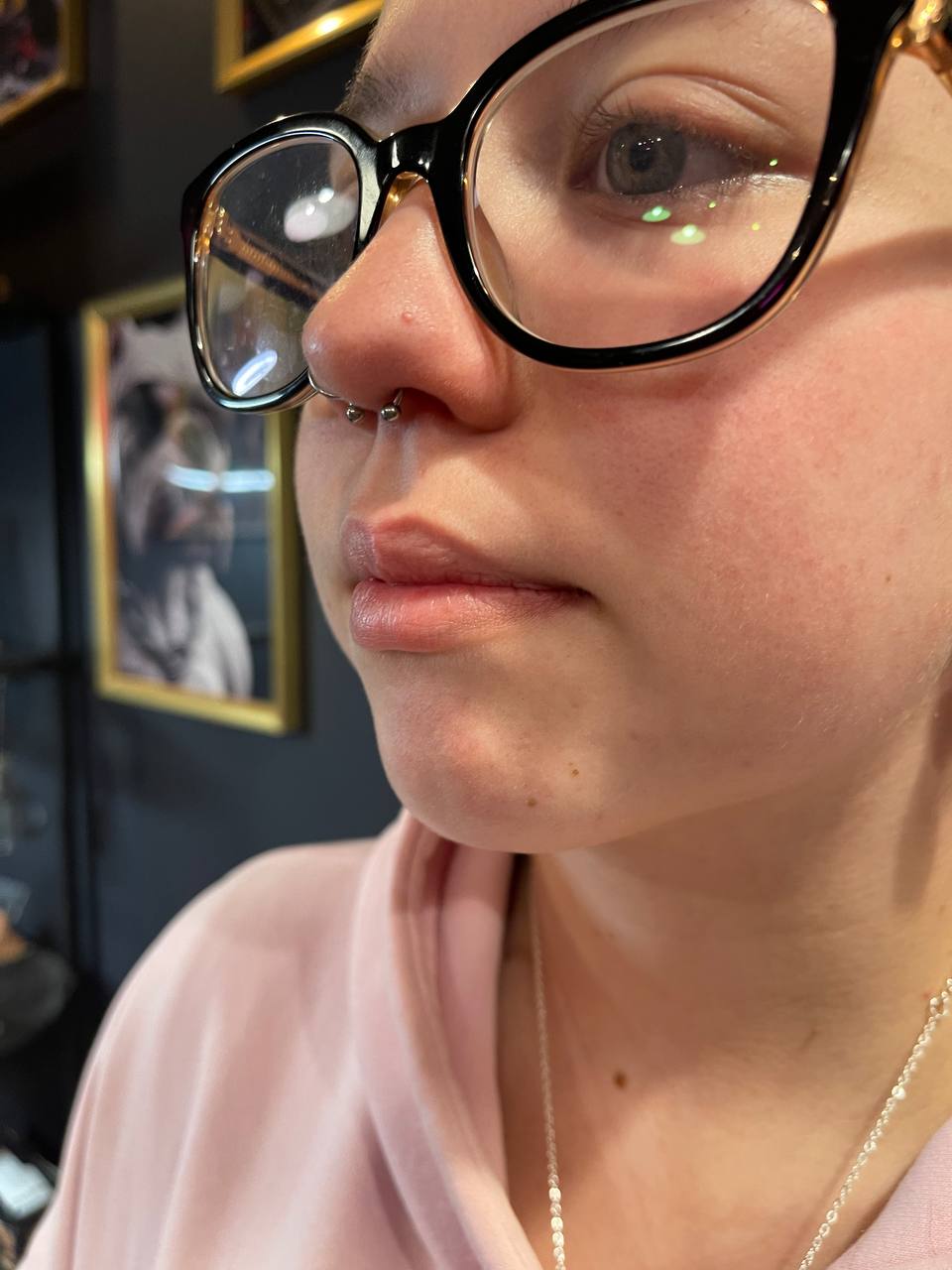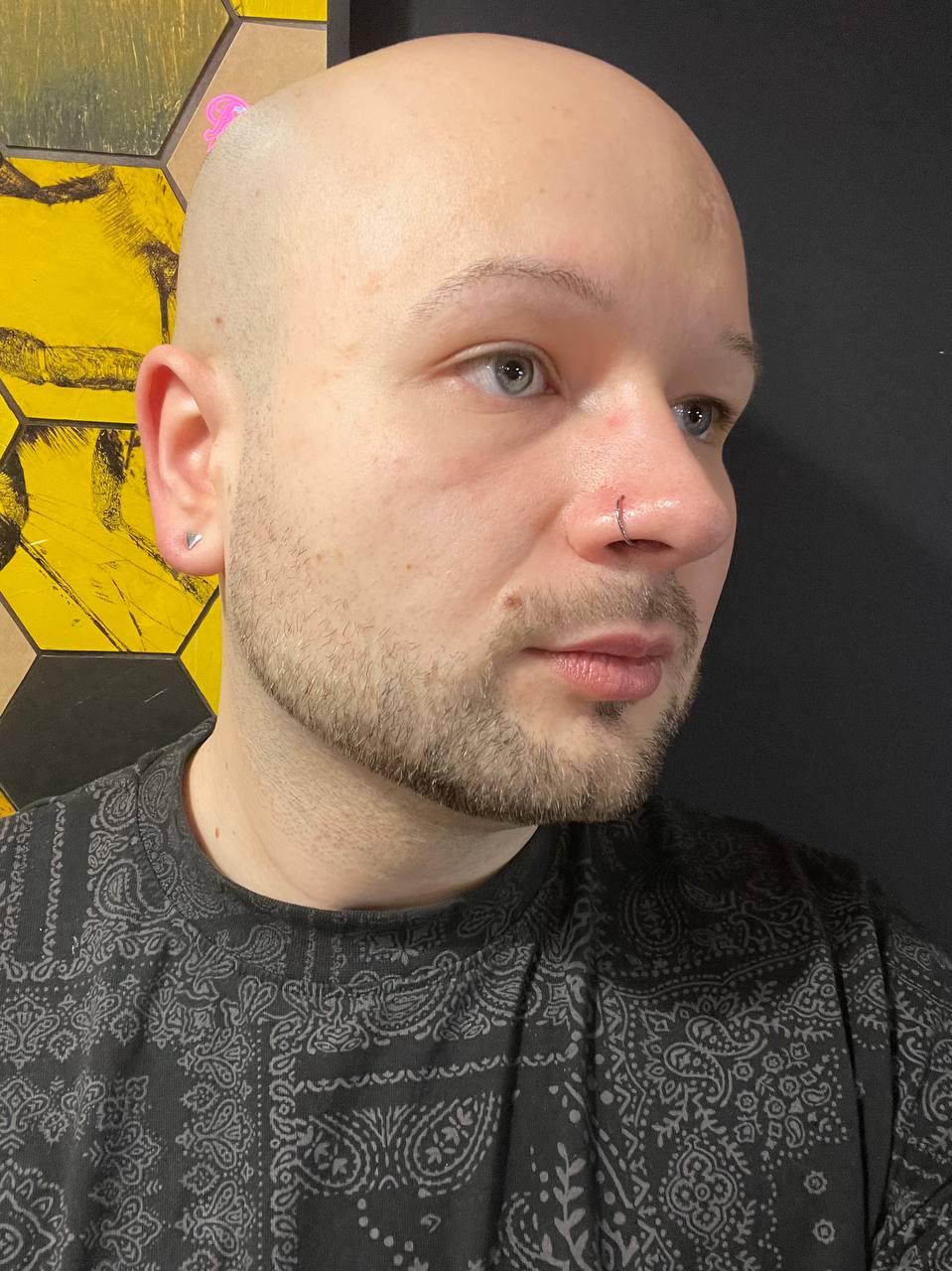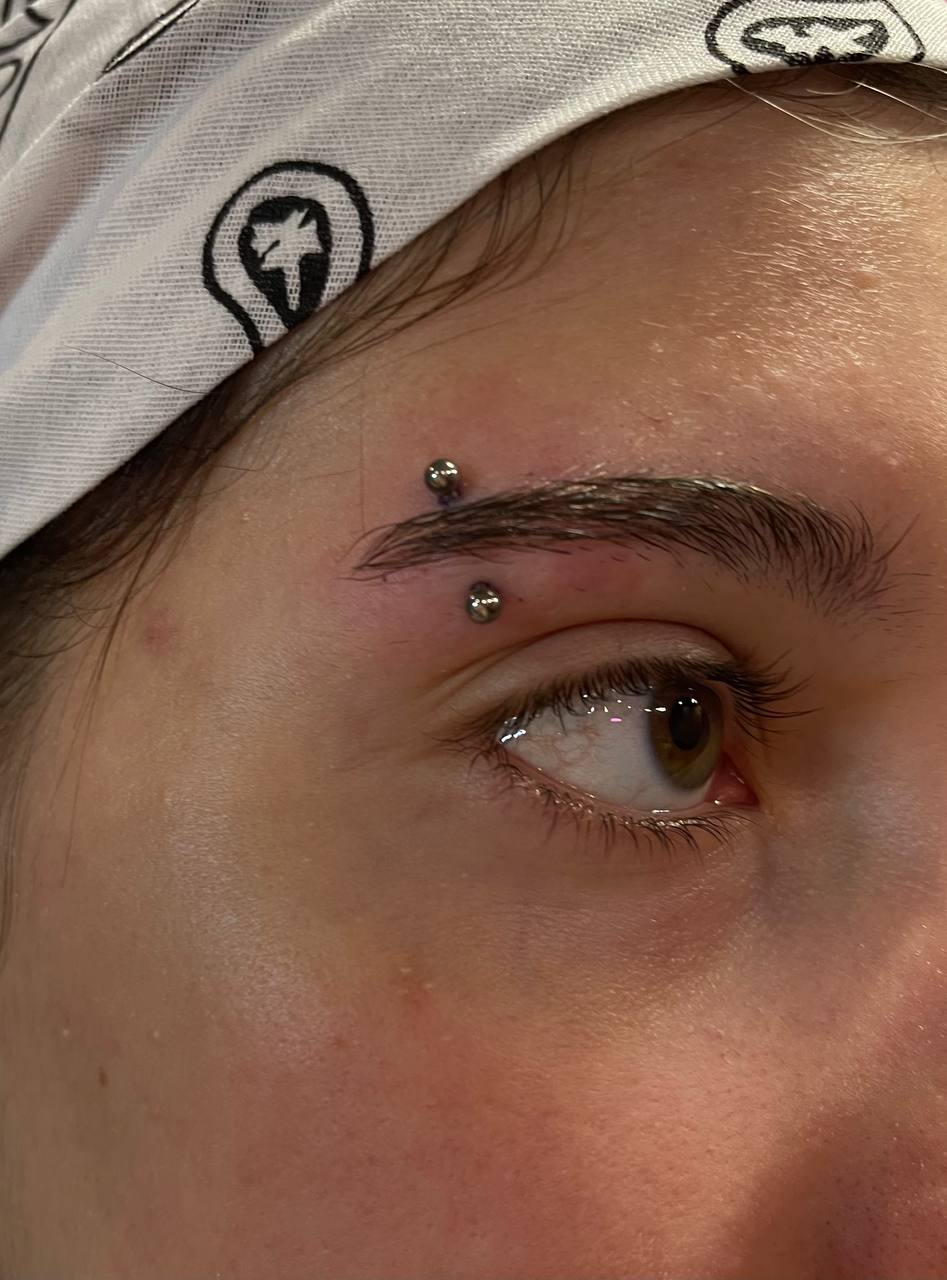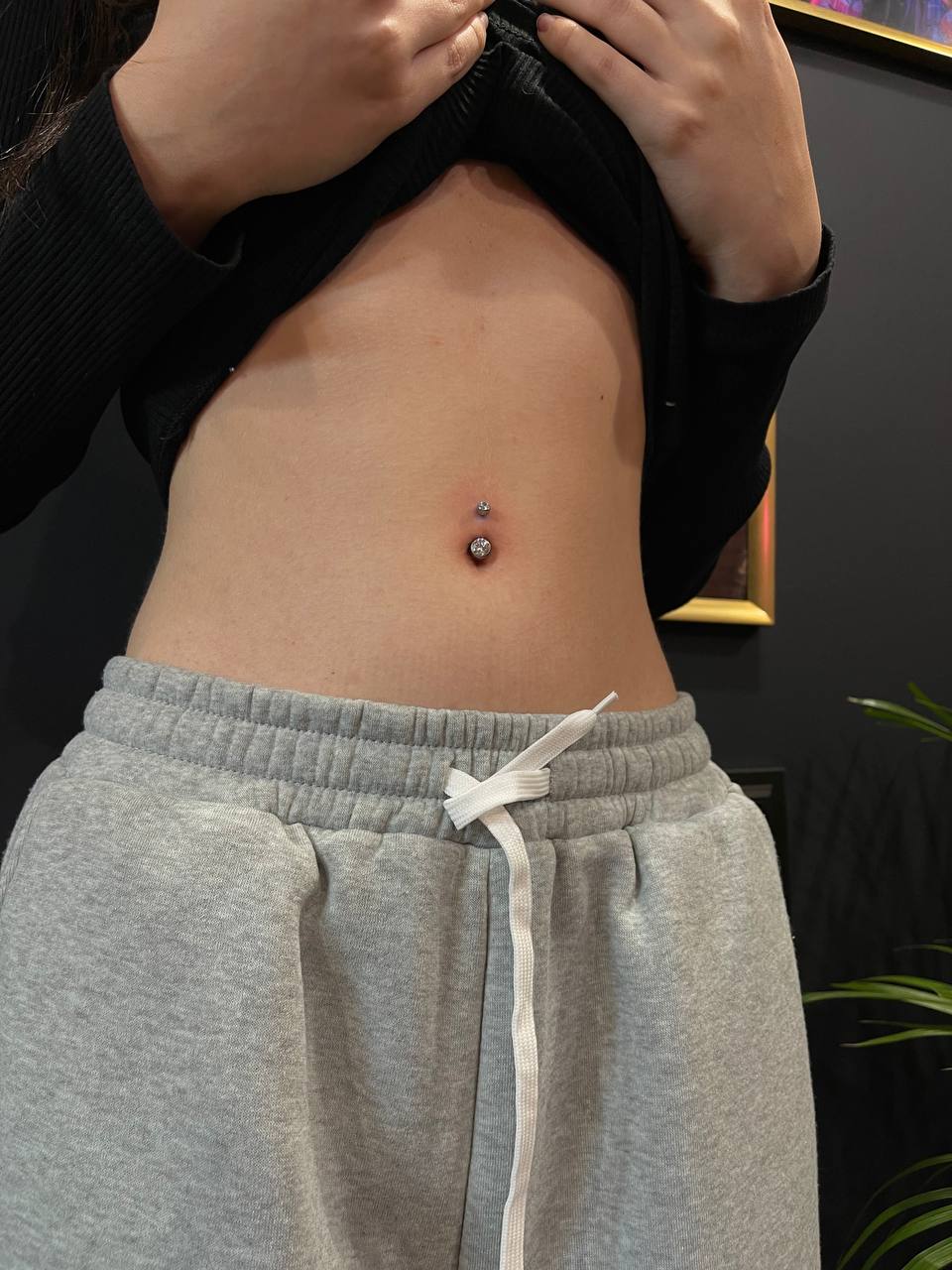
Piercing aftercare
Proper aftercare plays an important role in how well a fresh piercing heals. Find out how to clean your piercing, what to avoid, when to have your jewellery downsized, and when to contact your piercer.
What helps a piercing heal properly?
Three things matter most: a healthy immune system, proper piercing hygiene, and leaving the jewellery alone.
Your body needs enough energy to repair itself during the healing process. Getting enough sleep and rest, staying moderately active, spending time outdoors, reducing stress, and eating a balanced diet with plenty of fruit and vegetables can all support recovery.
If your body is run down or fighting an infection, your piercing may take longer to heal. That is why it is important to look after both the piercing and your general health.
How should I clean an ear, lip, cheek, or bridge piercing?
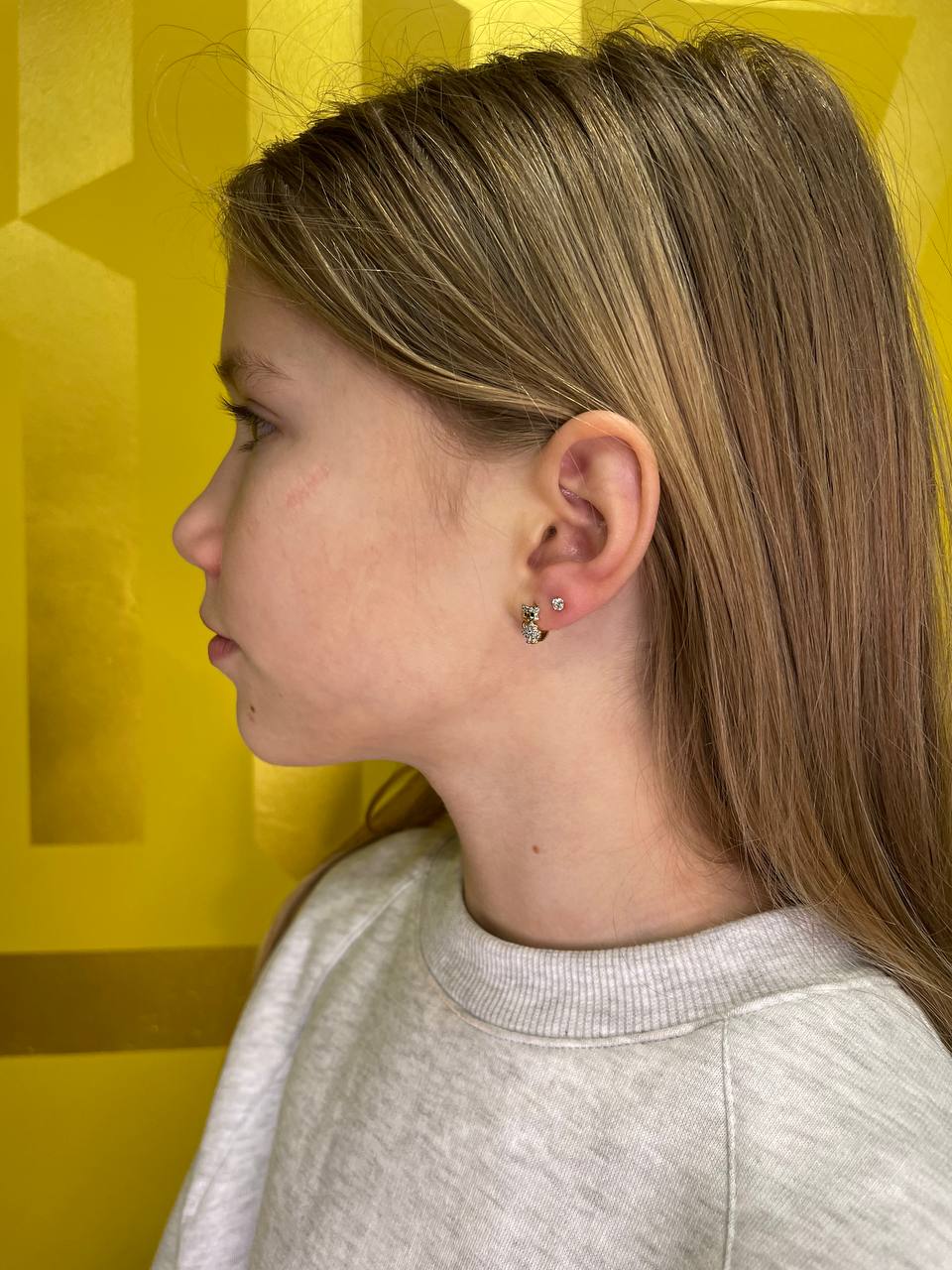
For the first 30 days, clean the outside of the piercing twice a day using an aftercare product recommended by your piercer.
Hold the product about 2–3 cm away from the piercing and press the pump 1–2 times. Allow any dried discharge to soften, then gently remove it with a cotton bud or microbrush. Clean both sides of the piercing. If you cannot remove everything the first time, repeat the process without rubbing the area too hard.
After the first 30 days, cleaning the piercing once a day is usually enough until it has fully healed. Do not use random products—use only those recommended by your piercer.
How should I care for the inside of a tongue, frenulum, lip, or cheek piercing?
For piercings inside the mouth, use a gentle mouthwash that does not contain alcohol, mint, or other irritating ingredients.
During the first week, rinse your mouth for about 30 seconds after every meal. After that, continue rinsing 2–3 times a day.
Some swelling and a white or slightly yellow coating may appear at first. This is a natural part of the healing process. However, if the swelling does not start to go down within a week, contact your piercer.
How should I care for an intimate piercing?
During the first week, gently clean the piercing twice a day—once in the morning and once in the evening. Water and a mild, pH-neutral soap or a product designed for intimate hygiene are all you need.
A small amount of discharge may appear around the piercing. Soften it first and then remove it gently so that it does not rub against the jewellery or interfere with healing.
You may want to use panty liners during the first few days to keep your underwear clean. Some bruising may also appear, but this usually goes away within a few days.
Continue to maintain good hygiene after the first week. Intimate piercings heal differently from person to person and may take several months to heal.
Are swelling, soreness, and discharge normal after a piercing?
Yes. Mild soreness, swelling, redness, and a small amount of discharge are natural parts of the healing process.
Discharge may dry around the jewellery. Do not pull it off. Soften it first and then remove it gently. The amount of discharge depends on the location of the piercing, your body, and how carefully you follow the aftercare routine.
With cartilage piercings, swelling may last for several weeks—sometimes around 40–50 days. Swelling from an oral piercing should gradually start to go down during the first week.
If the pain or swelling gets worse, the jewellery starts becoming embedded, or you are concerned about the appearance of the piercing, contact your piercer.
Can I twist, move, or remove the jewellery?
No. A fresh piercing needs to be left alone. Do not twist, move, remove, or pull the jewellery. Do not play with it using your fingers or tongue.
Any unnecessary movement can damage the forming piercing channel, cause pain, and prolong the healing process.
Do not remove the jewellery yourself. The piercing channel may quickly begin to close, making it impossible to put the jewellery back in without help from your piercer.
Do not sleep on the pierced side, and take care not to catch the jewellery on clothing, towels, or hair.
Which products and cosmetics should I avoid?
Use only the aftercare products recommended by your piercer. Do not apply surgical spirit, hydrogen peroxide, herbal remedies, or random ointments. These products may irritate the fresh wound, damage healing tissue, and prolong the recovery process.
For oral piercings, do not use mouthwash containing alcohol, mint, or other harsh ingredients.
Keep external piercings away from scrubs, lotions, creams, shampoos, makeup, and other cosmetics. If these products enter the piercing channel, they may cause irritation, inflammation, or an allergic reaction.
What is downsizing, and when should it be done?
Downsizing means replacing the longer initial jewellery post with a shorter one. Longer jewellery is used during the piercing procedure to leave enough room for natural swelling.
For many piercings, downsizing is carried out after about 25–35 days, once the swelling has gone down. The exact timing depends on the location of the piercing and how well it is healing.
The jewellery should always be changed by a professional piercer. Do not attempt to do it yourself, as you may damage the piercing channel, irritate the tissue, or introduce an infection.
What can happen if I do not have my jewellery downsized?
Jewellery that is too long may repeatedly catch on clothing, towels, or hair. This can interfere with healing and cause painful irritation bumps around the piercing.
Long jewellery may also affect the position of the piercing channel. This increases the risk of migration, where the piercing gradually shifts, or causes it to heal at an unwanted angle.
After proper downsizing, the jewellery will be more stable, less likely to catch on things, and more comfortable while the piercing continues to heal.
When can I return to the gym, swimming pool, or sauna?
Avoid intense physical activity for at least the first week. Increased blood flow may make swelling, soreness, or bleeding worse.
Avoid hot baths, saunas, steam rooms, and swimming pools for about one month. You should also avoid swimming in lakes and rivers, as the water may increase the risk of irritation or infection.
Take showers during this time and avoid soaking the piercing for longer than necessary when cleaning it.
What should I avoid after a tongue, lip, cheek, or frenulum piercing?
For the first 1–2 weeks, avoid very acidic, salty, bitter, spicy, or hot foods. They may irritate the fresh piercing and cause additional discomfort.
During the first week, avoid smoking, hot coffee, and alcohol. These may increase irritation and swelling and prolong the healing process.
Do not put dirty hands in your mouth or play with the jewellery using your tongue. After a tongue piercing, the longer barbell usually needs to be replaced with a shorter one at around the third week. This makes eating and speaking easier and reduces the risk of damage to your teeth and gums.
How long should I avoid sex after getting a piercing?
After a tongue or frenulum piercing, avoid oral sex for around 3 weeks or until the longer barbell has been replaced with a shorter one. A fresh piercing is an open wound, so contact with bodily fluids increases the risk of irritation and infection.
After an intimate piercing, avoid sex and masturbation for at least 2.5 weeks. Friction, pressure, and movement of the jewellery may damage the healing tissue.
When you return to sexual activity, be careful and avoid anything that causes pain, pulling, or pressure around the piercing.
When should I contact my piercer?
Contact your piercer if the swelling does not start to go down, the pain becomes more severe, or the jewellery starts becoming embedded in the skin.
You should also arrange a consultation if persistent irritation bumps appear around the piercing, the jewellery repeatedly catches on clothing, the piercing channel changes angle, or the piercing begins to migrate.
Do not remove the jewellery or try to replace the post yourself. Your piercer can assess the healing process and decide whether the jewellery or aftercare routine needs to be changed.
Important general guidelines
- Wash your hands thoroughly before cleaning the piercing.
- Do not twist, move, or remove the jewellery.
- Do not sleep on the side of a fresh piercing.
- Use only the aftercare products recommended by your piercer.
- Protect the piercing from cosmetics, dirt, and injury.
- Do not allow animals to touch a fresh piercing.
- Keep bodily fluids away from the piercing.
- Have your jewellery downsized when recommended by your piercer.
- Contact a specialist if you notice any worrying symptoms.