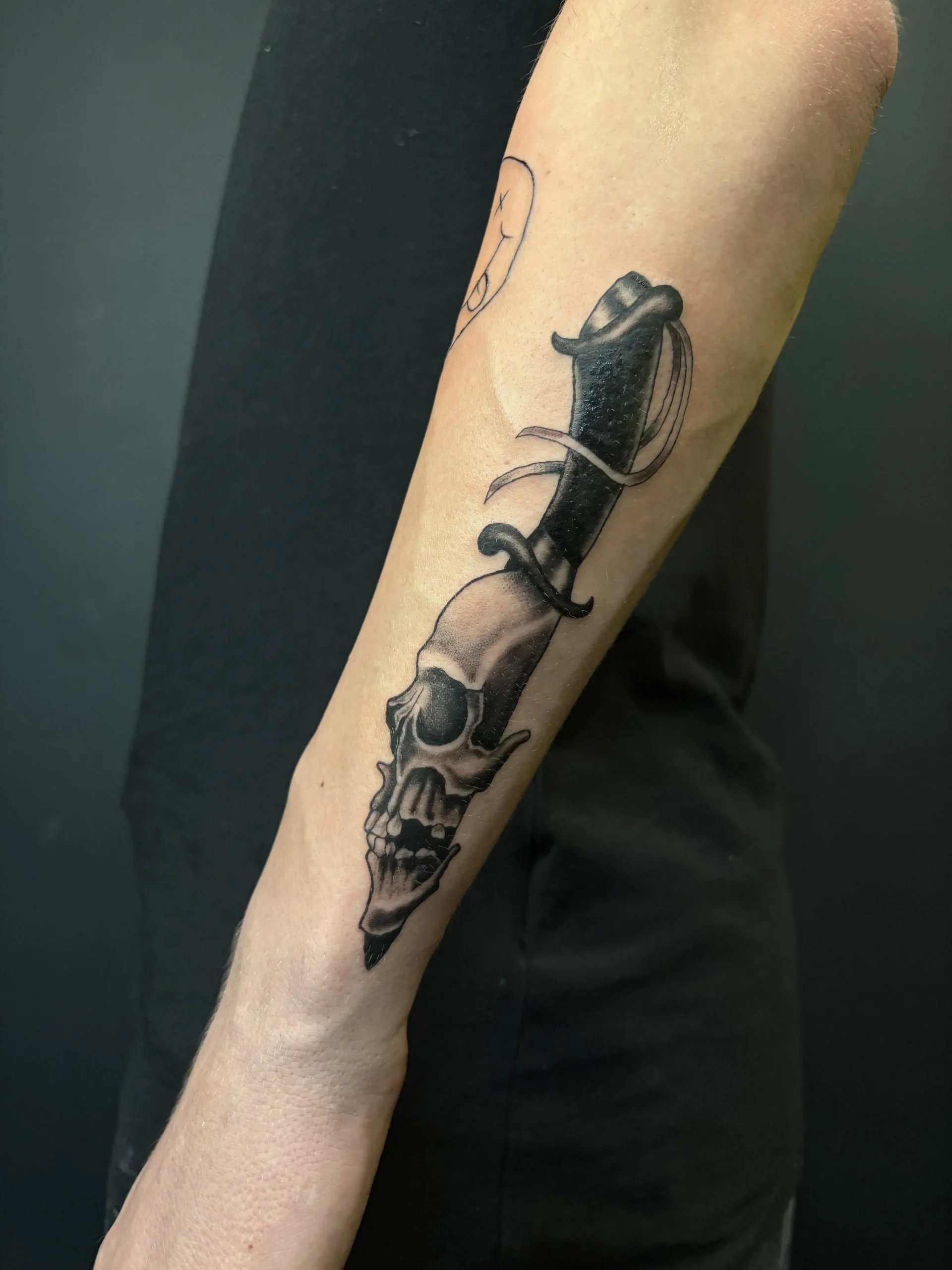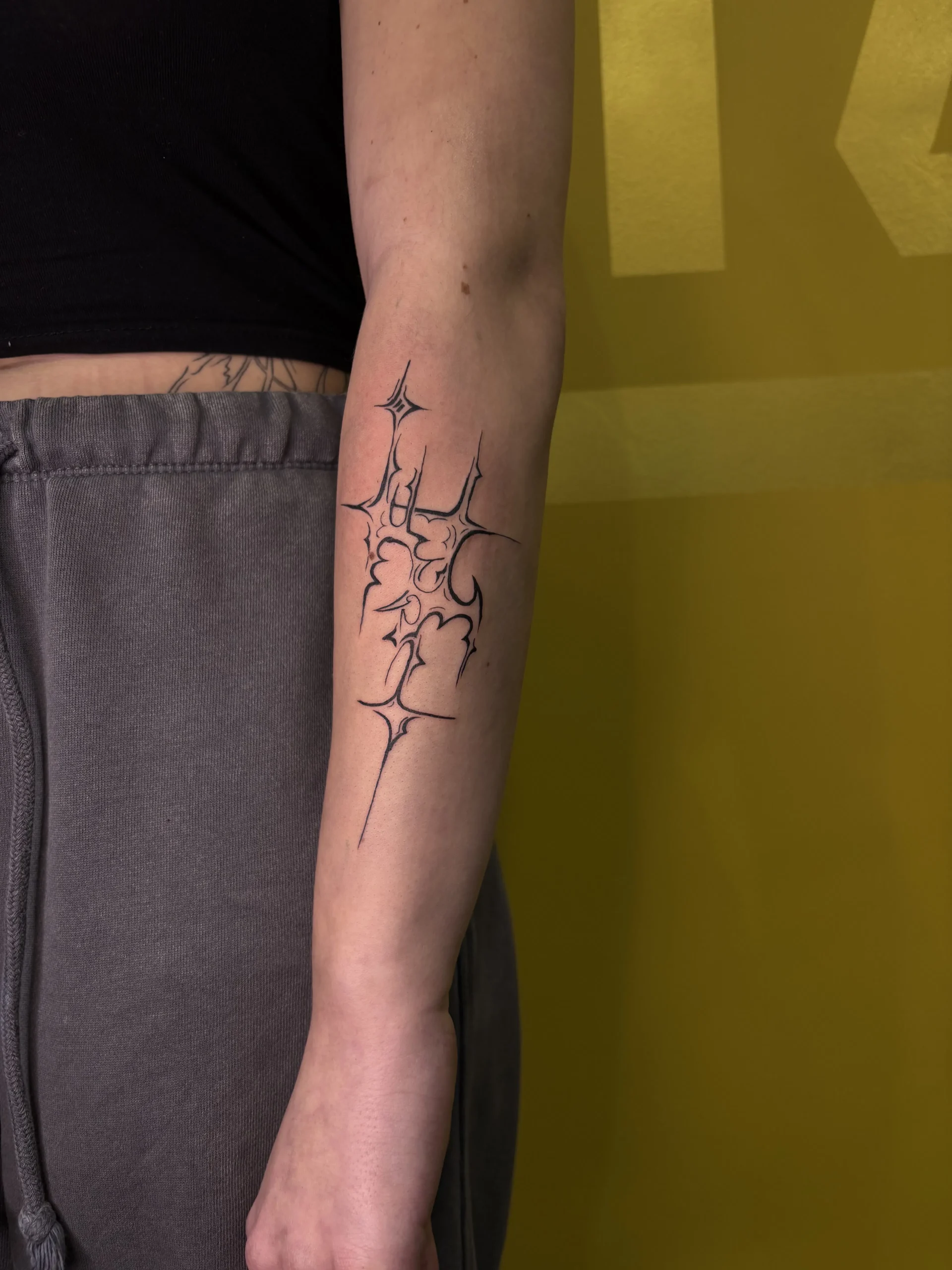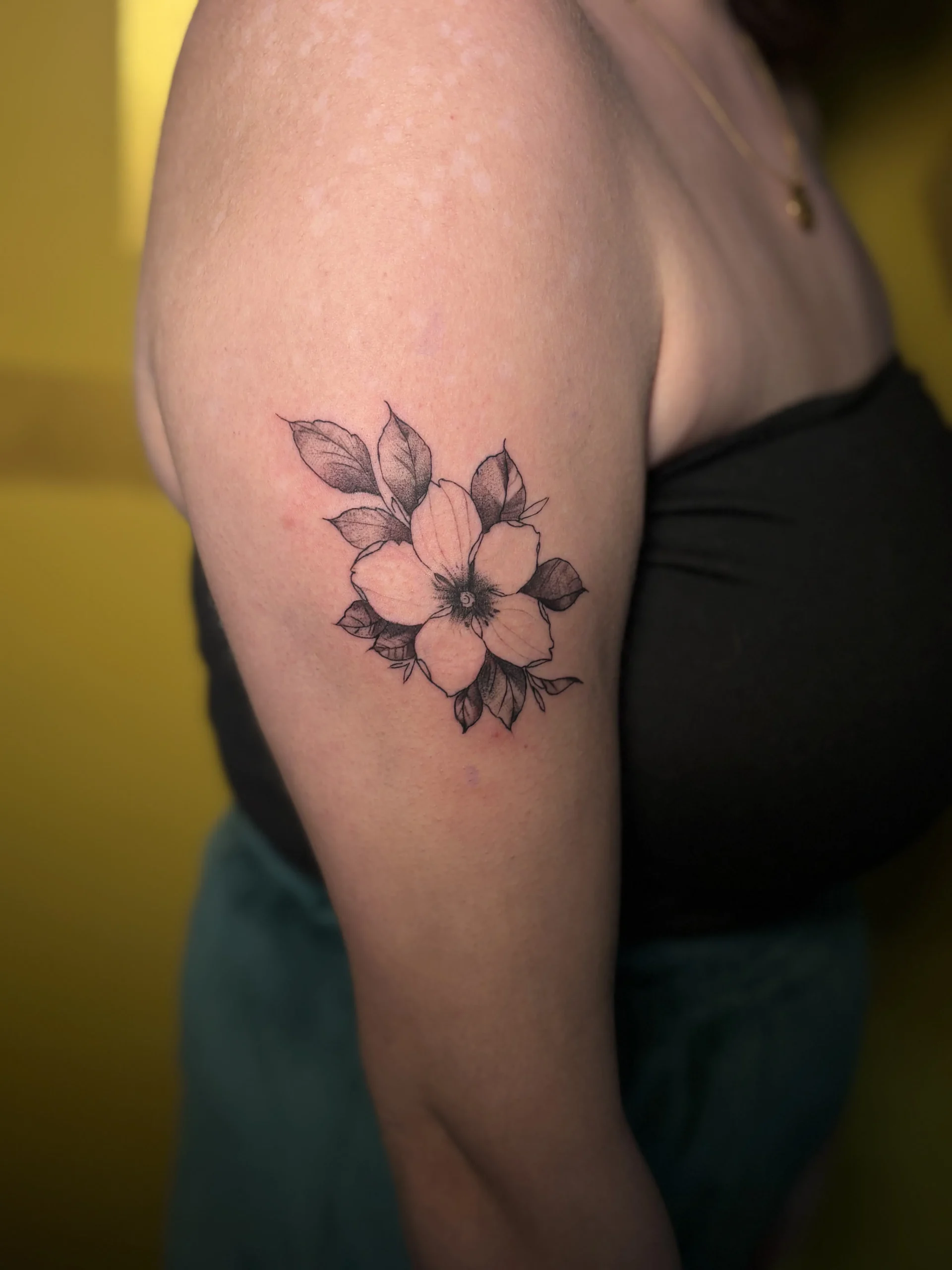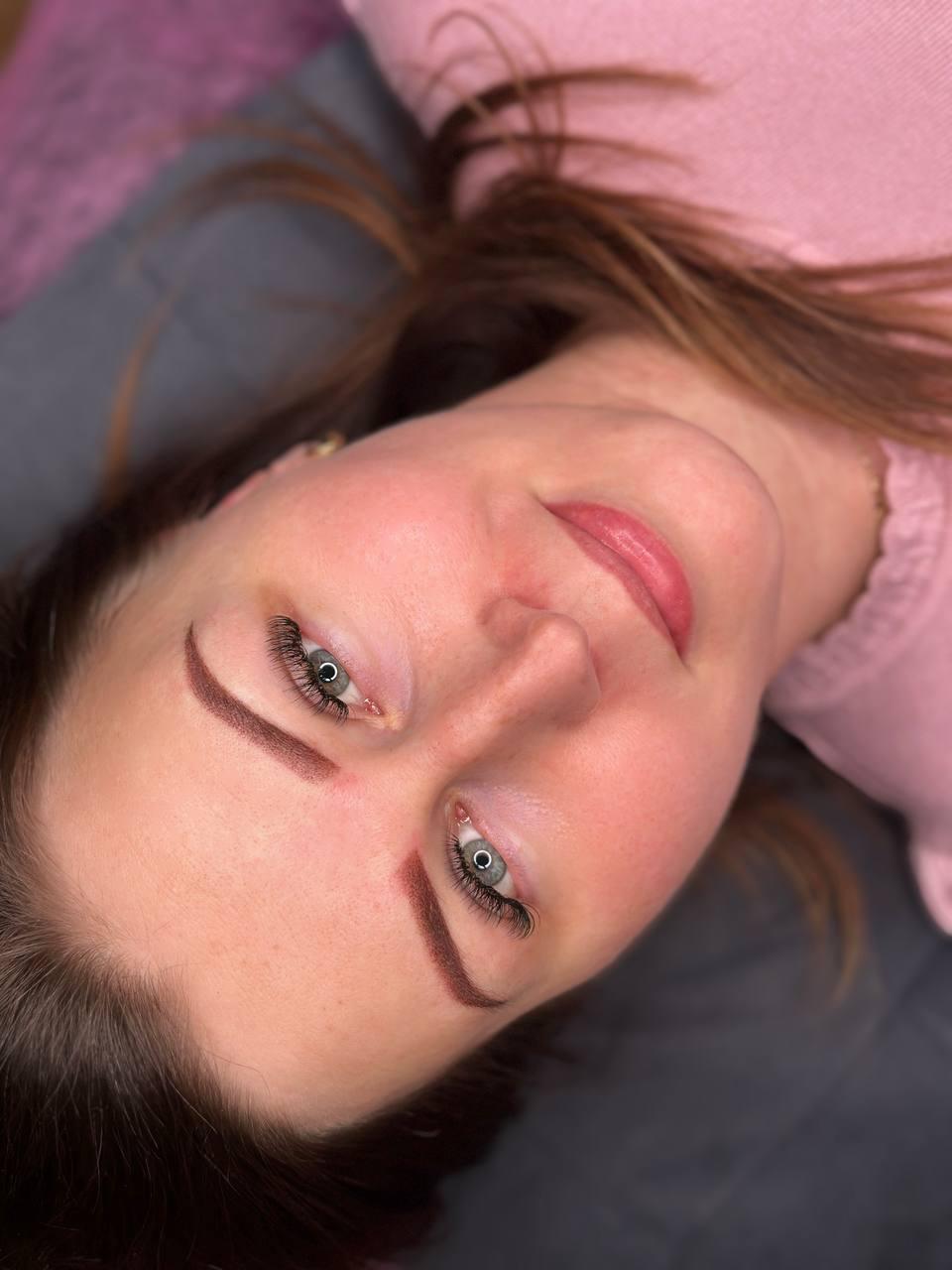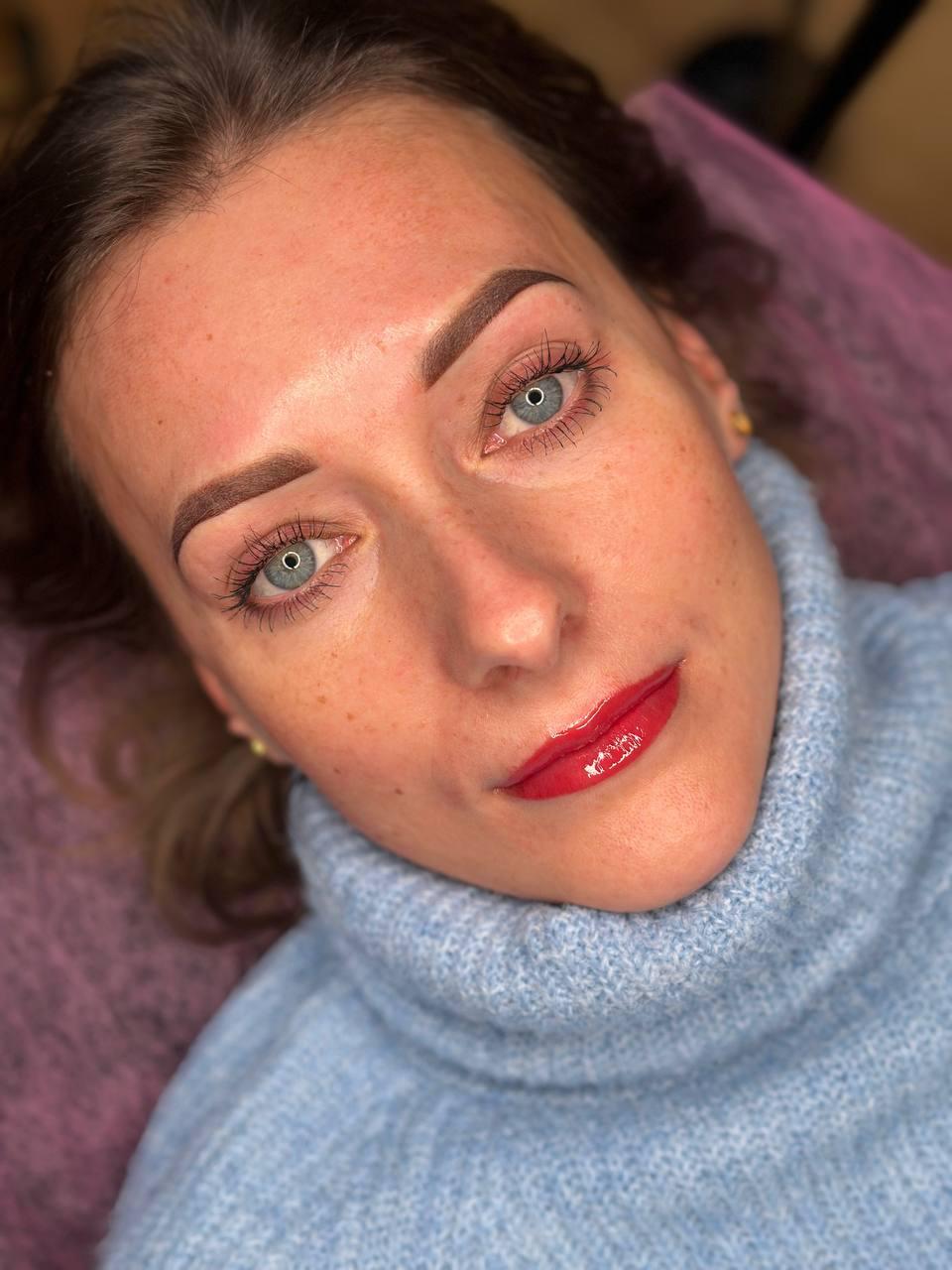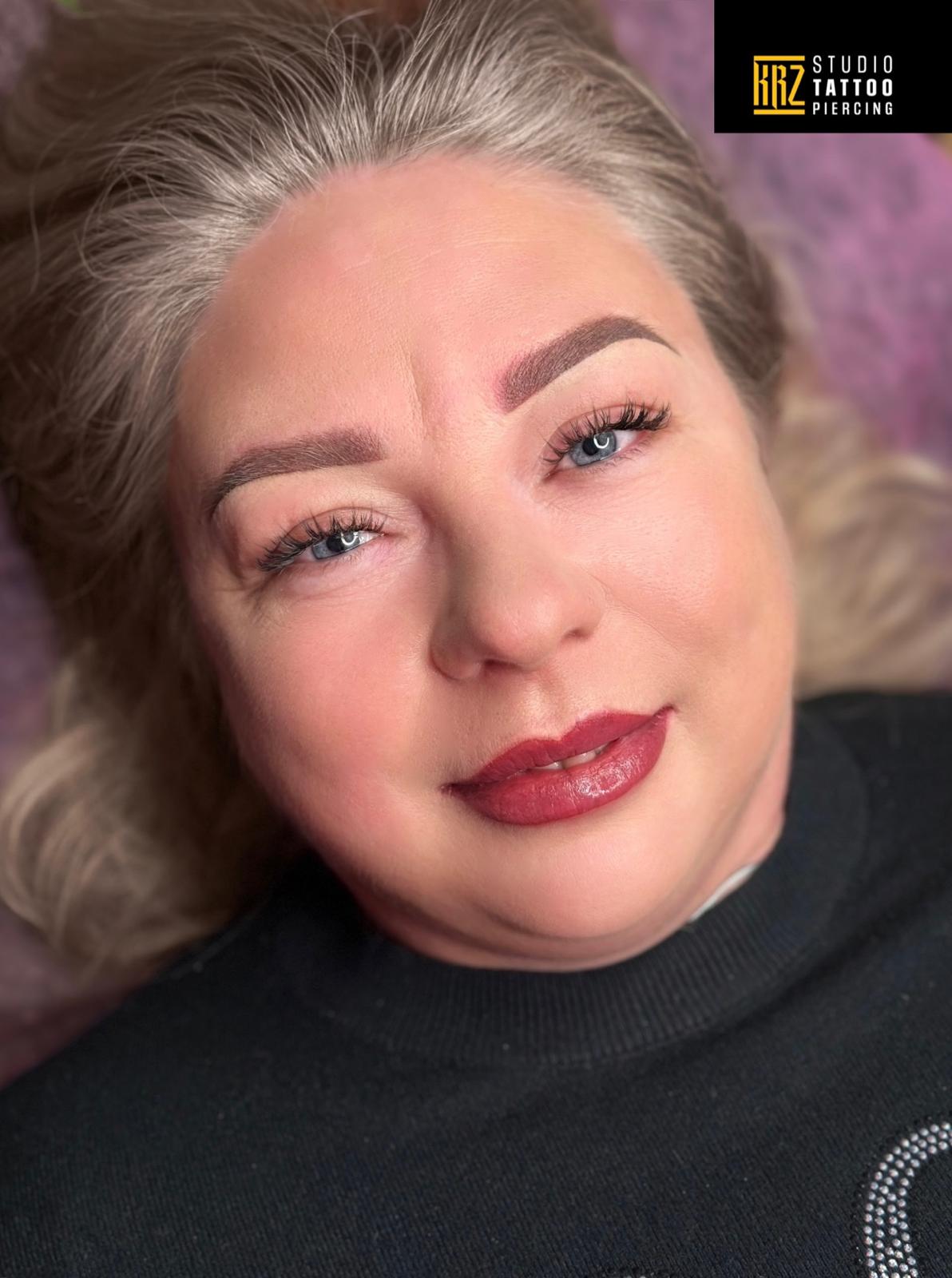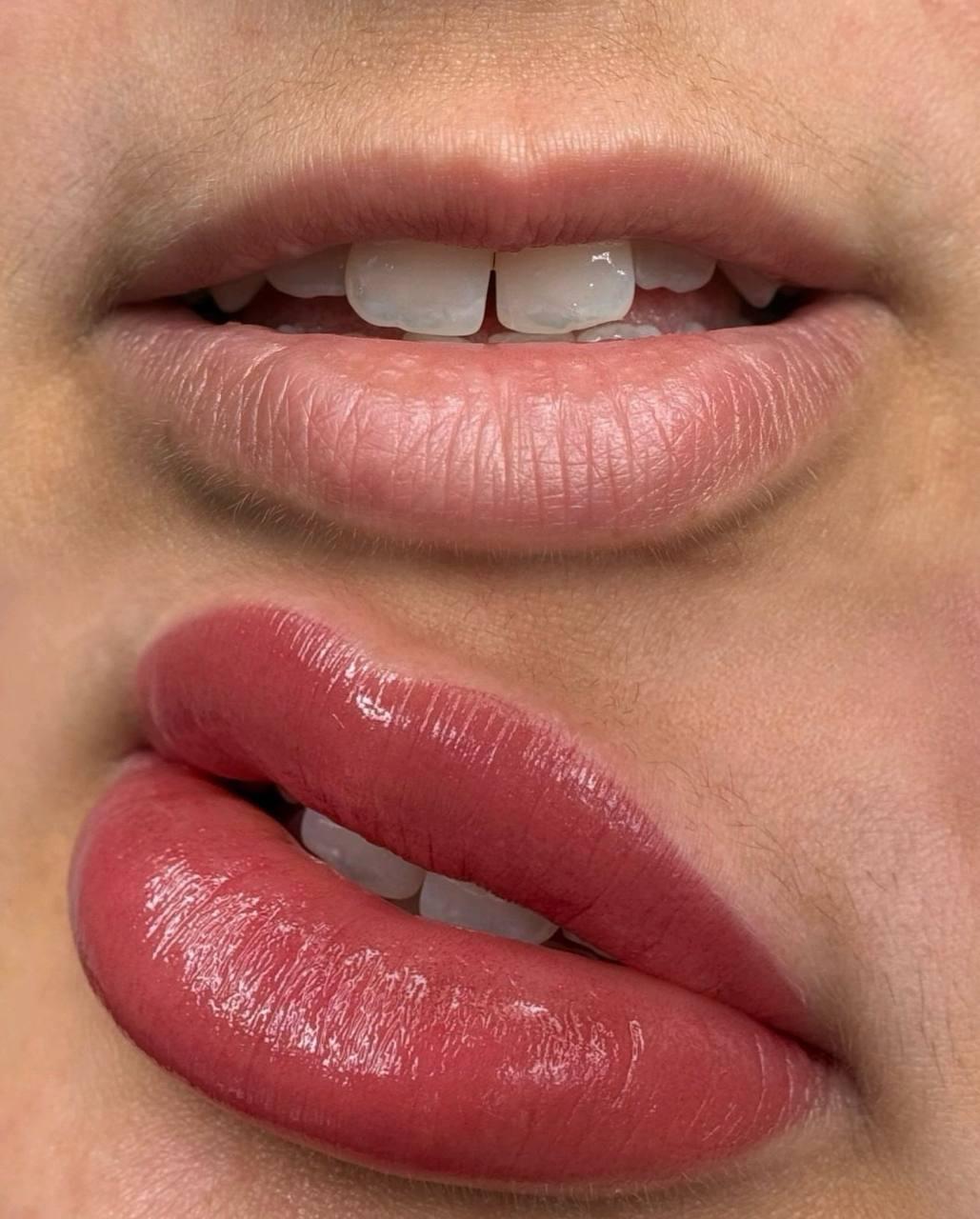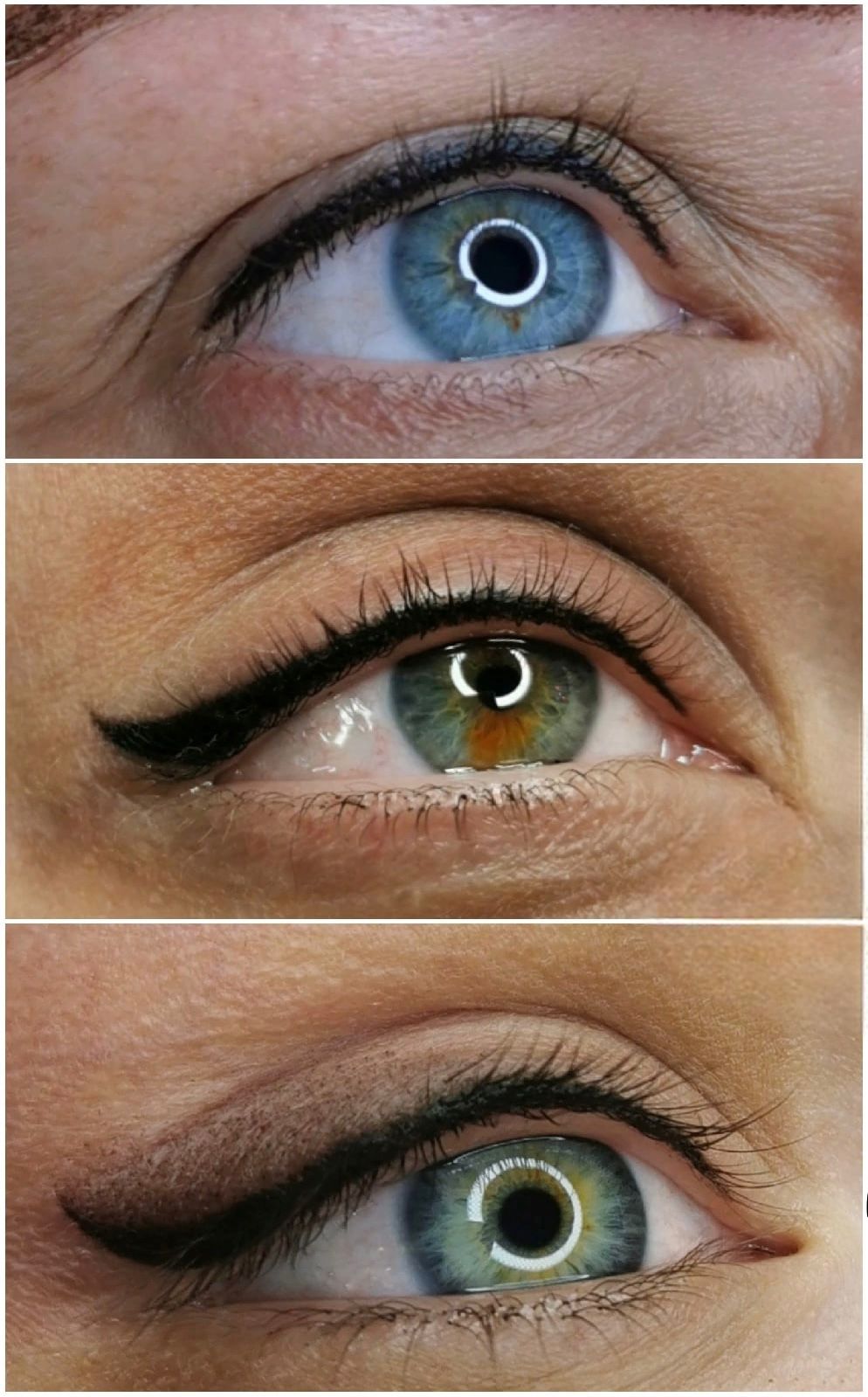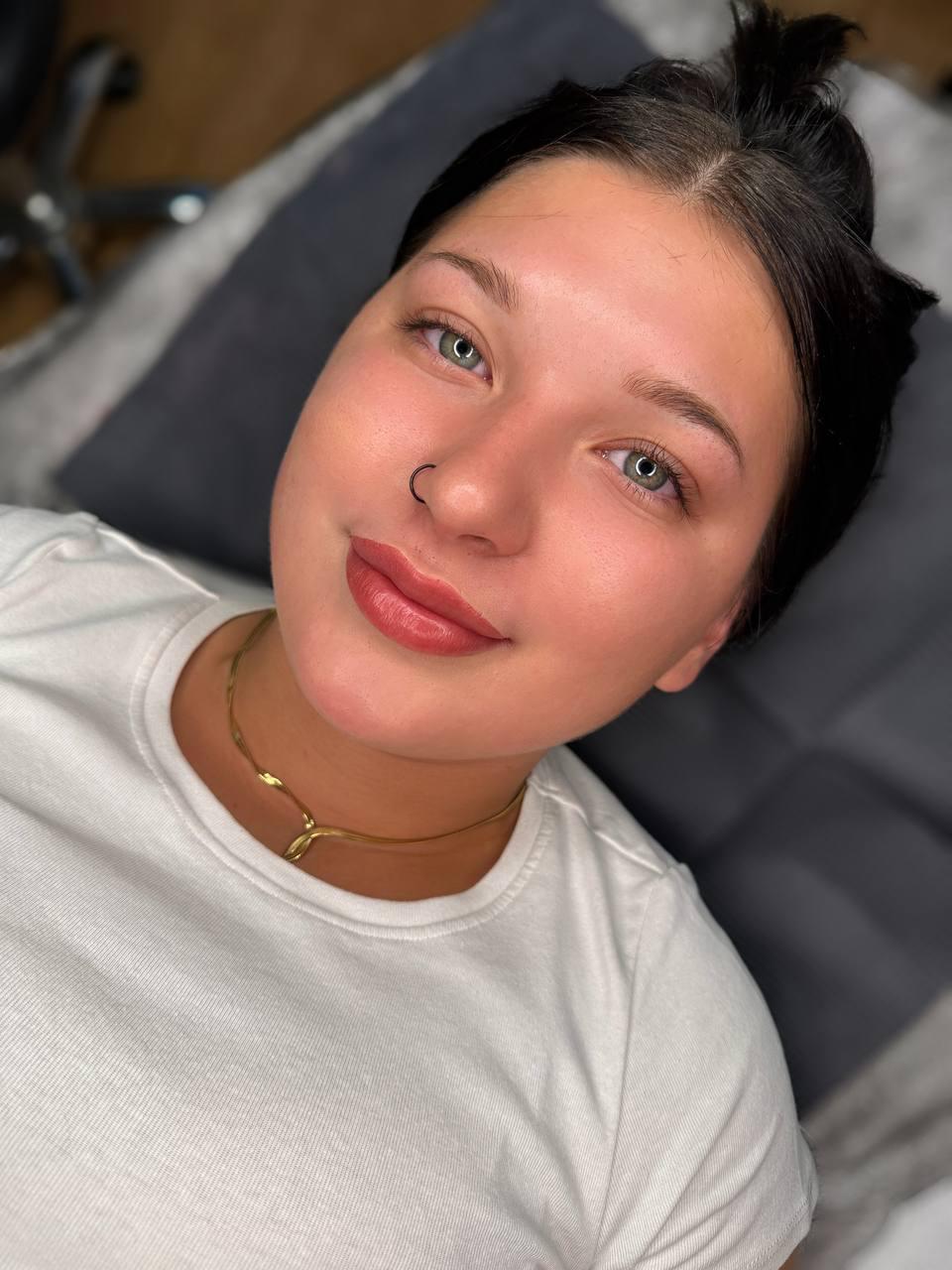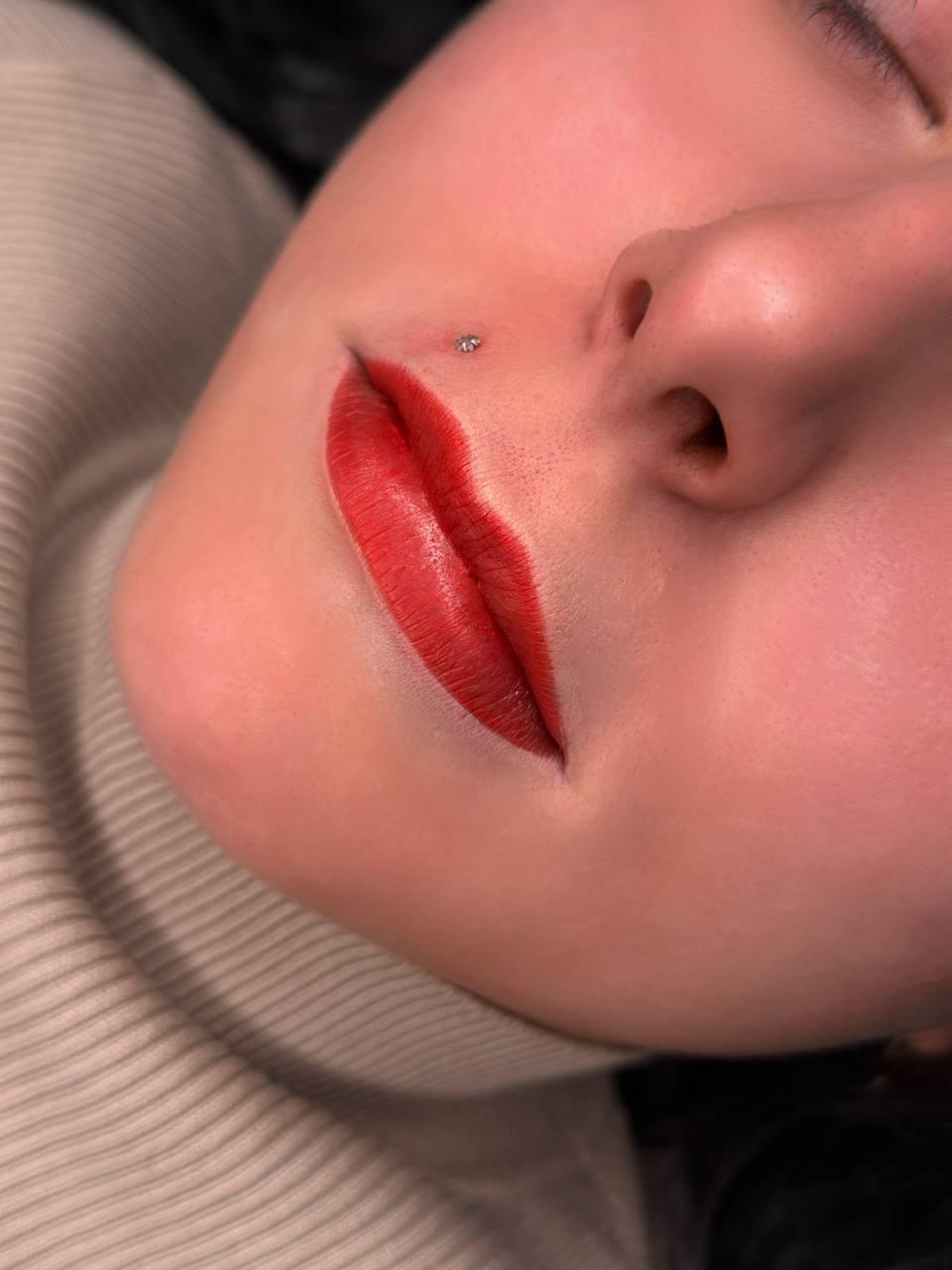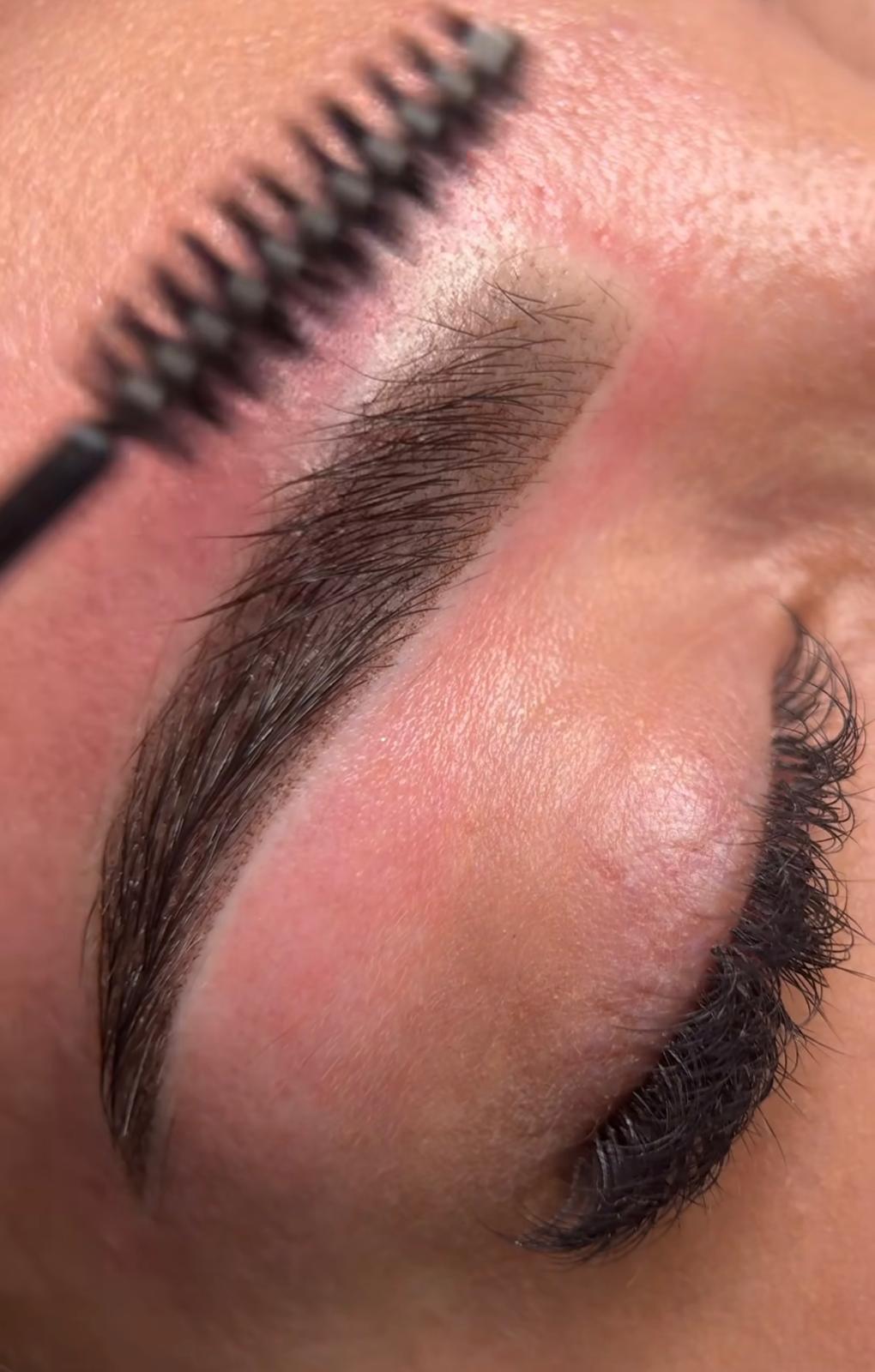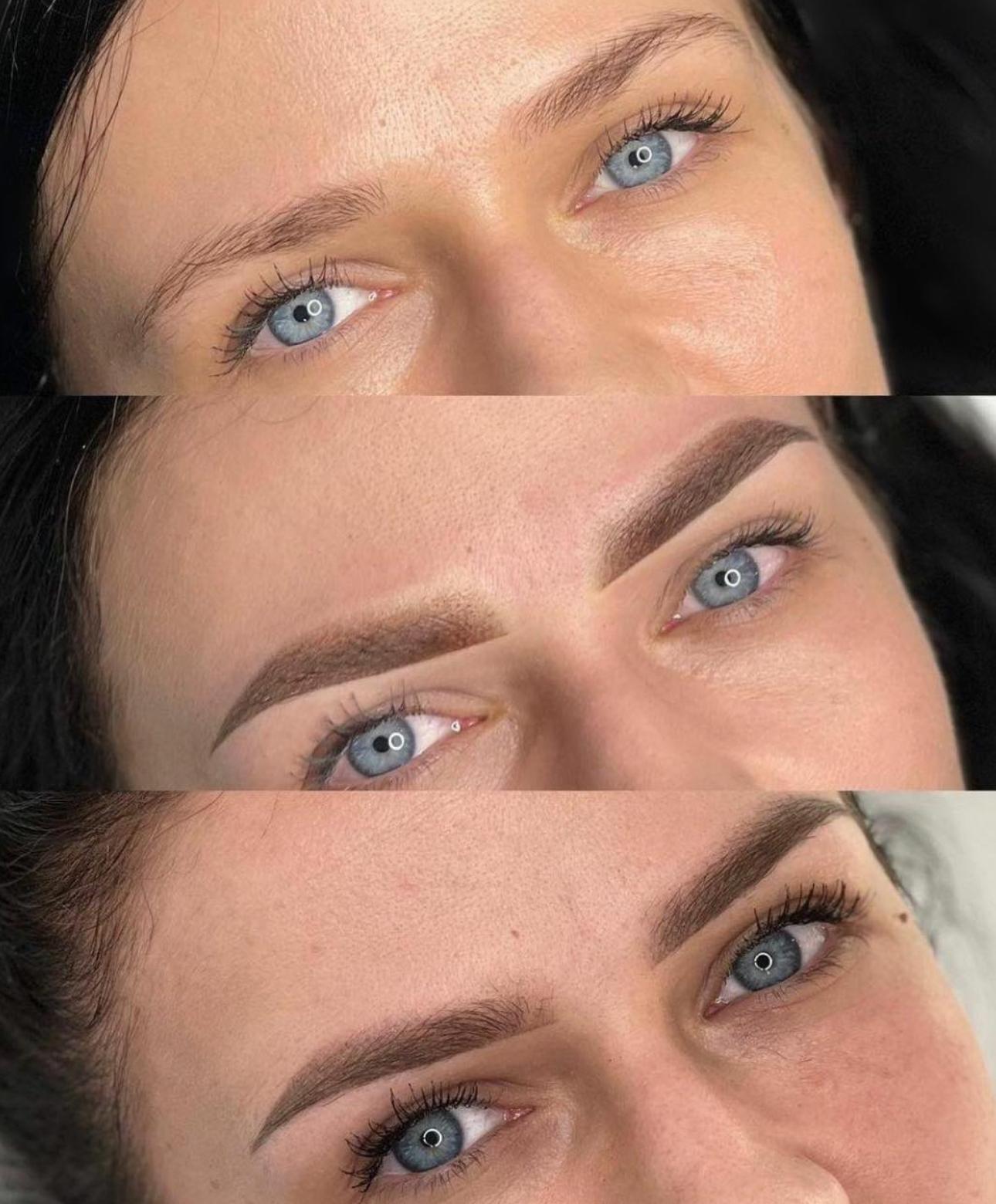
“I have oily skin, so permanent makeup definitely won’t last on me.” Or the opposite: “My skin is dry, so the pigment will look perfect for years.” These are things we hear surprisingly often before a treatment. The problem is that skin simply doesn’t work according to such a straightforward formula.
Permanent makeup and skin type is an important topic because sebum production, hydration levels, pore visibility, sensitivity, skin thickness and the way the skin heals can all influence both the artist’s work and the final healed result. That doesn’t mean one skin type is “suitable” for pigmentation while another isn’t.
A much better question is: how should the technique, intensity and expectations be adapted to your individual skin? That’s exactly what should be discussed during your consultation before the treatment.
Permanent makeup and skin type – why does it matter?
Permanent makeup involves implanting pigment into the skin using a fine needle or cartridge. This means the result doesn’t simply sit on the surface like an eyebrow pencil or pomade. The pigment is placed into living tissue, which then goes through a healing process as the colour gradually settles.
Dry, oily and combination skin differ in several ways, including sebum production, texture and the behaviour of the outermost layer of the skin. Research into skin physiology shows that oily skin has more active sebaceous glands and usually more visible pores, while dry skin is more likely to show increased surface flaking. This isn’t a direct “PMU longevity test”, but it helps explain why a permanent makeup artist shouldn’t work in exactly the same way on every skin type.
If you’re interested in permanent makeup in Katowice, your consultation should cover more than just your preferred colour and shape. It’s also worth explaining how your skin behaves day to day.
Is saying “I have oily skin” enough?
Not necessarily. Two people with oily skin can have completely different skin around their eyebrows. One may have large pores and significant oiliness throughout the T-zone, while another only gets a slight shine on the forehead. One may use retinoids and acids regularly, while the other barely uses any active skincare ingredients at all.
That’s why, before PMU, the actual condition of the skin in the treatment area matters more than the label itself.
Dry skin – how can it behave during pigmentation?
Dry skin is often considered “easy” to pigment because it usually produces less sebum and may have a finer pore structure. In practice, it can indeed allow for a very clean and precise result — but only when the skin is in good condition.
If the skin is extremely dry, flaky, irritated or compromised by intensive skincare, working on it can be more difficult. Pigmenting skin that is cracking and heavily peeling is far from ideal.
Does dry skin retain pigment for longer?
You’ll often hear this claim, but it shouldn’t be treated as a guarantee. Longevity depends on many other factors, including working depth, pigment composition, UV exposure, metabolism, skincare, skin age, previous treatments and how often the PMU is refreshed.
Dry skin can produce a very attractive healed result, but that doesn’t automatically mean the permanent makeup will look exactly the same for years.
Dry skin and powder brows
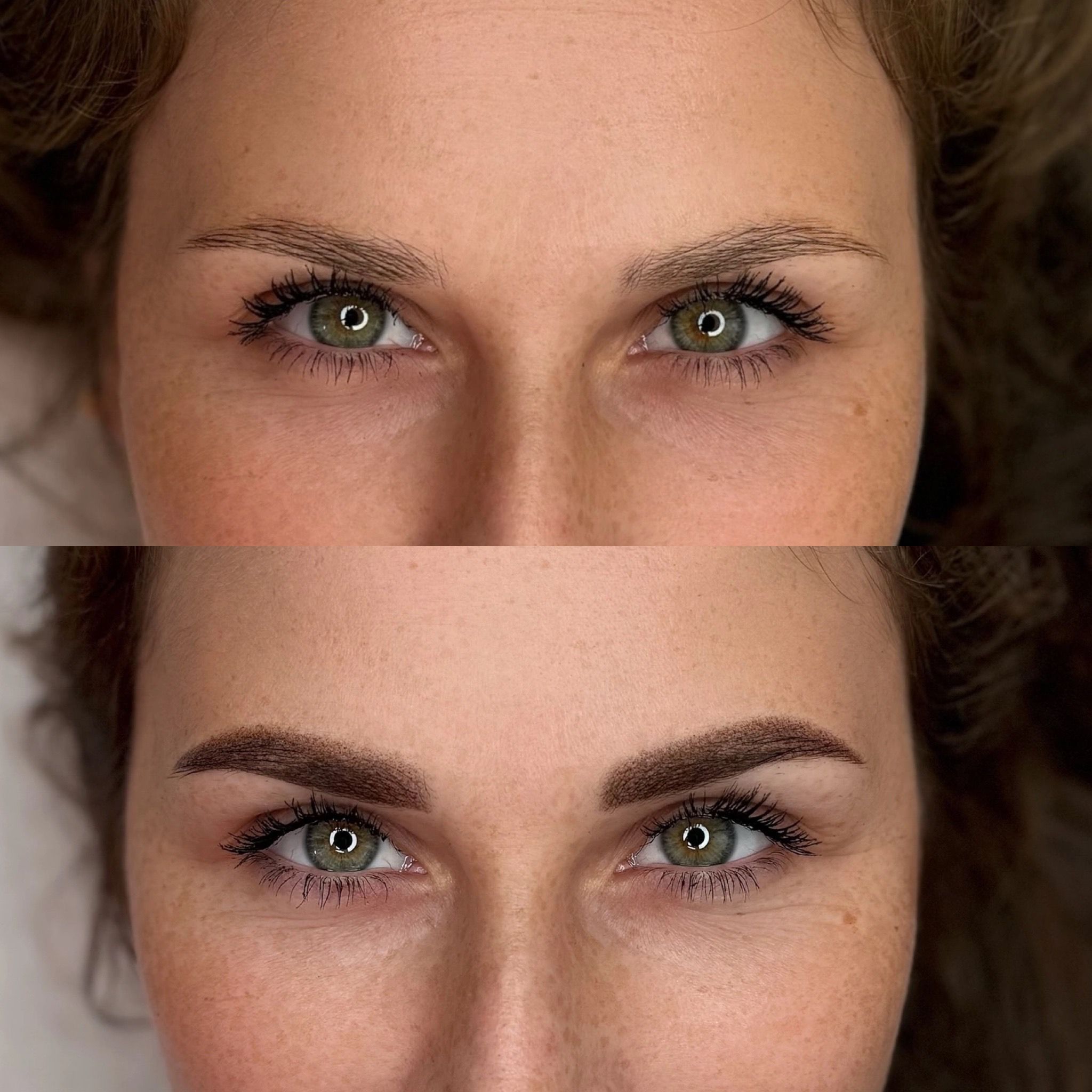
On smooth, dry skin, powder brows can heal very evenly because it can be easier to build a soft transition from a lighter front to a more defined tail.
The important thing is not to try to “fix” dry skin with an aggressive peel the day before your appointment. Preparing and supporting the skin barrier well in advance is a much better approach.
Dry skin and hair-stroke techniques
Precise lines that imitate natural eyebrow hairs can often look beautiful on fine-textured, less porous skin. However, that doesn’t mean everyone with dry skin is automatically an ideal candidate for a particular technique.
If the skin is thin, very mature, reactive or shows visible sun damage, the PMU artist may recommend a different method from the one you happened to see on Instagram.
Oily skin – what difference does higher sebum production make?
Oily skin produces more sebum. It also often has more visible pores and a more pronounced surface texture. This is one reason why extremely fine, microscopic strokes may look different once healed compared with the same technique on dry skin.
It isn’t because the pigment somehow “comes out with the oil”. That’s an oversimplification. The real issue is that skin texture, the healing process and the way very fine details are visually perceived can all be different.
Does permanent makeup last on oily skin?
Yes. Oily skin is not automatically a contraindication for PMU.
However, very delicate results may require a different approach, and the touch-up after healing can be particularly important. For some people, the pigment may appear softer and less sharply defined over time than it would on dry skin.
Why are powder brows often recommended for oily skin?
Because shading doesn’t rely exclusively on individual ultra-fine strokes. The powder technique builds shape using many tiny dots and gradual saturation, which can help the result remain more visually defined once healed.
That doesn’t mean “hair strokes are forbidden”. The technique should be chosen based on the actual condition and texture of the skin, not simply because it has been labelled “oily”.
Oily skin and large pores
When pores are clearly visible, it’s important to be realistic about ultra-fine-line photos taken on perfectly smooth skin. Very fine details can look different when they run across a more porous texture.
A good PMU design should look good not only immediately after the treatment, but once it has healed as well.
Does oily skin mean more frequent touch-ups?
It can, but there is no universal rule. Some people retain pigment extremely well, while others may need a refresh sooner.
A lot depends on the amount of pigment, the technique, skincare and sun exposure. That’s why claims such as “oily skin needs a touch-up every six months” or “dry skin only needs one every three years” don’t make much sense without assessing the individual person first.
Combination skin – where things get more complicated
Combination skin can be oily around the forehead and nose while remaining dry on the cheeks. The skin around the eyebrows may behave differently again.
This is a perfect example of why classifying the entire face doesn’t always tell the PMU artist everything they need to know. If we’re pigmenting the eyebrows, the skin on and immediately around the brows matters most.
Can each eyebrow heal differently?
Yes. Even on the same face, the left and right sides can respond slightly differently. Sleeping habits, touching your face, sun exposure, previous scarring and differences in sebaceous gland activity can all play a role.
That’s why small differences after the first treatment don’t necessarily mean something was done incorrectly. This is exactly why the healed result is assessed and, when necessary, refined during a touch-up.
Dehydrated skin isn’t always dry skin
This is an important distinction. Skin can produce plenty of sebum while still having a compromised barrier and being dehydrated.
Someone with a shiny forehead can therefore also experience tightness, stinging and flaking. Shine alone doesn’t tell the whole story.
Before PMU, it’s worth discussing your current skincare routine and how your skin behaves rather than simply ticking “oily” on a form.
Sensitive skin – a separate characteristic, not a “dry or oily” skin type
Sensitivity can occur with any skin type. You can have oily skin that is extremely reactive or dry skin that hardly ever becomes red.
If your skin reacts strongly to cosmetics, frequently stings, becomes red easily or you have experienced allergic reactions in the past, mention this before your treatment.
Why does the skin barrier matter?
After PMU, the skin needs to heal properly. If it is already severely irritated, red, flaky or damaged before treatment, adding another controlled injury may make the healing process more uncomfortable.
Sometimes postponing the appointment and allowing the skin to settle first makes far more sense than going ahead simply because “the appointment is already booked”.
Retinol and permanent makeup
Retinoids and intensive exfoliating products can increase sensitivity and alter the condition of the skin’s surface. If you use retinol, retinal, tretinoin or acne medication, make sure you tell your PMU artist.
Do not stop prescribed medication on your own solely because of a PMU appointment. Any changes to prescription medication should be discussed with your doctor.
AHA/BHA acids and peels before PMU
If you try to “smooth” your skin with a series of strong acids a week before treatment, you may achieve the exact opposite: irritation, excessive dryness and increased sensitivity.
Before pigmentation, a stable and gentle skincare routine is usually a better choice than experimenting with aggressive products.
Acne around the eyebrows
Active, painful or damaged spots within the treatment area need to be assessed. PMU should not be performed directly over active inflammation.
If your acne mainly affects your cheeks or chin, that doesn’t automatically mean you can’t have your eyebrows done. What matters is the treatment area and the overall condition of your skin.
Seborrhoeic dermatitis and PMU
If you experience recurring flaking, redness and itching around the eyebrows, it’s worth getting the condition under control with appropriate dermatological care first. Pigmentation does not treat inflammation and should not be performed on actively affected skin.
Atopic skin – can you have permanent makeup?
There is no simple “yes” or “no” answer. Atopic dermatitis can go through periods of remission and flare-ups. Active changes in the treatment area are a reason to postpone pigmentation and seek medical advice.
Mature skin – where does it fit into this classification?
Skin over the age of 40 or 50 can still be dry, oily or combination. Age itself doesn’t determine skin type.
At the same time, skin thickness, elasticity and regeneration can change with age. That means mature skin should be assessed not only in terms of sebum production but also firmness, sun damage and previous treatments.
Does thin skin require a gentler approach?
It usually requires particularly careful technique. The goal of PMU is not to “put in as much pigment as possible”, but to place it at the appropriate depth and build the result gradually.
Working too aggressively can lead to unwanted pigment spreading, scarring or an overly heavy result.
Does thick, oily skin require a stronger technique?
It shouldn’t be reduced to a rule of “just press harder”. That’s one of the worst shortcuts you can make.
The technique may require a different pace, needle configuration or number of passes, but protecting the skin should always be more important than trying to force the maximum amount of pigment into it during a single session.
Permanent eyebrow makeup and skin type
Eyebrows are where skin type and texture are discussed most often in relation to technique. Clients frequently arrive with a specific photo of hair strokes or ombré brows and want exactly the same effect.
The PMU artist should, however, assess whether that particular technique is likely to look good once healed on the client’s individual skin.
Hair strokes, microblading and machine techniques
It’s worth remembering that not every hair-stroke technique works in the same way. Microblading uses a manual blade, while machine techniques create hair-like strokes using a needle driven by a device.
They differ in the way they work with the skin and the type of trauma involved. The choice should take into account skin texture, thickness, previous PMU and the artist’s experience.
Powder brows and oily skin
This is a common choice because the effect is based on soft shading. Saturation can be built gradually, creating shape without relying exclusively on individual ultra-fine hair strokes.
Well-executed powder brows don’t have to look like heavy makeup. Once healed, the result can be very soft.
Powder brows and dry skin
They can also look beautiful on calm, dry skin. The technique isn’t “reserved for oily skin”.
Ultimately, what matters more is the result you like and how your individual skin responds during pigmentation.
Permanent lip makeup and skin type
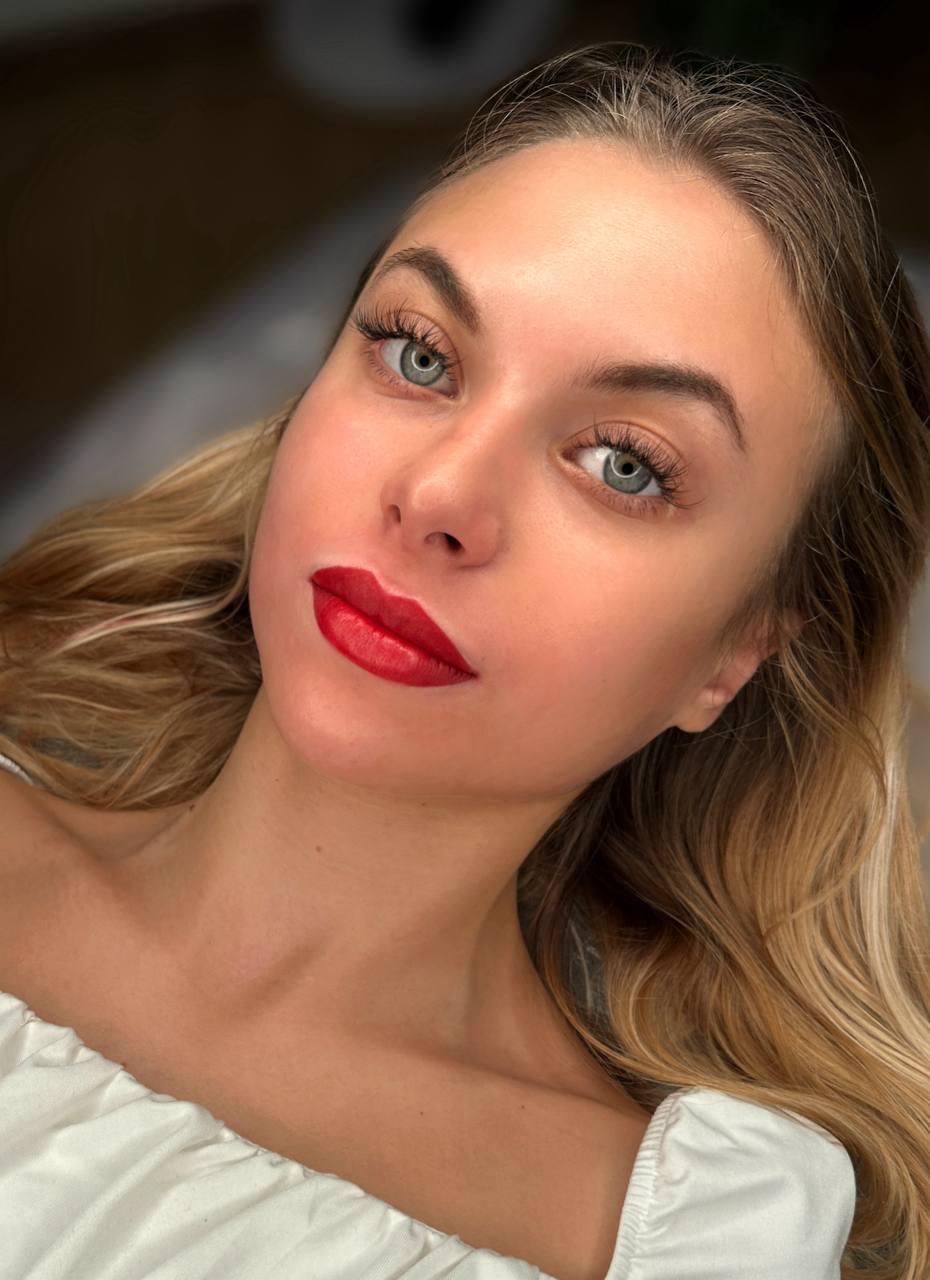
For the lips, the traditional dry-versus-oily skin classification matters less than the condition of the lips themselves. Lips can be chapped, cracked, dry or irritated regardless of whether the rest of the face is oily.
Before lip pigmentation, it’s worth getting the lips into good condition and informing your artist if you experience recurrent cold sores or take relevant medication.
Permanent eyeliner and skin type
With eyelids, the condition of the skin in that specific area matters most: laxity, sensitivity, visible blood vessels, previous treatments and the condition of the eyes.
This is another example showing why the overall “skin type” of the face isn’t the only information needed when assessing someone for PMU.
Can pigment change colour on oily skin?
All permanent makeup gradually changes in intensity and may also shift in tone over time. However, you shouldn’t assume that oily skin will automatically turn brown pigment grey or red.
Colour is influenced by factors such as pigment composition, implantation depth, UV exposure, individual skin response and subsequent treatments.
Why can old PMU matter more than skin type?
If there are already two or three layers of old pigment in the skin, they can become the biggest limitation. Even a perfectly chosen technique for dry or oily skin won’t solve the problem of overloaded, very dark eyebrows.
Sometimes, before new pigmentation, a better option is to first consider lightening or laser removal of permanent makeup.
How can you tell if old pigment is too heavy?
If the eyebrows are very dark, have a grey or unwanted tone, extend beyond the planned new shape or have been repeatedly re-pigmented, adding another layer may make the result worse.
In that situation, the first step is to assess whether colour correction, lightening or removal would be more appropriate.
Is a touch-up after the first pigmentation normal?
Yes. The first treatment creates the base, and once the skin has fully healed, you can assess how well it has retained the pigment.
During the touch-up, lighter areas can be filled in, saturation adjusted and details refined. It doesn’t mean the “first treatment failed”.
Why shouldn’t you judge PMU after one week?
The colour is usually stronger immediately after the treatment. As the skin heals, flaking occurs, and the pigment may temporarily appear very light or uneven.
The final result can only be assessed properly once the healing process is complete.
Oily skin and healing – what should you avoid?
Don’t try to degrease your eyebrows with alcohol, strong toners or acids. Excessive drying can irritate the skin barrier and won’t make the pigment “take better”.
Follow the aftercare instructions you receive and avoid adding your own experiments.
Dry skin and healing – what should you avoid?
Don’t automatically apply a very thick layer of a greasy product simply because the skin feels dry. Too much product can also cause problems.
Aftercare should follow the protocol recommended by the person who performed your PMU treatment.
Can you use your normal skincare after PMU?
During the initial healing period, the pigmented area needs a simpler routine. Active ingredients, exfoliants, retinoids and strong acids shouldn’t be applied to freshly pigmented skin.
Once the area has fully healed, you can gradually return to your normal routine according to the aftercare advice you were given.
SPF – regardless of skin type
The sun doesn’t care whether your skin is dry or oily. UV radiation affects the skin and can accelerate pigment fading.
Once the area has healed, sun protection around your PMU is worthwhile regardless of skin type.
Do saunas and swimming pools affect healing?
Fresh pigmentation is a controlled injury to the skin. During the initial healing period, follow the advice you receive about avoiding prolonged soaking, intense sweating, saunas and swimming pools.
This isn’t about skin type — it’s about creating the right conditions for calm, uncomplicated healing.
How should you prepare oily skin before PMU?
You don’t need to “dry it out”. It’s better to maintain your normal skincare routine, avoid experimenting with aggressive acids and tell your PMU artist about any medication or acne treatments you use.
How should you prepare dry skin?
Regular, gentle moisturising and supporting the skin barrier in advance can be helpful. If the eyebrow area is actively irritated or heavily flaking, it’s better to discuss whether the appointment should be postponed.
How should you prepare combination skin?
In exactly the same way: avoid extremes. There’s no need to “degrease” one half of your eyebrows while heavily moisturising the other. What matters most is that the skin is stable and in good condition on the day of treatment.
What should you mention during your consultation?
It’s worth telling your PMU artist:
– whether your skin becomes oily easily,
– whether it tends to flake or become very dry,
– whether you experience inflammation around the eyebrows,
– whether you use retinoids, acids or dermatological medication,
– whether you already have permanent makeup,
– how your skin reacted to previous pigmentation treatments,
– whether you are prone to scarring or pigmentation changes,
– whether you have recently had laser treatments, peels or injections in the area.
Why isn’t an Instagram photo enough?
Because a photo shows one person’s skin, one particular technique and often a freshly completed result. You don’t know what the cosmetic tattoo looked like after a year, what the client’s skin phototype was or how many touch-ups were performed.
References are great for discussing style, but the technique still needs to be chosen for you.
The best PMU technique doesn’t exist without context
There is no single method that is “best for everyone”. Soft powder brows may be ideal for one person, delicate hair strokes for another, while a third person may benefit from a combination of techniques.
A good choice takes into account skin type and condition, existing pigment, the desired result and how the eyebrows are expected to age visually over time.
Permanent makeup in Katowice – how do you choose the right technique for your skin?
The best place to start is with an in-person assessment of your skin. Describing it as “dry”, “oily” or “combination” is useful, but it can’t replace a proper consultation.
At KRZ Studio in Katowice, you can discuss eyebrow shape, colour and technique in relation to your skin condition and any previous PMU. If you’re unsure whether old pigment can be corrected or should be lightened first, you can also learn more about laser permanent makeup removal.
Have questions before your treatment? Contact KRZ Studio and explain how your skin behaves and what kind of result you’d like to achieve.
Frequently Asked Questions
Does permanent makeup last on oily skin?
Yes. Oily skin doesn’t rule out PMU, but very fine details may heal with a softer appearance, so the technique and saturation should be chosen individually.
Which eyebrow technique works well for oily skin?
Powder brows are often considered because they rely on gradual shading. However, this isn’t a strict rule — the actual skin texture and the desired result matter most.
Is dry skin the best skin type for PMU?
It can produce a very precise result, but only when the skin is in good condition. Extremely dry, flaky or irritated skin may also be a reason to postpone the treatment.
Does combination skin make pigmentation more difficult?
Not necessarily. The PMU artist primarily assesses the treatment area. The skin around the eyebrows may behave differently from the cheeks or nose.
Does skin type affect how many touch-ups are needed?
It can influence the way the skin heals, but it isn’t the only factor. Technique, pigment saturation, skincare, UV exposure, previous PMU and individual skin regeneration all play a role.