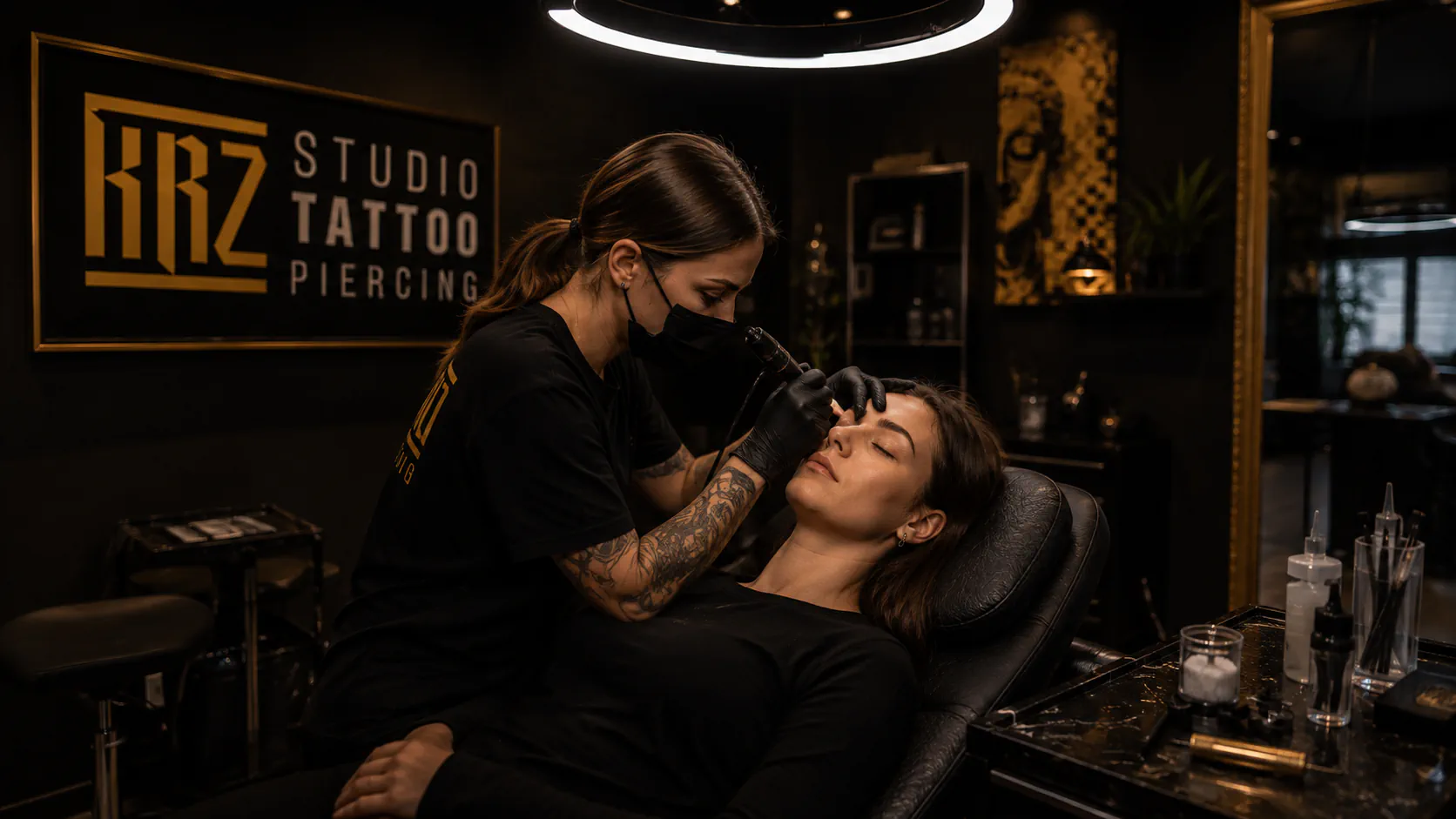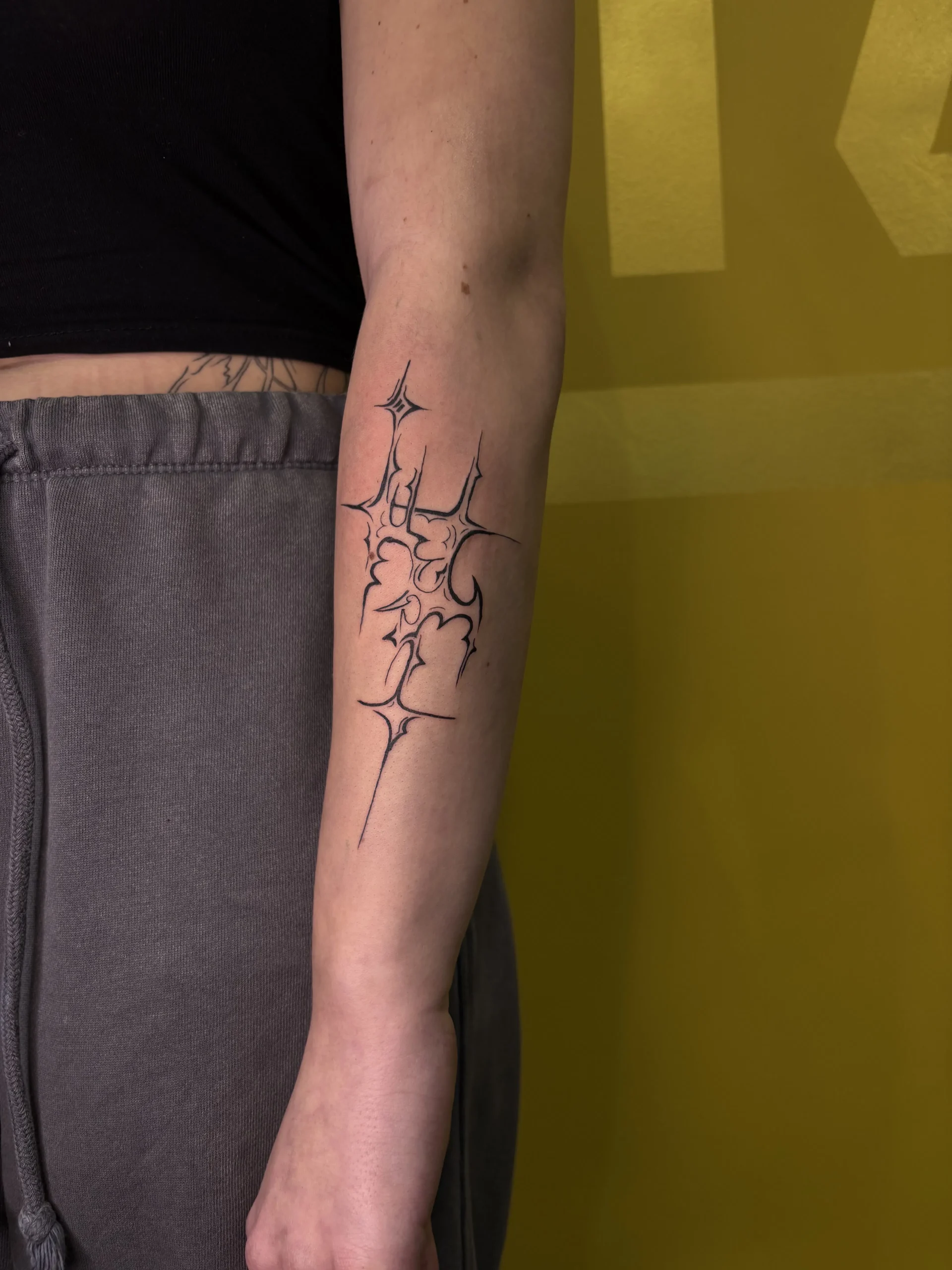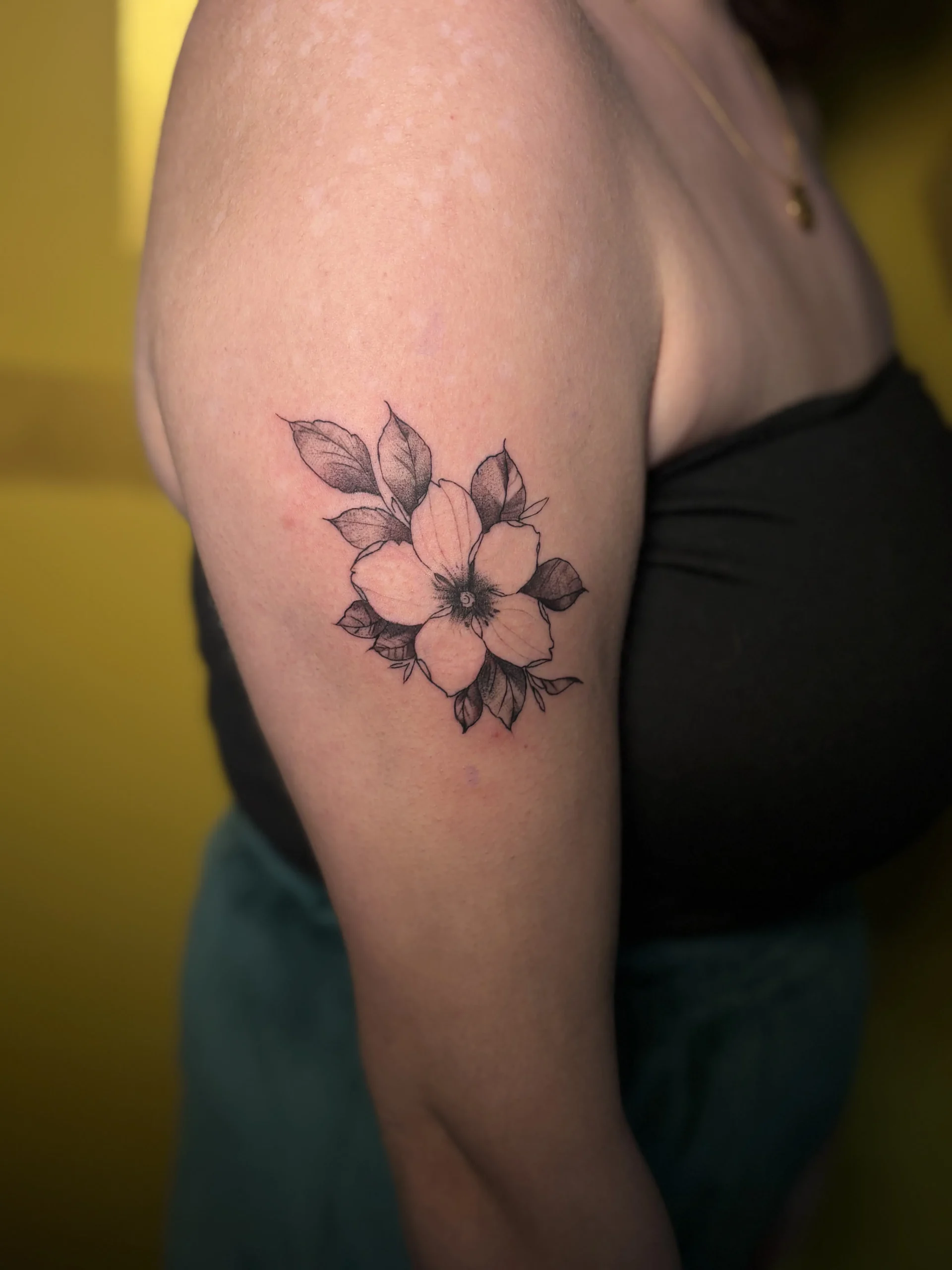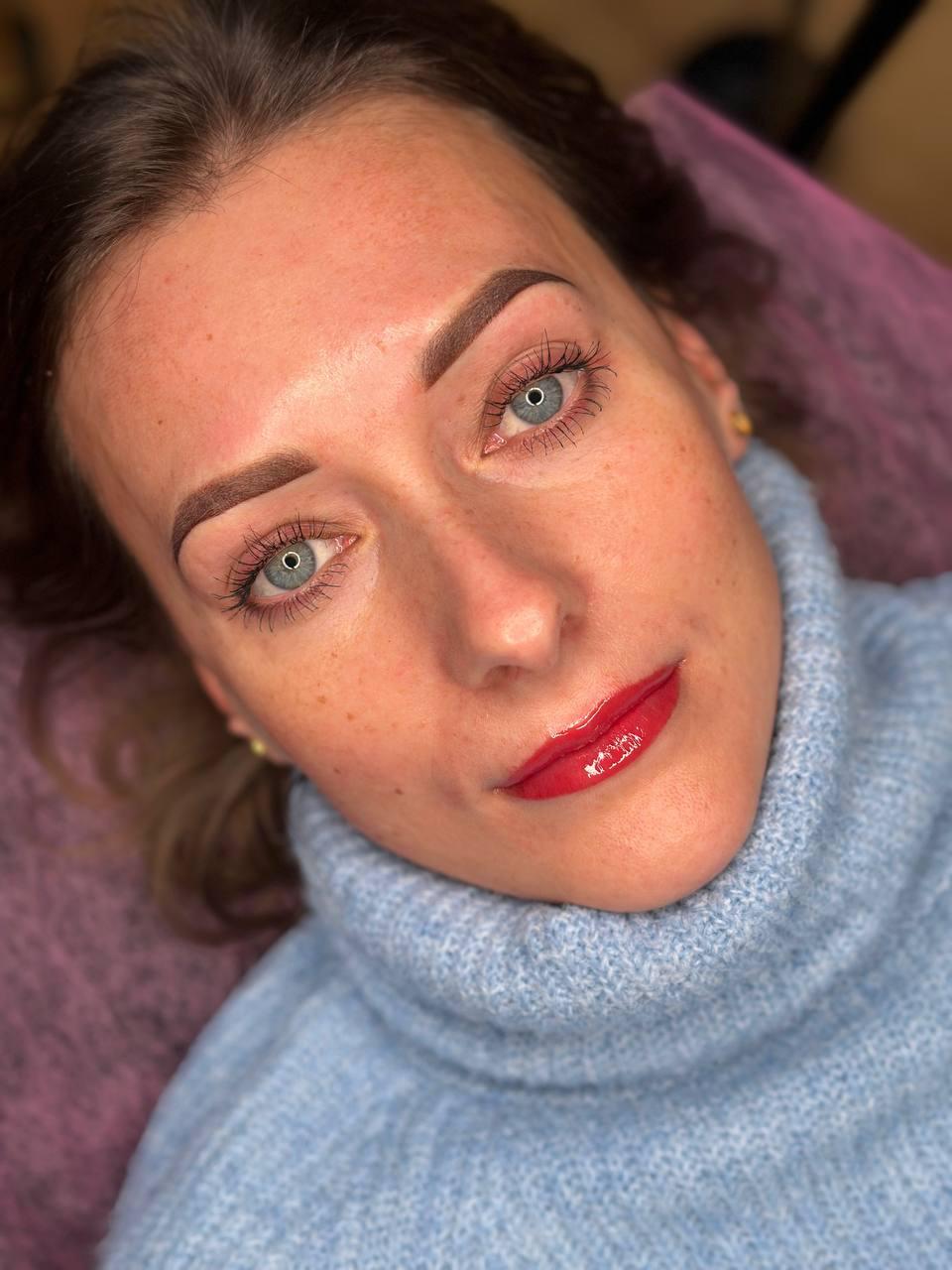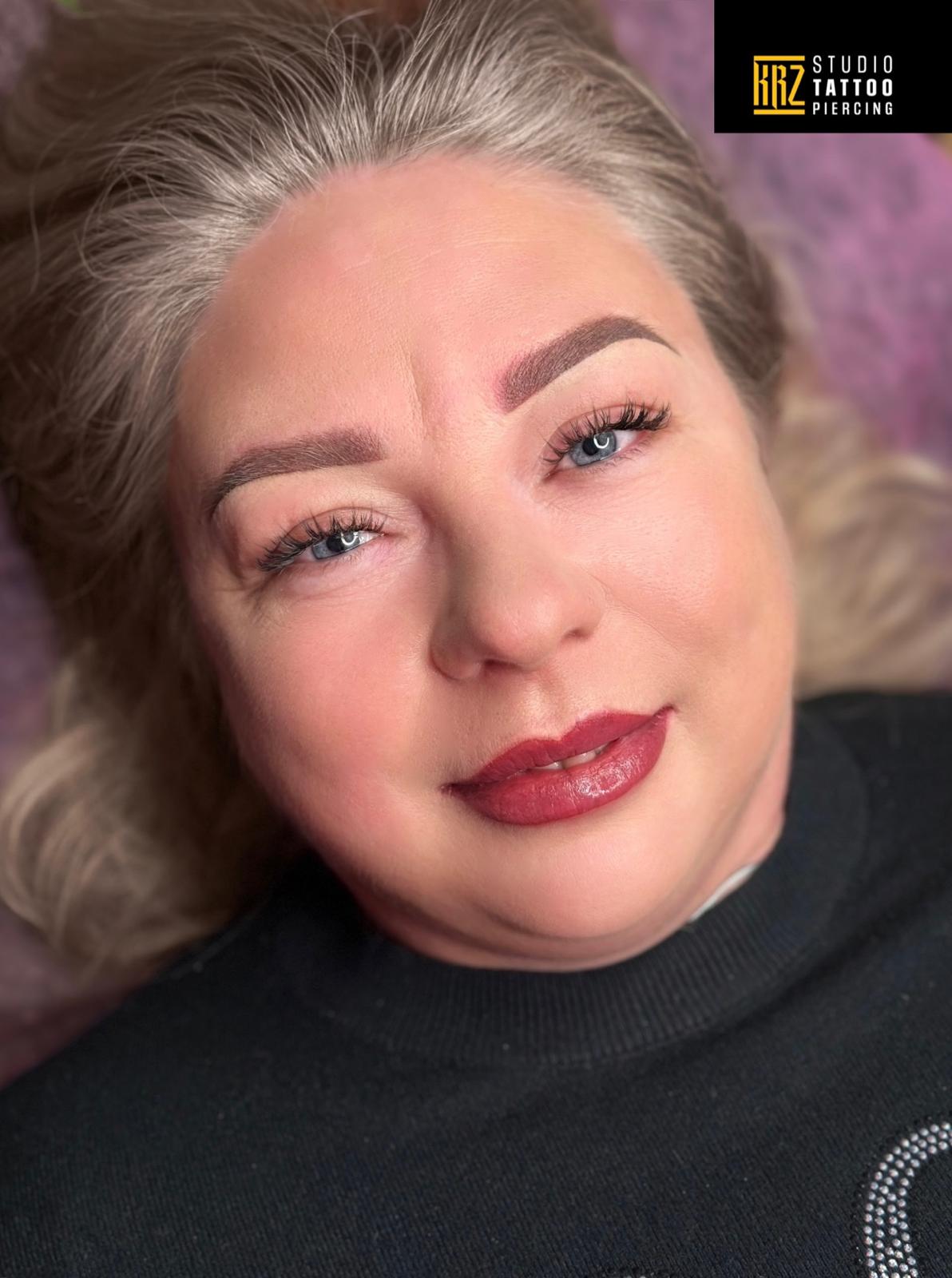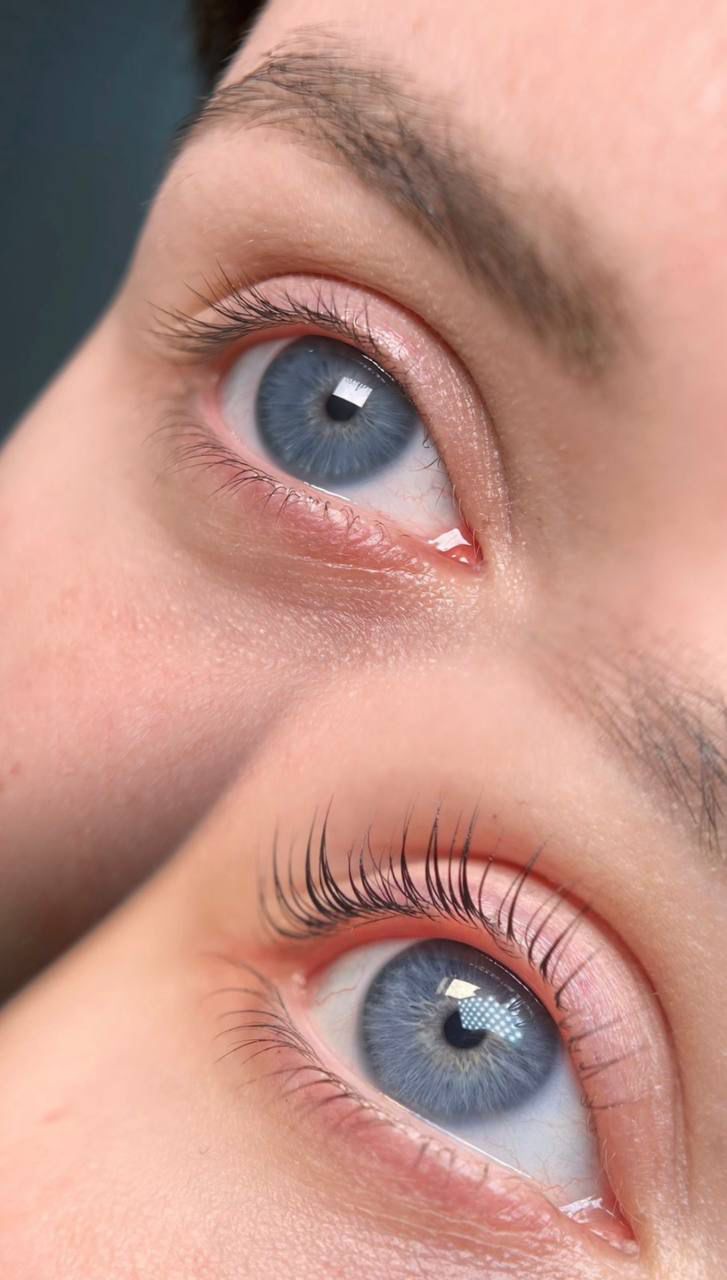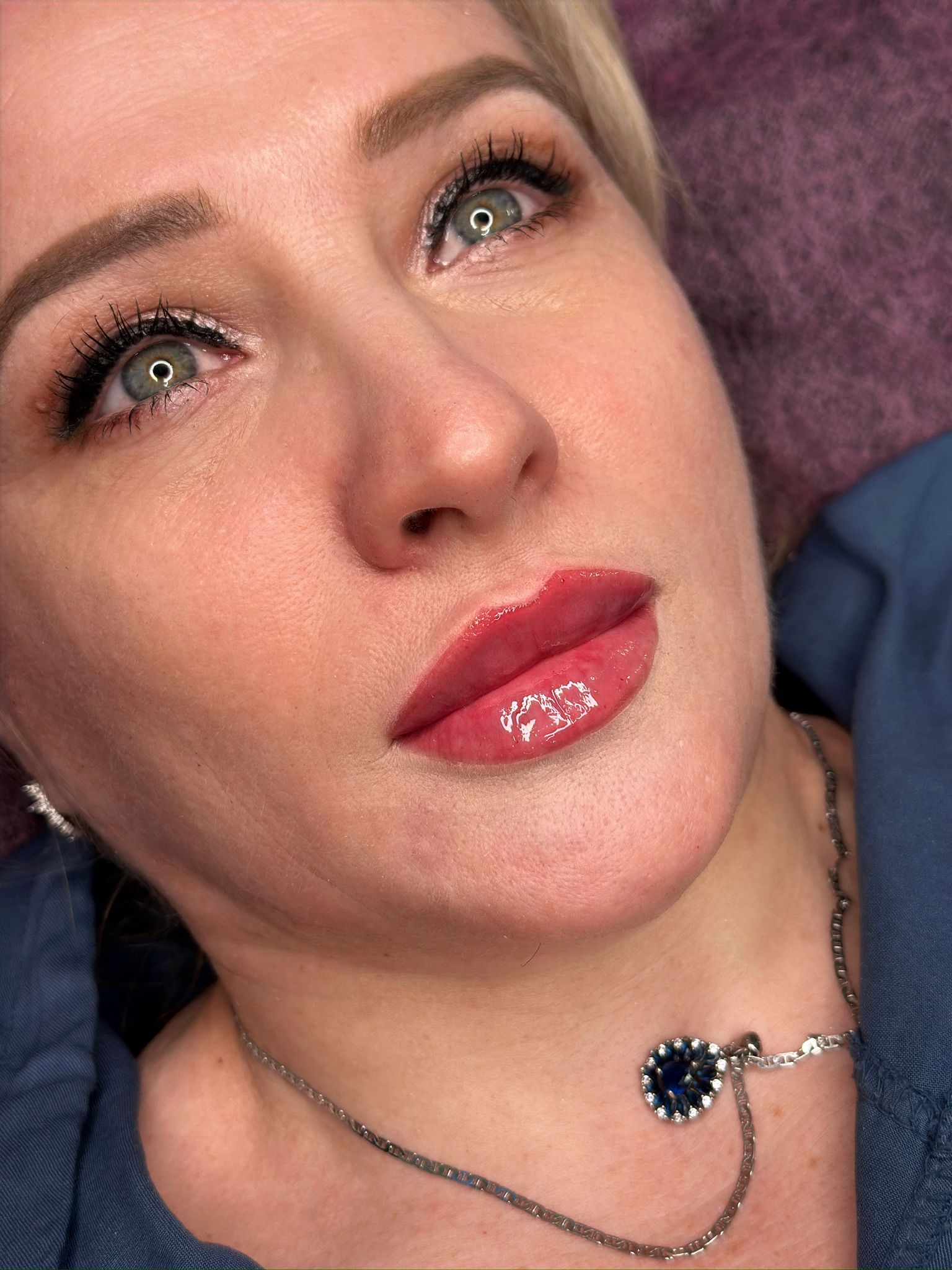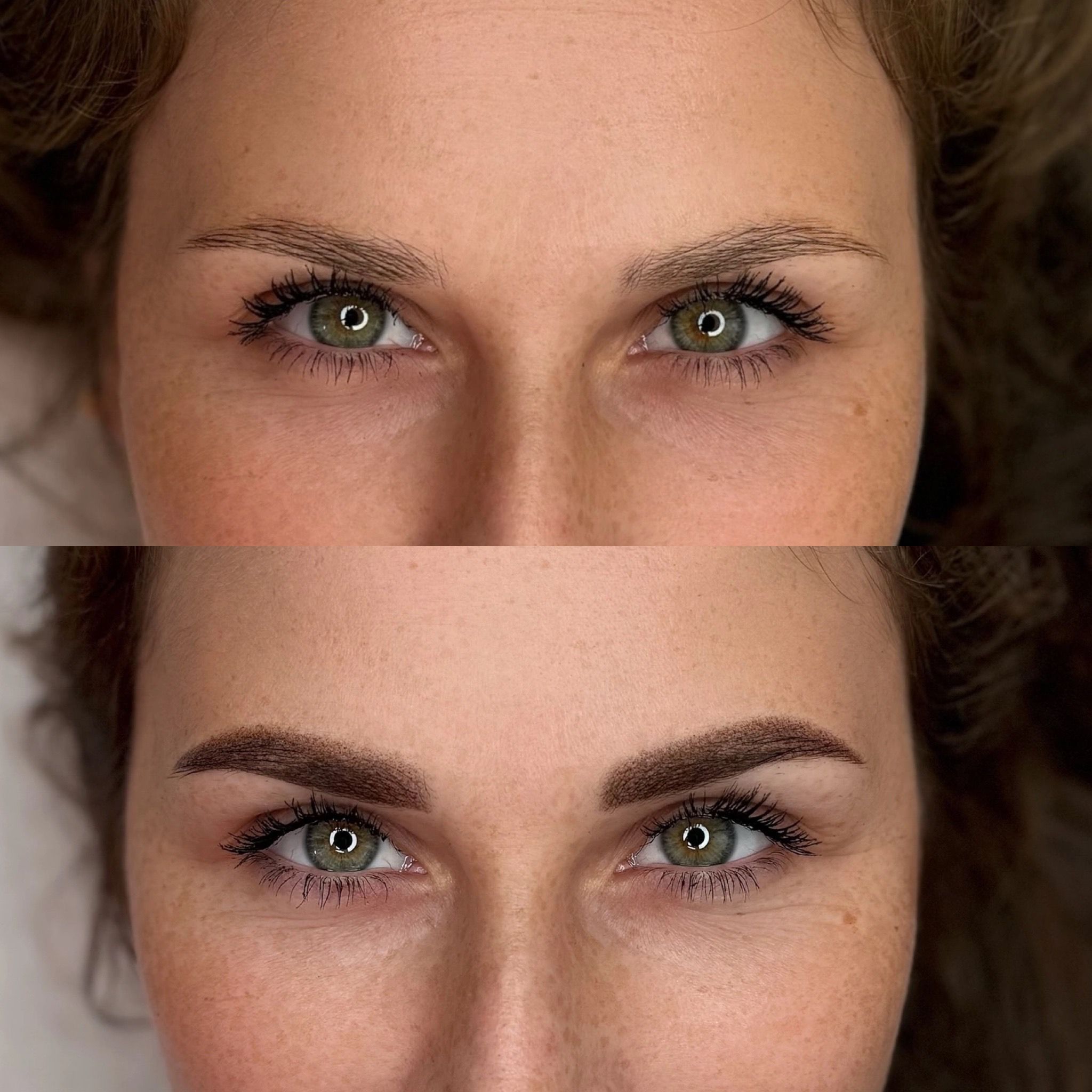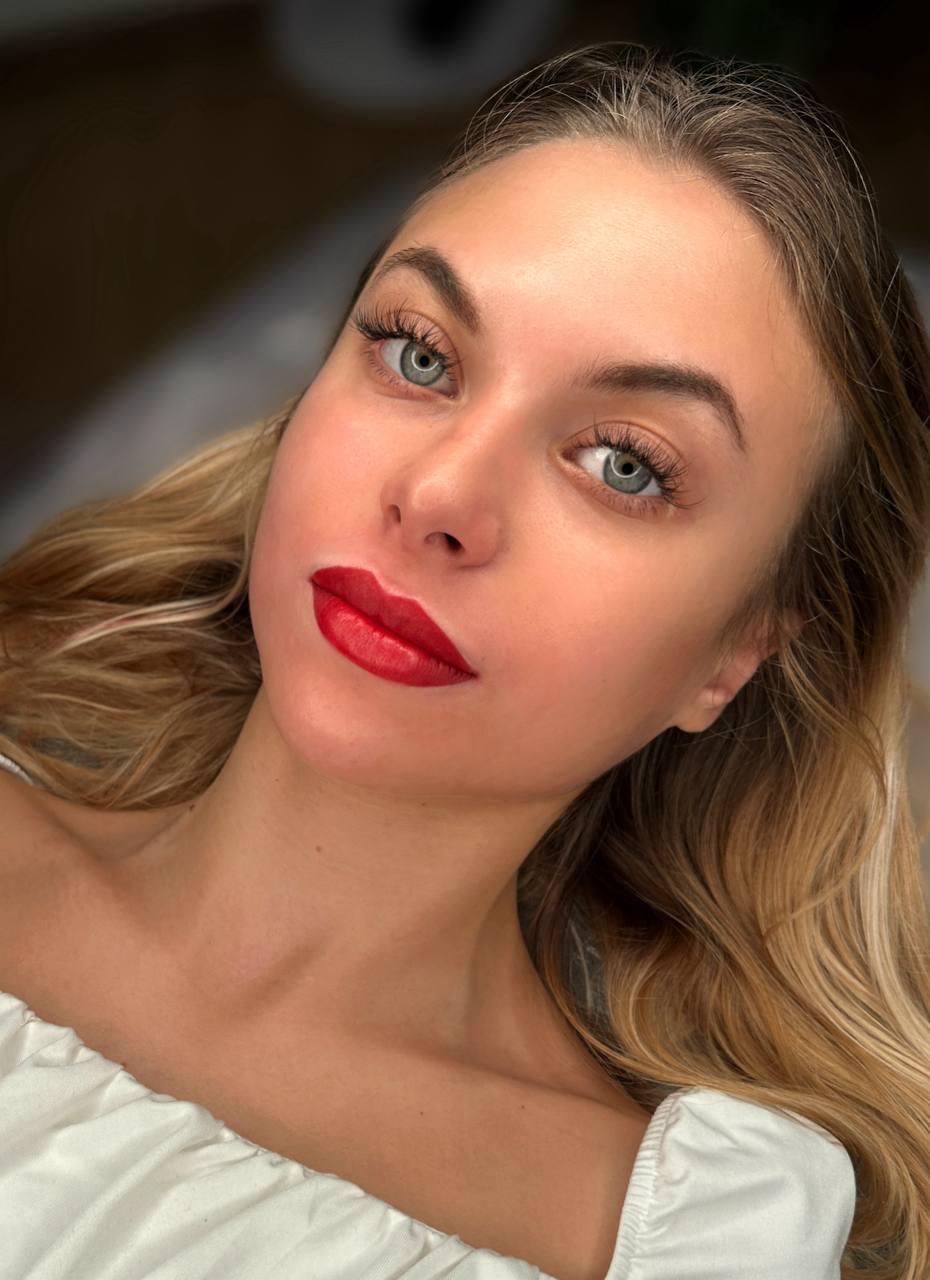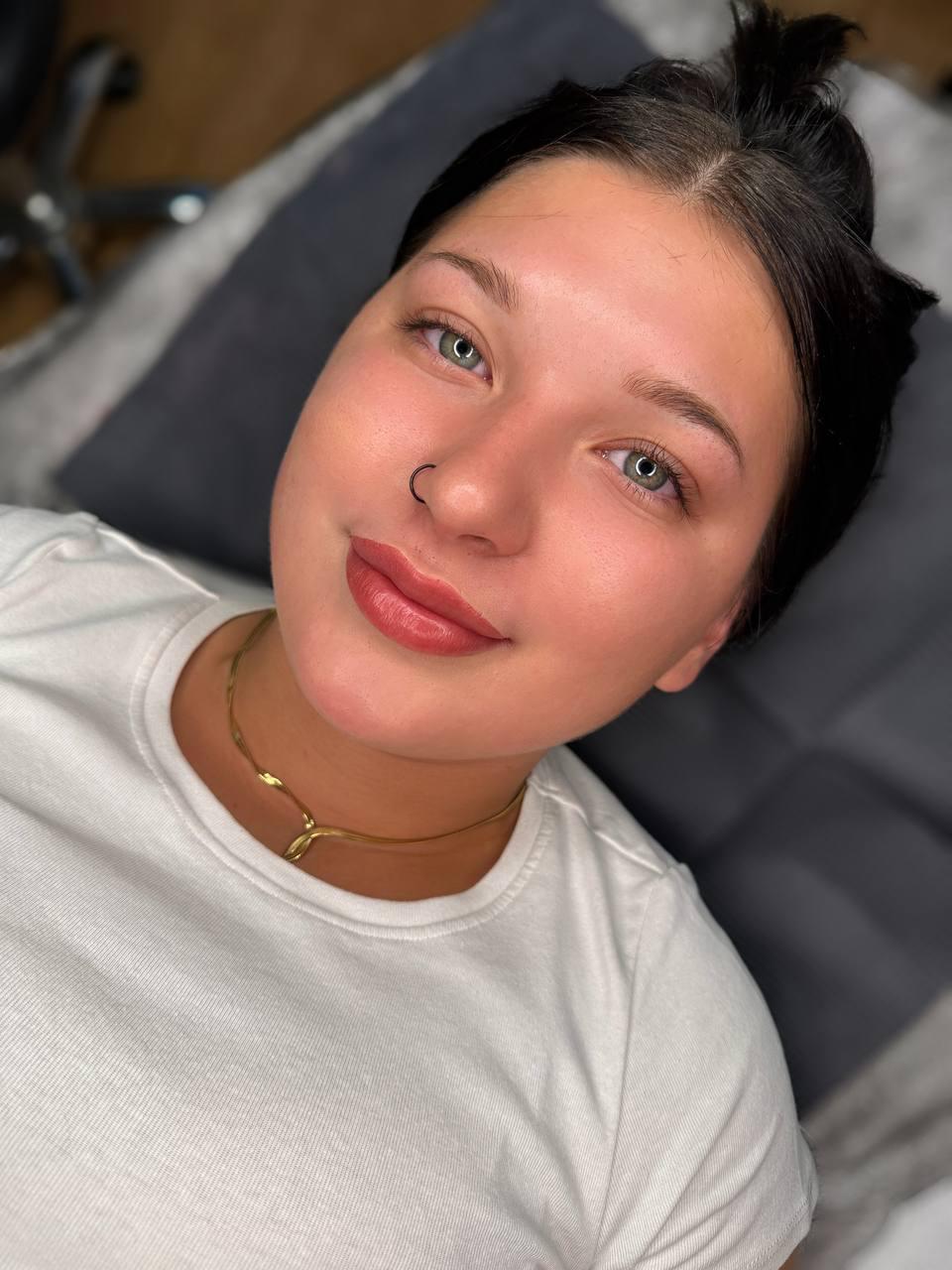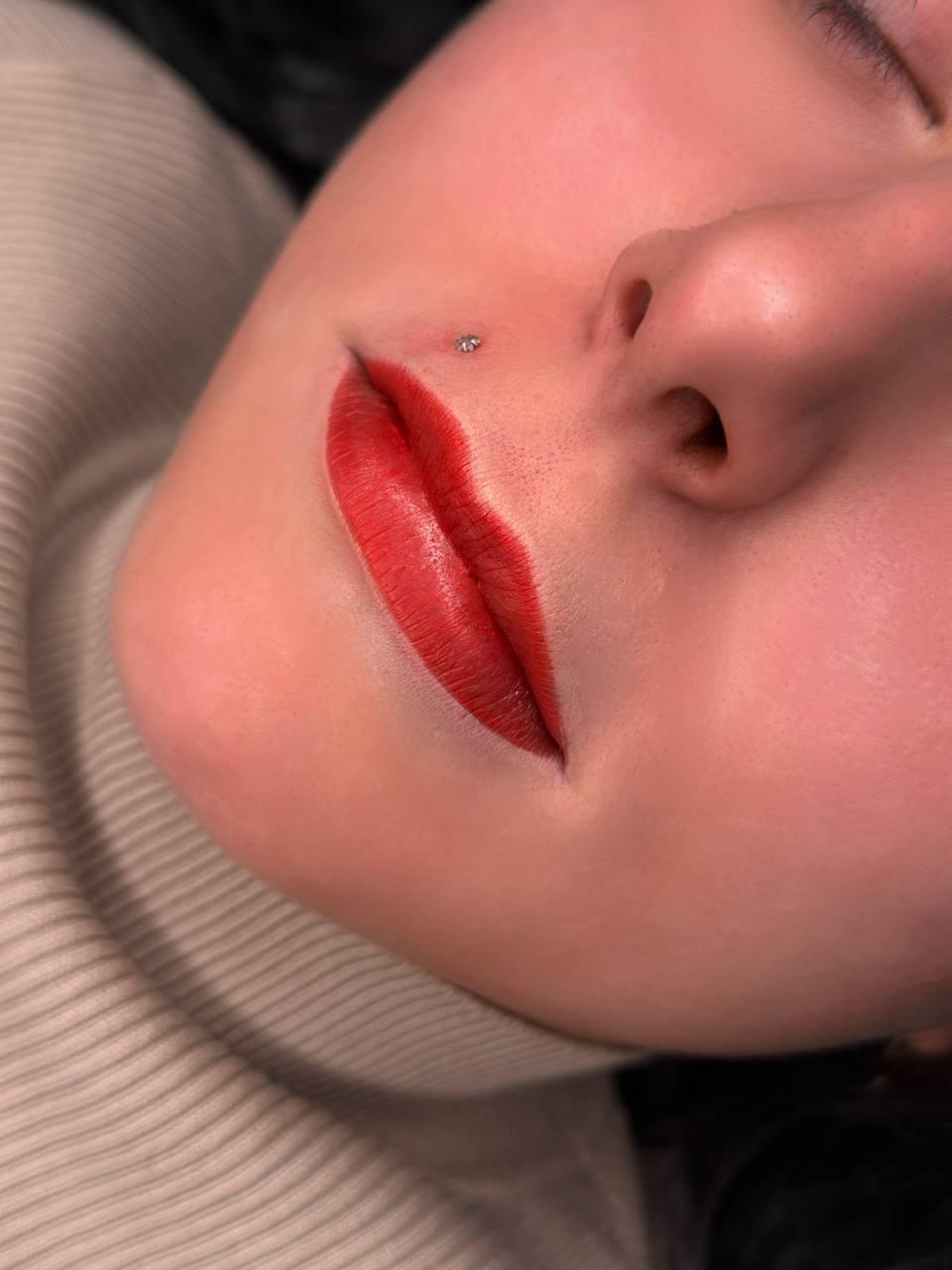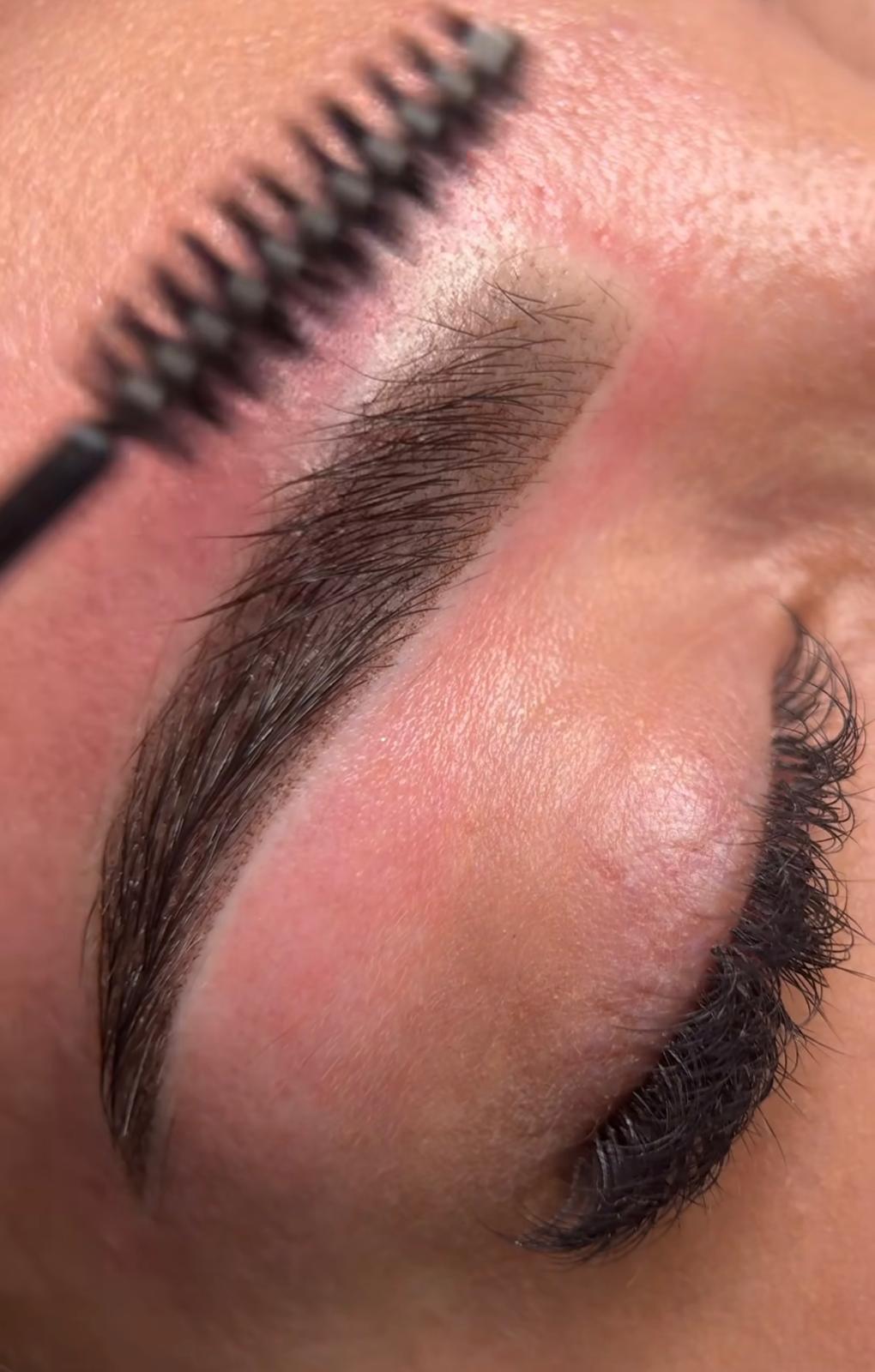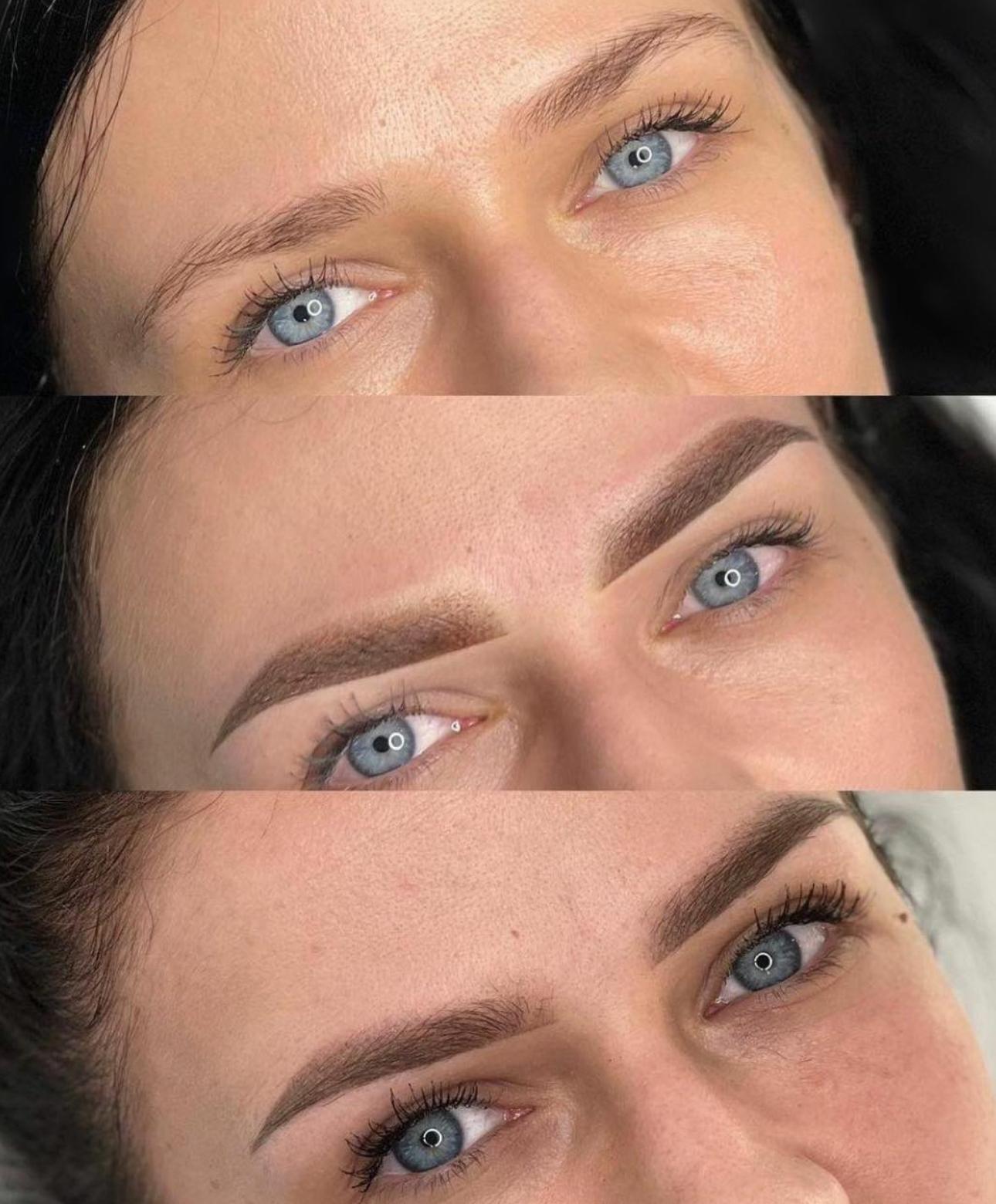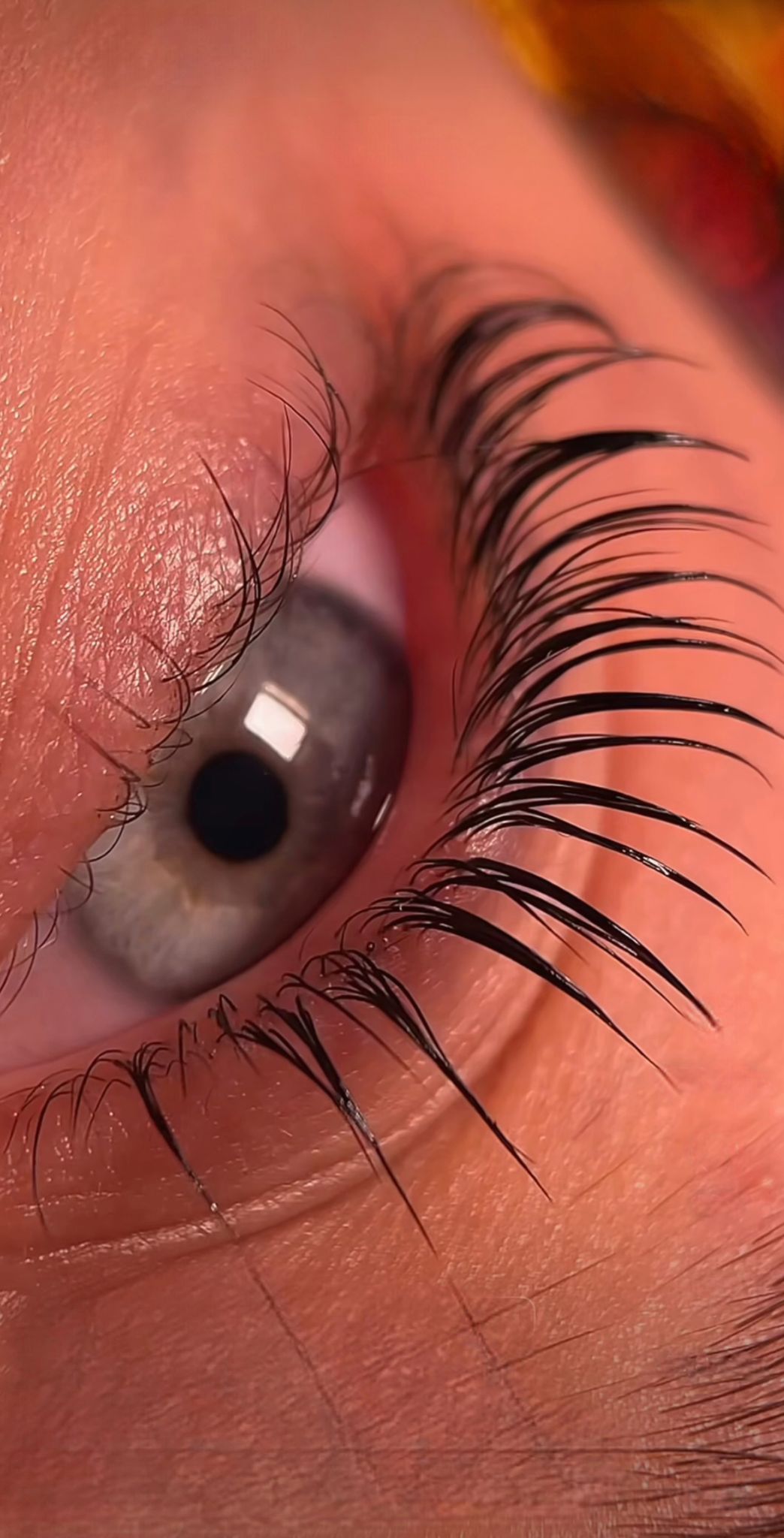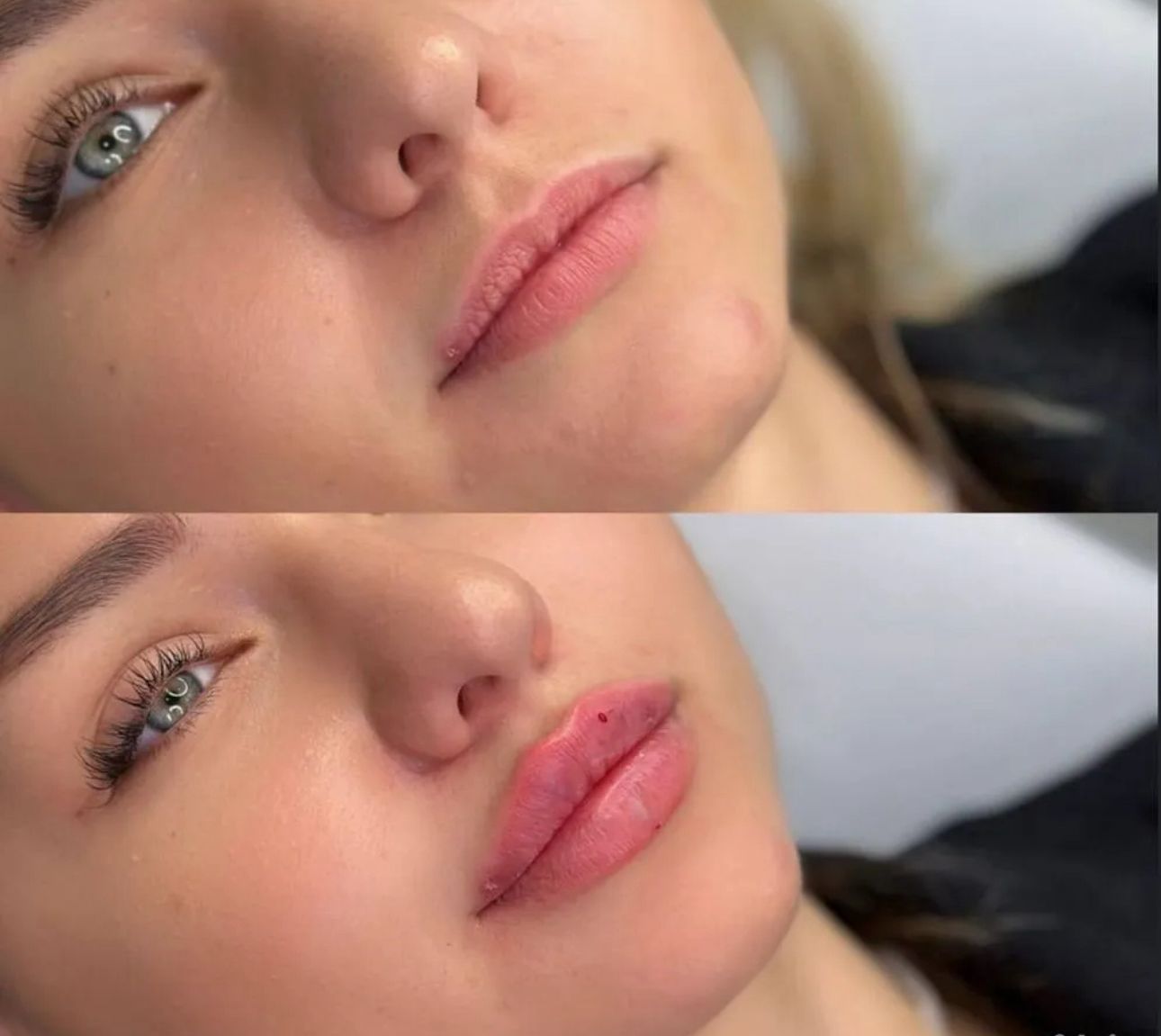
In their 40s and 50s, many women begin to look at makeup differently than they did several or even a dozen years earlier. The goal is no longer to make everything stronger, darker, and more “Instagram-ready”. A fresh, balanced appearance, improved symmetry, and everyday convenience usually become far more important. This is where permanent makeup in your 40s and 50s can make a great deal of sense – provided that it is tailored to your face and skin rather than applied using the same template for everyone.
Mature skin is not “worse skin”. It simply behaves differently. It may be thinner, drier, less elastic, more sensitive, or show more signs of sun exposure. All of these factors affect the choice of technique, pigment intensity, and final shape.
Permanent makeup in your 40s and 50s – where should you start?
With a consultation and a very honest conversation about the desired result, not with a photograph of someone else’s eyebrows on your phone.
If you are interested in permanent makeup in Katowice, the most important thing is to establish exactly what you would like to improve. Are your eyebrows becoming sparse? Is there asymmetry? Have your lips lost some of their definition over time? Or would you simply like to shorten your morning makeup routine?
There is no single “correct” technique for people in their 40s or 50s. The actual condition of the skin matters much more than your age.
Mature skin – what actually changes?
The epidermis and deeper layers of the skin gradually change with age. The skin may become thinner, less elastic, and drier. Many people also notice more visible small blood vessels, uneven texture, or changes caused by many years of sun exposure.
This does not mean that pigmentation is unsuitable. It simply means that the person performing the procedure should work more delicately and select the technique very carefully.
Not everyone in their 40s has “mature skin”
This is important. One person in their 40s may have very thin, dry skin, while another in their 60s may still have relatively firm skin that tolerates treatments well.
A good specialist therefore assesses the skin’s actual condition rather than focusing on the date of birth. Medication, skincare, previous treatments, sun exposure, and susceptibility to irritation also matter.
Eyebrows after 40 – why do they often become sparser?
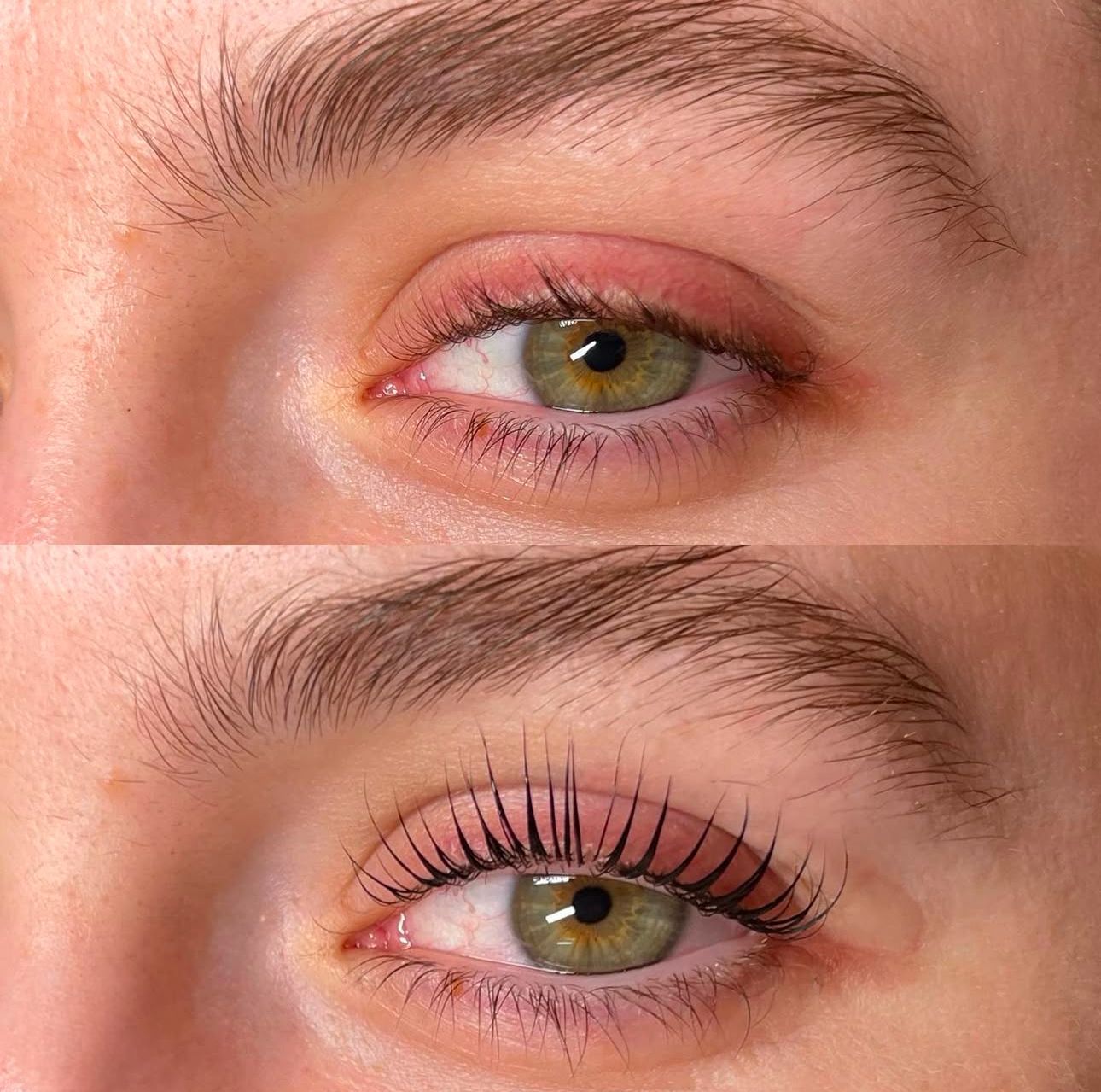
Over time, eyebrow hairs may become thinner, lighter, and less dense. Previous shaping habits can also have an effect, especially if the eyebrows were heavily plucked for many years.
As a result, the face loses some of its natural framing. This is why gently rebuilding the eyebrow line can create a noticeable change even when the pigmentation itself is subtle.
Are bold or subtle eyebrows better after 50?
A softer effect usually works better. Very dark, heavy, sharply defined eyebrows may visually overwhelm the face.
This does not mean that everything needs to be pale and “invisible”. It is more about finding the right balance: a defined shape without the effect of a line drawn with a marker.
Powder brows, ombre or hair strokes?
This is one of the most common questions. The answer is: it depends on the skin.
On thin, dry, or less firm skin, very delicate individual hair strokes may not always heal as predictably as they would on younger, denser skin. Soft shading, powder brows, or a combination technique can therefore often be a good option.
However, there is little point in choosing a technique based solely on its name. What matters is how the pigment behaves in your particular skin.
Is microblading always a good idea after 50?
Not always. On thin or less firm skin, an aggressive cutting technique may produce less predictable results. Many permanent makeup artists therefore prefer machine techniques that provide greater control over depth and saturation.
The most important thing is not to treat one method as “the best for everyone”.
A natural colour matters more than a trend
In your 40s and 50s, it can be easy to overdo a cool or overly dark pigment. A colour that looks elegant on a sample may appear heavier once it has healed in the skin.
The pigment should therefore complement your hair, complexion, and natural facial colouring. Sometimes it is better to choose a slightly lighter shade that will produce a softer result after healing.
What about grey hair?
If your hair is grey or noticeably lighter than it used to be, the eyebrows should also be designed more carefully. An excessively dark pigment can create a harsh contrast with the rest of the face.
A neutral, cooler brown or a softer colour blend often works better than intense black.
Eyebrow shape in your 40s and 50s – should the brows be “lifted”?
A gentle visual lift can open the eye, but a high, artificial arch should not be created by force.
Facial proportions and the position of the tissues change with age. The shape should therefore be designed for your face as it is today rather than copied from a photograph taken fifteen years ago.
An overly long eyebrow tail can make the face look older
This is a small detail that can make a significant difference. If the end of the eyebrow is very long and slopes sharply downwards, it may visually pull the eye down.
Sometimes shortening the tail and slightly lifting its direction creates a much fresher result than making the entire eyebrow thicker.
Do eyebrows need to be thicker because “fluffy brows” are fashionable?
No. Trends are a source of inspiration, not an obligation. A very wide, youthful eyebrow may look excellent on one person and completely unsuitable on another.
The best shape is one that works with your facial features, expressions, and natural hair growth.
Permanent lip makeup in your 40s and 50s
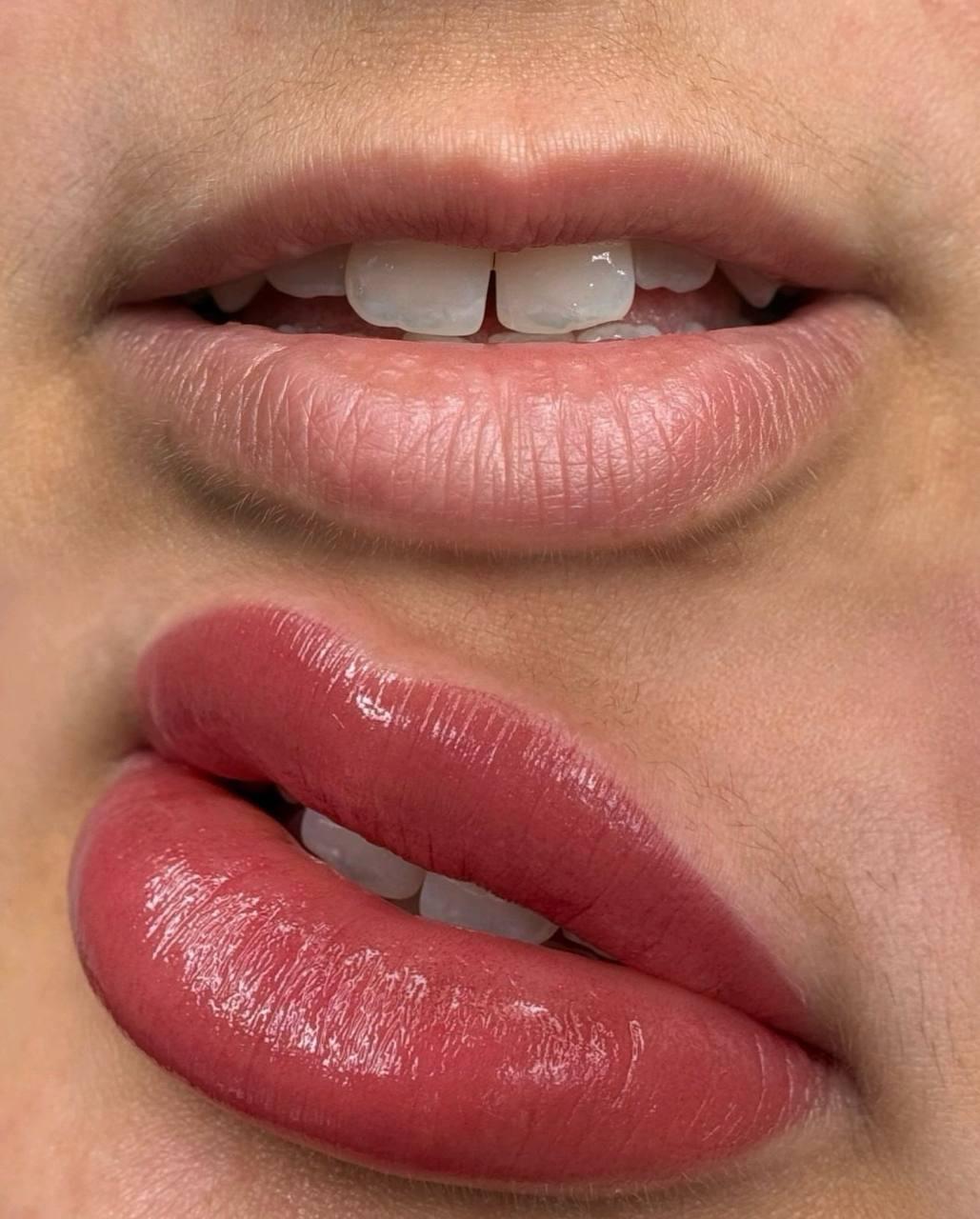
With age, the lip contour may become less defined and the natural colour more uneven. Subtle pigmentation can visually restore symmetry and freshness.
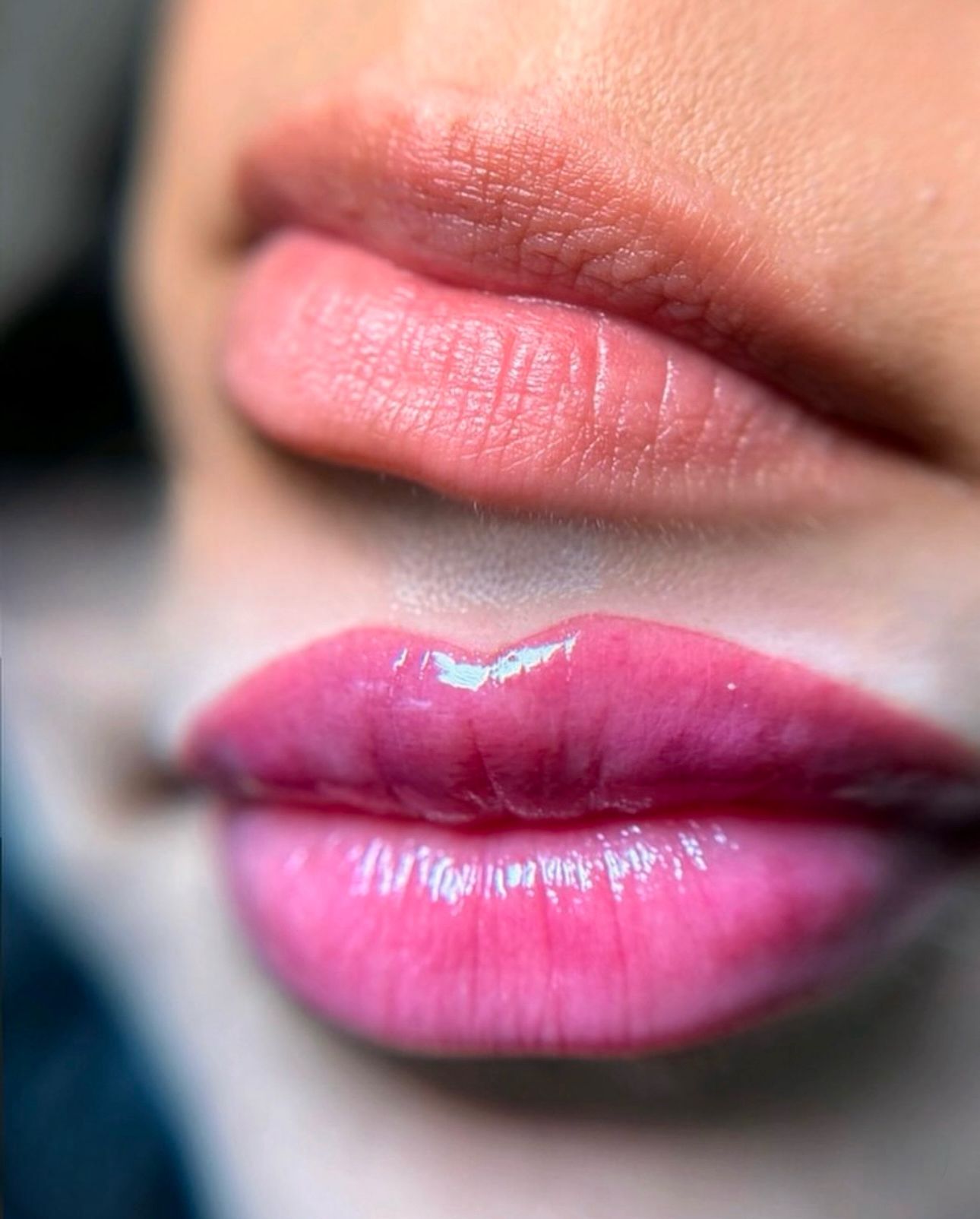
The best result usually comes from a natural colour close to your own lip shade, only more even and refined.
Can permanent makeup make the lips larger?
It should not be treated like a filler. The lip contour can be subtly improved and asymmetry balanced, but drawing a large area outside the natural lip border may look artificial.
Mature lips – why should the colour be soft?
Very intense, cool colours may look stronger than expected. Nude, pink, peach, or neutral shades are often more suitable, provided they are selected individually.
Permanent eyeliner in your 40s and 50s
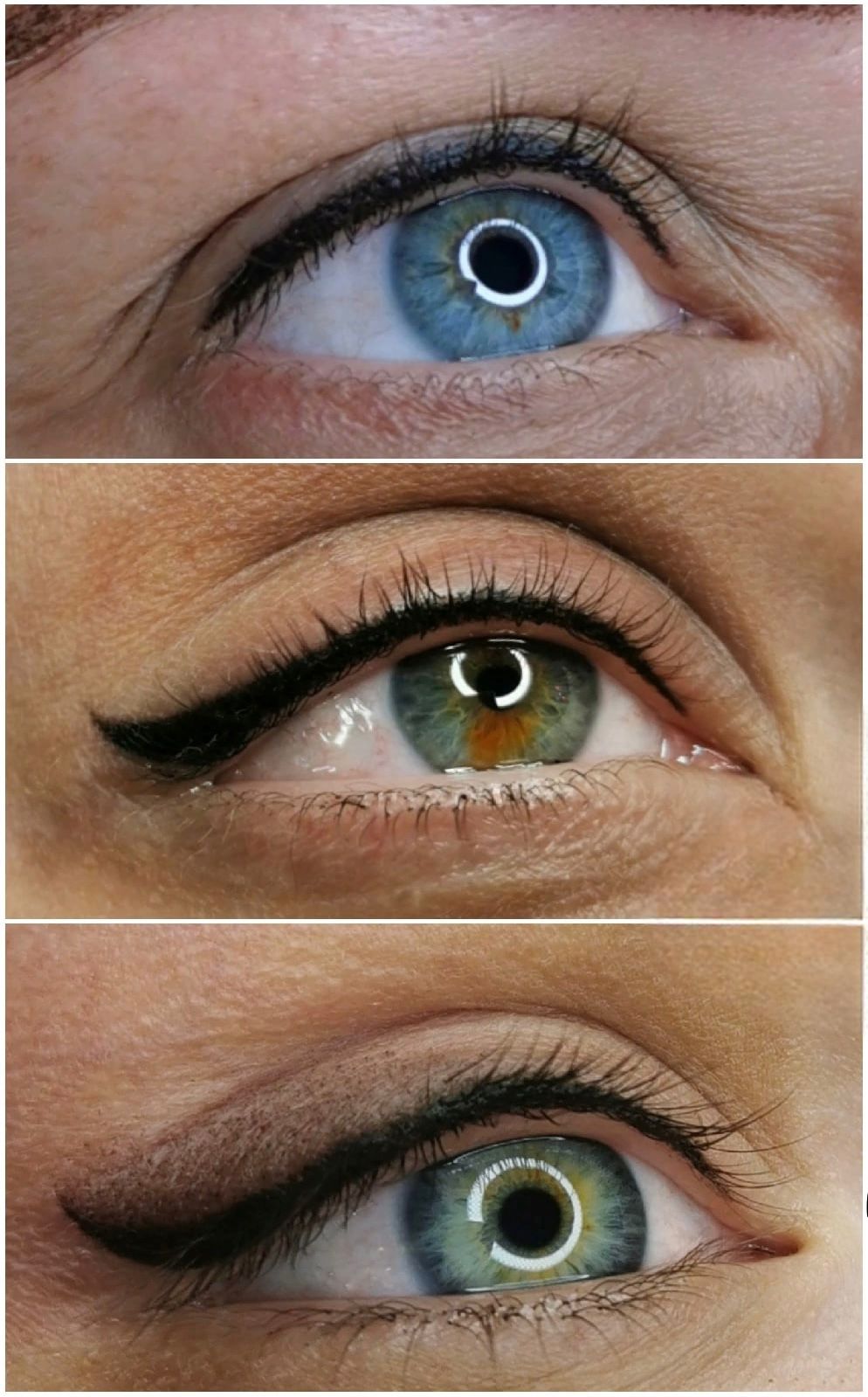
The skin around the eyes may become less firm with age, so a very long, graphic line will not always sit well.
A subtle lash line enhancement or soft eyeliner often creates a fresher effect than a strong “cat eye”.
What if the eyelid is hooded?
The eyeliner design should be created with the eye open and the face in a natural position. This is important because a line drawn on stretched skin may look different once the skin is released.
How can you avoid an “overdone” result?
The simplest answer is: less contrast and more soft transitions.
Very precise, hard outlines can look harsher on a mature face. Well-planned permanent makeup often resembles subtle daytime makeup rather than a full evening look.
Does mature skin hold pigment less effectively?
This cannot be generalised. Thinner or drier skin may require a more delicate technique, and the pigment may heal differently than it would on thick, oily skin.
The first session should therefore not always be very intense. It is better to leave room for a touch-up than to introduce too much pigment immediately.
The first touch-up is particularly important
Once the skin has healed, it becomes clear how it has actually retained the pigment. Only then can you assess whether the colour needs to be strengthened slightly, the symmetry refined, or small areas filled in.
This is one reason why the result should not be judged the day after the procedure.
What about previous permanent makeup?
Many women in their 40s and 50s have already had permanent makeup. Sometimes the colour still looks good but needs refreshing. In other cases, the eyebrows may be too dark, grey, or reddish.
Adding another layer is not always the best idea in this situation. Sometimes it is better to lighten the old pigment first.
If your existing permanent makeup is intense or has changed colour, it is also worth learning about laser permanent makeup removal in Katowice.
Does skin that has undergone aesthetic treatments require a different approach?
Yes. If you regularly have peels, laser treatments, mesotherapy, Botox, fillers, or other procedures around the eyebrows and lips, you need to mention this before pigmentation.
This does not necessarily mean that the treatments are incompatible. The appointments simply need to be scheduled correctly, and the skin must be assessed to ensure that it has fully settled.
Retinol, acids and intensive skincare
If you use active anti-ageing skincare, tell the permanent makeup artist which products you apply. Retinoids and acids can increase skin sensitivity and affect regeneration.
Do not stop taking medication or discontinue treatment on your own – decisions concerning medical treatment should always be discussed with a doctor.
Sun exposure and permanent makeup on mature skin
UV radiation accelerates skin ageing and also affects pigment. Sun protection is therefore important not only for the longevity of permanent makeup but also for the entire face.
Freshly pigmented skin should not be exposed to intense tanning.
Should the result be “rejuvenating”?
It is better to think of it as restoring balance and harmonising the features. Permanent makeup cannot stop the ageing process or replace aesthetic medicine procedures.
However, it can restore a more defined eyebrow line, enhance the eyes, or balance the lip contour – and this often gives the face a fresher appearance.
The most common mistake: recreating the eyebrows you had 15 years ago
The face changes. If we try to reproduce exactly the same shape we wore years ago, the result will not always look natural.
It is better to approach the procedure as a design for your “face today”.
The second mistake: choosing a pigment that is too dark
The greater the contrast, the stronger the result. If you want a natural appearance, it is better to build the saturation gradually.
A touch-up allows more pigment to be added, but excess pigment cannot be removed as easily.
The third mistake: choosing a technique solely because of Instagram
The fact that extremely fine hair strokes look beautiful in a photograph does not mean they are the best option for every skin type.
The technique should be selected according to the skin’s actual condition rather than the name of a fashionable procedure.
How should you prepare for a consultation?
Arrive without very heavy makeup on the area you would like to have pigmented. Bring photographs of your everyday makeup and any reference images you may have.
Also mention previous PMU, aesthetic treatments, medication, and active skincare products.
If you would like to discuss your individual case, you can contact KRZ Studio and book a consultation.
Permanent makeup Katowice in your 40s and 50s – which result usually looks best?
Usually, it is the result that almost does not need explaining. The eyebrows look fuller but do not dominate the face. The lips are more even but still look like your own. The lash line is more defined but does not resemble heavy eyeliner.
This is exactly why permanent makeup in your 40s and 50s should not be a copy of a trend. It should be tailored to your current features, skin, and how you genuinely like to look.
Frequently asked questions
Can you have permanent makeup after the age of 50?
Yes, provided there are no contraindications and the skin has been assessed as suitable. Age alone does not rule out the procedure.
Which eyebrow technique is best for mature skin?
There is no single best technique. Delicate machine techniques and soft shading often work well on thin or less firm skin.
Is microblading suitable after 50?
It may be suitable in selected cases, but a specialist may recommend a different technique for very thin or less firm skin.
Does permanent makeup make you look younger?
It is not a rejuvenating treatment in the medical sense, but a carefully selected shape and colour can visually balance the features and give the face a fresher appearance.
Is it worth choosing darker eyebrows after 40?
Not necessarily. An overly dark pigment may look heavy. The best shade should complement your hair, complexion, and natural facial contrast.