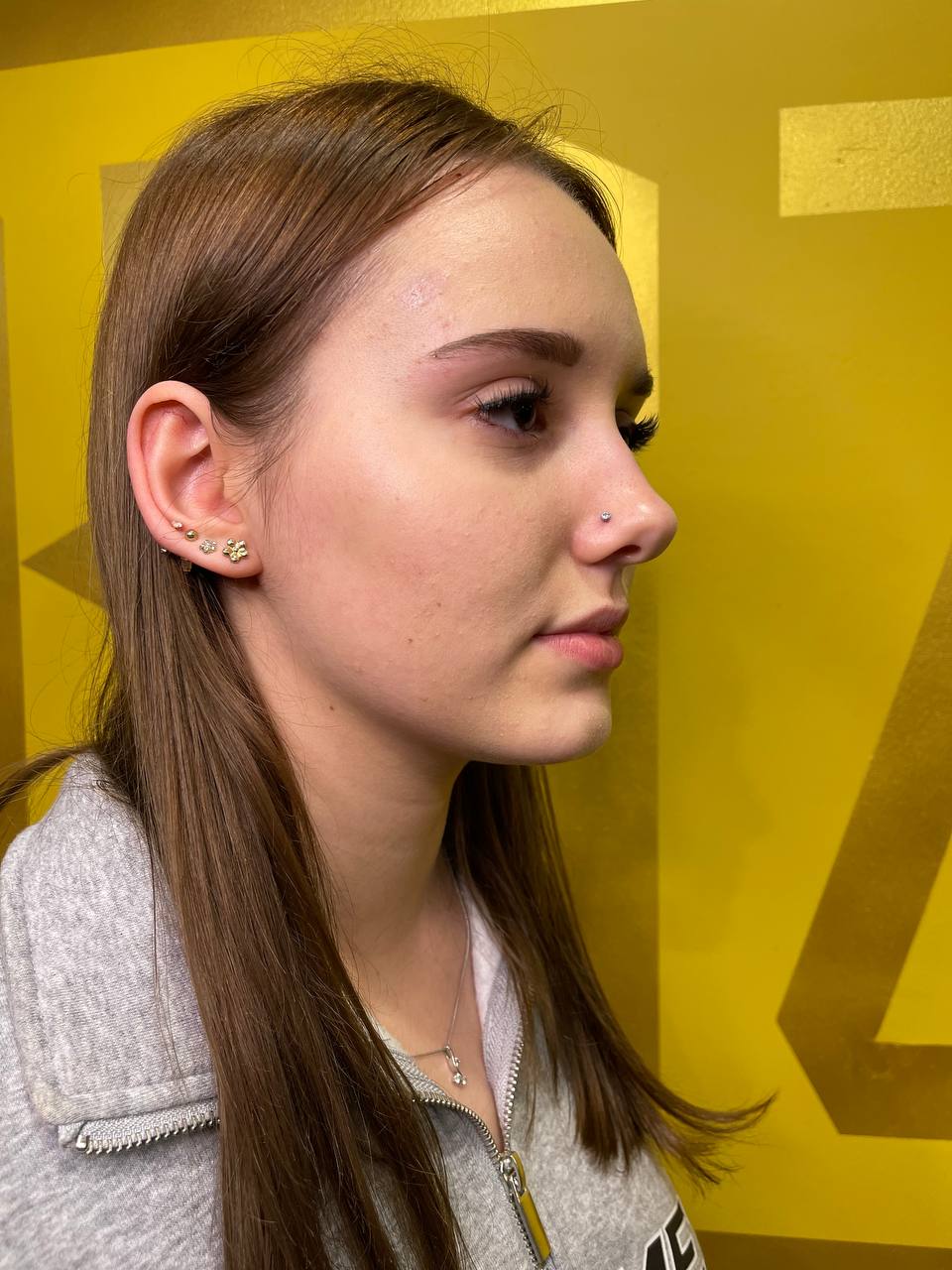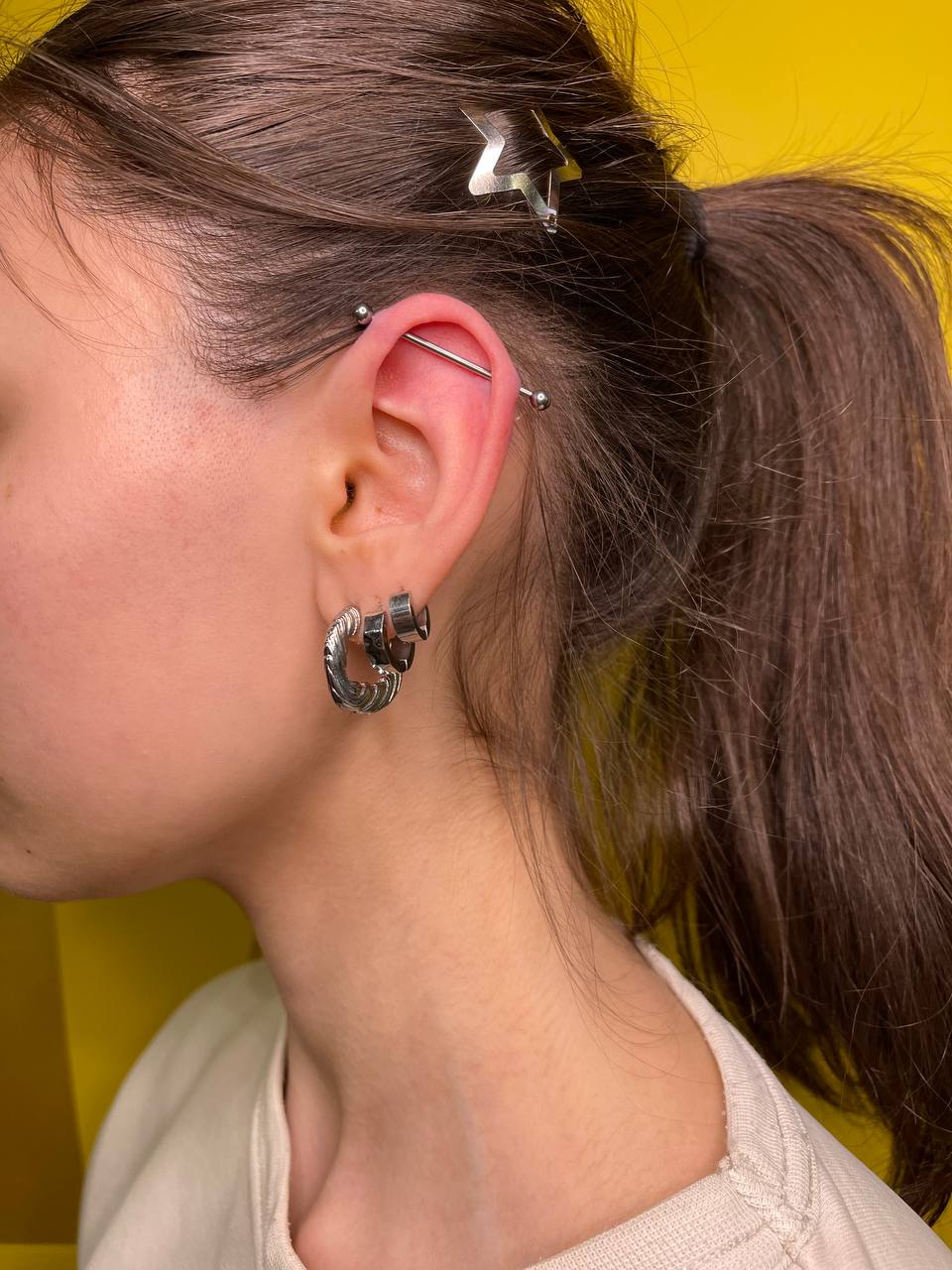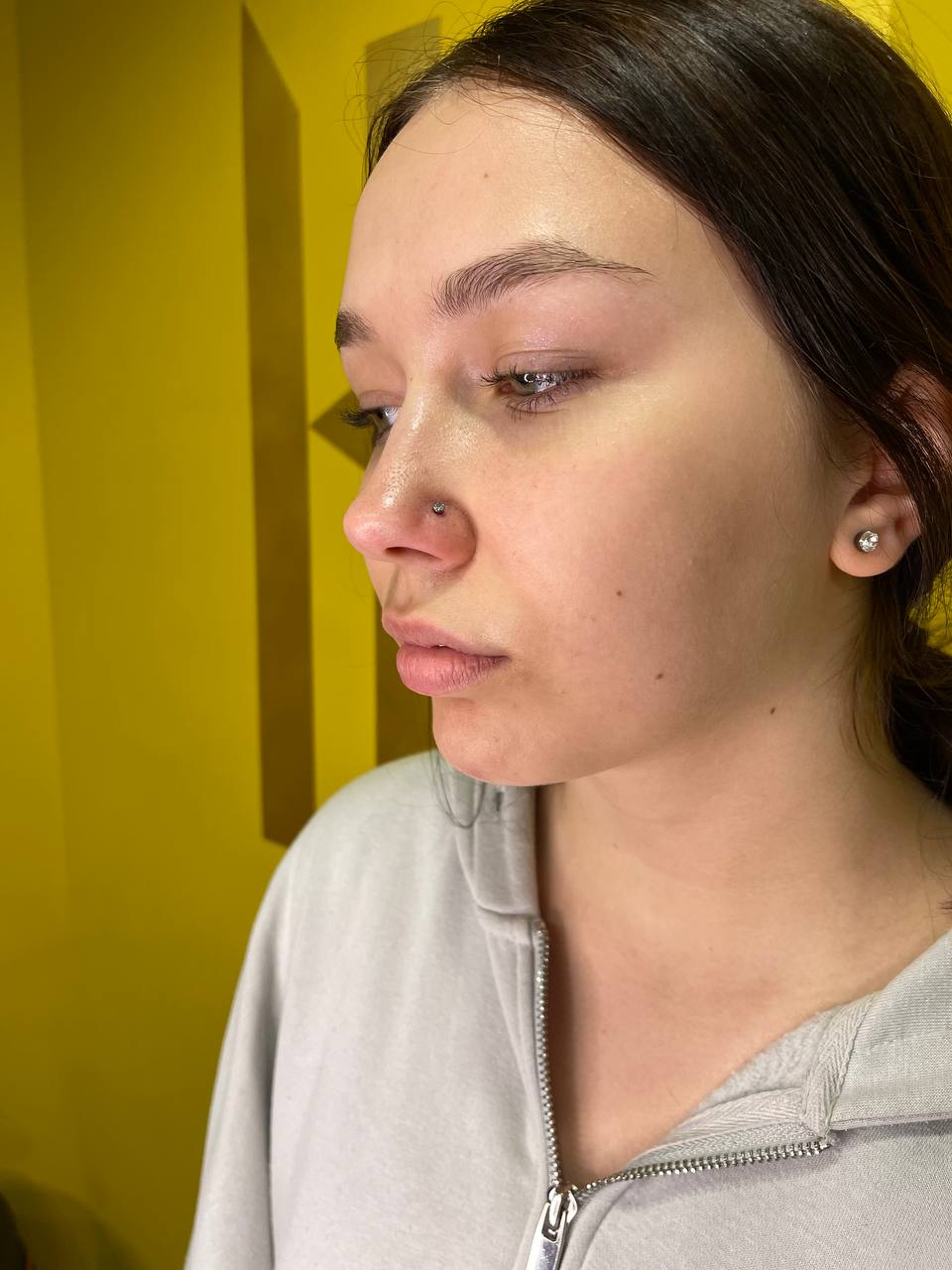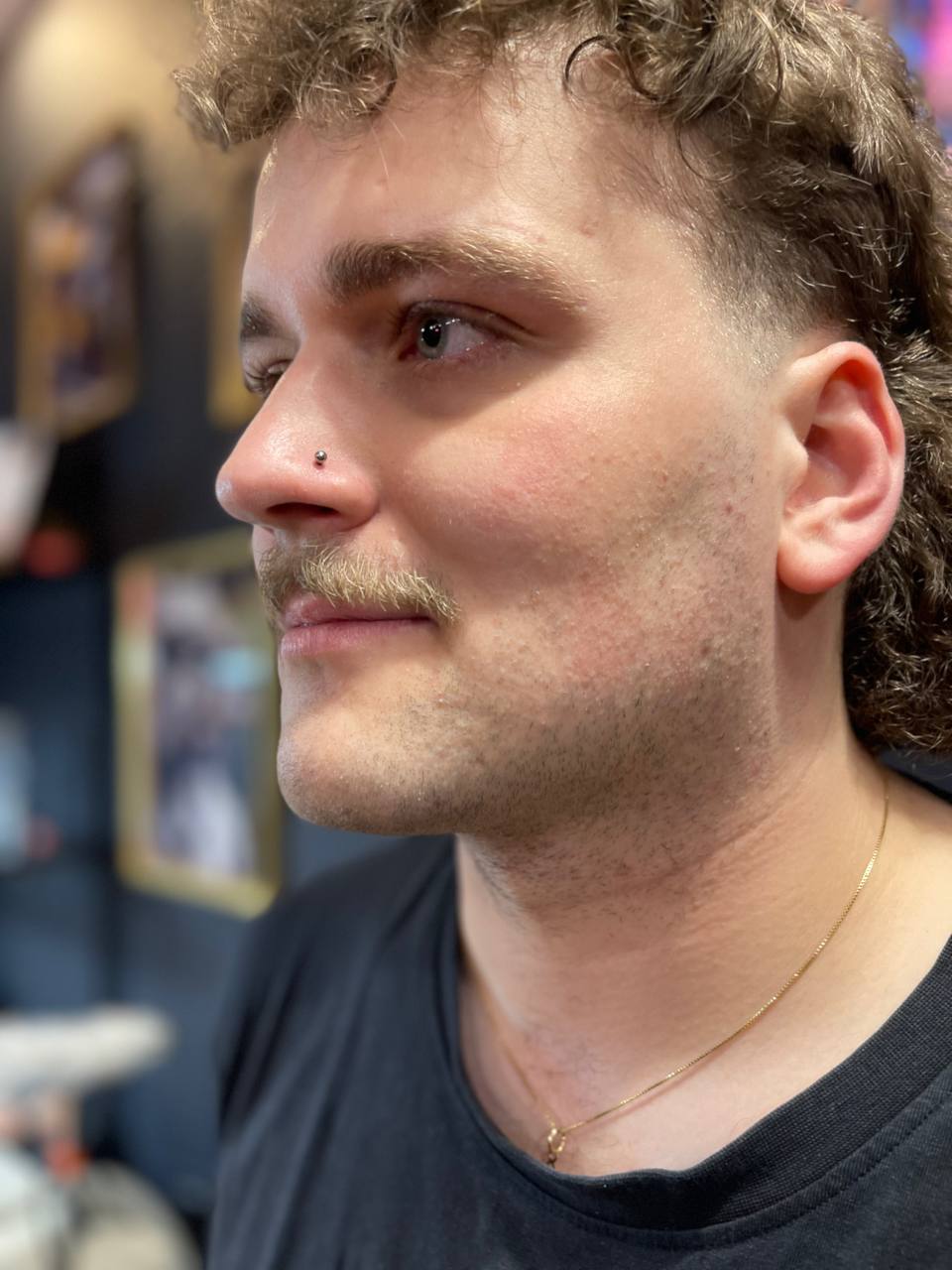
You’re choosing jewellery for a fresh piercing and suddenly realise the subject is much more complicated than simply “silver or gold”. Titanium, surgical steel, 14k gold, 18k gold, PVD coatings, anodising, implant grade, ASTM… And all you really want to know is what’s best to wear in a fresh piercing to give it the right conditions to heal.
The short answer? For many people, high-quality implant-grade titanium is an excellent first choice. But properly certified steel and suitable solid gold can also be safe materials for a fresh piercing. The details matter: alloy composition, standards, surface quality, jewellery construction and choosing the right size for your anatomy.
So instead of asking only “titanium or steel?”, it’s better to ask a different question: is this particular piece of jewellery suitable for a fresh piercing, and can its material be verified?
Jewellery material for a fresh piercing – why does it matter so much?
A fresh piercing is a wound that needs time to form a stable channel. The jewellery stays in place throughout the healing process and remains in direct contact with the tissue.
If the material is poor quality, the surface has micro-scratches, the coating wears away or the alloy releases irritating components, a fresh piercing may react with irritation, swelling and persistent inflammation.
If you’re planning piercing in Katowice, pay attention not only to the piercing procedure itself but also to the jewellery that is fitted initially.
Titanium, gold or steel – which is best?
There is no single answer that works for everyone, but there is a sensible way to compare the options.
Implant-grade titanium is lightweight, corrosion-resistant and does not contain nickel as an alloying element in the same way steel does. That’s why it is often chosen for people with sensitive skin or a history of reactions to nickel.
Implant-grade steel can be suitable for fresh piercings if it meets the appropriate standards, such as ASTM F138 or ISO 5832-1. However, simply seeing the words “surgical steel” on an online listing is not proof of quality.
Solid gold in 14k or 18k can be a good choice if it has the right alloy composition, a smooth finish and — in the case of white gold — contains no nickel. So we’re not talking about just any gold jewellery.
Implant-grade titanium – why is it so popular?
Titanium has several qualities that make it particularly suitable for fresh piercings. It is lightweight, generally well tolerated by the body, corrosion-resistant and can be polished to a very smooth, mirror-like finish.
The Association of Professional Piercers lists titanium compliant with ASTM F136 or ISO 5832-3, as well as titanium compliant with ASTM F67, among the materials suitable for initial jewellery.
This matters because the word “titanium” on its own is too broad. There are many different grades and titanium alloys on the market. For a fresh piercing, it’s worth choosing a material with documented specifications intended for contact with the body.
ASTM F136 – what does it actually mean?
This specification covers Ti-6Al-4V ELI titanium alloy used, among other things, for implant applications. In piercing, ASTM F136 is one of the most commonly seen indicators that the material has a controlled composition.
You don’t need to understand the entire standard. In a good studio, it should be enough to ask: “Is this jewellery made from ASTM F136 titanium?” and receive a specific answer rather than “Don’t worry, it’s medical titanium.”
What about ASTM F67?
ASTM F67 covers commercially pure titanium used in surgical implants. It is also included by the APP among materials accepted for fresh piercings.
For the client, the differences between individual grades matter less than whether the manufacturer can actually document the material’s compliance.
Is titanium a good choice if you’re allergic to nickel?
That’s often one of the reasons it’s chosen. Implant-grade titanium is a popular option for people who have previously reacted to jewellery containing nickel.
If cheap earrings have made your ears itch, caused your earlobes to become red, or your skin reacts to metal buttons and buckles, tell your piercer before the procedure.
Not every reaction to jewellery means a nickel allergy, but such a history is a good reason to choose the material carefully.
Can titanium cause an allergic reaction?
Reactions to titanium are considered rare, but in medicine the word “impossible” is rarely appropriate. If a piercing remains irritated for a long time despite proper aftercare, the whole range of possible causes should be considered: jewellery size, piercing angle, pressure while sleeping, cosmetics, mechanical trauma and only then the material itself.
Anodised titanium – is the colour safe?
Titanium can be anodised, which means changing its colour through a controlled oxide layer on the surface of the metal. This is not a traditional “paint” applied to the jewellery.
Anodising can produce gold, blue, purple, green and other shades without adding a decorative paint coating.
If you want a gold look but don’t want to invest in solid gold, anodised titanium is often a very practical option for initial jewellery.
Is black titanium anodised?
Not in the same way as typical anodised colours. Black finishes are often created using additional coatings, so it’s important to check exactly what is on the surface of the jewellery and whether the manufacturer recommends it for fresh piercings.
With a new piercing, colour alone shouldn’t determine your choice.
Surgical steel – why is there so much confusion?
“Surgical steel” sounds very professional. The problem is that in retail, the term is often used to describe a very broad range of products.
For a fresh piercing, the important thing isn’t the marketing word “surgical” but the actual material specification.
The APP lists steel compliant with ASTM F138 or ISO 5832-1 among the materials suitable for initial jewellery.
Does steel contain nickel?
Stainless steel alloys can contain nickel. That doesn’t automatically mean every certified implant-grade steel will cause problems, but for people with a known sensitivity to nickel, titanium is often a more practical option.
That’s why saying “steel is safe for everyone” would be an oversimplification.
316L and 316LVM steel – are these labels enough?
These designations appear very frequently, but for a fresh piercing it’s worth looking beyond them. What matters is a documented material standard and the traceability of the specific batch.
A very cheap piece of jewellery described on a marketplace as “316L surgical steel” doesn’t automatically give you the same level of confidence as jewellery from a manufacturer that provides material documentation.
When can steel be a good choice?
If it is high-quality jewellery that meets the appropriate standard, has a perfectly polished surface and is correctly sized, steel can be used in a fresh piercing.
There’s no need to demonise the material as a whole. The important thing is to distinguish implant-grade steel from random jewellery described only with a marketing term.
Titanium or steel – what should you choose for your first piercing?
If you don’t have any particular preferences, implant-grade titanium is a very safe and practical starting point.
It is lighter than steel, works well for many piercing locations and is a convenient choice for people sensitive to nickel. Implant-grade steel can still be an appropriate option, but it’s worth knowing exactly what you’re wearing.
Gold for a fresh piercing – yes, but not just any gold
Gold is associated with luxury and “the best material”, but simply seeing 14k or 18k doesn’t tell you everything you need to know.
Pure 24k gold is very soft. Piercing jewellery needs sufficient hardness to maintain its shape, threading and smooth surface, so gold is alloyed with other metals.
The APP accepts solid 14k–18k yellow or white gold for fresh piercings when it has an appropriate composition; white gold should be nickel-free.
Why not 24k gold?
Because it is too soft for most piercing jewellery. It can scratch, deform or damage its threading more easily.
And micro-scratches and damaged surfaces are exactly what you don’t want in a fresh piercing.
What about gold below 14k?
The lower the karat, the greater the proportion of other metals in the alloy. According to APP standards, jewellery below 14k should not be used as initial jewellery for a fresh piercing.
So it isn’t simply a case of “gold is always good”. The specific alloy matters.
White gold – what should you look out for?
White gold gets its colour from additional metals in the alloy. Cheaper jewellery may contain nickel, which is a common contact allergen.
For a fresh piercing, look for white gold where the manufacturer clearly states that it is nickel-free.
Yellow gold – is it safer?
Solid 14k–18k yellow gold from a manufacturer specialising in body jewellery can be an excellent material for initial jewellery.
Again, however, the quality of the entire piece matters. Even expensive gold with sharp threading, a poorly polished surface or the wrong size won’t be a good choice.
Rose gold for a fresh piercing
The pink colour is usually achieved through a higher copper content in the alloy. The APP notes that coloured alloys such as rose gold or green gold may be more likely to cause adverse reactions than appropriate yellow or white gold.
If you really want rose gold, it’s worth discussing the specific product with your piercer rather than assuming that every piece of jewellery in this colour is suitable for a fresh piercing.
Gold plated jewellery – why isn’t it the same as solid gold?
Gold-plated jewellery only has a thin layer of gold over another material. If the coating becomes scratched or starts wearing away, fresh tissue may come into contact with the metal underneath.
For initial jewellery, it’s better to choose a material that is suitable throughout the entire piece rather than one that only looks good because of its coating.
Gold filled and vermeil – are they suitable for a fresh piercing?
These are also layered products. They have their uses in conventional jewellery, but fresh piercings have stricter requirements.
If you want a gold colour, a simpler solution is suitable solid gold or anodised titanium.
What about PVD?
PVD is a technology used to apply a thin coating. The quality of these coatings can vary considerably, so the abbreviation PVD alone doesn’t tell you whether a particular product is suitable for a fresh piercing.
For initial jewellery, it’s better to consider the manufacturer’s standards and whether the product is specifically recommended for initial use rather than focusing only on colour.
The most important thing besides the material: the jewellery surface
You can have an excellent titanium alloy, but if its surface is covered in scratches and burrs, the tissue will be constantly irritated.
The Association of Professional Piercers emphasises that initial jewellery should have a smooth, mirror-like finish without scratches, burrs or polishing residue.
That’s something you can hardly assess from an online shop photo.
Internal or external threading?
For fresh piercings, internally threaded jewellery or a threadless system is considered the quality standard.
With external threading, the sharp threads are located on the part that passes through the piercing channel during insertion. This can cause additional trauma to fresh tissue.
With internal threading, the post that passes through the skin is smooth, while the thread is located inside it.
Threadless – what does it mean?
This is jewellery without traditional threading. The decorative end has a thin pin that locks into the post through tension.
Good threadless systems are very popular in professional piercing because the part passing through the piercing channel remains smooth.
Is a labret better than a traditional butterfly-back earring?
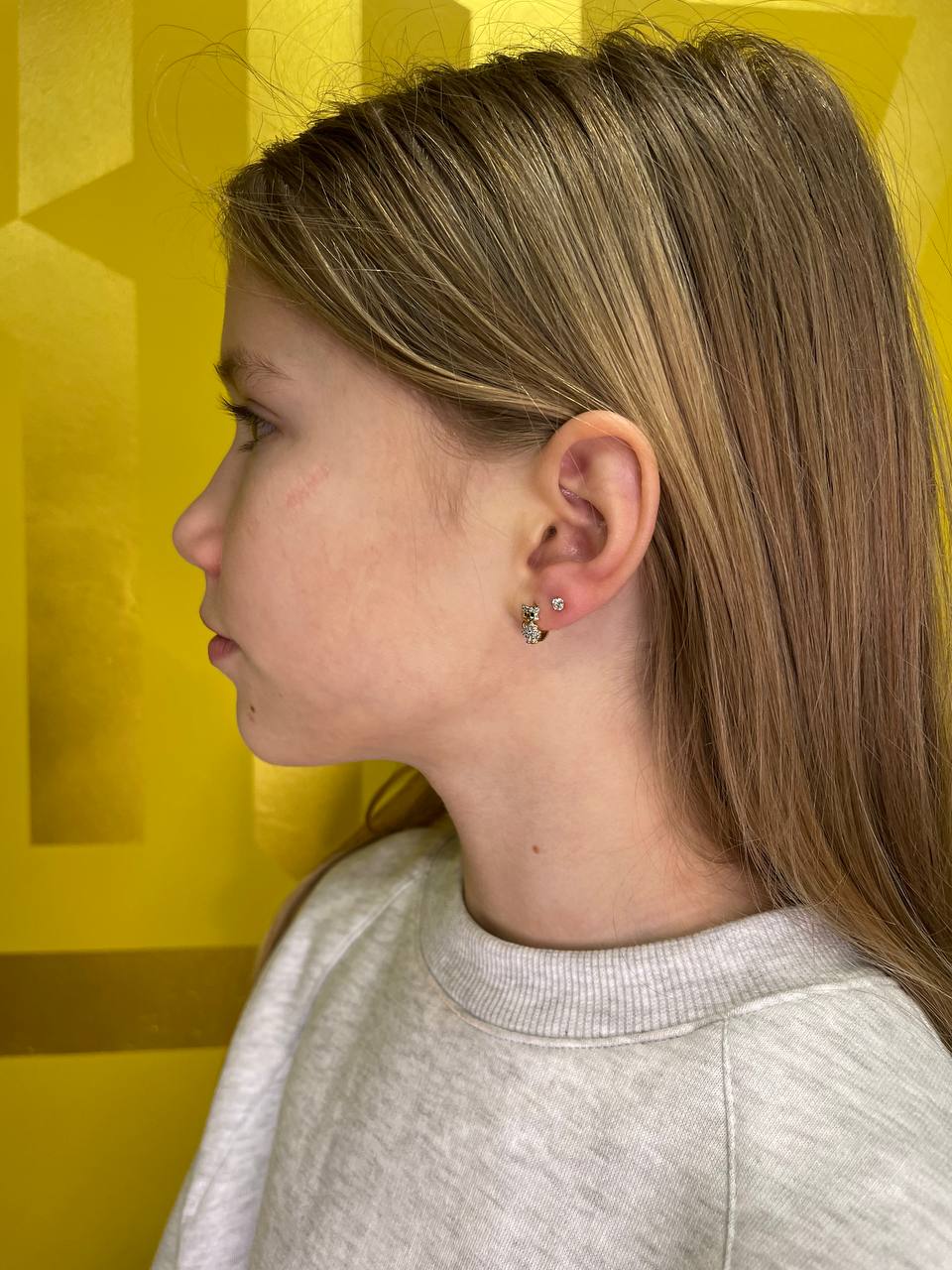
For many ear piercings, a flat-back labret is much more comfortable than a traditional stud with a butterfly back.
Butterfly backs can collect discharge and make cleaning more difficult, while conventional earrings often don’t leave enough room for the initial swelling.
The jewellery type should always be chosen according to the specific piercing and your anatomy.
Size is just as important as material
Even perfect ASTM F136 titanium can cause problems if the jewellery is too short.
A fresh piercing can swell, so the initial post usually includes a controlled amount of extra room. If the jewellery is too tight, it can compress the tissue and may even begin to embed into it.
What if the jewellery is too long?
Initially, the extra length is necessary because of swelling. Once the swelling goes down, the jewellery may begin to stick out.
A post that is too long is easier to catch on a towel, hair or clothing. It can also increase movement in the piercing channel and cause irritation.
That’s why many piercings later require downsizing, meaning the piercer replaces the initial post with a shorter one.
Can you change the jewellery yourself after a few weeks?
It’s not a good idea to do this simply because the piercing “doesn’t hurt anymore”. A lack of pain doesn’t mean the piercing channel has fully healed.
The APP recommends that necessary jewellery changes during healing — including downsizing — should be performed by a qualified piercer.
Is silver suitable for a fresh piercing?
Sterling silver 925 is a popular material for many types of conventional jewellery, but it isn’t a standard material for initial piercing jewellery.
It can react with its environment, tarnish and contain other metals in the alloy. For a fresh piercing, it’s better to choose a material specifically intended for this purpose.
What about bioplast, PTFE and other plastics?
Plastics are sometimes used in specific situations, but the quality and intended use of these products vary considerably. It’s not a good idea to buy a random “plastic earring for allergy sufferers” online.
If you need a non-metallic alternative because of a medical procedure or another specific situation, discuss it with a professional piercer.
What about acrylic?
Acrylic isn’t a good standard choice for a fresh piercing. It can develop micropores and scratches and may not tolerate the sterilisation methods required in a professional studio.
There’s no reason to complicate the healing process when well-established materials are available.
Can you buy your own jewellery and bring it to the studio?
Not every studio will agree to use jewellery brought in by a client. The reason is simple: the piercer may not be able to verify the material, the quality of the finish or whether it can be properly sterilised.
If you have a specific piece of jewellery in mind, it’s best to ask before your appointment and send the studio the manufacturer’s exact specifications.
Why can cheap jewellery look exactly like professional jewellery?
Because you can’t see the alloy composition or microscopic surface defects with the naked eye.
Two labrets may look identical in a photo. One comes with material certification and precise polishing, while the other comes from an anonymous factory with no way to verify its composition.
For a fresh piercing, that difference matters more than the logo on the packaging.
Does a higher price always mean better quality?
No, but professional jewellery comes with costs you can’t necessarily see at first glance: certified materials, precision manufacturing, polishing, quality control and batch traceability.
The most expensive piece of jewellery isn’t necessarily the best for your anatomy, but an extremely low price combined with a complete lack of documentation should be a warning sign.
How should you ask a studio about the material?
You don’t need to interrogate anyone. A few simple questions are enough:
– What material is the initial jewellery made from?
– Does the titanium meet ASTM F136 or F67?
– Does the steel meet ASTM F138 or ISO 5832-1?
– Is the white gold nickel-free?
– Is the jewellery internally threaded or threadless?
– Do you offer downsizing when necessary?
A professional studio should be able to answer these questions clearly.
What should you choose for a helix piercing?
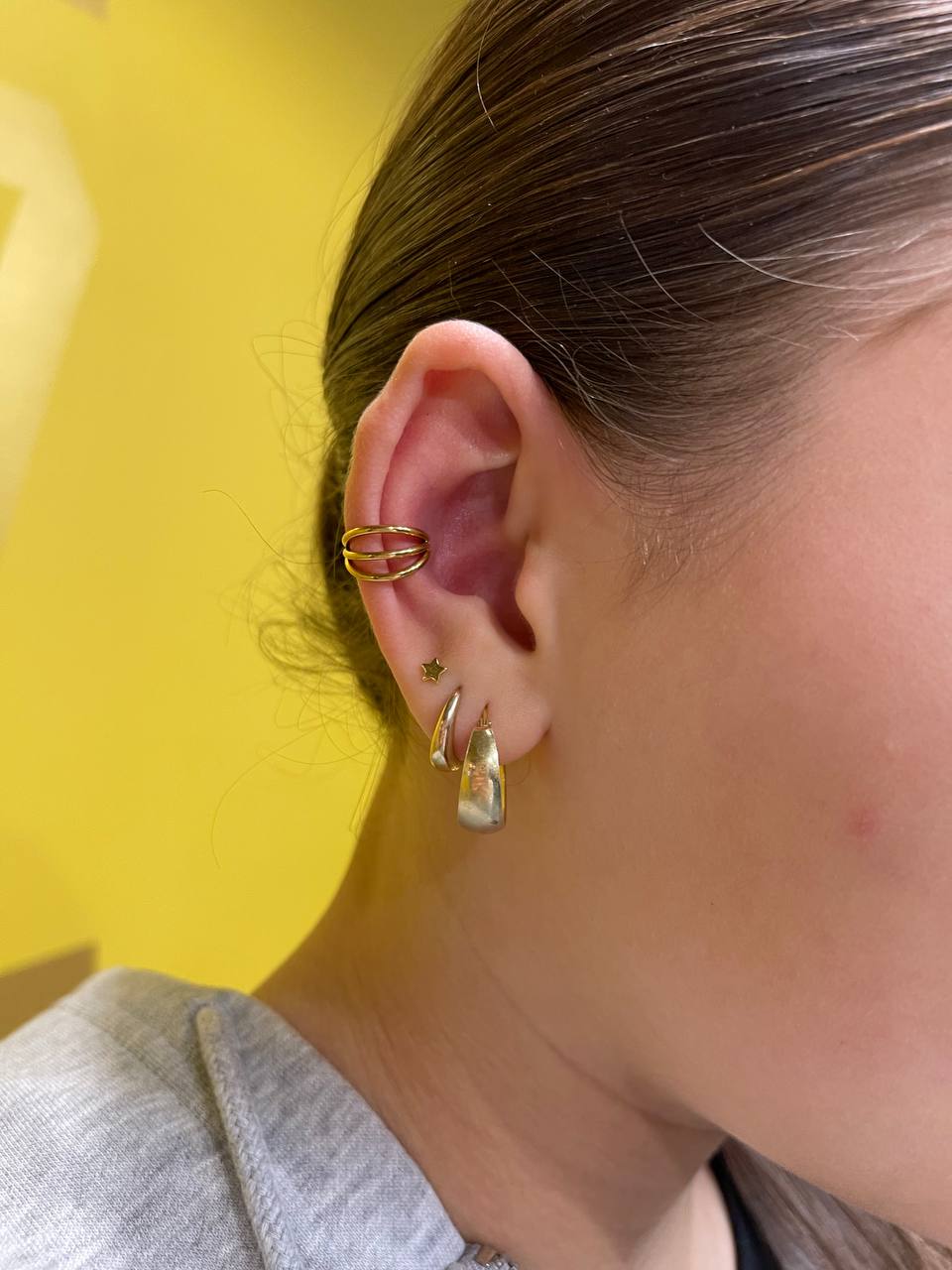
For a fresh helix, a titanium flat-back labret of the appropriate length is a very common choice. Cartilage can take a long time to heal, so lightweight and stable jewellery is practical.
The final shape and size, however, depend on the anatomy of your ear and the angle of the piercing.
What about a nostril piercing?
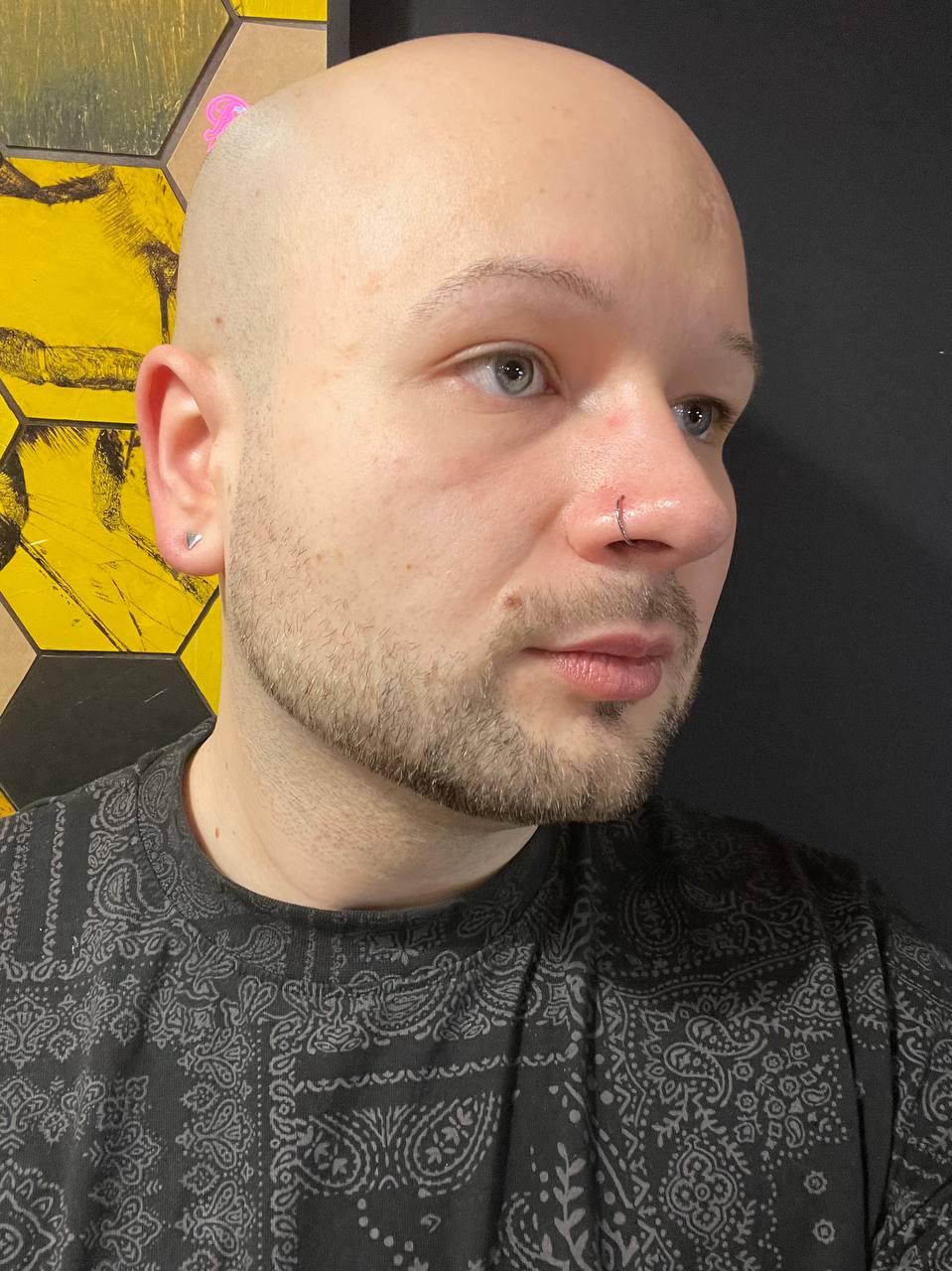
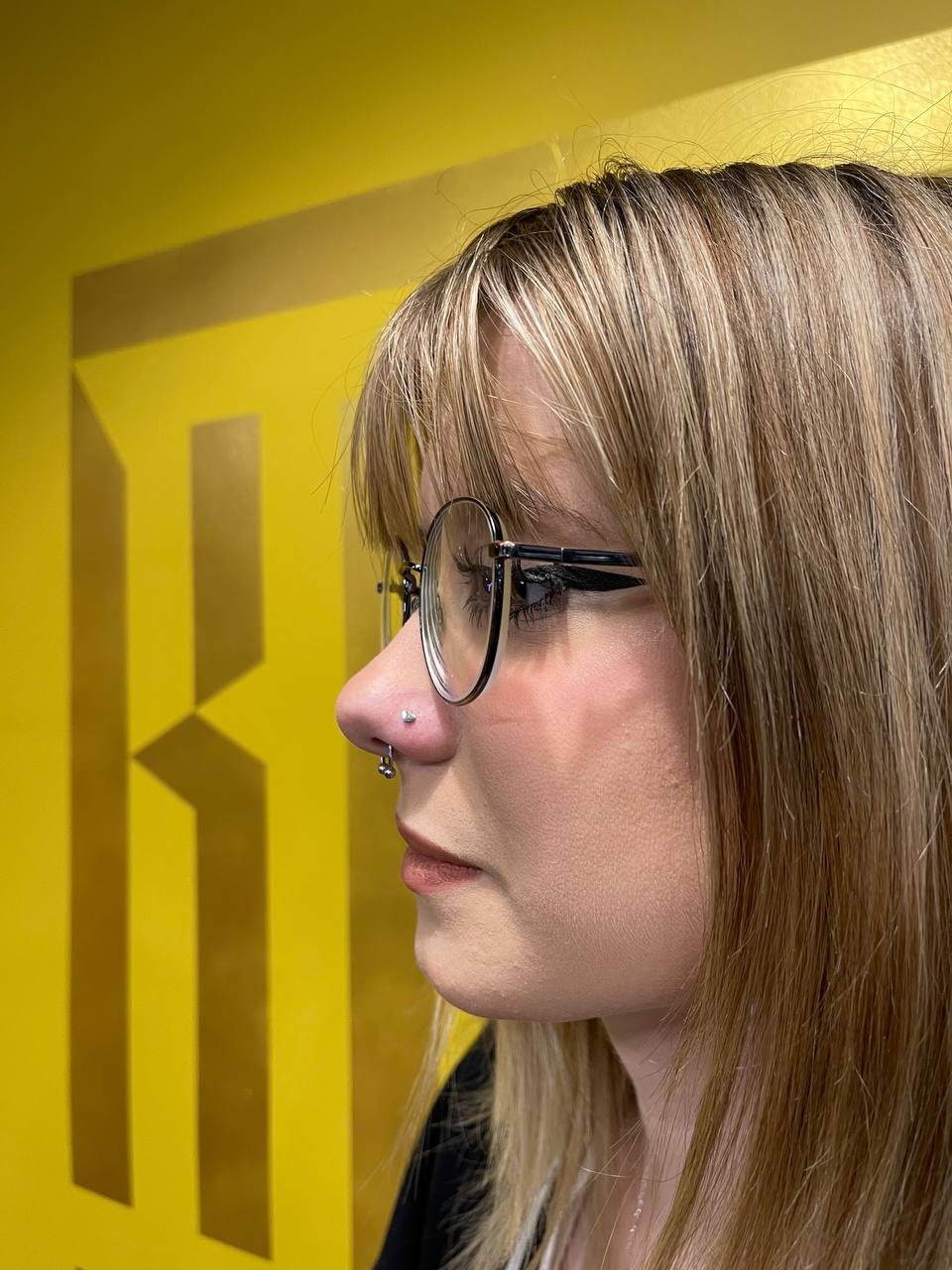
High-quality titanium or gold jewellery designed for fresh piercings can also be used for a nostril. The construction should reduce the risk of accidentally falling out while still leaving enough room for swelling.
It’s usually not worth starting with a tight ring simply because you prefer that look in photos.
Ring or labret for the initial jewellery?
It depends on the location. In many piercings, a stable labret can heal more easily because it moves less and is less likely to catch on things.
However, there are piercings where an appropriately sized ring is suitable as initial jewellery. The piercer should make this decision based on the anatomy and piercing location.
What about a conch piercing?
For a conch, a flat-back labret is a very popular initial option. A large decorative ring is usually fitted only after complete healing, provided the anatomy allows it.
The material should still meet the same quality requirements.
What about daith and septum piercings?
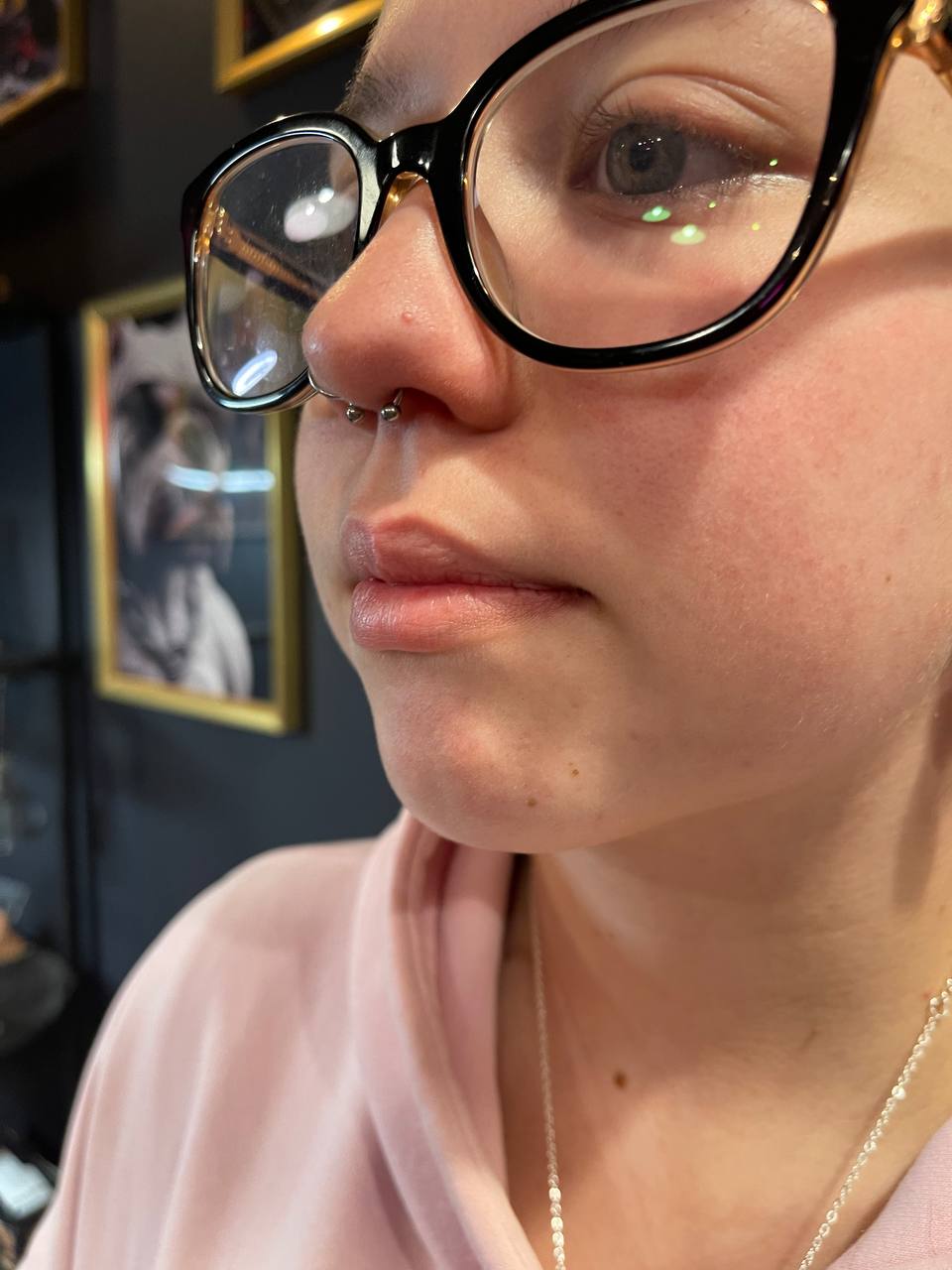
These are piercings where specific types of rings or circular barbells are often used from the beginning. The correct diameter, gauge and anatomy are just as important as the material.
What should you choose if your skin is very sensitive?
If you have a history of reactions to metals, implant-grade titanium is often the simplest choice. It’s also worth avoiding unnecessary coatings and decorative alloys with unclear compositions.
The fewer unknowns there are during healing, the easier it is to identify the cause if irritation occurs.
What if a fresh piercing itches?
Mild itching can occur during normal healing. On its own, it doesn’t prove that you’re allergic to the metal.
However, if you experience persistent itching, a rash, weeping skin changes or the problem doesn’t improve despite adjusting your aftercare, it’s worth consulting your piercer and, if necessary, a doctor.
Does redness mean the material is wrong?
No. A fresh piercing can naturally be red, tender and slightly swollen at first.
Irritation can also result from pressure while sleeping, jewellery that is too long, frequent touching, cosmetics, headphones or accidentally catching the piercing.
The material is one piece of the puzzle, not the only factor.
When should you suspect a problem with the jewellery?
If the piercing is constantly under pressure, the jewellery begins to embed into the tissue, its surface is damaged, the coating is wearing away or you have a confirmed allergy to one of the alloy components, it’s worth showing the piercing to a professional as soon as possible.
Don’t replace fresh jewellery yourself in the bathroom simply because you think “the material might be wrong”. Any change during healing should be performed in conditions that minimise additional trauma and contamination.
The best material can’t save a badly performed piercing
You can use the best titanium on the market, but if the piercing was performed at the wrong angle, the jewellery constantly presses against the tissue or your anatomy isn’t suitable for that particular piercing, the problem may keep coming back.
Choosing the right material is only one part of a safe piercing process.
Sterility matters too
Initial jewellery should be properly prepared and sterilised before insertion. A titanium certificate alone doesn’t replace correct hygiene procedures.
A professional studio should use an autoclave and follow procedures appropriate for treatments that break the skin barrier.
Titanium, gold or steel – a simple summary
If you want the simplest possible choice for your first piercing, implant-grade titanium compliant with ASTM F136 or F67 is a very strong option. It is lightweight and also works well for many people who are sensitive to nickel.
Implant-grade steel compliant with ASTM F138 or ISO 5832-1 can also be an appropriate material, but it shouldn’t be confused with every product marketed as “surgical steel”.
Solid 14k–18k gold can be an excellent premium option, provided the alloy is suitable for body jewellery and white gold is nickel-free. Don’t confuse solid gold with gold-plated jewellery.
Piercing in Katowice – how do you choose your first jewellery?
It’s best not to choose it based solely on a catalogue photo. Your piercer should assess your anatomy, expected swelling, and the appropriate length and construction of the jewellery.
At KRZ Studio in Katowice, you can discuss the type of piercing and choose jewellery suited to the location and stage of healing. If you’ve had previous reactions to metals or aren’t sure whether titanium, gold or steel would be better, mention this before the procedure.
Have questions about the material or a specific piercing? Contact KRZ Studio before your appointment.
Frequently Asked Questions
What is the best material for a fresh piercing?
For many people, implant-grade titanium compliant with ASTM F136 or F67 is an excellent first choice. Suitable implant-grade steel and solid 14k–18k gold can also be appropriate for fresh piercings.
Is surgical steel suitable for initial piercing jewellery?
It can be, provided the specific material meets an appropriate standard such as ASTM F138 or ISO 5832-1. The term “surgical steel” alone isn’t enough to determine its quality.
Is 14k gold suitable for a fresh piercing?
Yes, provided it is solid gold with an appropriate composition and high-quality finish. White gold should be nickel-free. Gold-plated jewellery is not the same as solid gold.
Is titanium a good choice if you’re allergic to nickel?
Implant-grade titanium is often chosen for people with nickel sensitivity because it isn’t a nickel-containing alloy like steel. If you have a confirmed allergy, it’s worth discussing the material individually with your piercer or doctor.
Can you change your initial jewellery yourself?
It’s best not to change jewellery yourself while the piercing is healing. If downsizing or a change of material is needed, it’s better to have it done by a professional piercer.