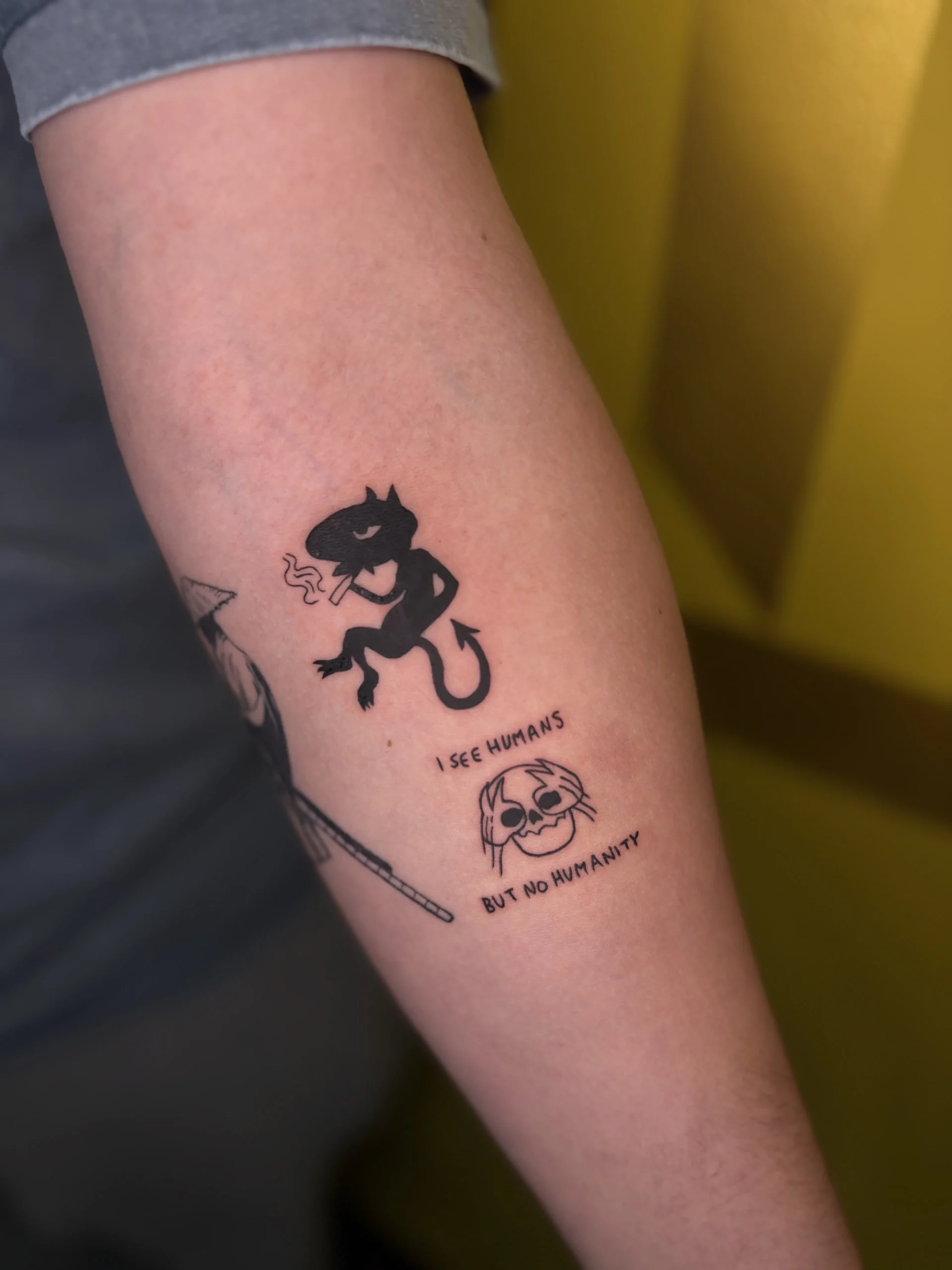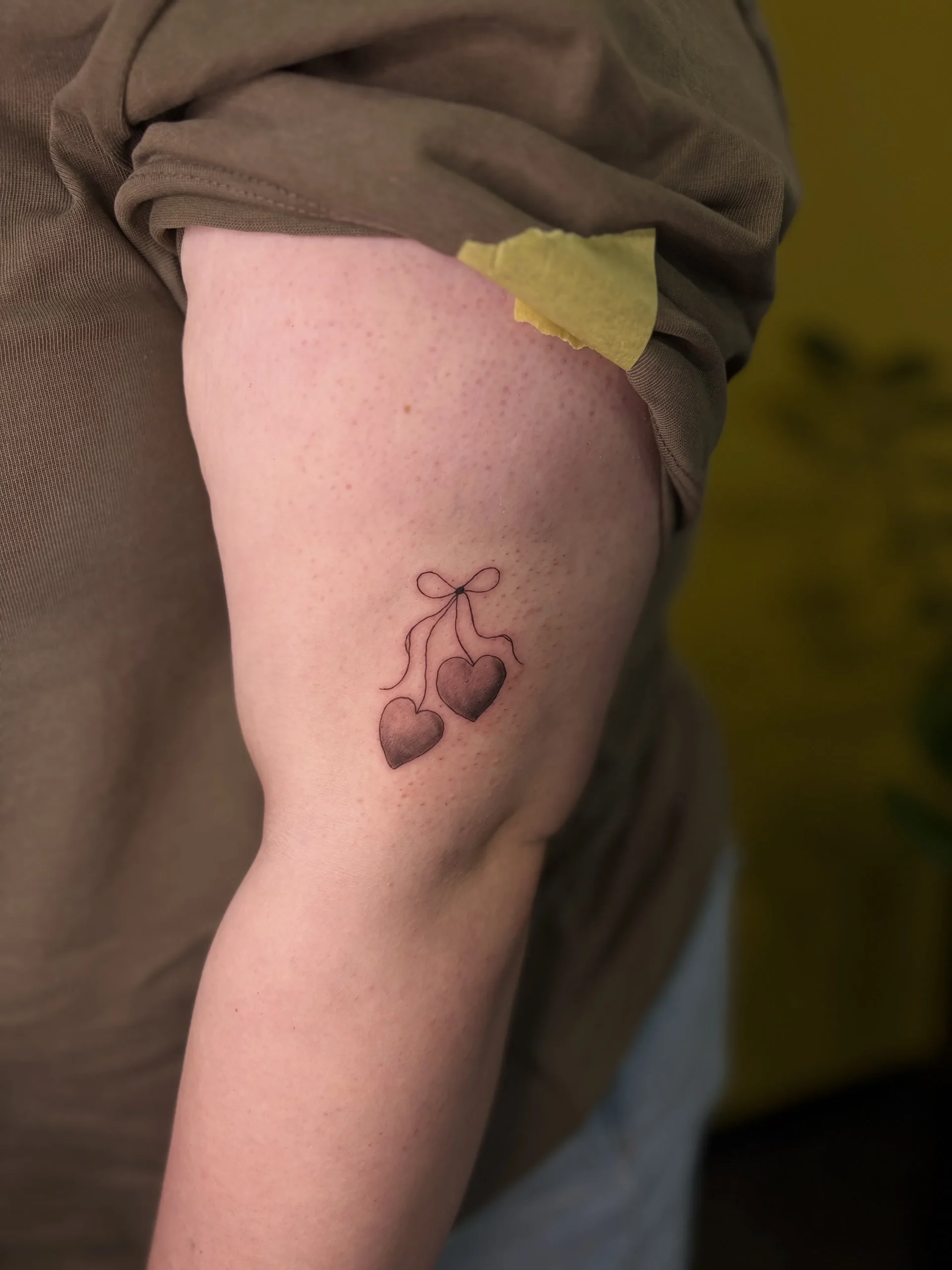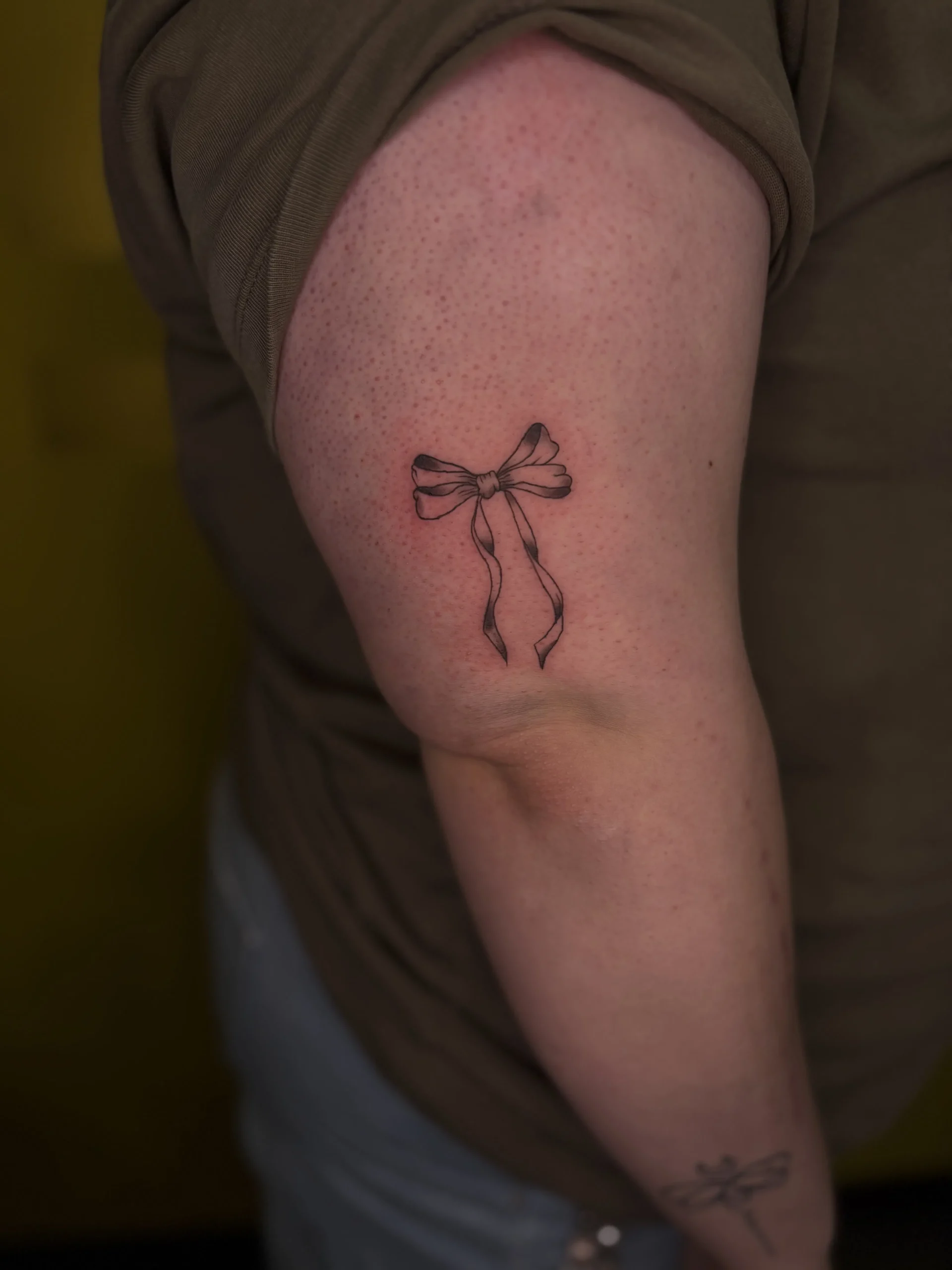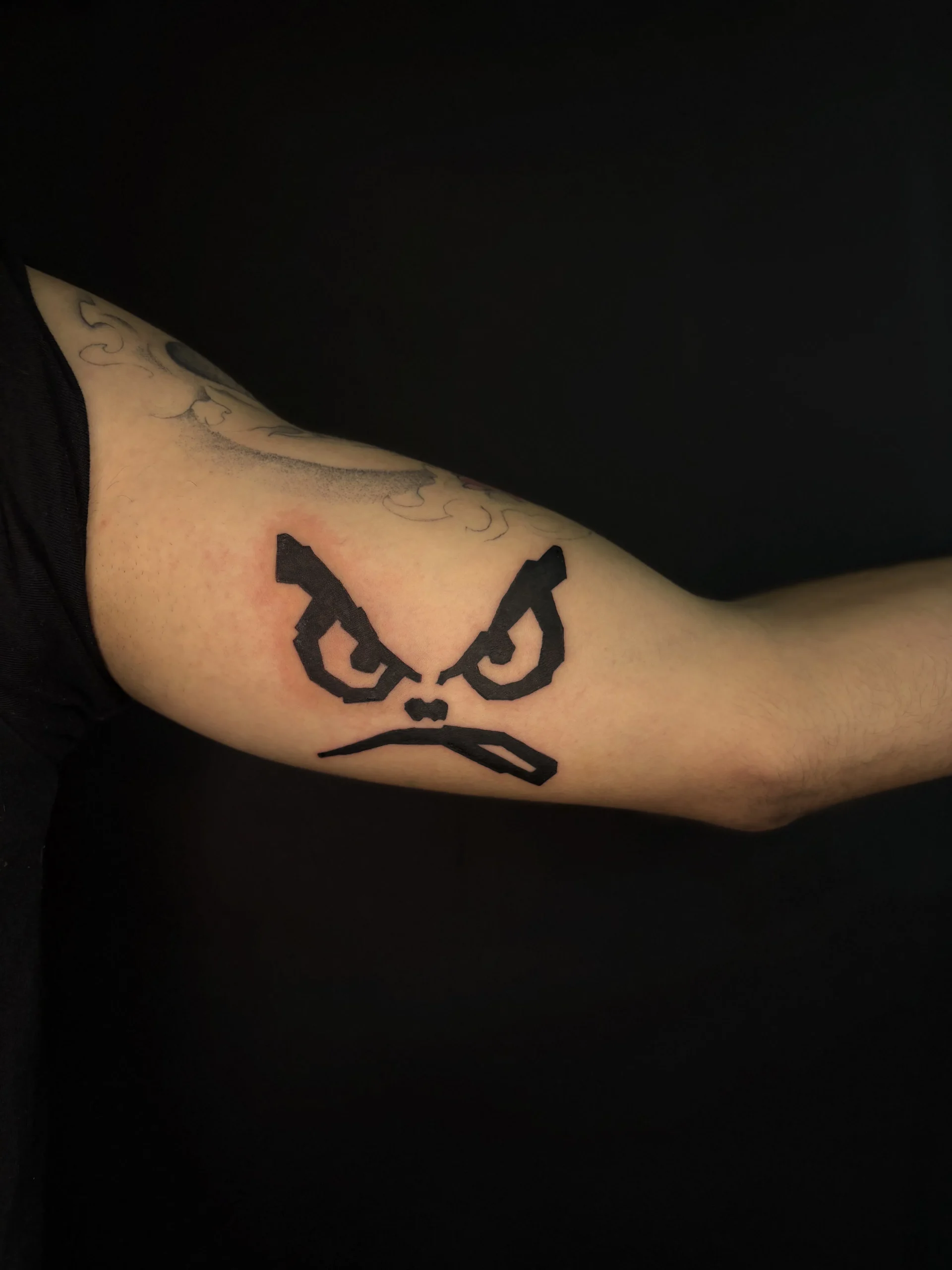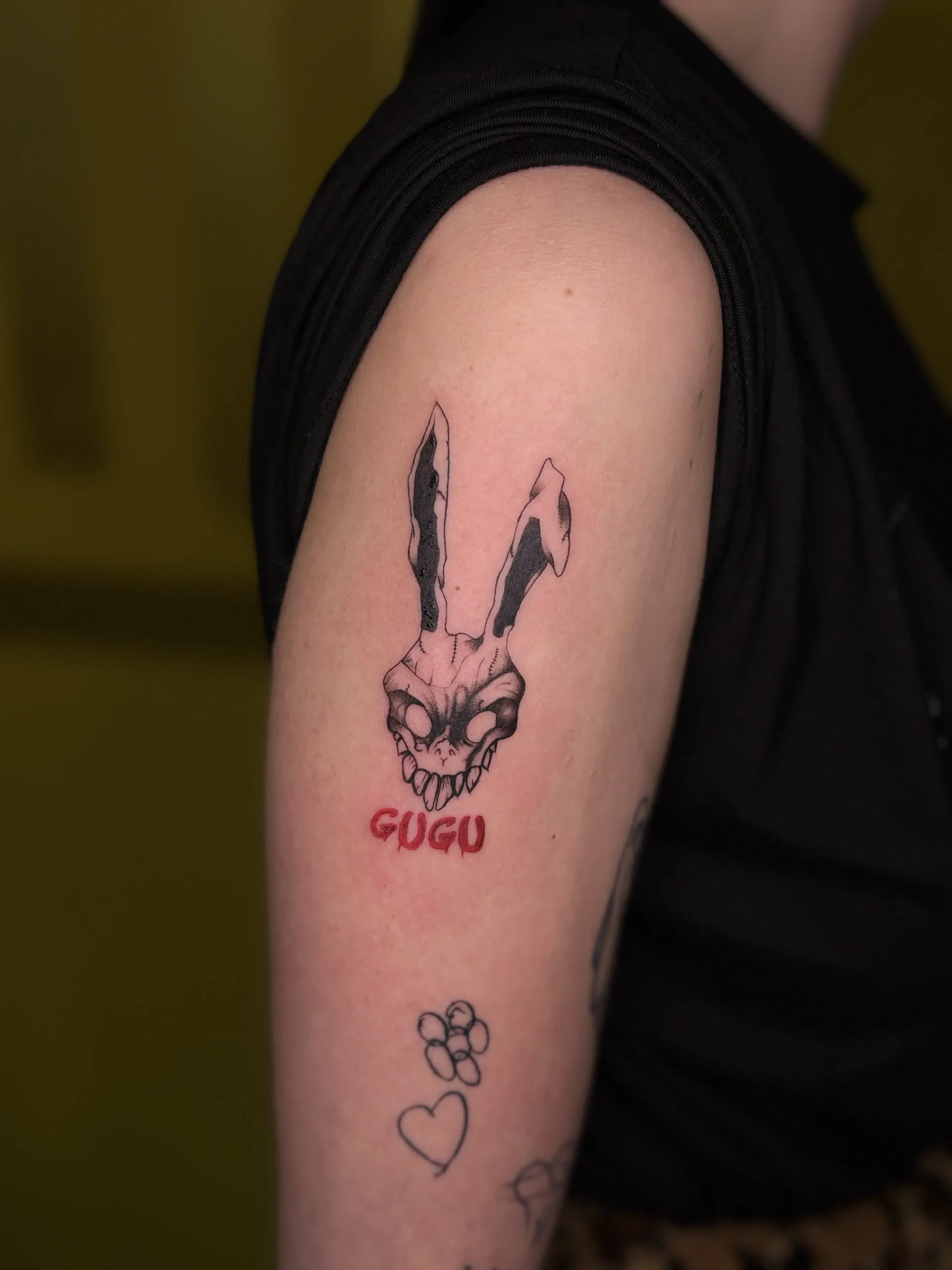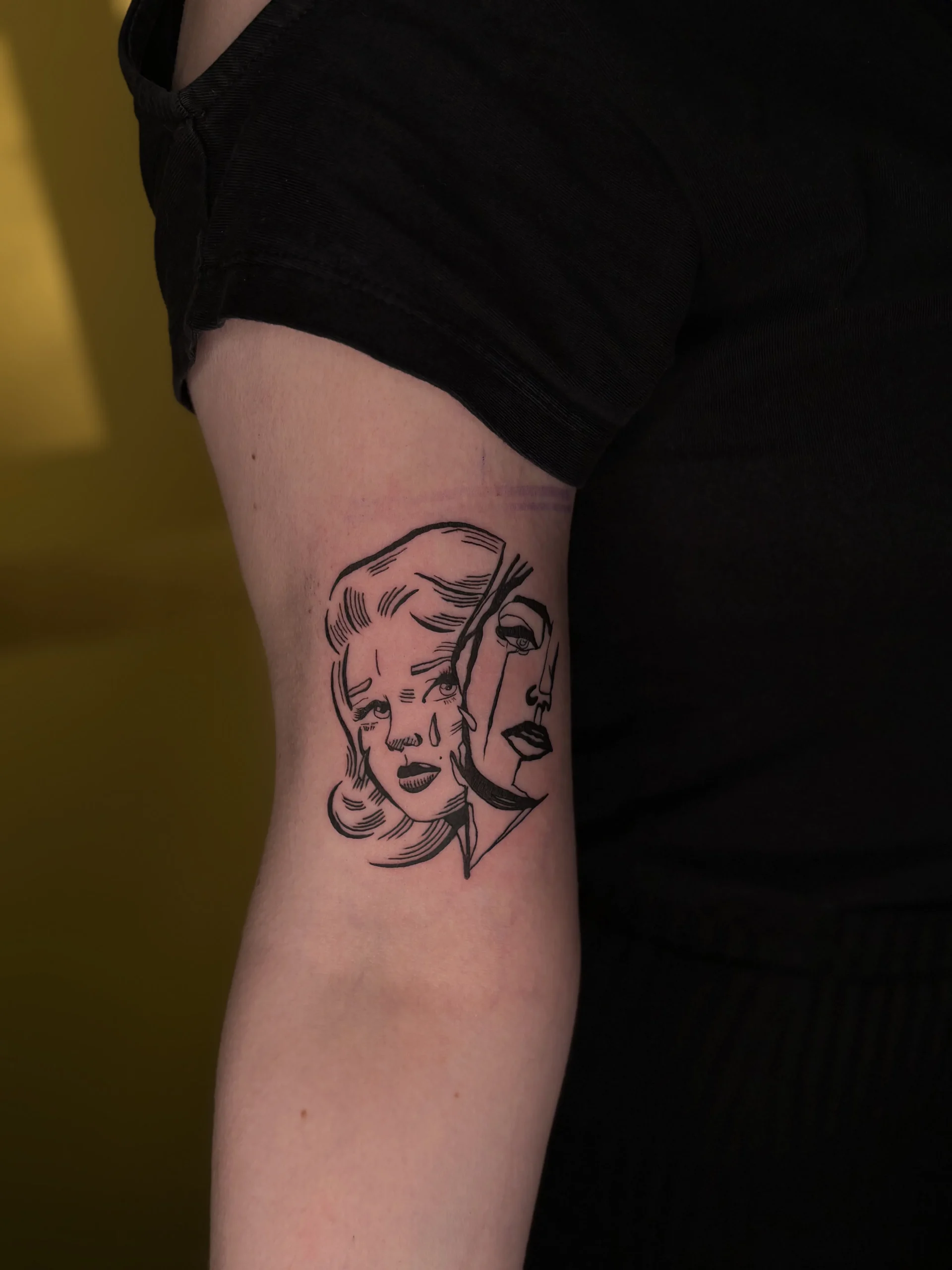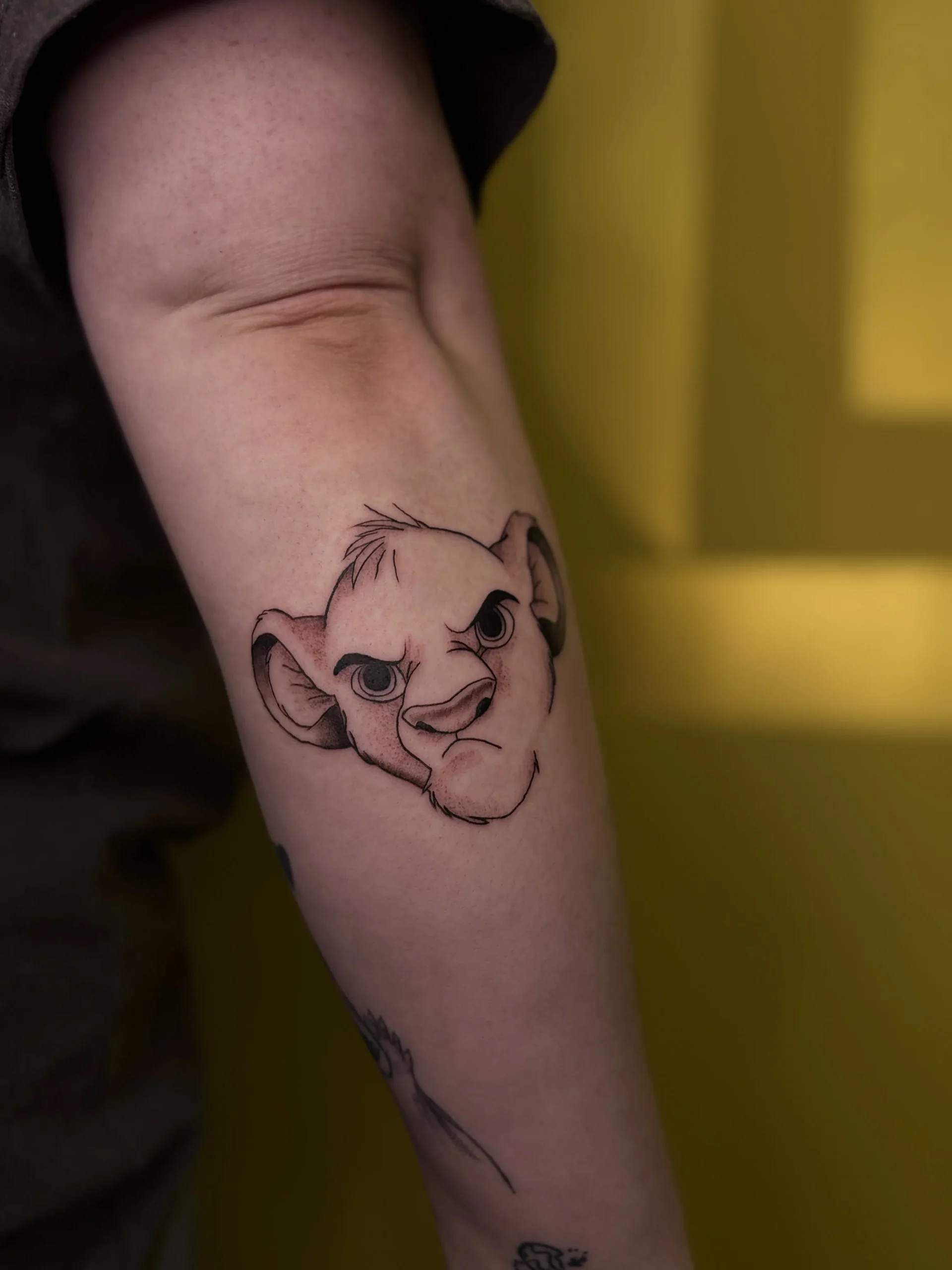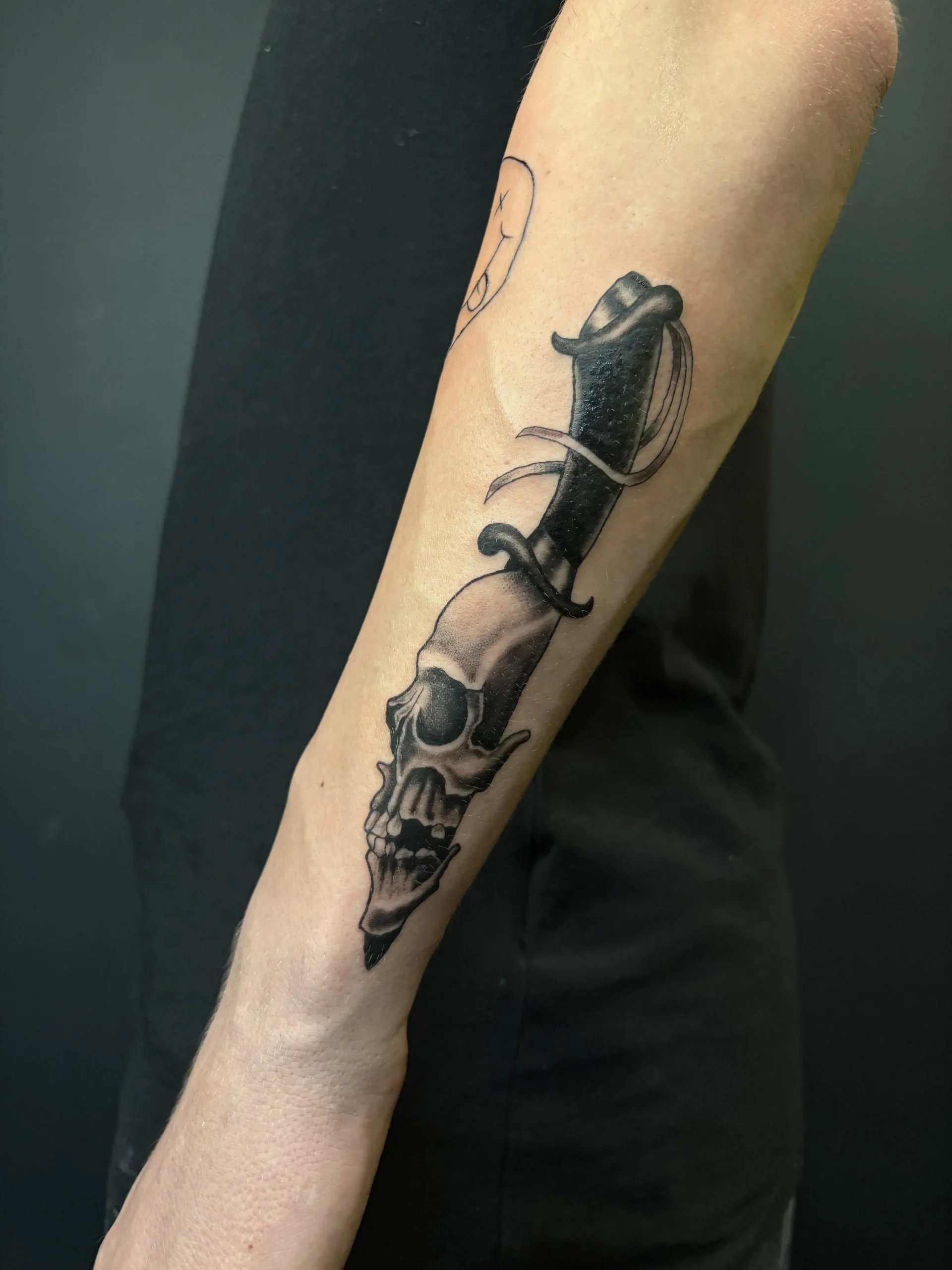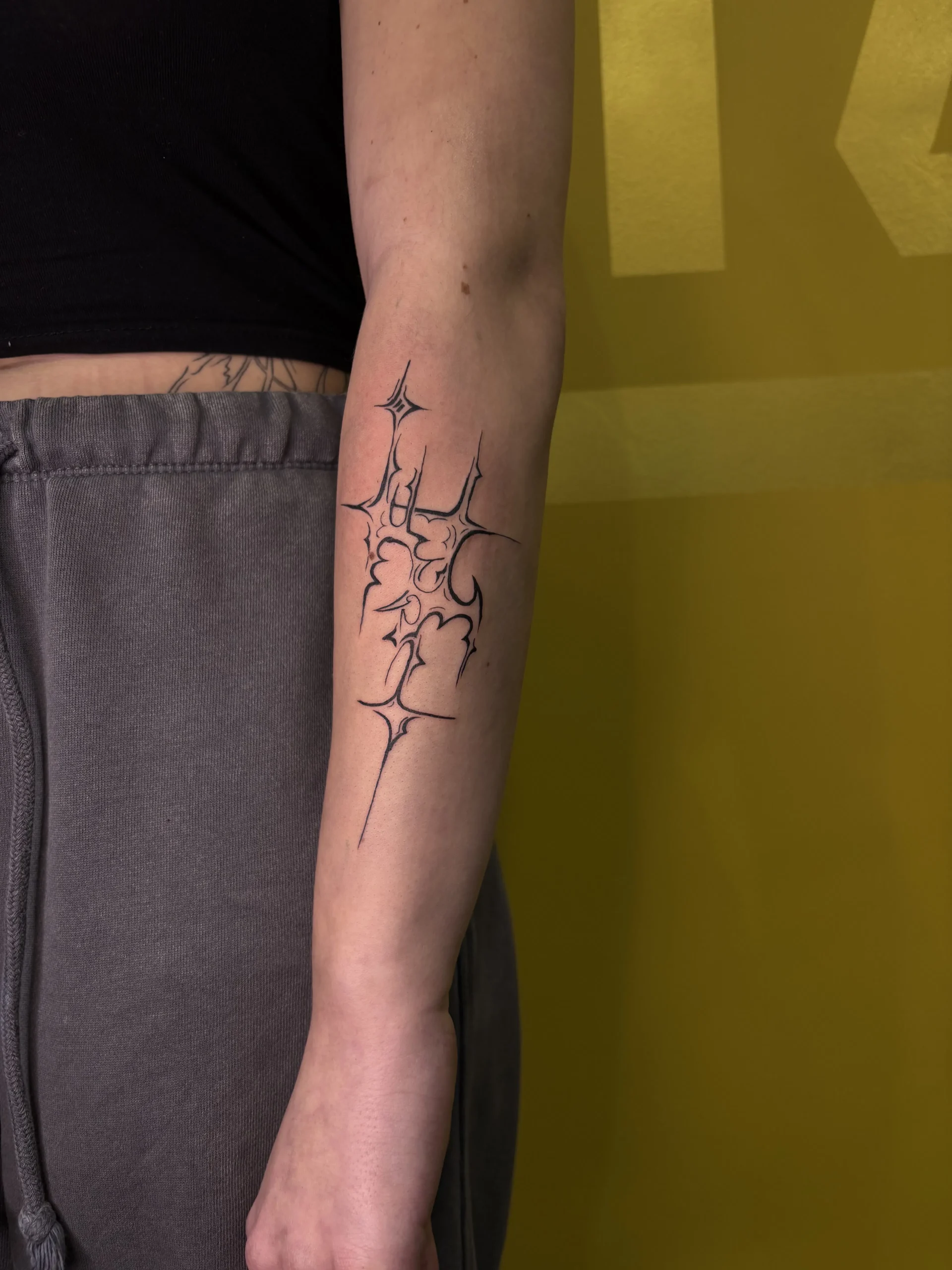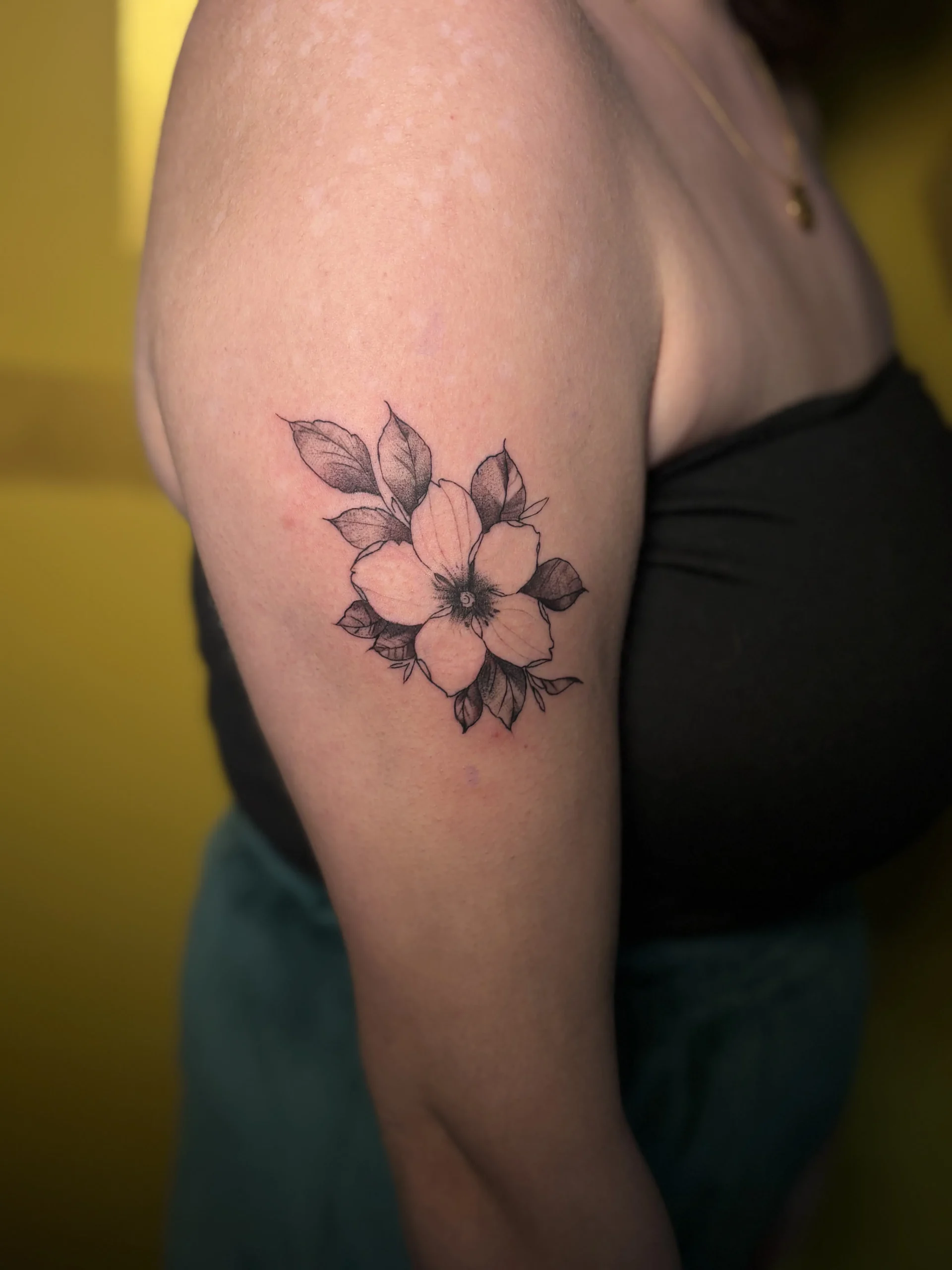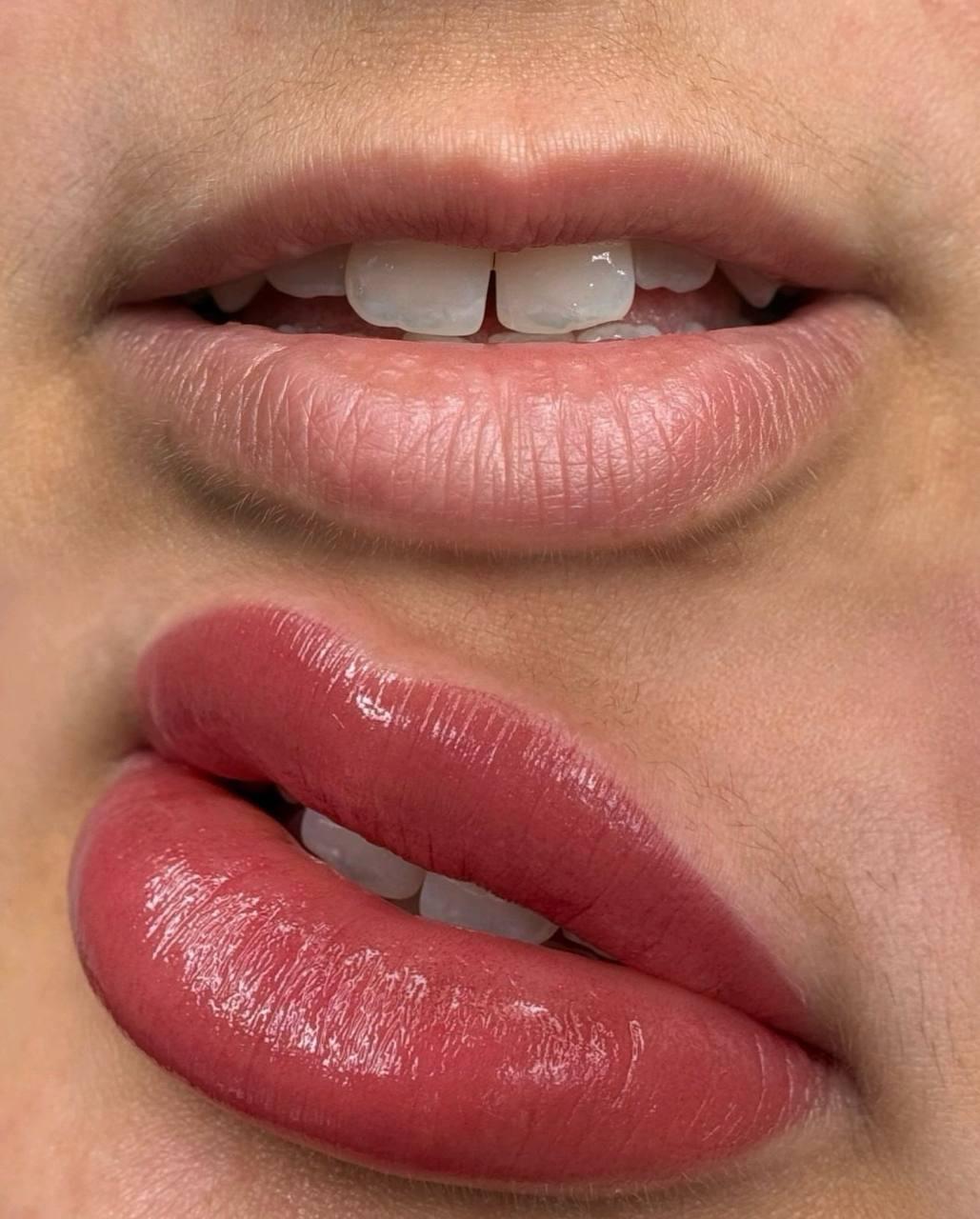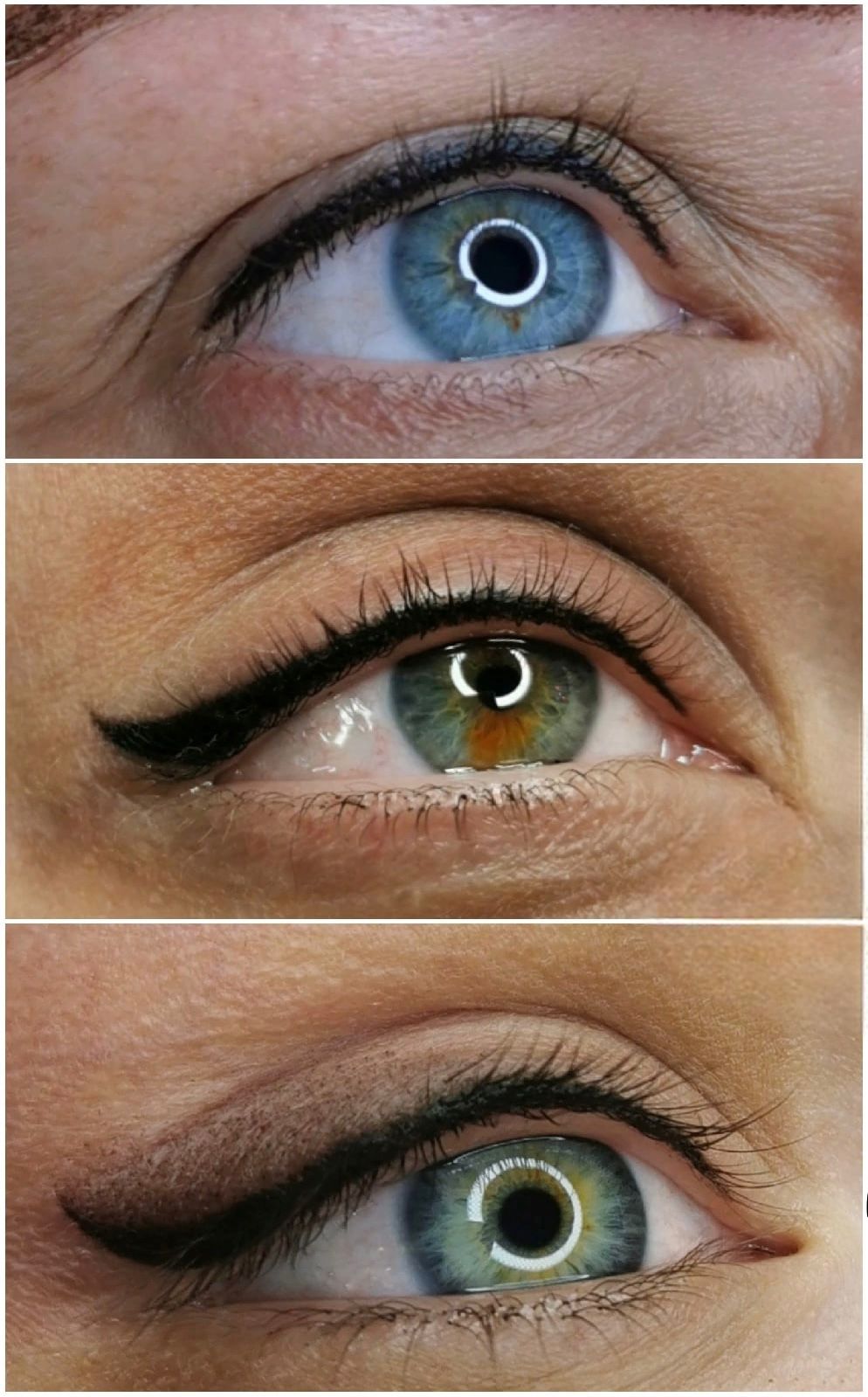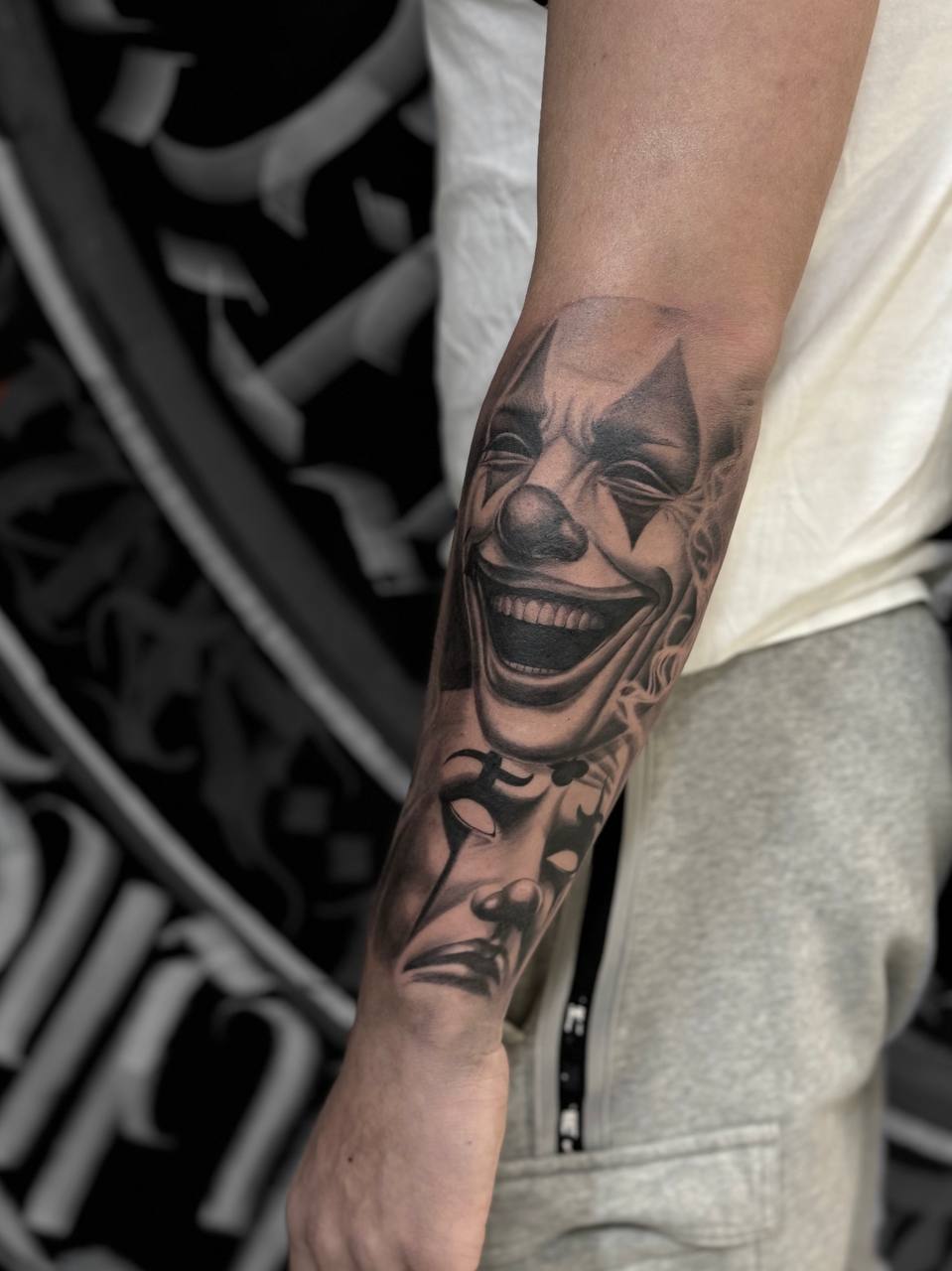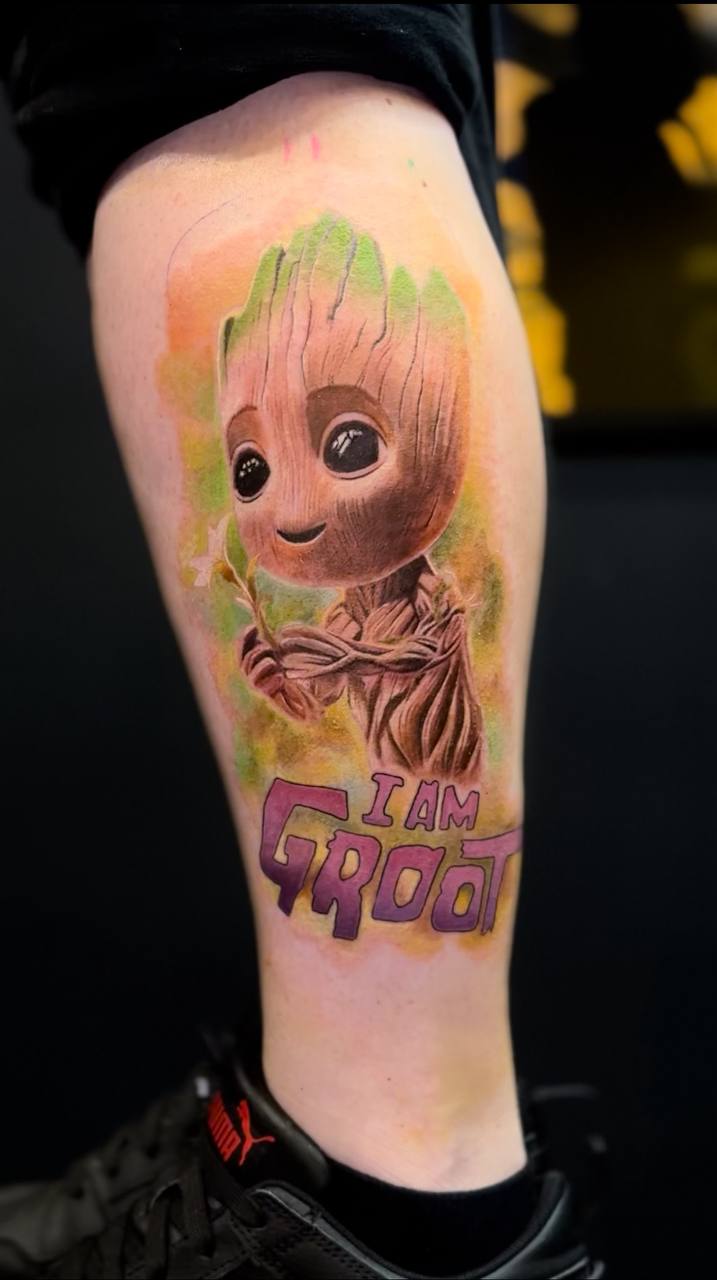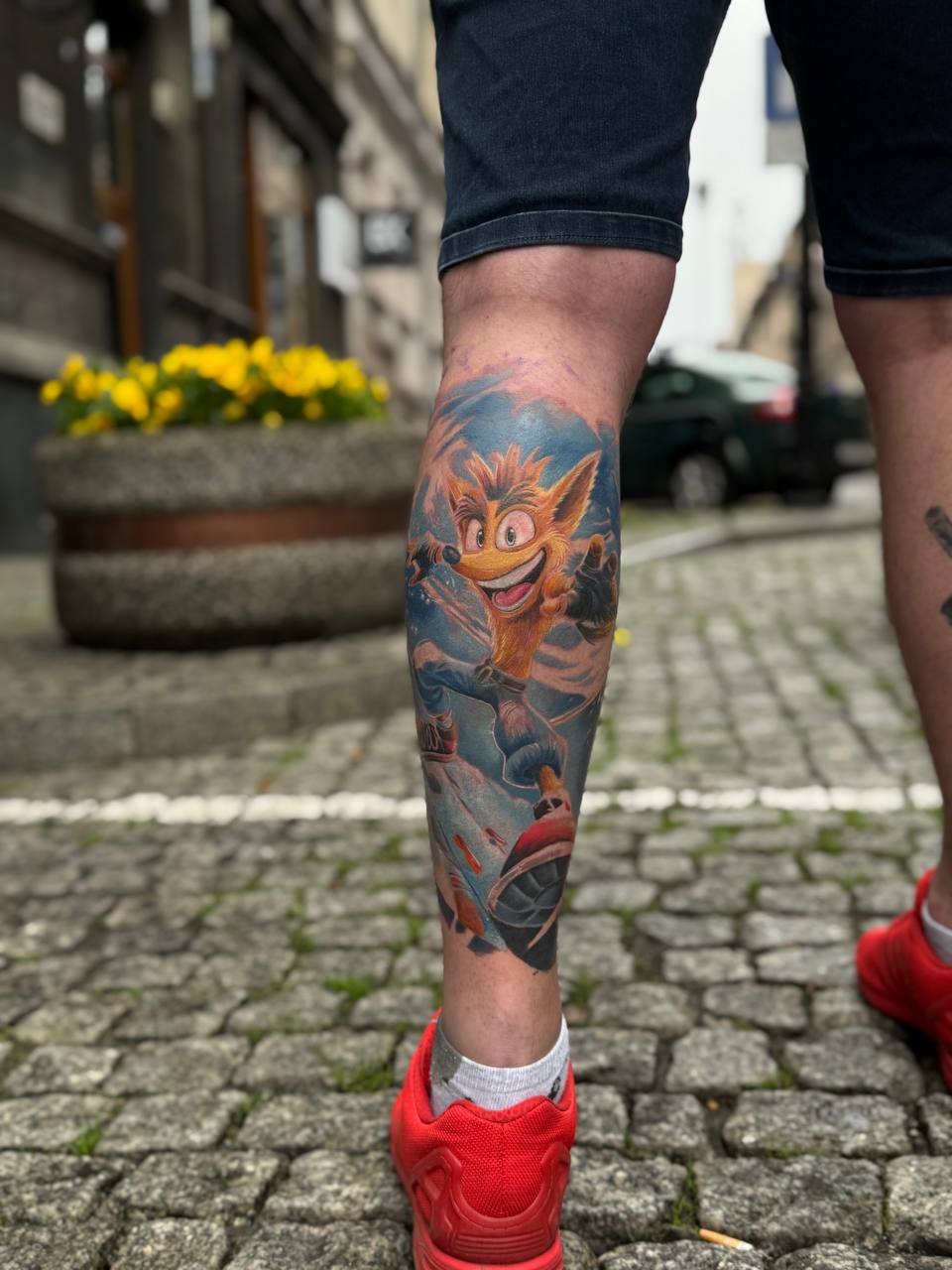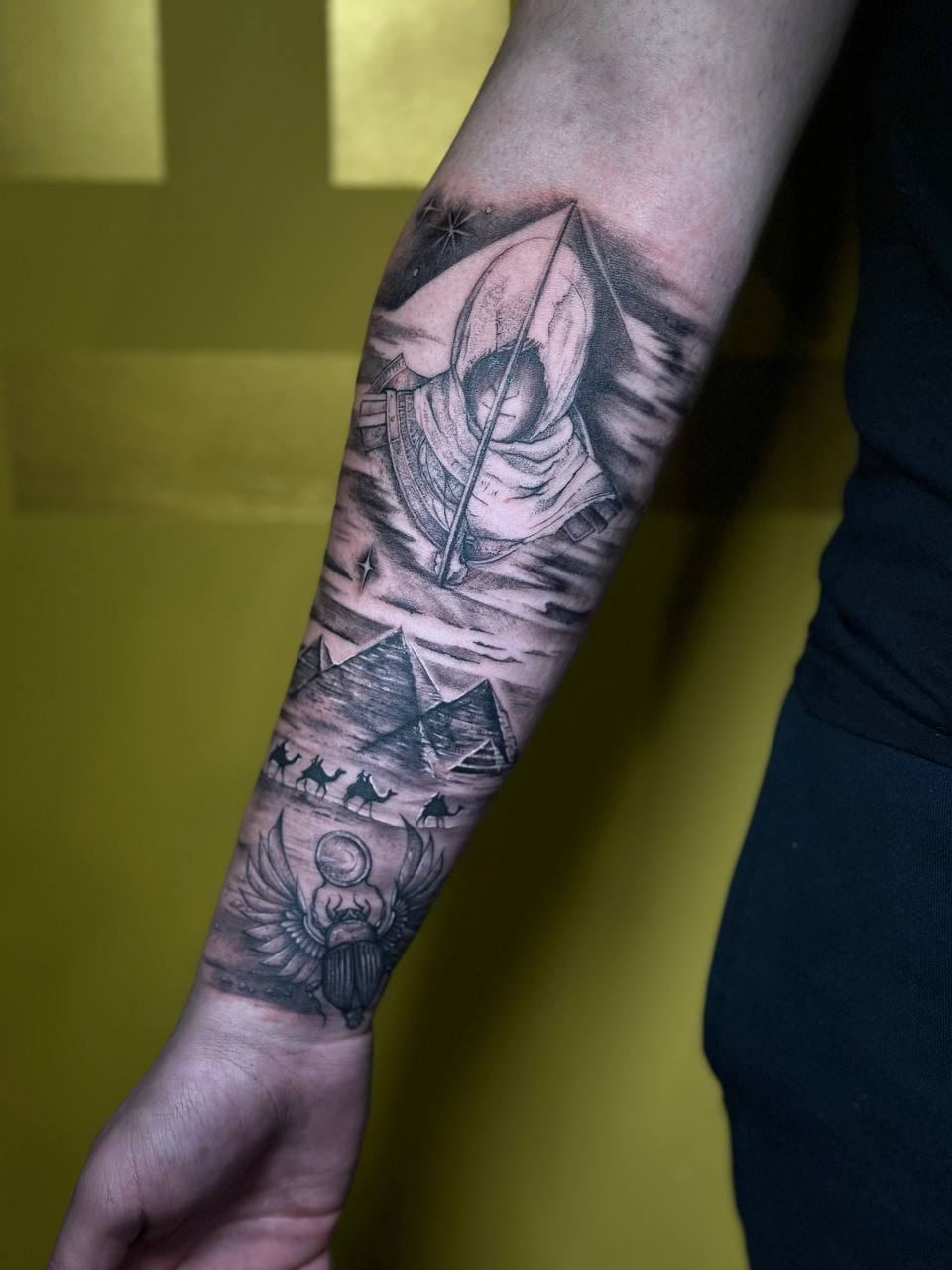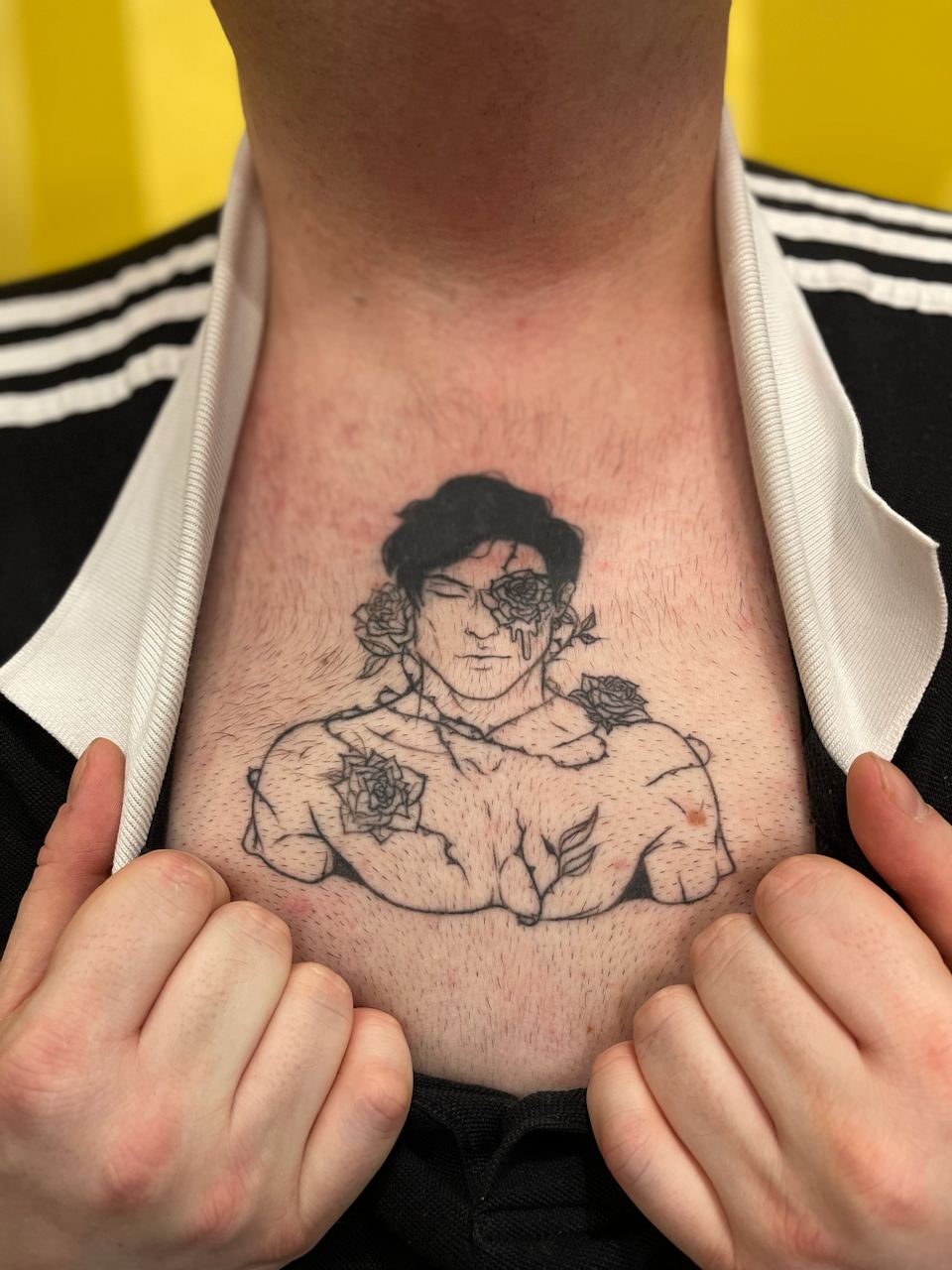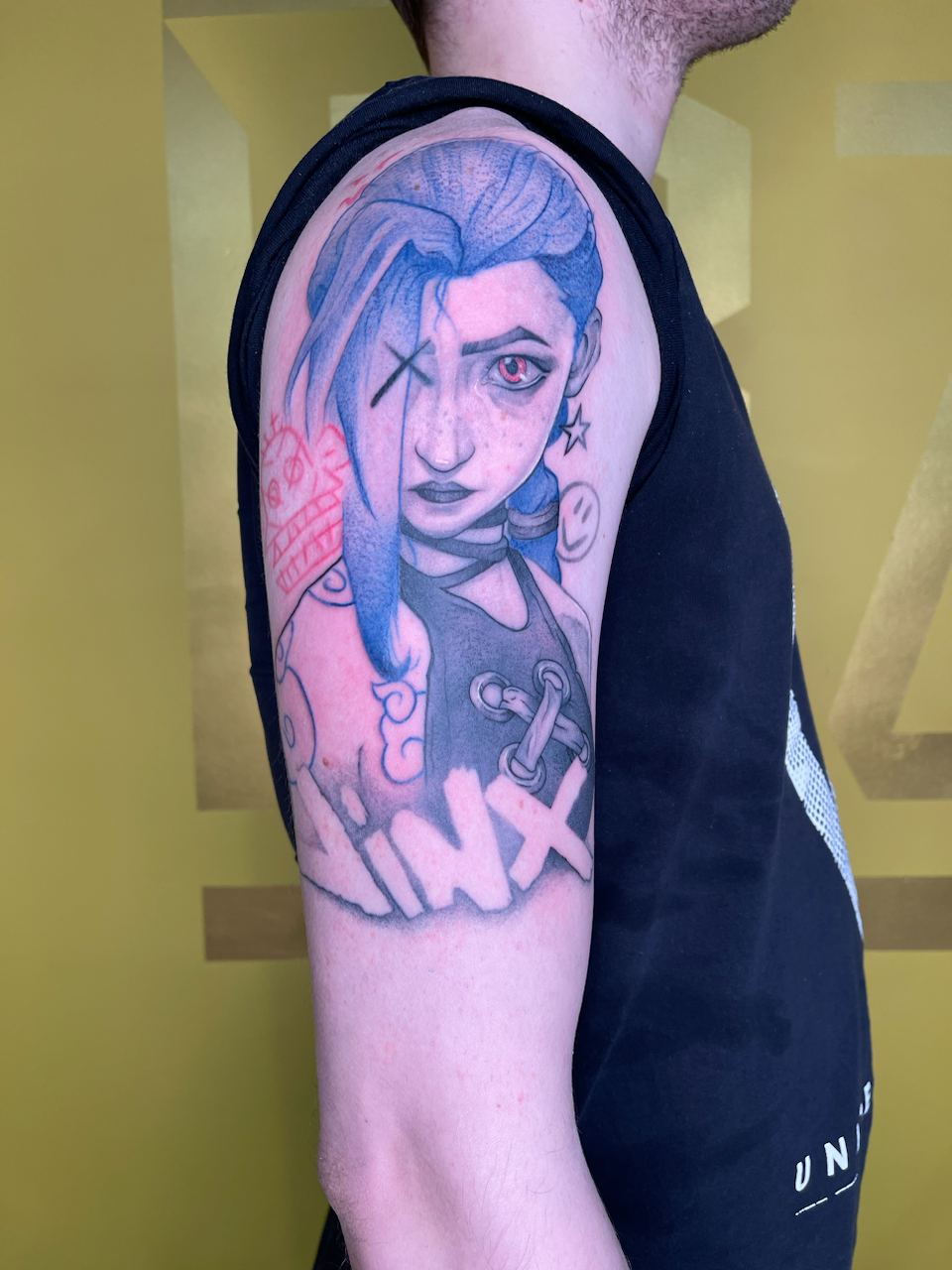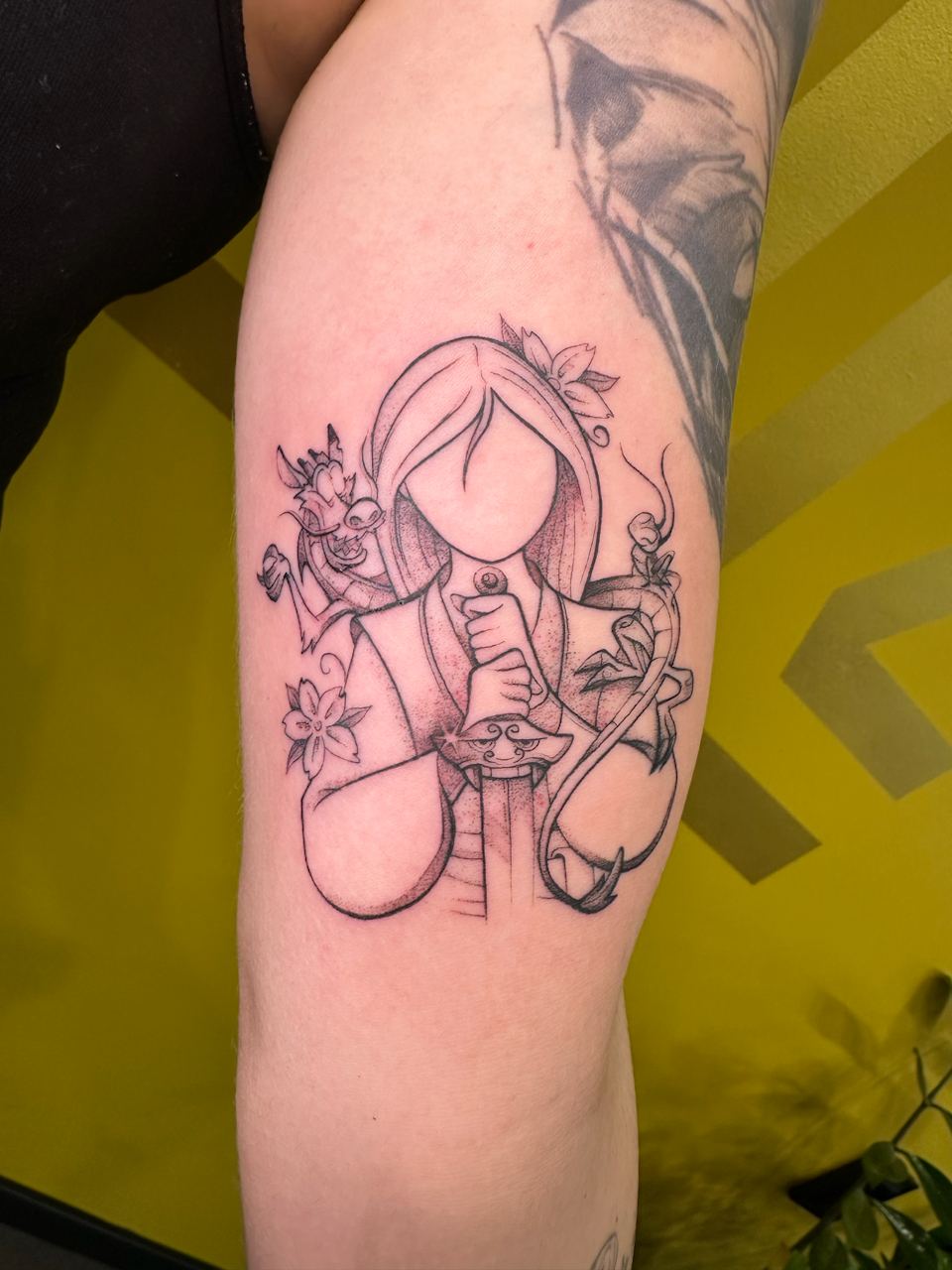
“I can’t draw like someone who graduated from an art academy, so I probably don’t have what it takes to become a tattoo artist” – this is one of the most common concerns among people considering their first course. Let us clarify one thing straight away: you do not need to be a professional illustrator to start learning tattooing. However, you should understand that drawing, composition, observation, and design work are all part of the profession and cannot be avoided completely in the long term.
In other words, a lack of “drawing talent” does not close the door. What matters much more is whether you are prepared to practise regularly, accept corrections, and learn to see a design not as an image on paper but as something that needs to look good on a living body.
Do you need to know how to draw to become a tattoo artist?
You do not need to create realistic portraits from memory or understand the entire theory of perspective when you are just starting. Initially, it is more important to understand the basics: how to draw a controlled line, build a simple shape, maintain proportions, and avoid overloading a design with details.
Many people begin with simple sketches, symbols, ornaments, or designs based on references. Over time, the hand becomes steadier and the eye begins to notice mistakes that previously went completely unnoticed.
If you are interested in a tattoo course in Katowice, do not postpone your decision simply because your sketchbooks do not yet resemble a professional portfolio.
Drawing for tattoos is slightly different
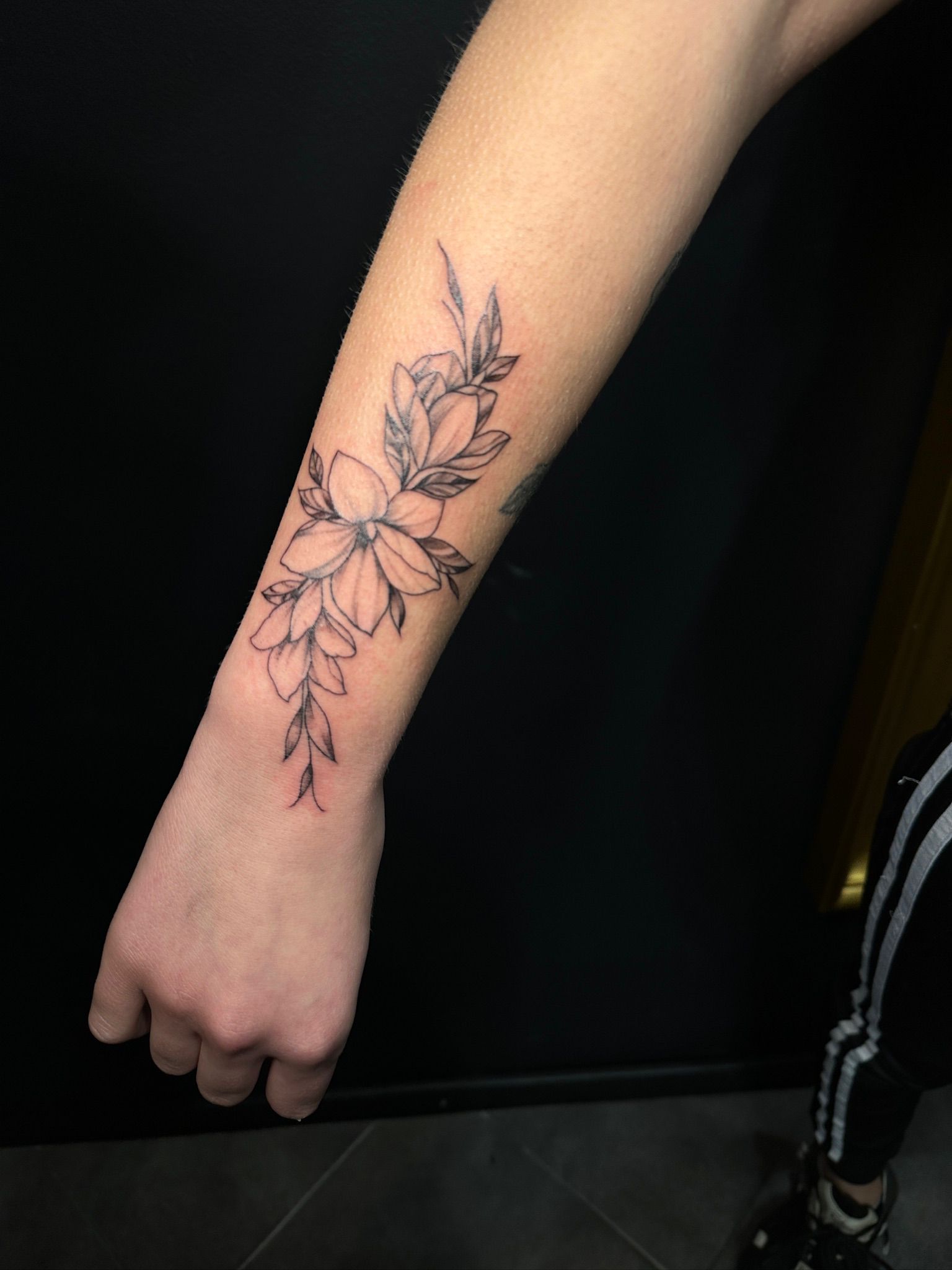
A good drawing on paper and a good tattoo design are not always the same thing. A tattoo needs to take into account its placement on the body, the direction of the muscles, skin movement, the size of the design, and how it will look several years from now.
That is why even someone who draws extremely well may still need time to learn how to design specifically for tattoos. On the other hand, a person with simpler drawing skills but a good sense of composition may progress very quickly.
What matters more than “talent”?
Consistency. Truly. Ten simple sketches each week will teach you more than one ambitious piece every two months.
It is worth practising lines, circles, symmetry, small compositions, and simplifying shapes. Tattoo design often comes down to deciding what to remove so that the image remains clear after it has been transferred onto the skin.
The second important quality is patience. Your first attempts on practice skin are unlikely to look like work posted on Instagram, and that is perfectly fine. A course is a place to learn from mistakes under controlled conditions, not to prove that you already know everything.
Is a graphics tablet enough?
A tablet makes life much easier, but it does not replace the basics. Graphics software allows you to undo movements, copy elements, correct symmetry, and quickly adjust a composition. In a studio, this is extremely convenient.
At the same time, it is worth practising traditionally as well. Paper and pencil reveal mercilessly whether you can control the line, proportions, and pressure. The best approach is to develop both skills in parallel.
What should you practise before a tattoo course?
You do not need to prepare as though you were taking an exam. Simply begin drawing with greater awareness for a few weeks.
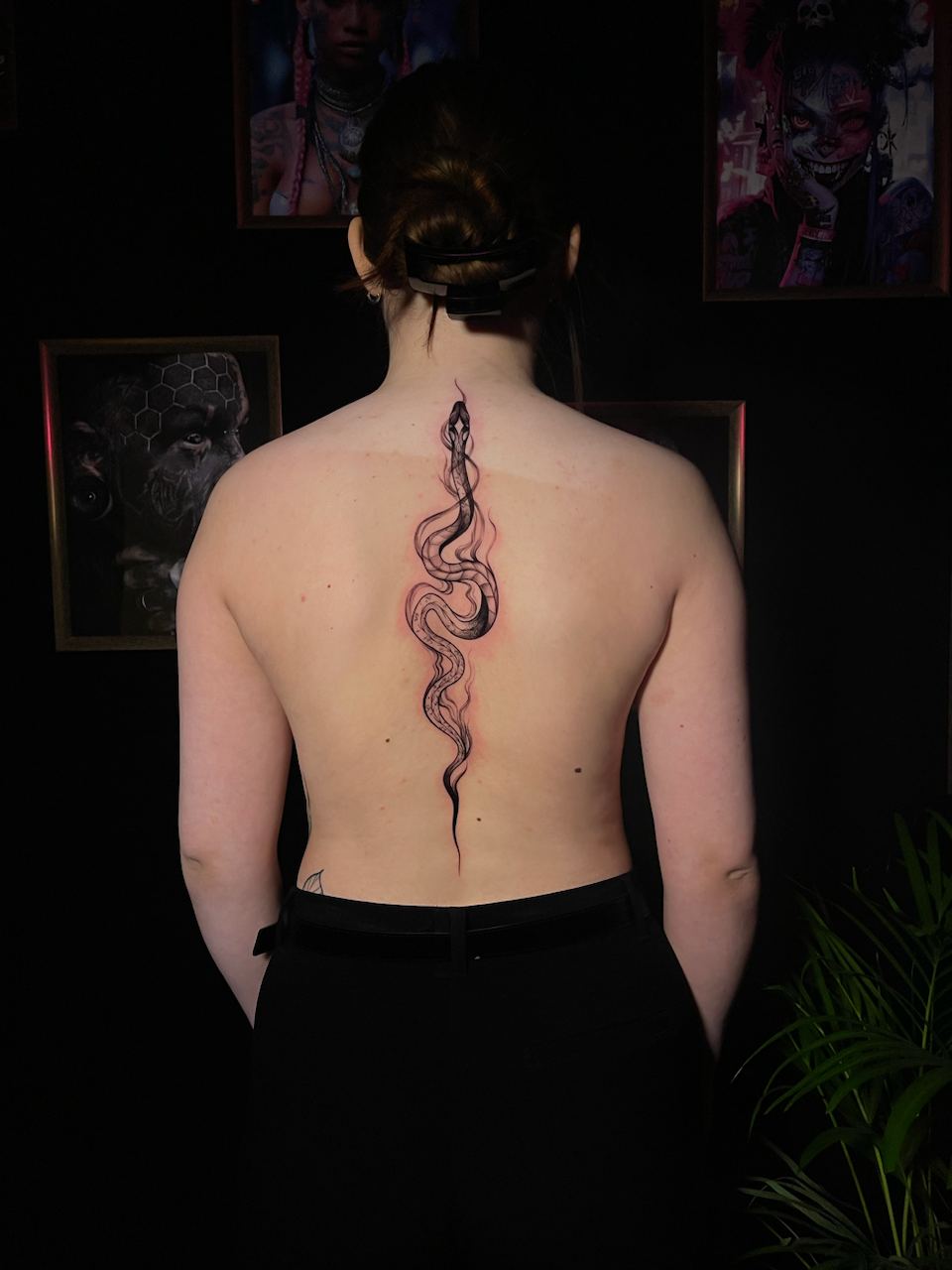
Try completing several simple exercises every day: straight lines without a ruler, circles, leaves, small symbols, ornaments, simple flowers, and lettering. Then try fitting each design into a particular shape, such as an elongated composition for the forearm or a more rounded one for the shoulder blade.
This quickly demonstrates that designing a tattoo involves more than creating a “pretty picture”.
Do you need your own style before the course?
No. A personal style usually develops later. At the beginning, it is better to learn the basics of several different approaches and discover which one naturally brings you the most enjoyment.
One person may fall in love with fine line, another with blackwork, and someone else with realism or old school. There is little point in declaring, “I only work in this style”, before you have even learned the fundamentals.
How should you prepare reference images?
Save work that you genuinely like, but not with the intention of copying it. Instead, ask yourself exactly what makes the design work. Is it the composition, line thickness, contrast, amount of black, or the way the shading has been created?
This type of analysis develops your visual judgement much faster than mindlessly scrolling through hundreds of images.
Can you learn tattooing without taking a course?
Technically, many people have started learning independently, but trial and error has one major disadvantage: it is easy to develop bad habits. These may involve hand position, machine handling, working depth, hygiene, or workstation organisation.
A good course helps you understand more quickly what you are doing incorrectly and why. Instead of spending a month wondering why your lines are uneven, you can receive specific feedback from an instructor.
What should a good tattoo course include?
It should cover more than simply “how to use a tattoo machine”. The fundamentals should include hygiene, workstation preparation, different types of machines, needles and cartridges, voltage selection, stencil application, linework, fills, and shading.
Design, client preparation, aftercare instructions, and basic communication skills are equally important. In practice, a tattoo artist works with a person, not only with their skin.
Why is hygiene more important than a beautiful sketch?
Because a poorly drawn design can be corrected before the procedure. Hygiene mistakes must never be treated lightly. At the beginning of the course, it is therefore essential to understand disinfection, protective barriers, disposable materials, and safe working practices.
This part of the profession is not visible in the finished tattoo photograph, but a professional studio cannot exist without it.
What is the transition from paper to practice skin like?
For many beginners, this is the moment when reality sets in. On paper, you can stop your hand, correct a line, and begin again. A tattoo machine behaves differently, vibrates, and requires the needle to be guided steadily.
That is why the first exercises are often very simple: lines, shapes, and small filled areas. They may not look spectacular, but these tasks are exactly how control is developed.
Should you buy equipment before the course?
Not always. If you do not yet understand the differences between tattoo machines or know which solution will be comfortable for you, it is better to become familiar with the equipment during the course first.
Buying a random kit simply because it is inexpensive often means paying twice. During the course, you can learn what you actually need to get started.
How should you prepare your hand for tattooing?
Drawing helps, but it is also worth working on stability. This does not mean completing any special strength training. It is more about becoming aware of your grip, supporting your hand, and controlling movement from both the wrist and the entire arm.
A useful exercise is drawing long lines in a single movement without adding separate sections afterwards. This skill later becomes extremely useful when tattooing.
Can someone who draws poorly become a good tattoo artist?
Yes, if they continue developing their skills. However, someone who refuses to learn design for years and relies exclusively on ready-made images from the internet will eventually reach a limit.
Clients often request changes to proportions, combinations of several references, or adaptations of a motif to a particular body area. Without an understanding of composition, creating a sensible design in these situations becomes difficult.
Does copying designs help you learn?
Analysing and recreating someone else’s work can be useful as a technical exercise. As a way of building a portfolio, it is definitely not appropriate.
You can practise recreating a particular line style or shading method in your sketchbook, but your portfolio should gradually demonstrate your own design decisions.
How should a beginner’s portfolio be prepared?
At the beginning, your portfolio can consist of designs rather than finished tattoos. Select 10–20 of your best sketches that demonstrate different skills: linework, composition, simple shading, ornamentation, a small design, and a larger piece.
Do not include everything. Five strong designs make a better impression than thirty random ones.
What should you bring to the course?
The most important things are an open mind and a willingness to take notes. If you have a sketchbook or tablet, it is worth bringing it. Saved reference images and a list of questions will also be useful.
Do not be afraid to ask about things that seem basic. Almost every beginner wonders how much pressure to apply, how to hold the machine, why the stencil smudges, or why their line looks different from the instructor’s.
Which questions should you ask before enrolling?
Check how many people will participate, whether the lessons are individual, how much time is dedicated to practical work, and whether you will practise on artificial skin and a model.
Also ask exactly what the programme covers, whether equipment is provided, and whether you can consult the instructor about your first pieces after completing the course.
Individual course or group training?
One-to-one tattoo training has a major advantage: the instructor can see your exact hand position, how you hold the machine, and every mistake you make while drawing a line. You do not need to wait half an hour for the instructor to reach you.
A group can be inspiring, but if receiving quick feedback matters to you, an individual approach usually provides more time for practical work.
How should you prepare mentally?
Assume that not everything will work immediately. It sounds obvious, but it is genuinely important. The first day of a course will not turn you into a professional tattoo artist.
A good course provides the foundation. The real work begins afterwards: regular practice, new designs, analysing mistakes, and gradually developing confidence and control.
What should you do after the course?
Do not put the tattoo machine away for a month. The greatest progress comes when you maintain a regular routine after completing the training. Even short, frequent sessions on practice skin are better than one intensive weekend every three months.
It is also worth showing your progress to the instructor if the course offers this opportunity and comparing not only your finished results but also the way you work.
Tattoo course Katowice – how should you prepare properly?
If you are considering a tattoo course in Katowice, do not wait until you decide that you “can finally draw well enough”. That moment may never arrive.
Instead, begin with the fundamentals: draw regularly, analyse designs, practise simple compositions, and attend the course ready to receive corrections. The course is there to teach you, not to test whether you are already a professional.
If you would like to ask about the required starting level, programme, or training format, you can contact KRZ Studio and describe your current experience.
Frequently asked questions
Can you become a tattoo artist without a natural talent for drawing?
Yes, but you need to develop the fundamentals of drawing and composition. Talent may help you progress more quickly at the beginning, but regular practice and deliberate learning are more important.
Do you need a portfolio before taking a tattoo course?
Not always. However, it is helpful to have several sketches or designs because they allow the instructor to assess your level and identify the areas you should work on.
Is a graphics tablet necessary?
No. It is extremely useful for designing later, but you can also learn the fundamentals on paper.
Is a tattoo course enough to start working with clients immediately?
A course provides the foundations, but you will still need regular practice, further training, and gradual experience-building afterwards.
What should you practise before your first course?
Lines, simple shapes, symmetry, small compositions, ornaments, and simplifying designs. The goal is not to create perfect artwork but to develop consistency and hand control.