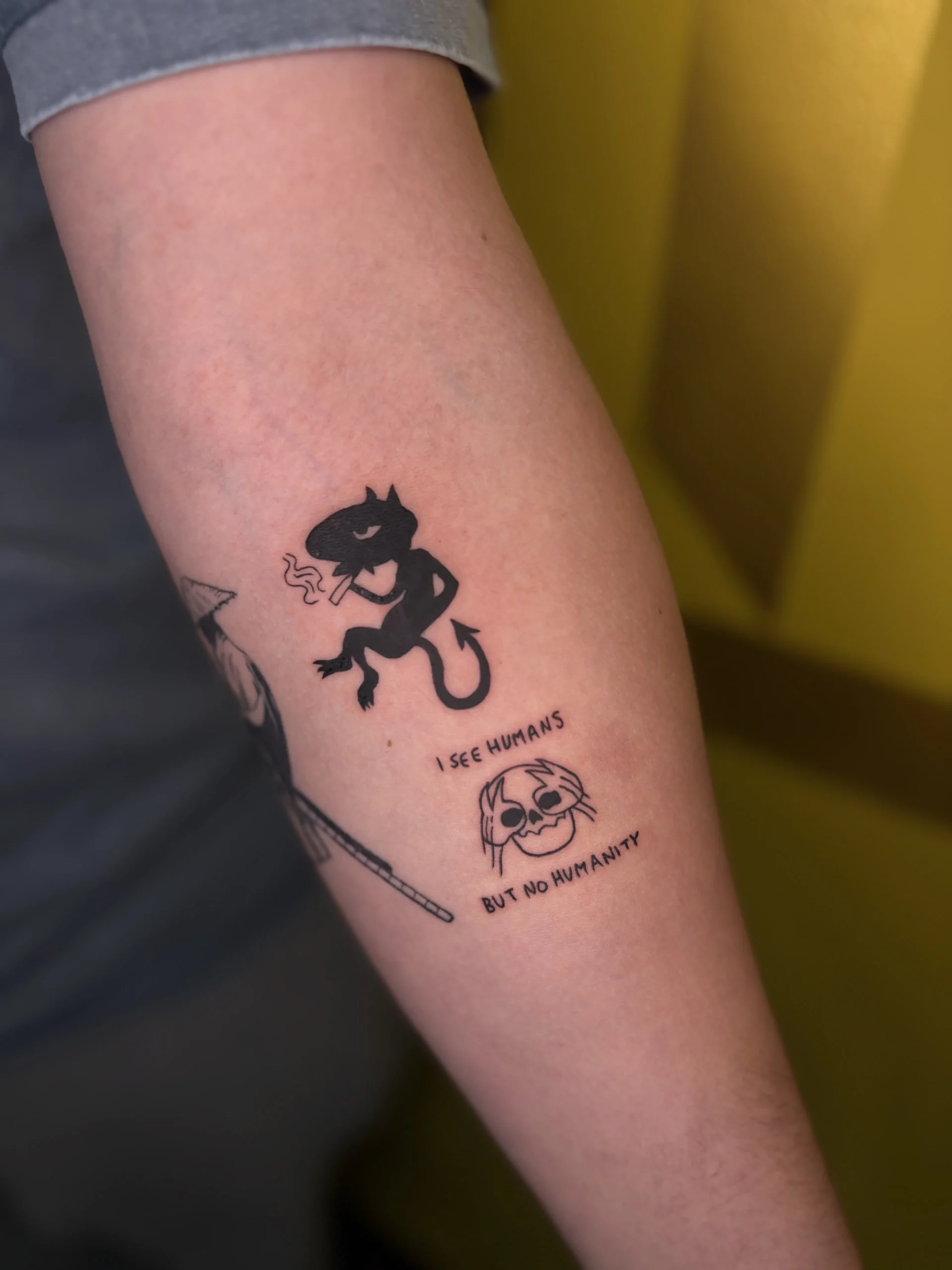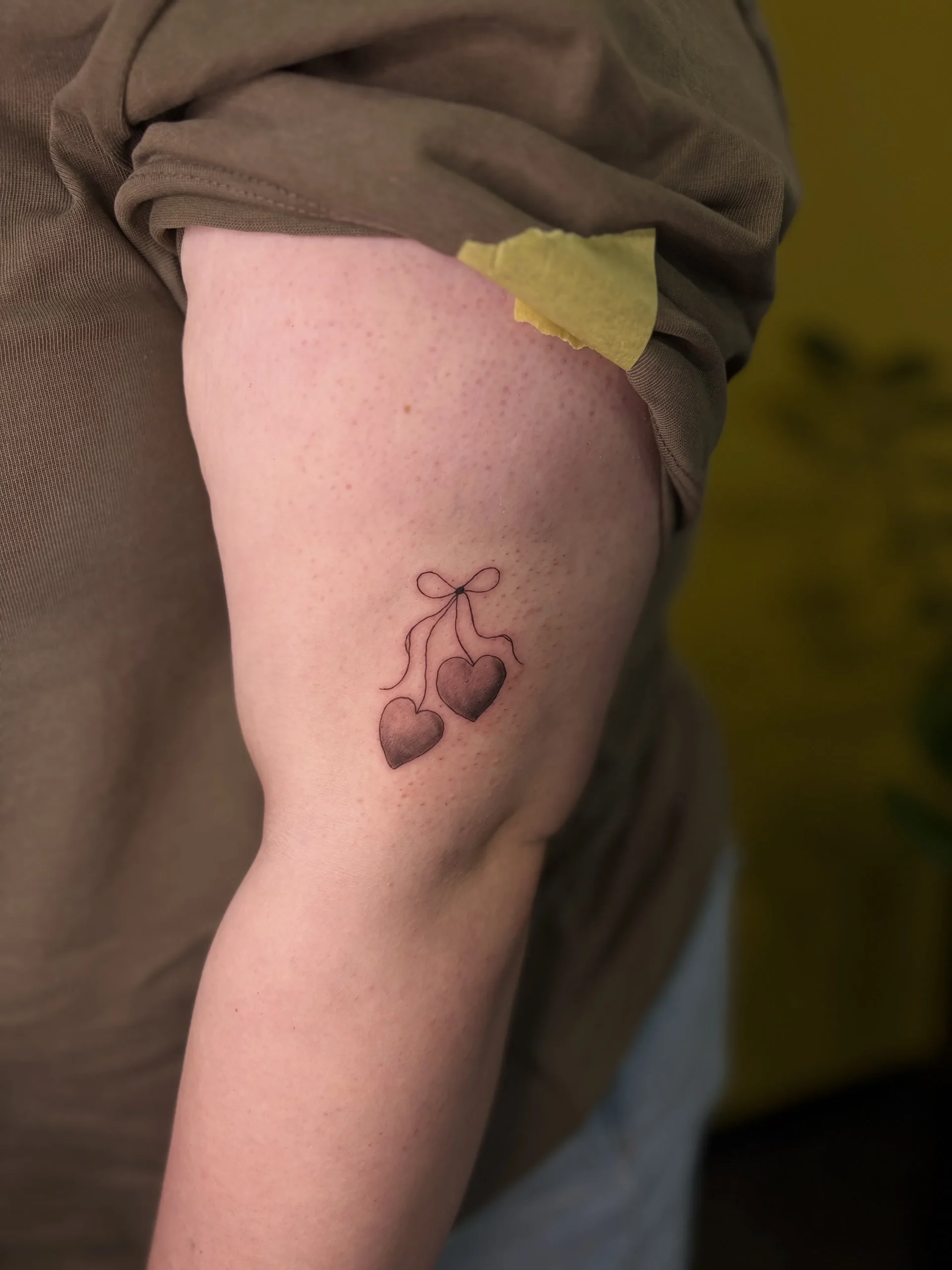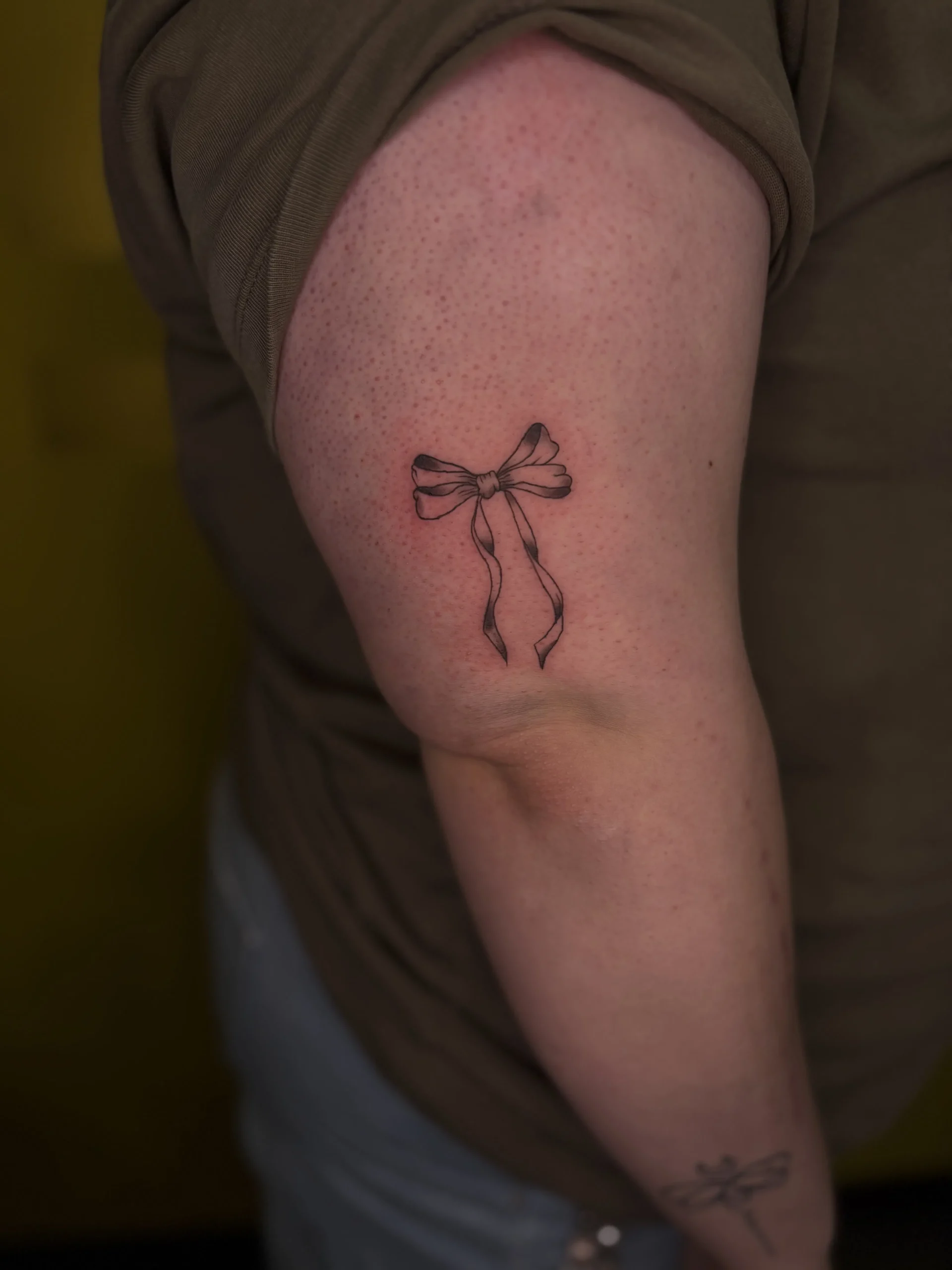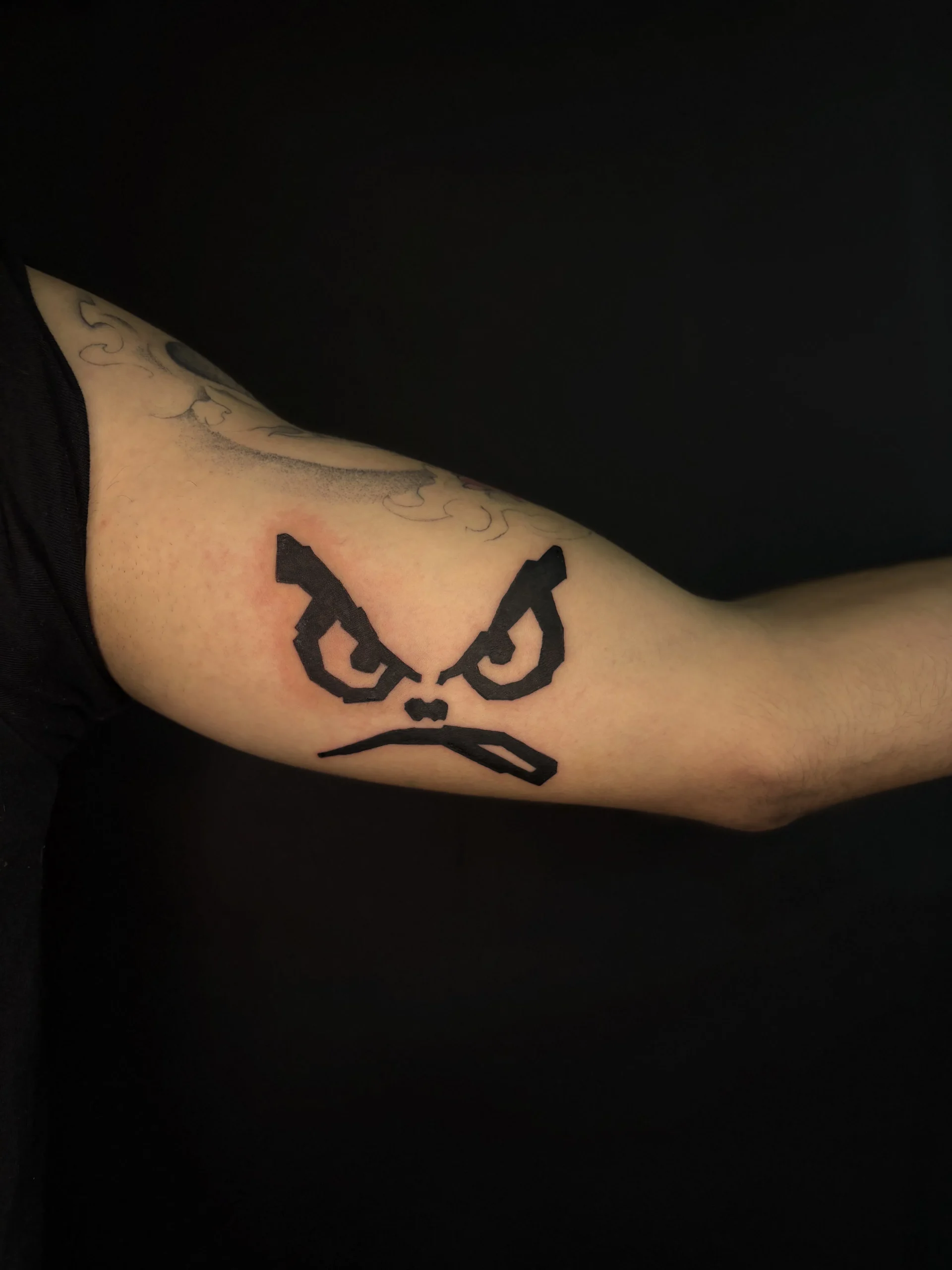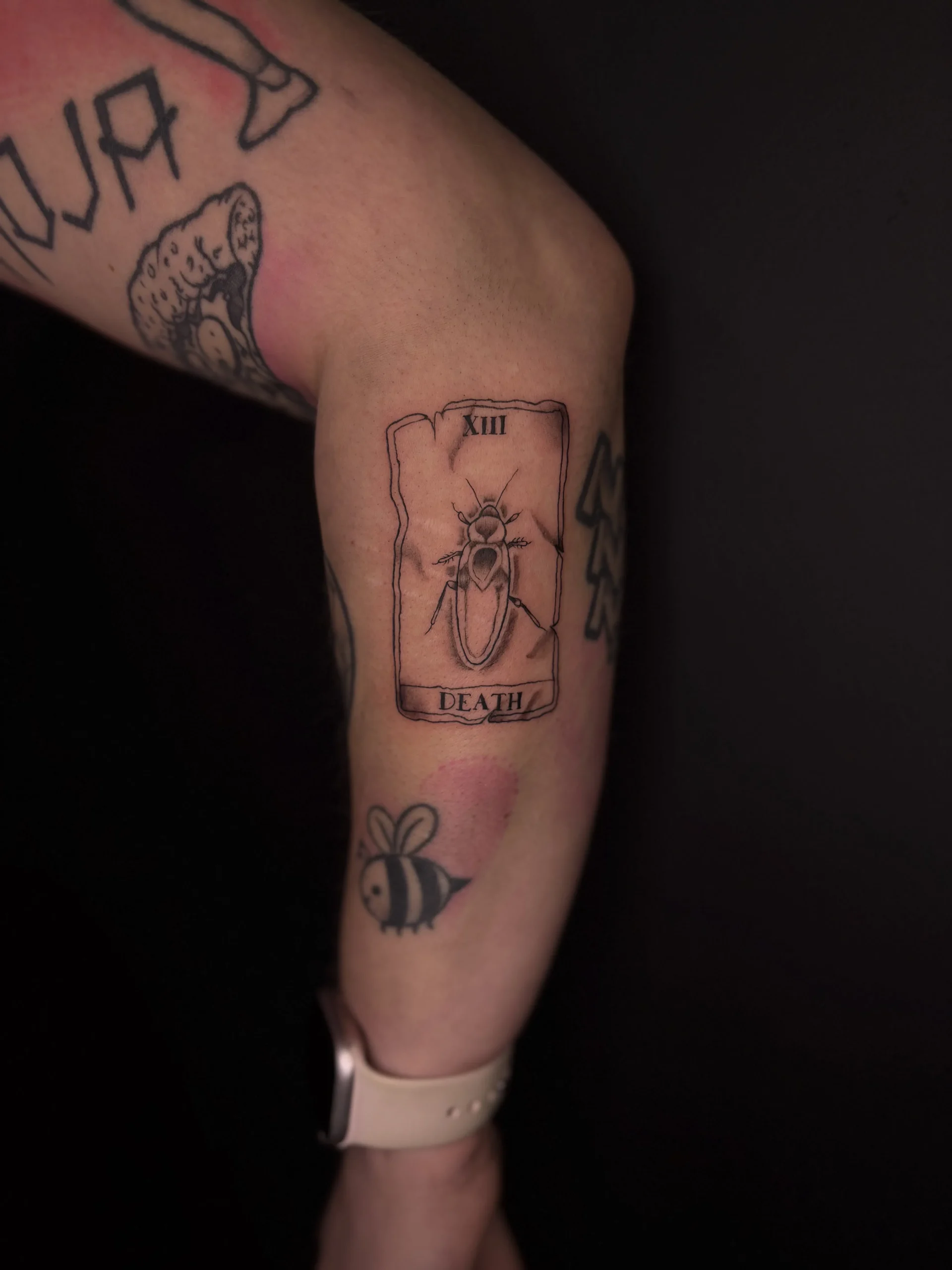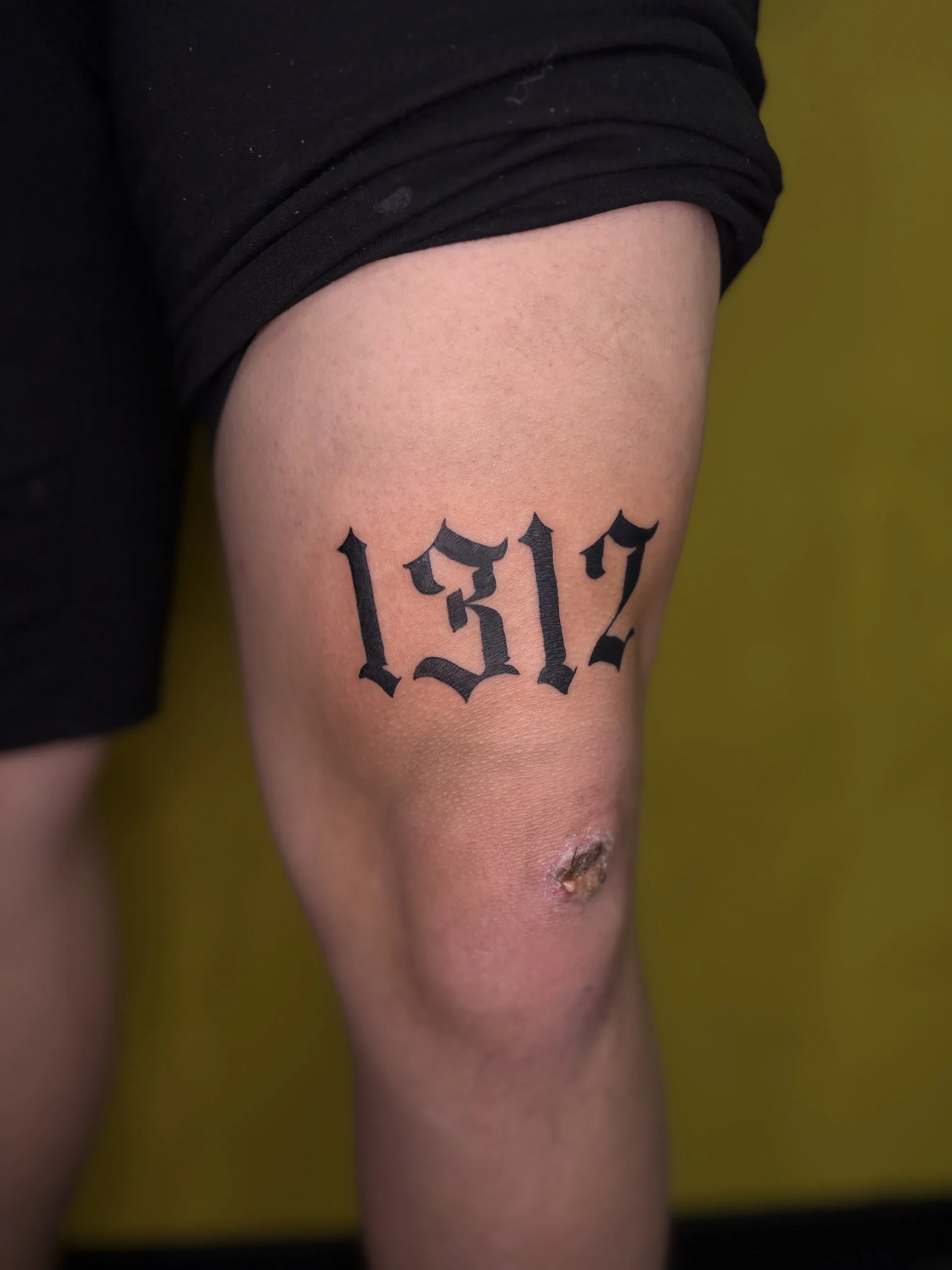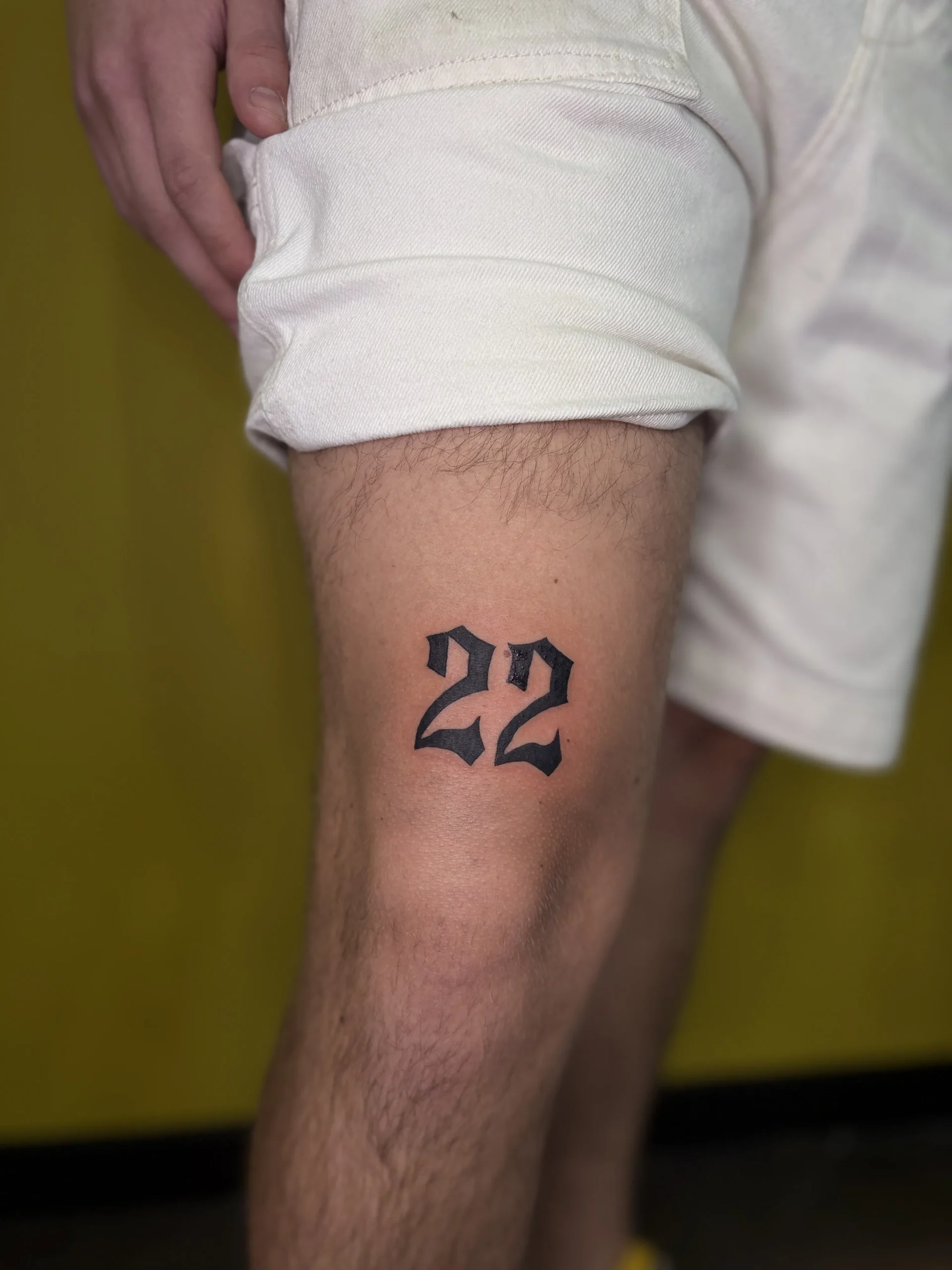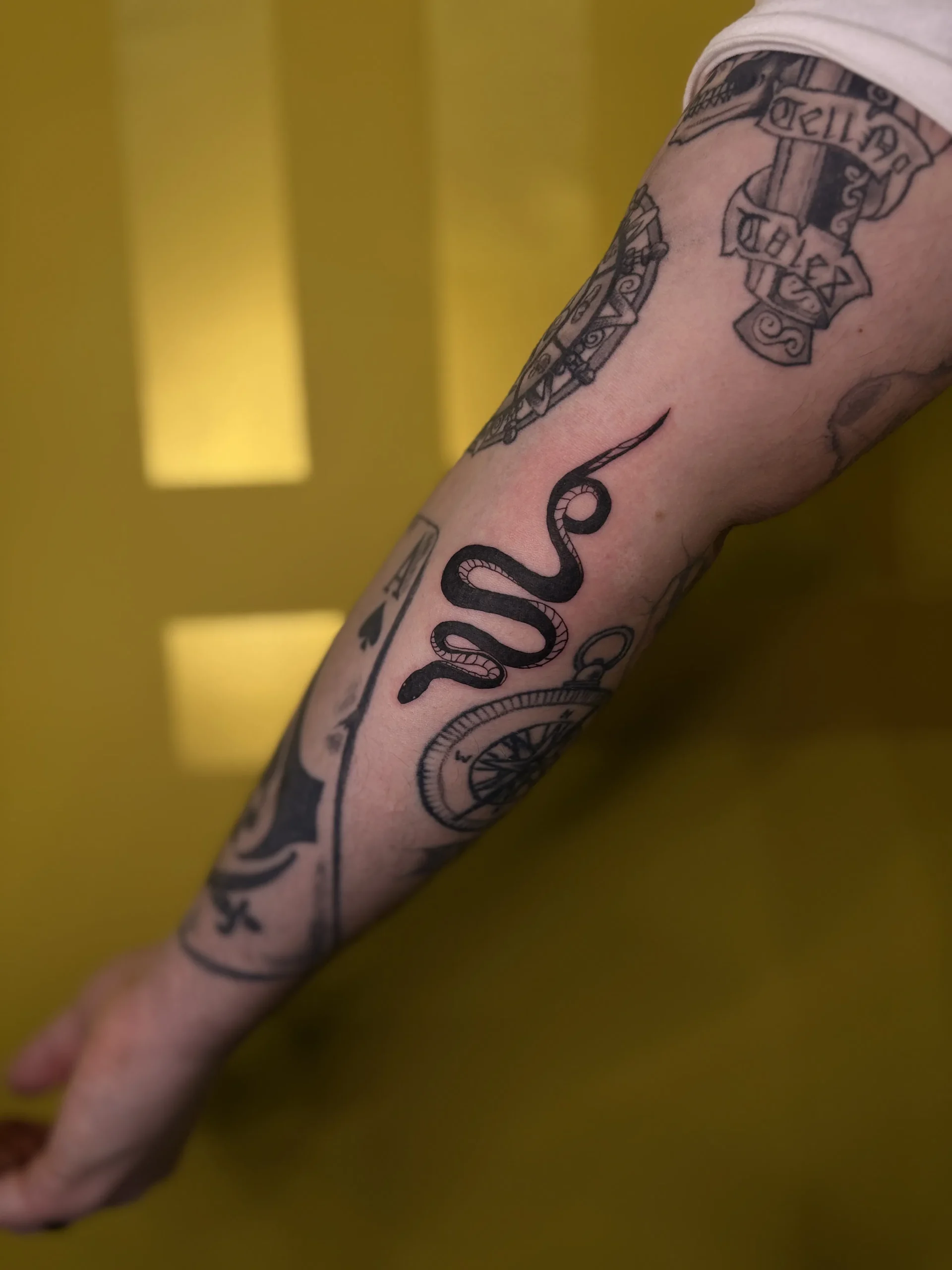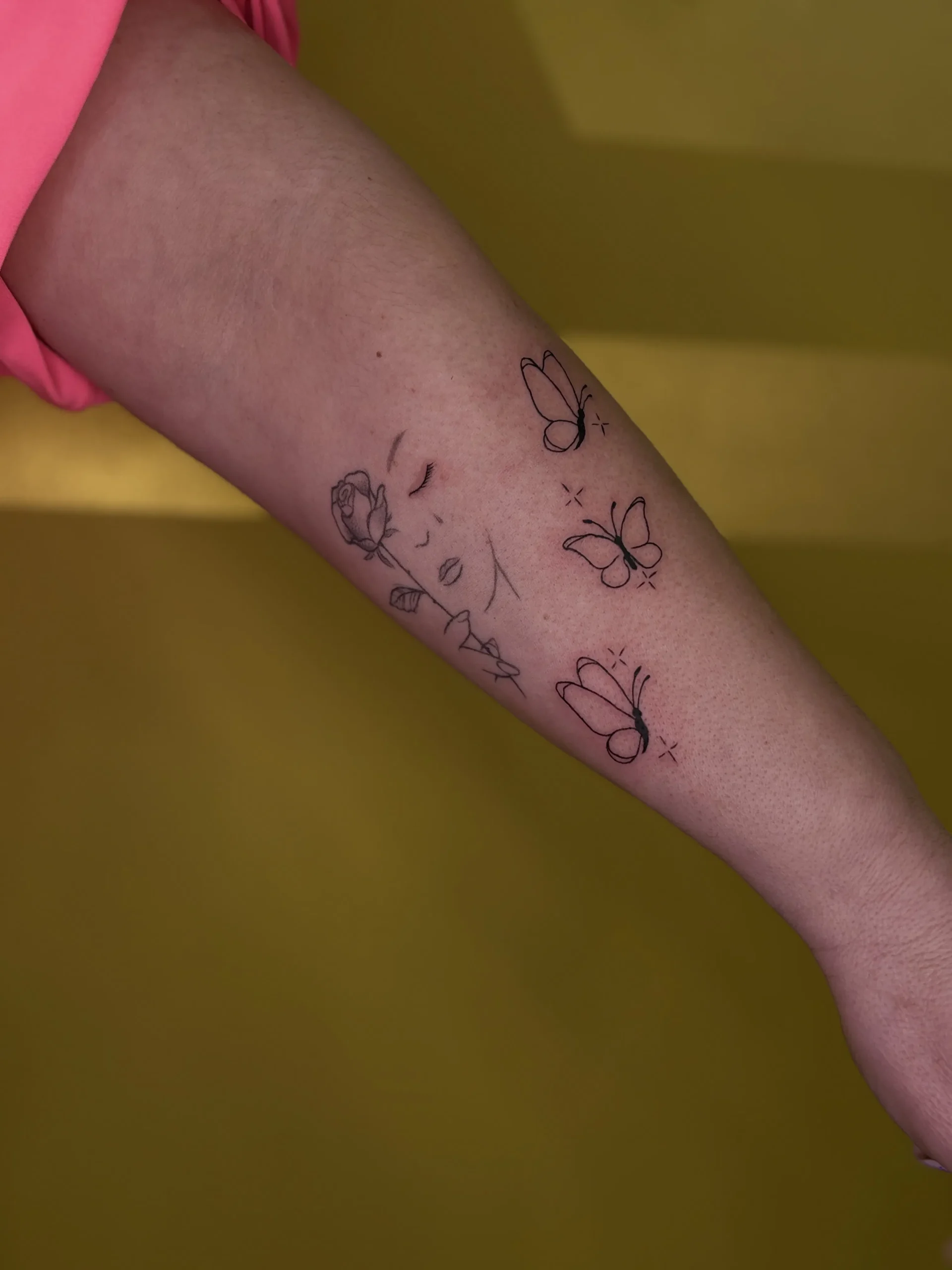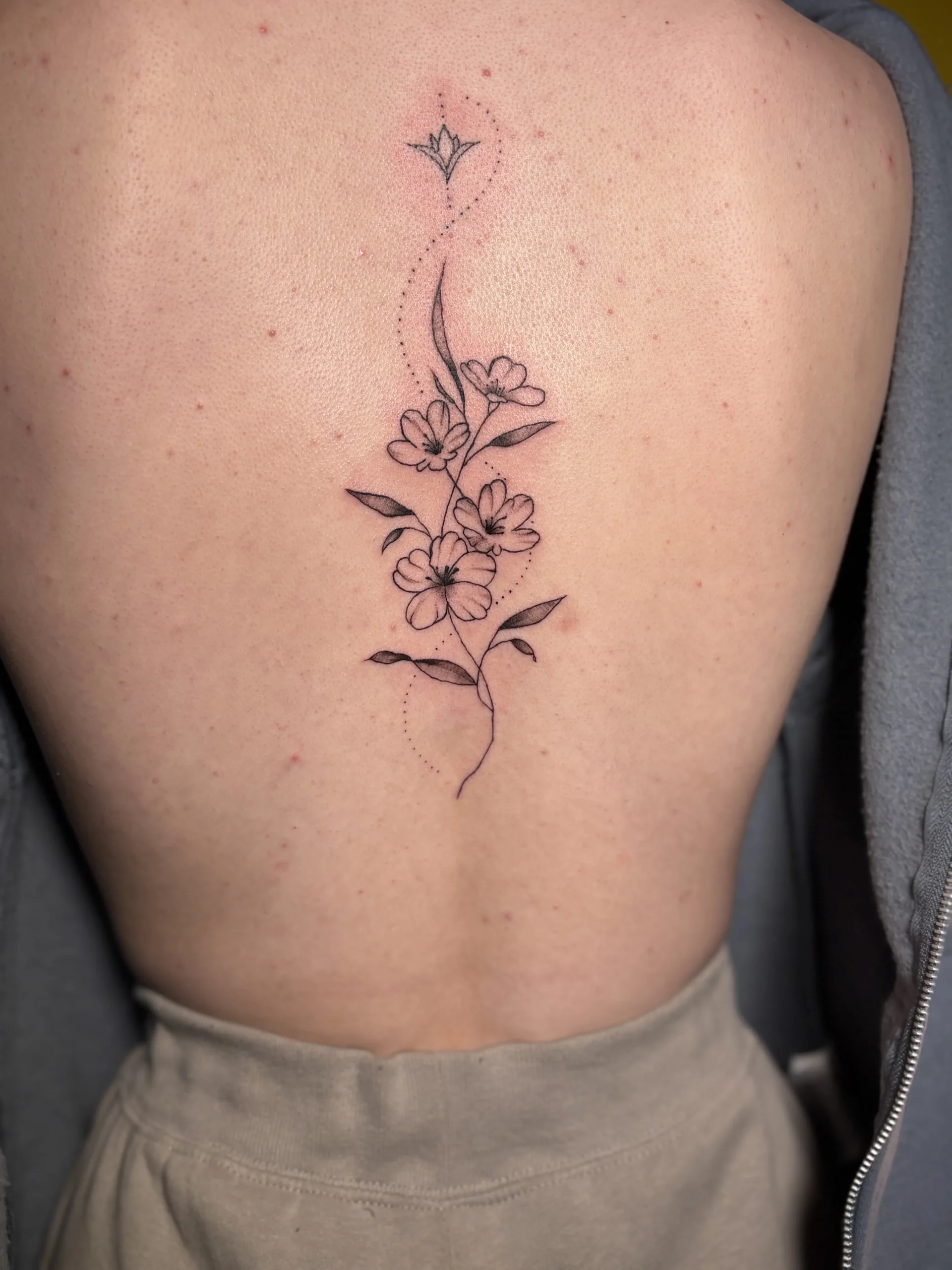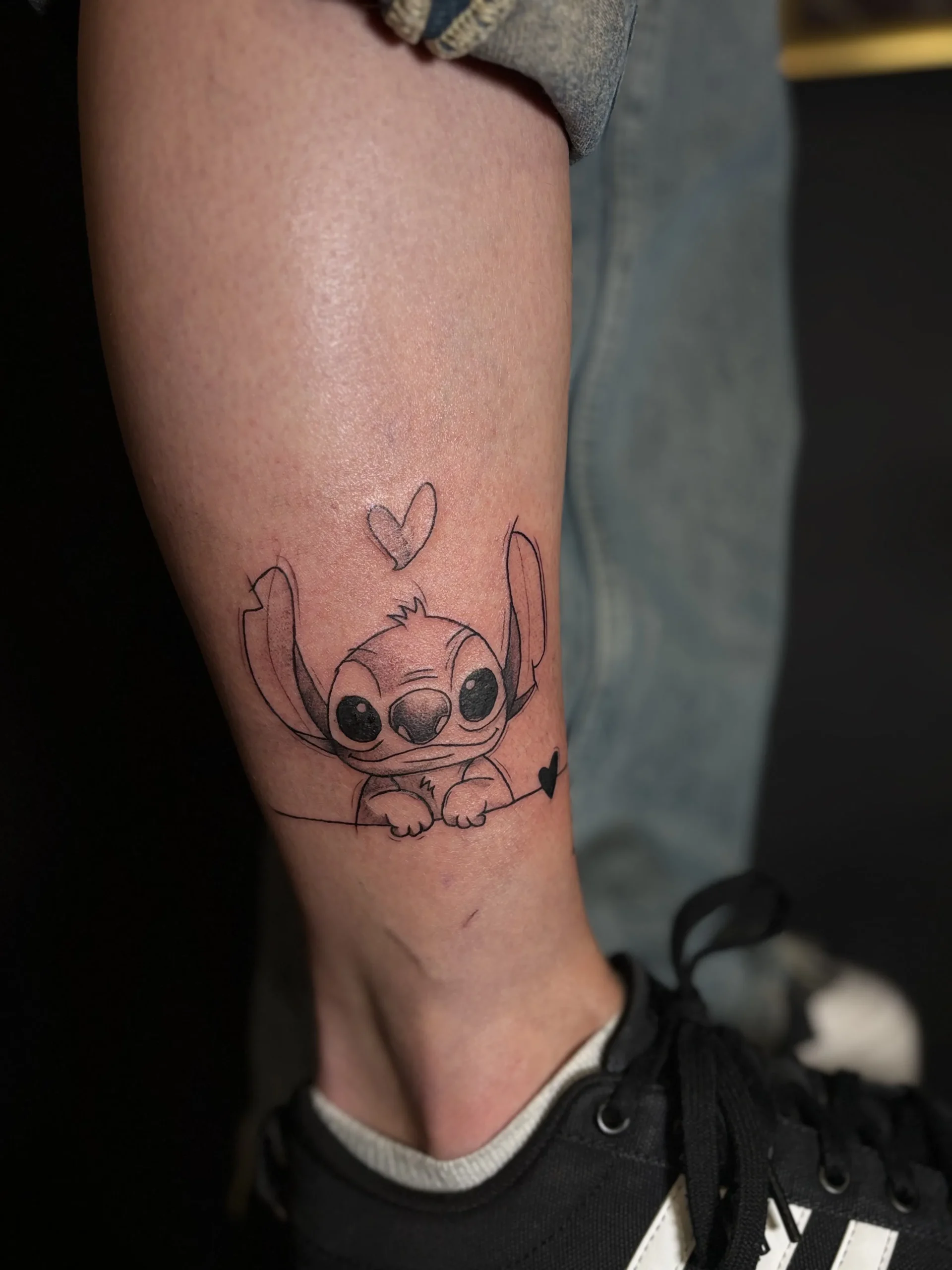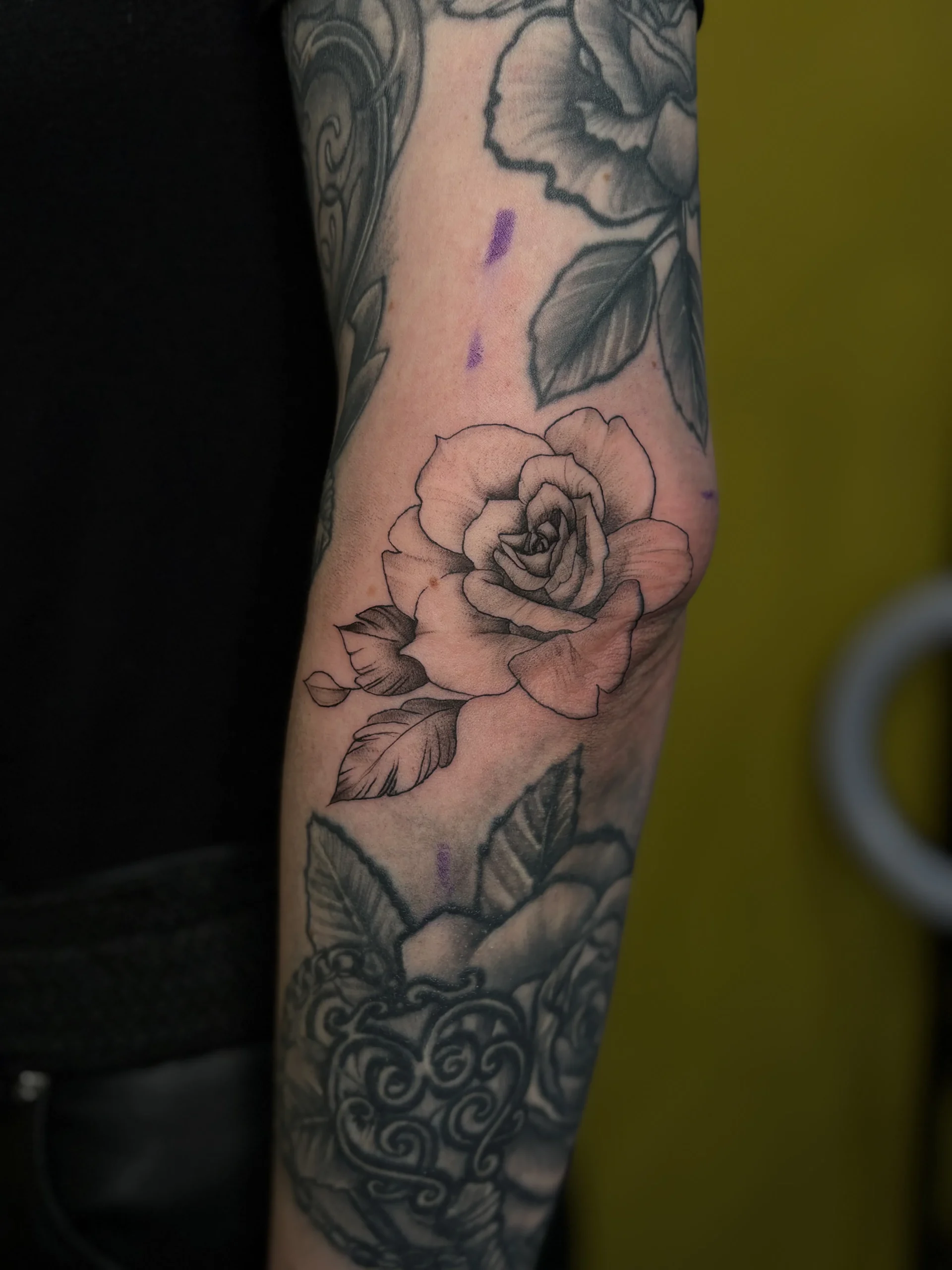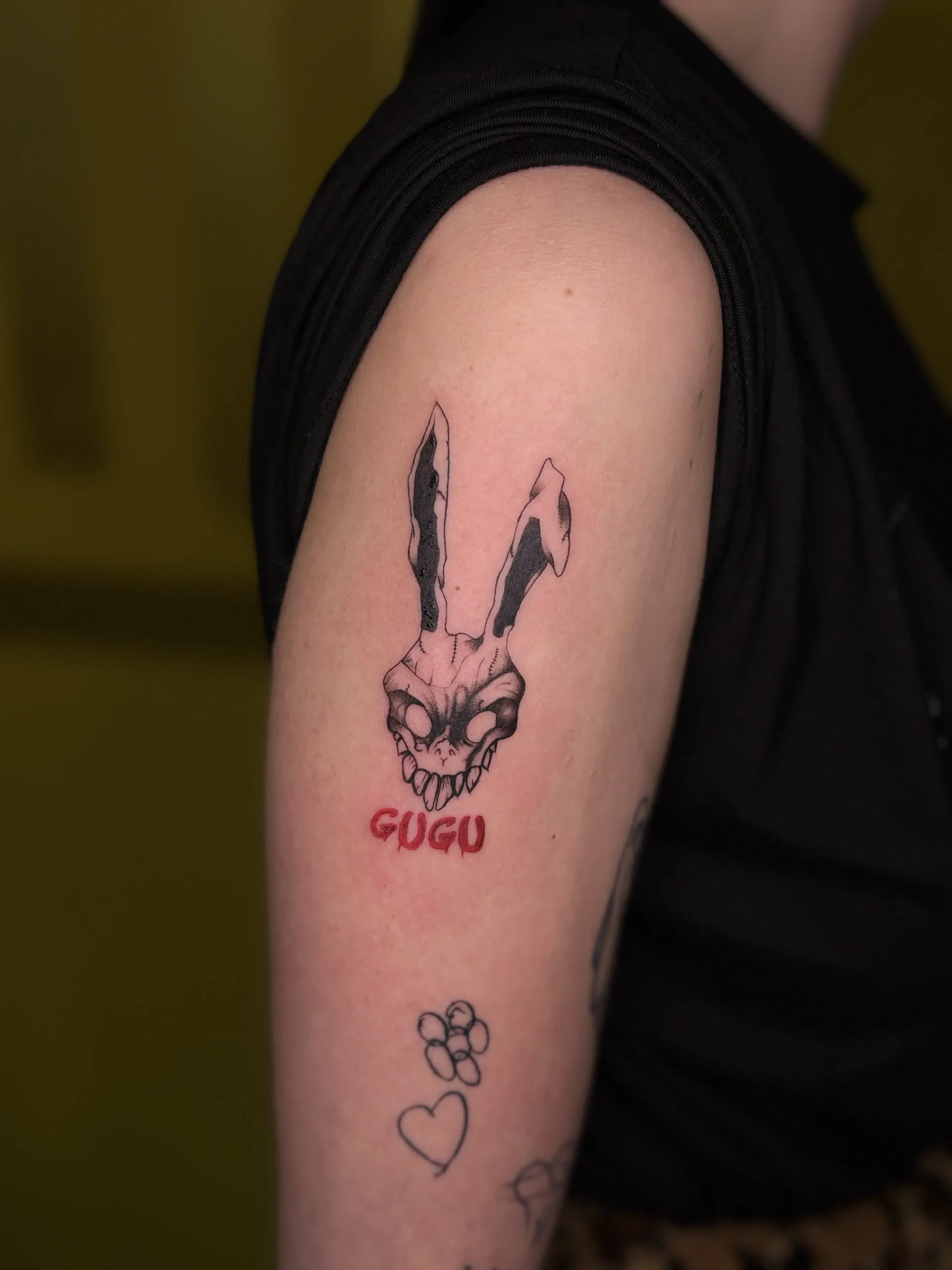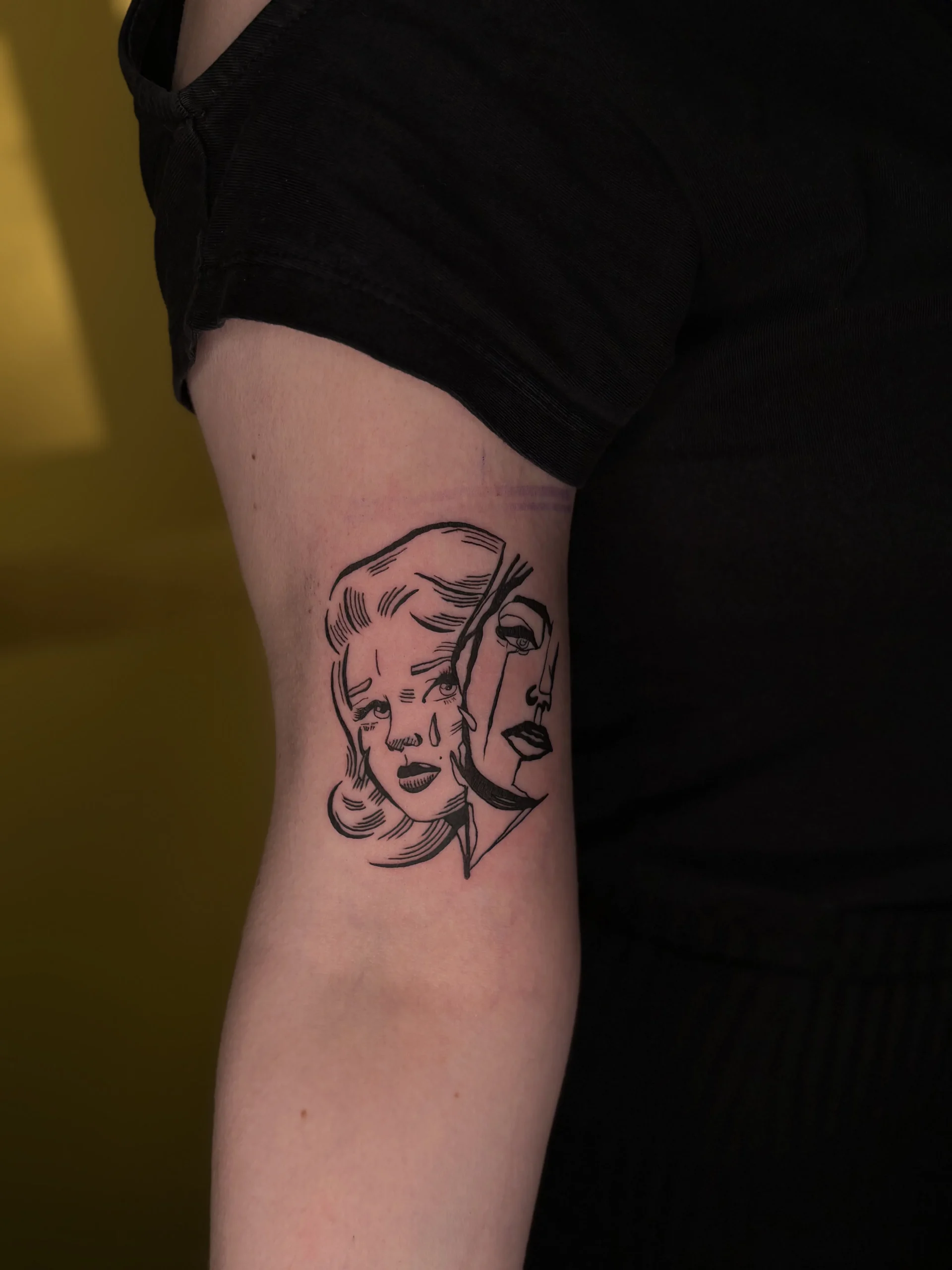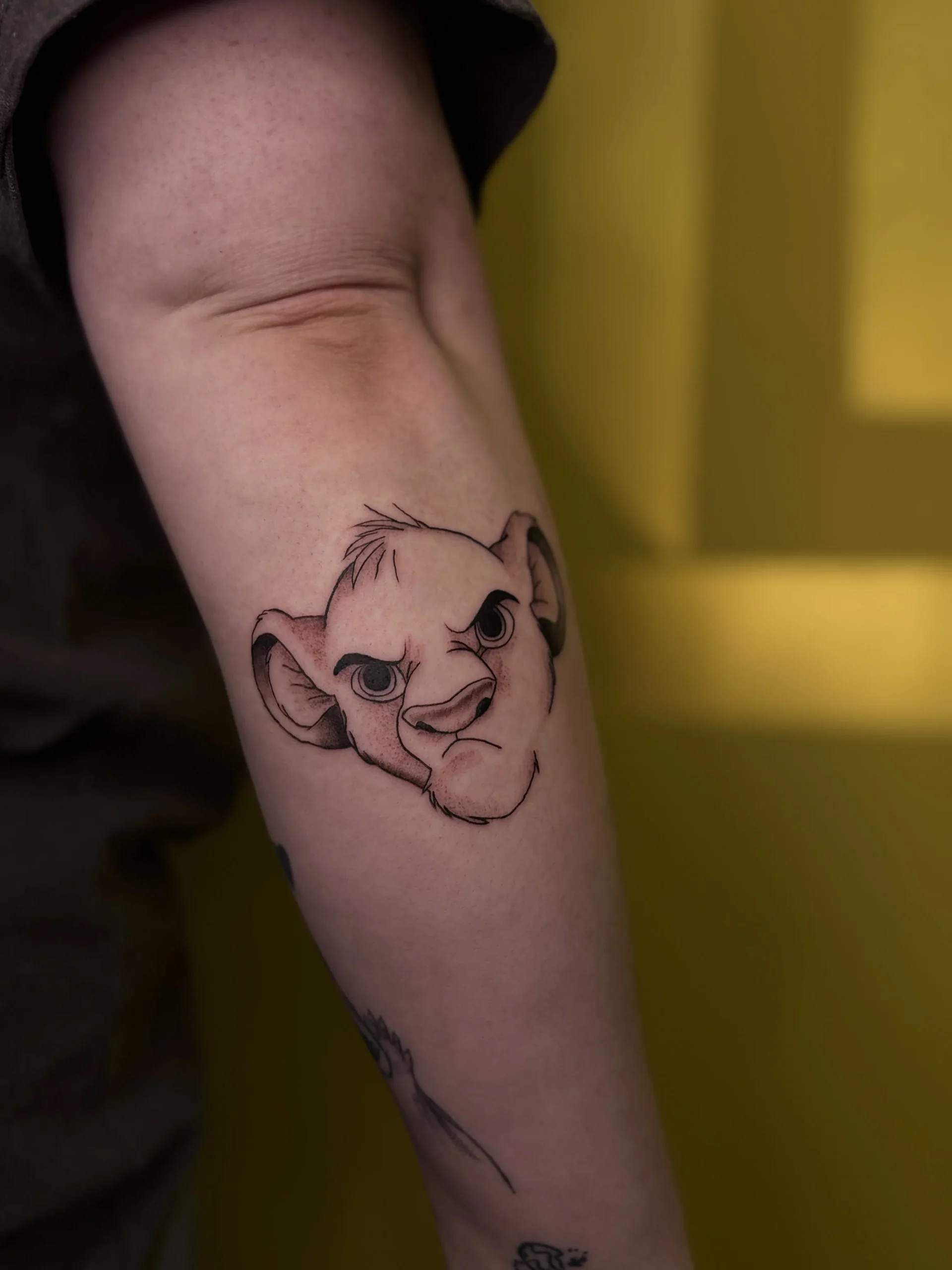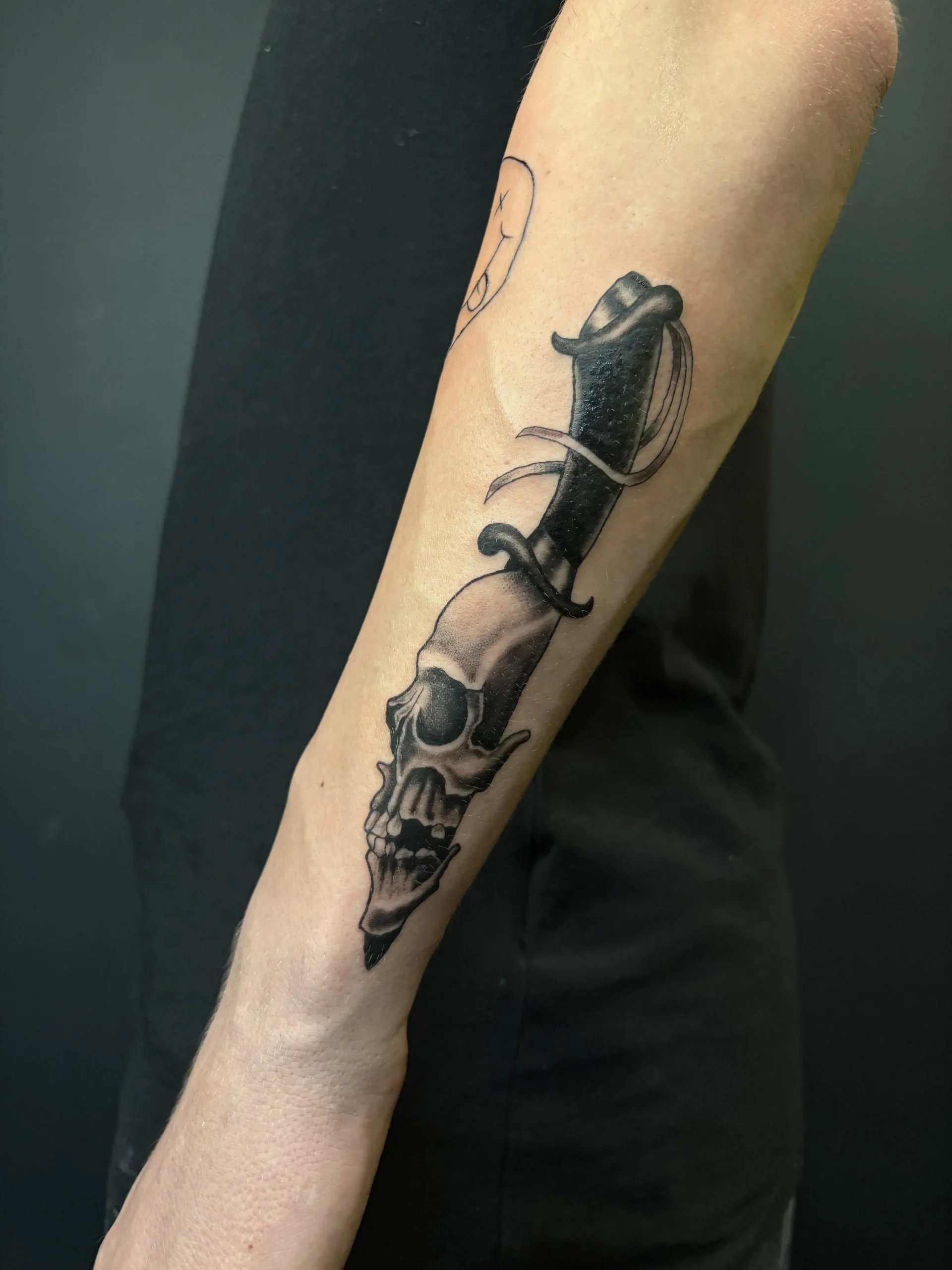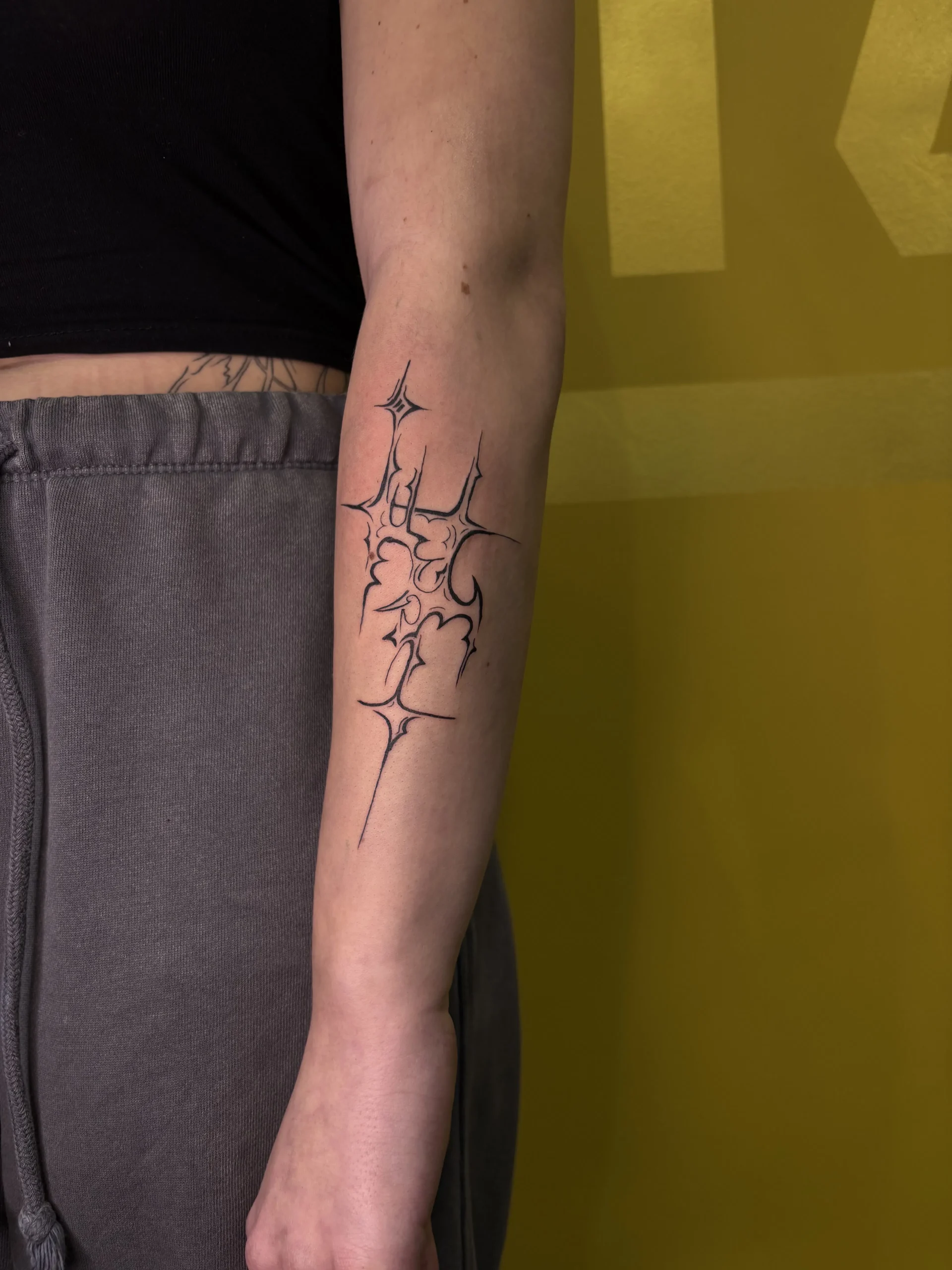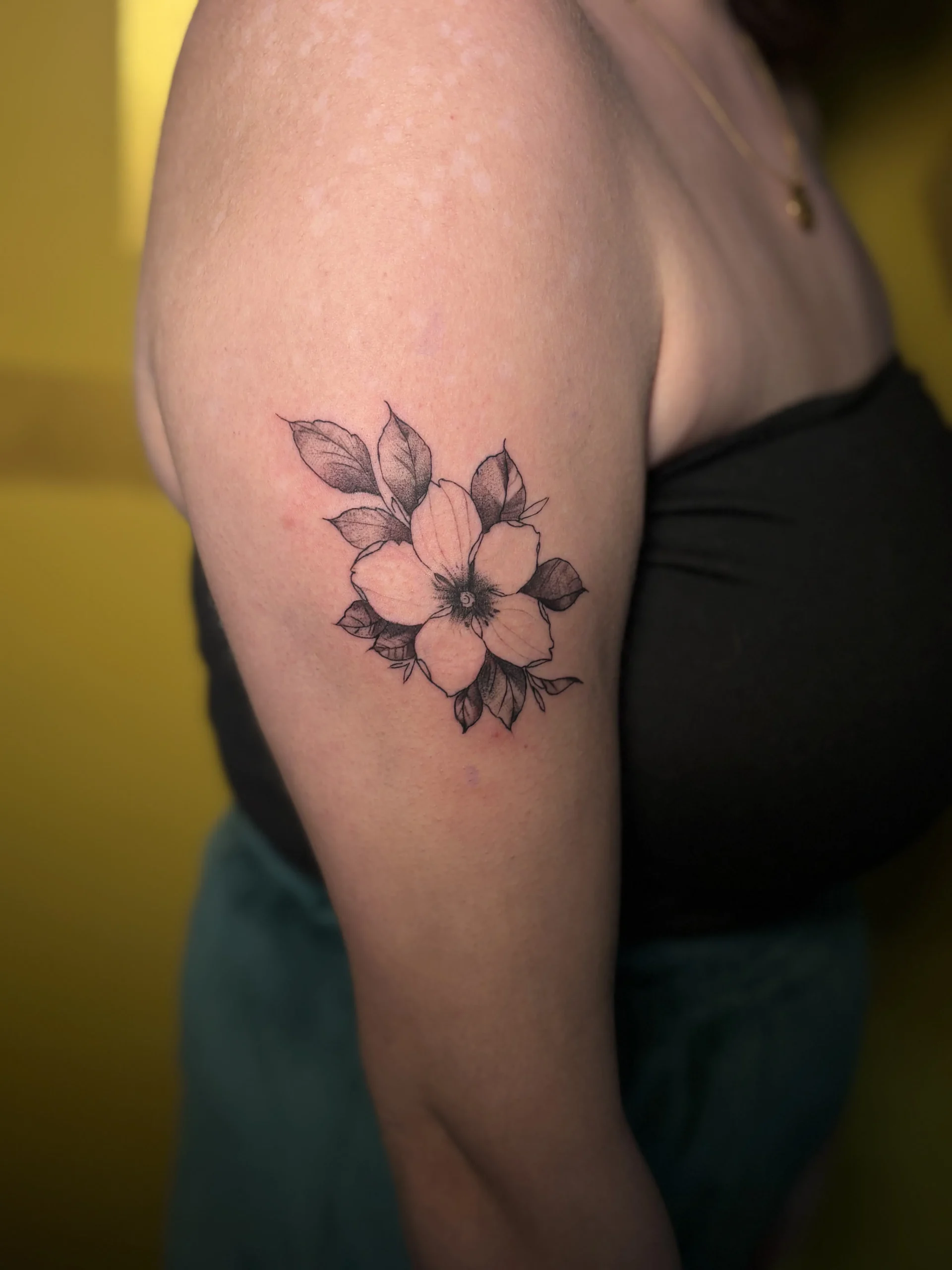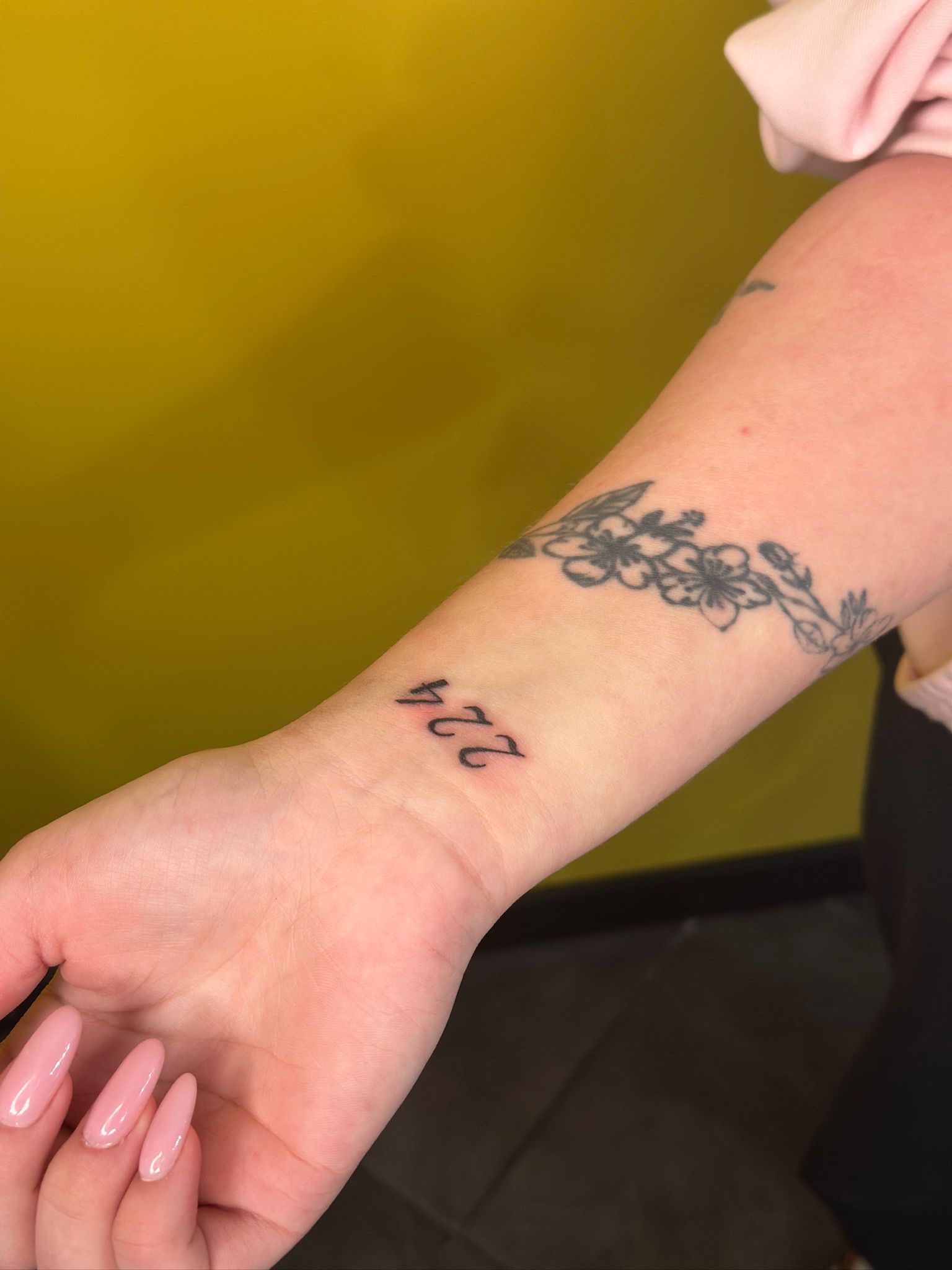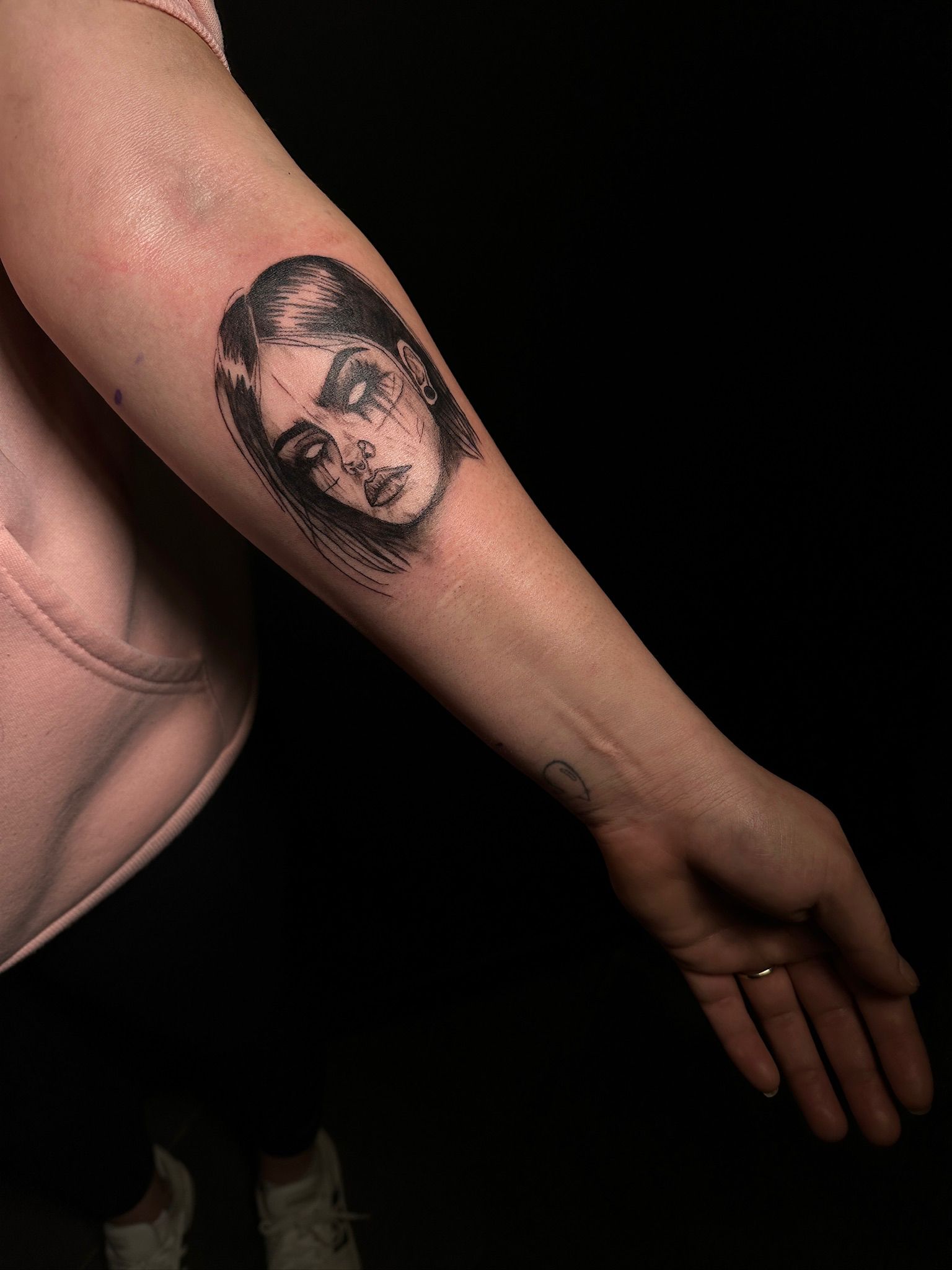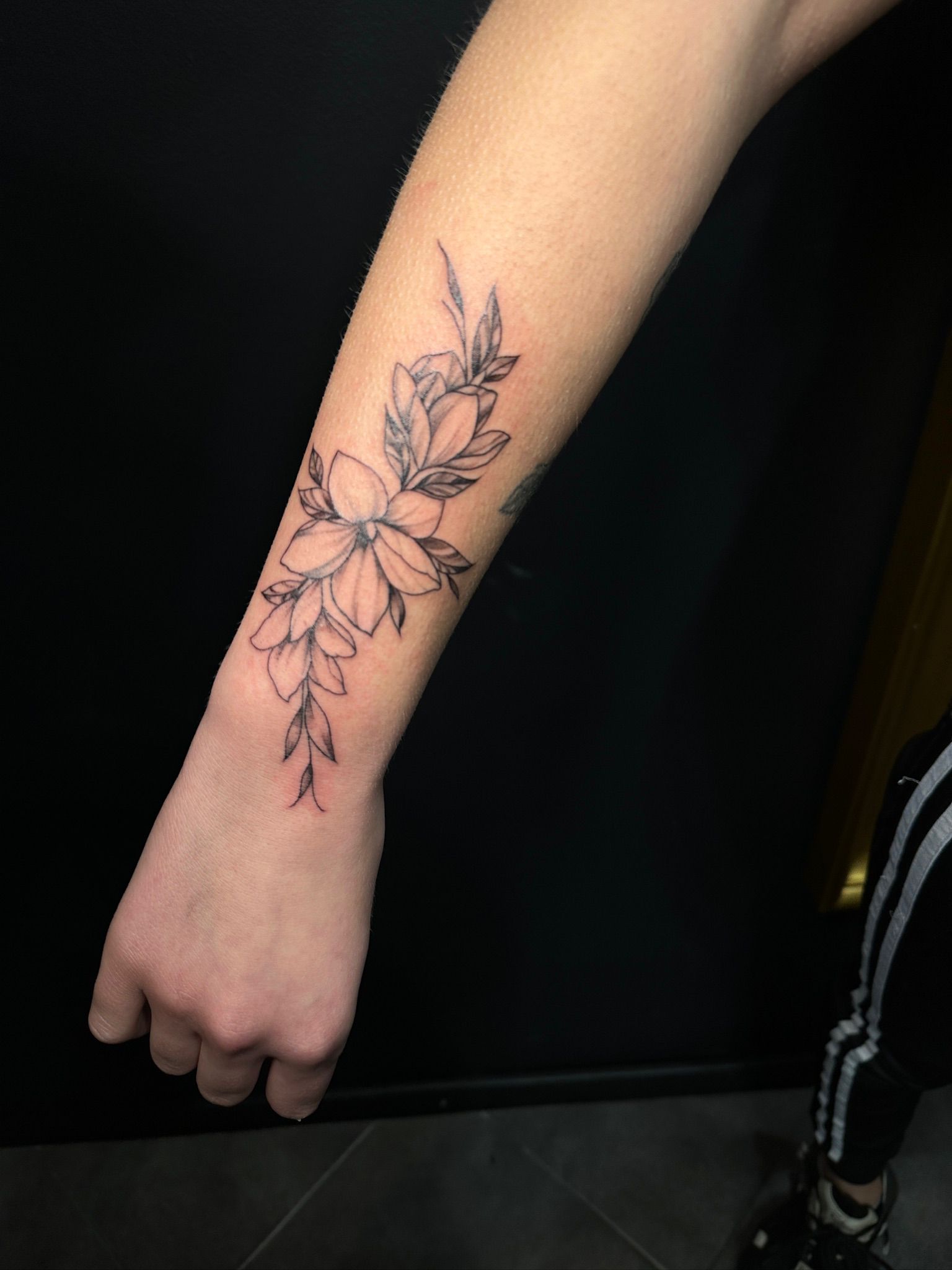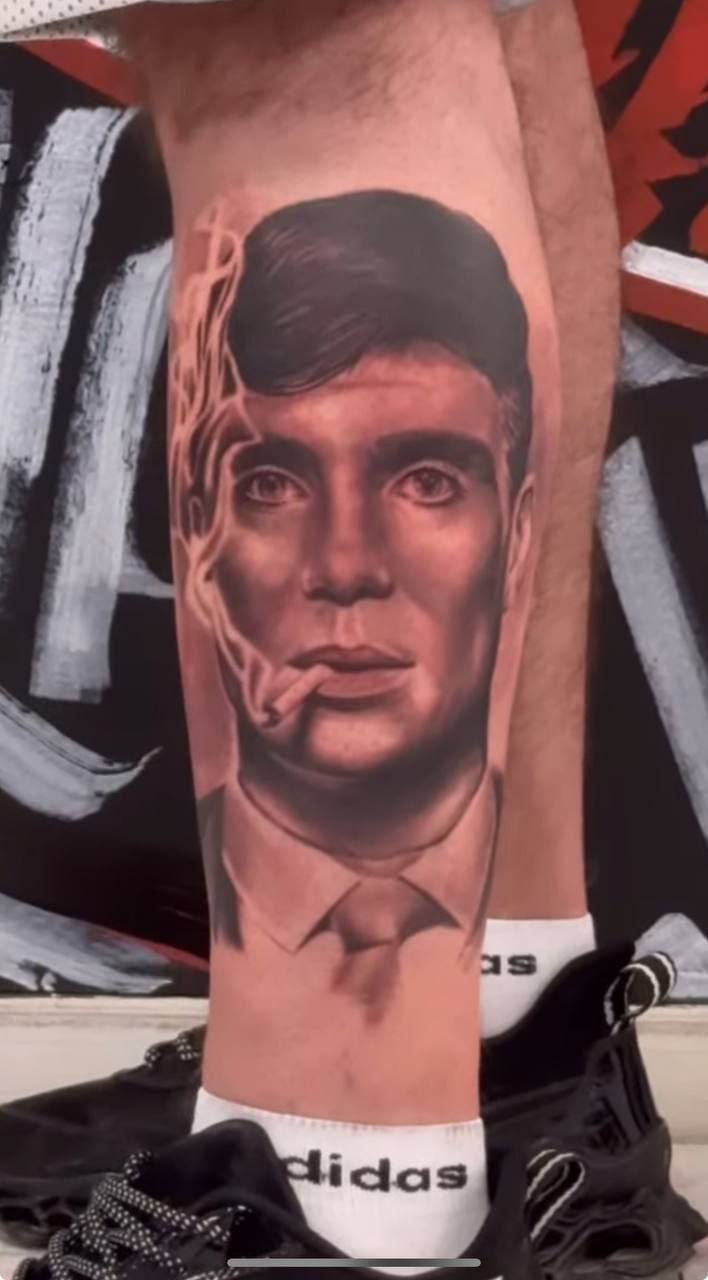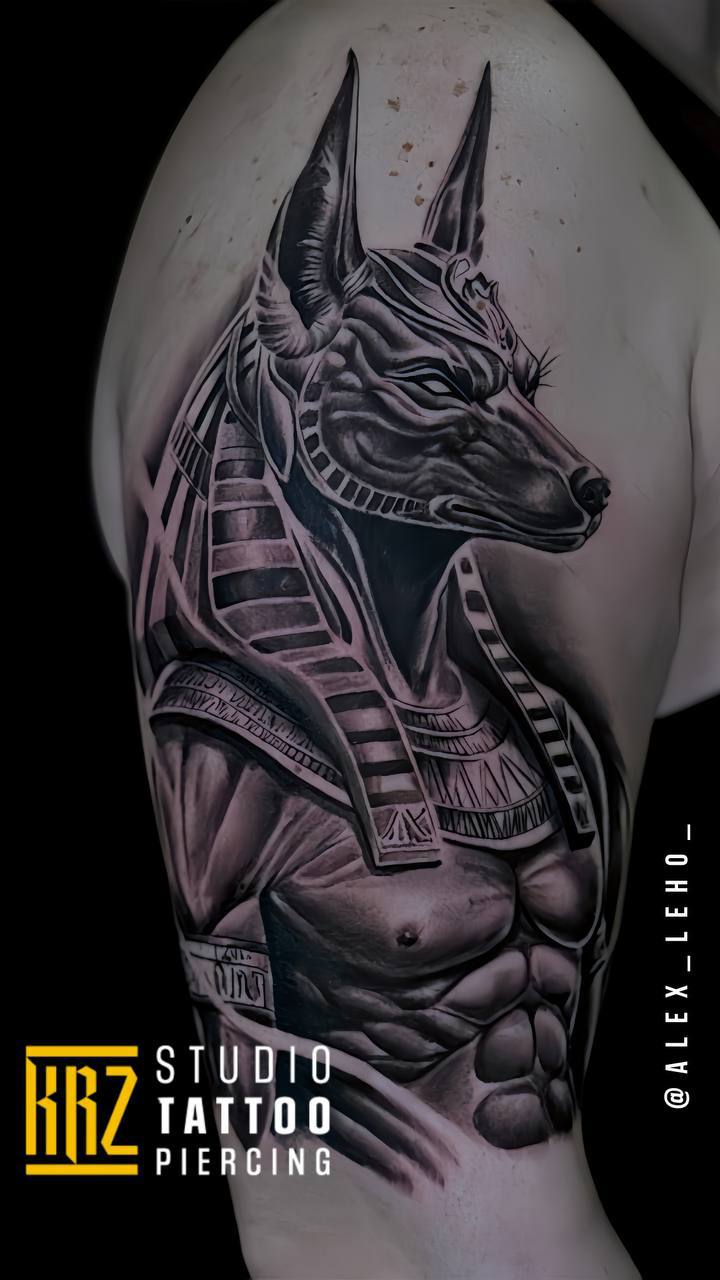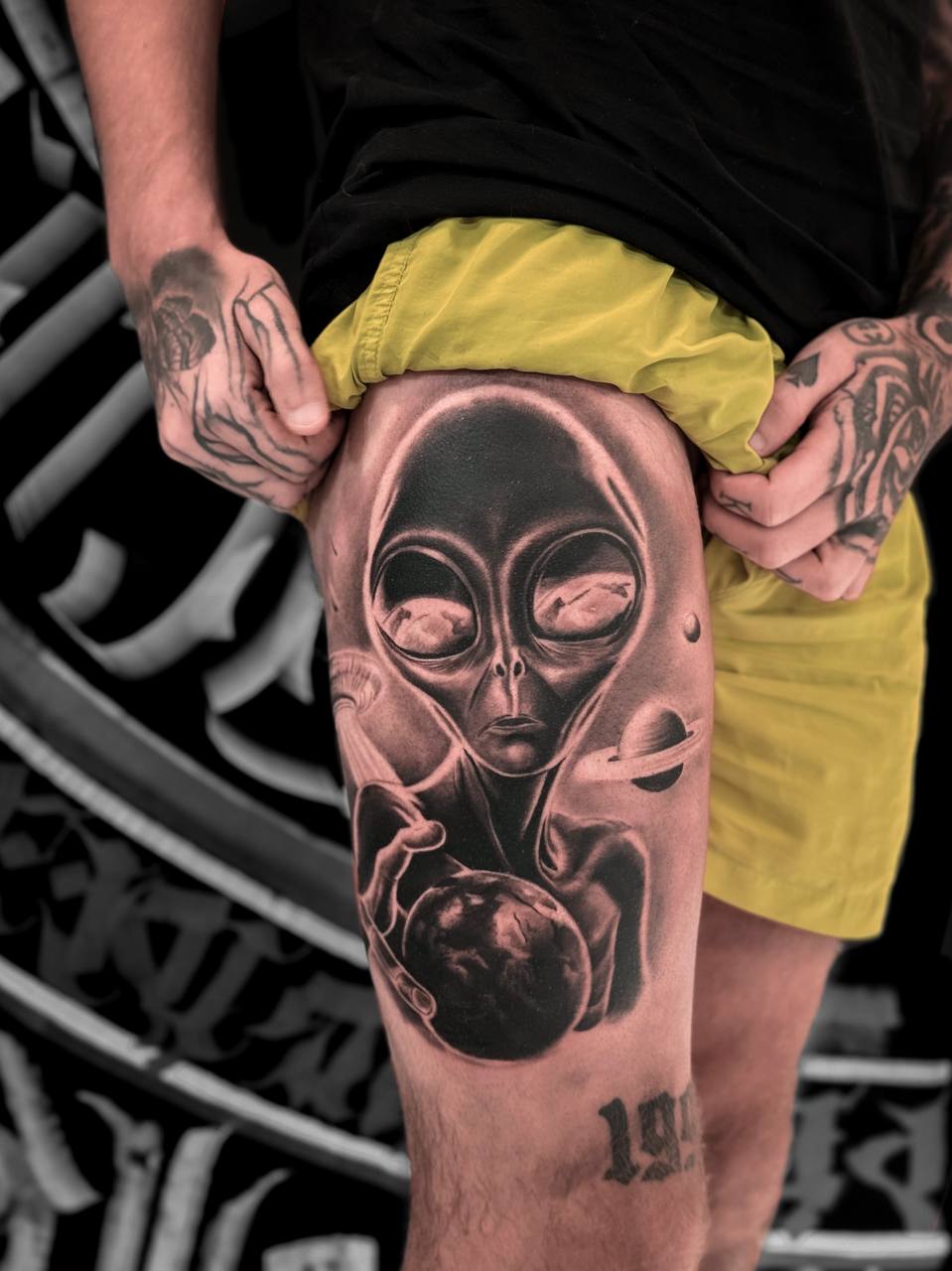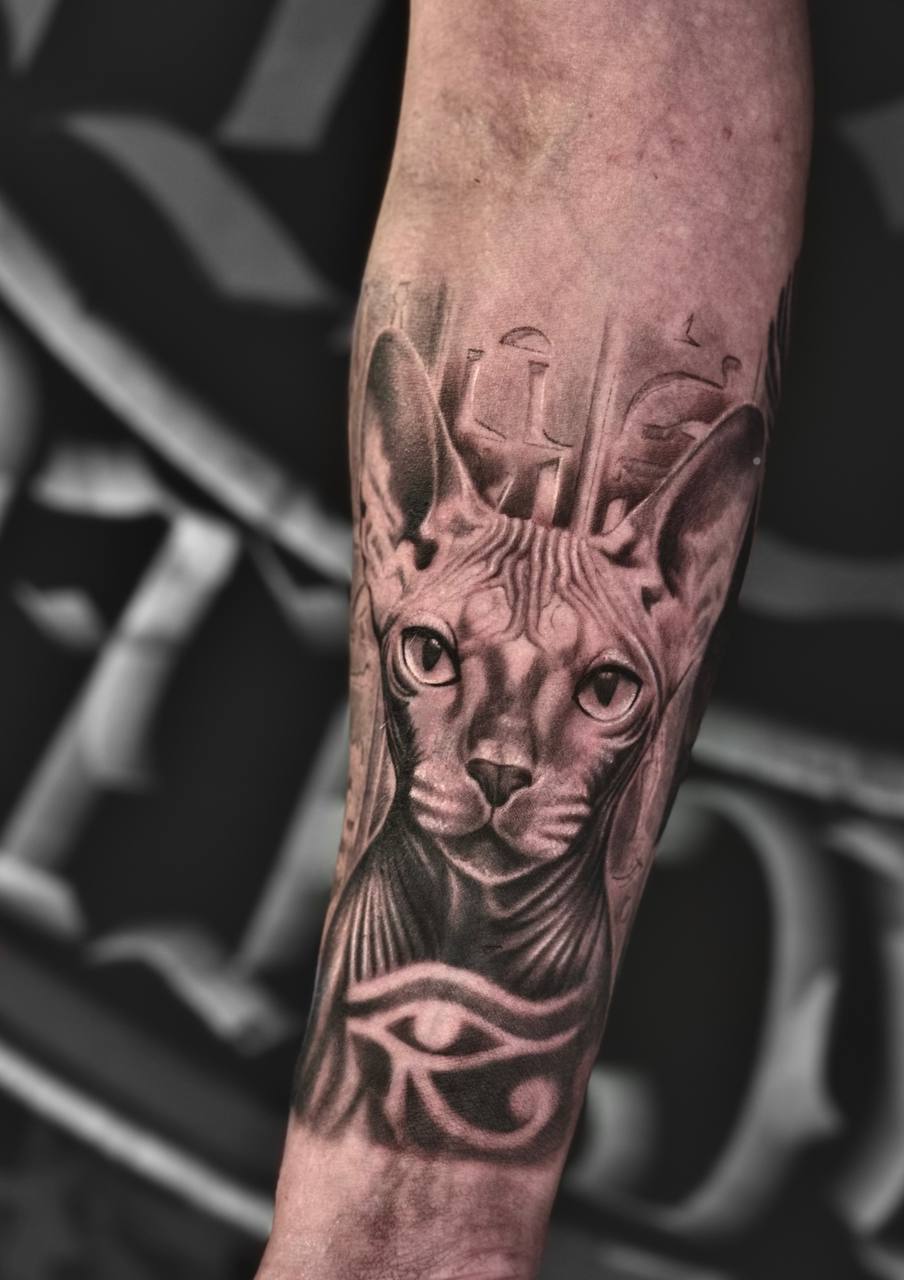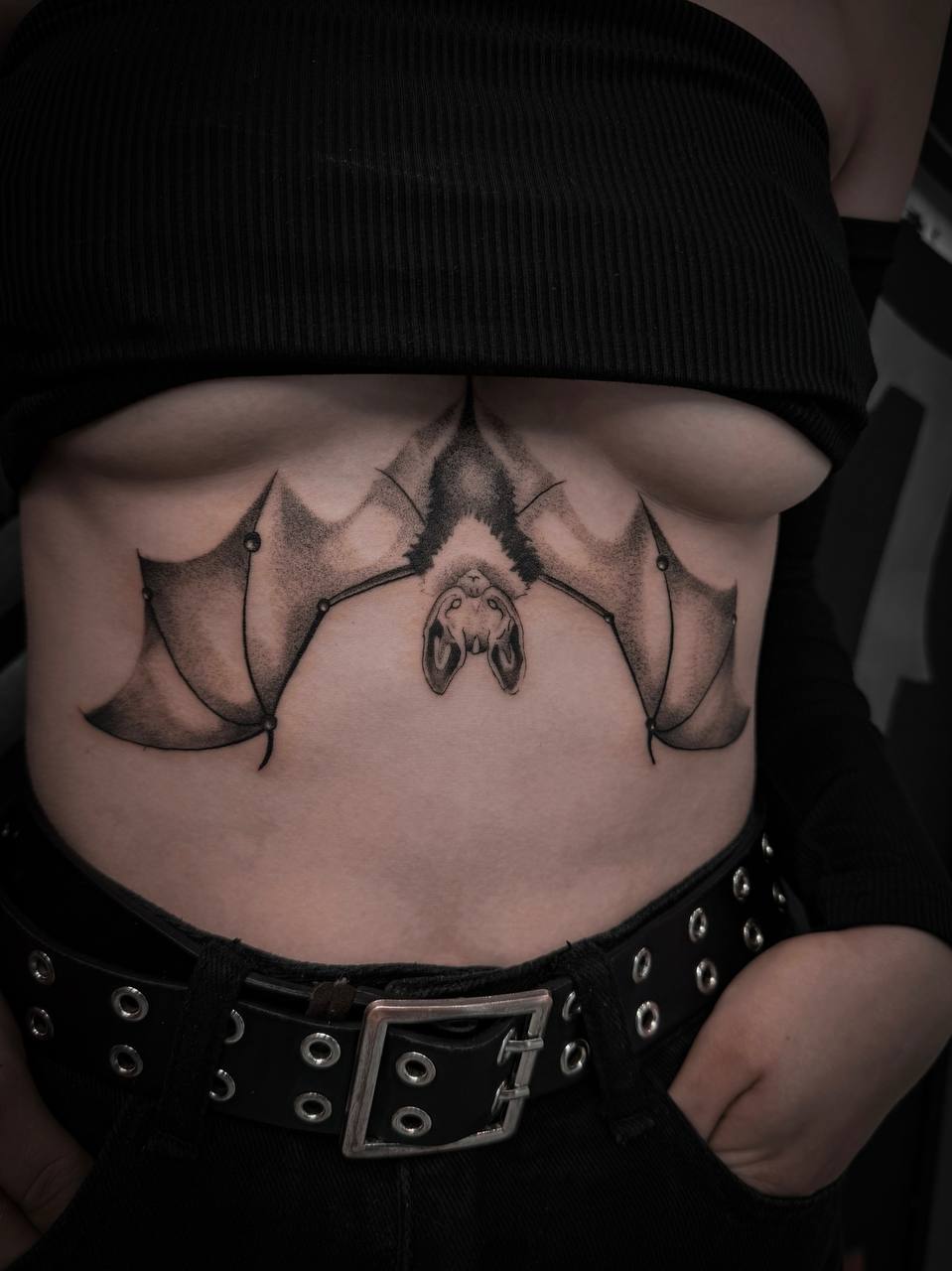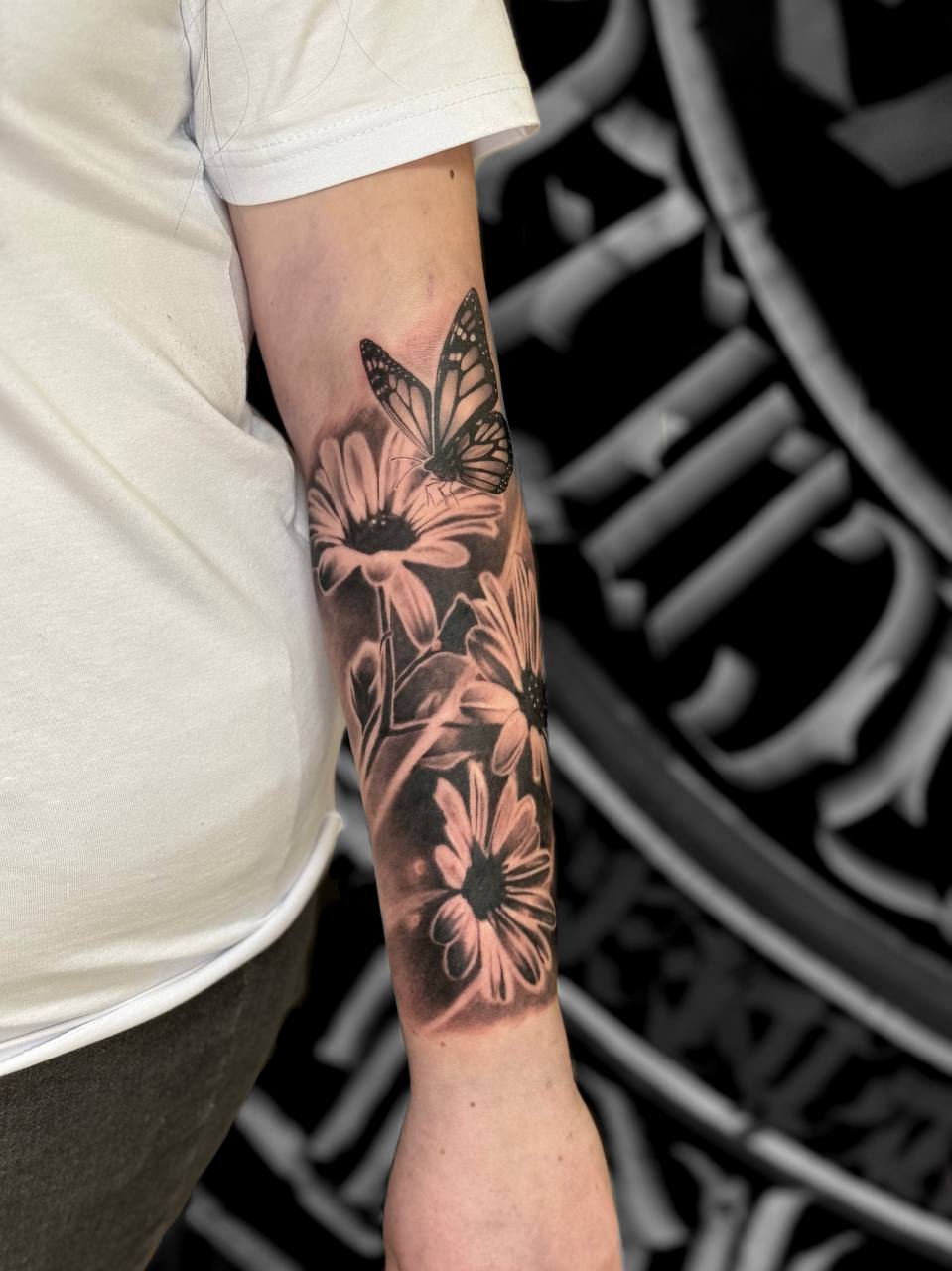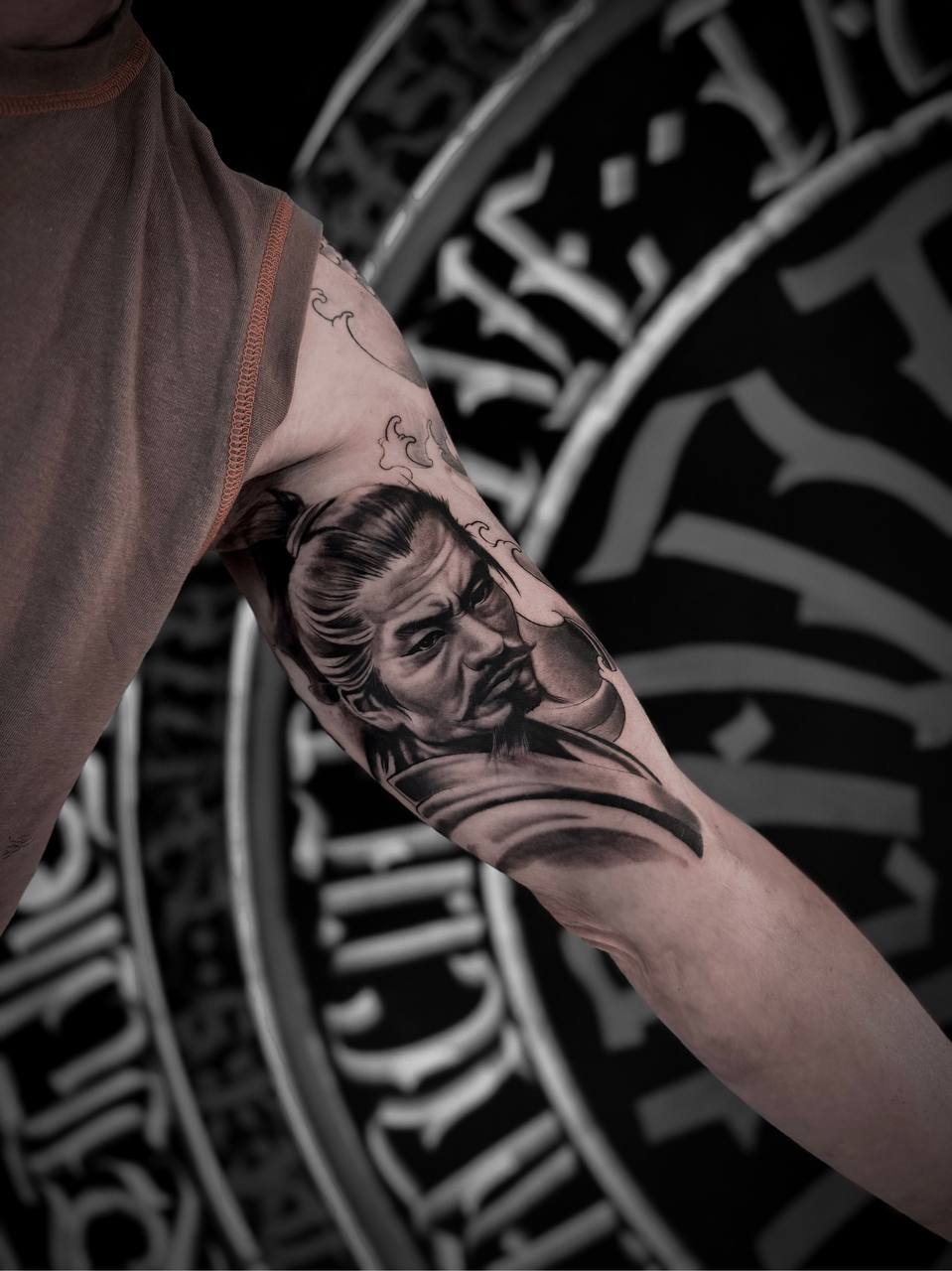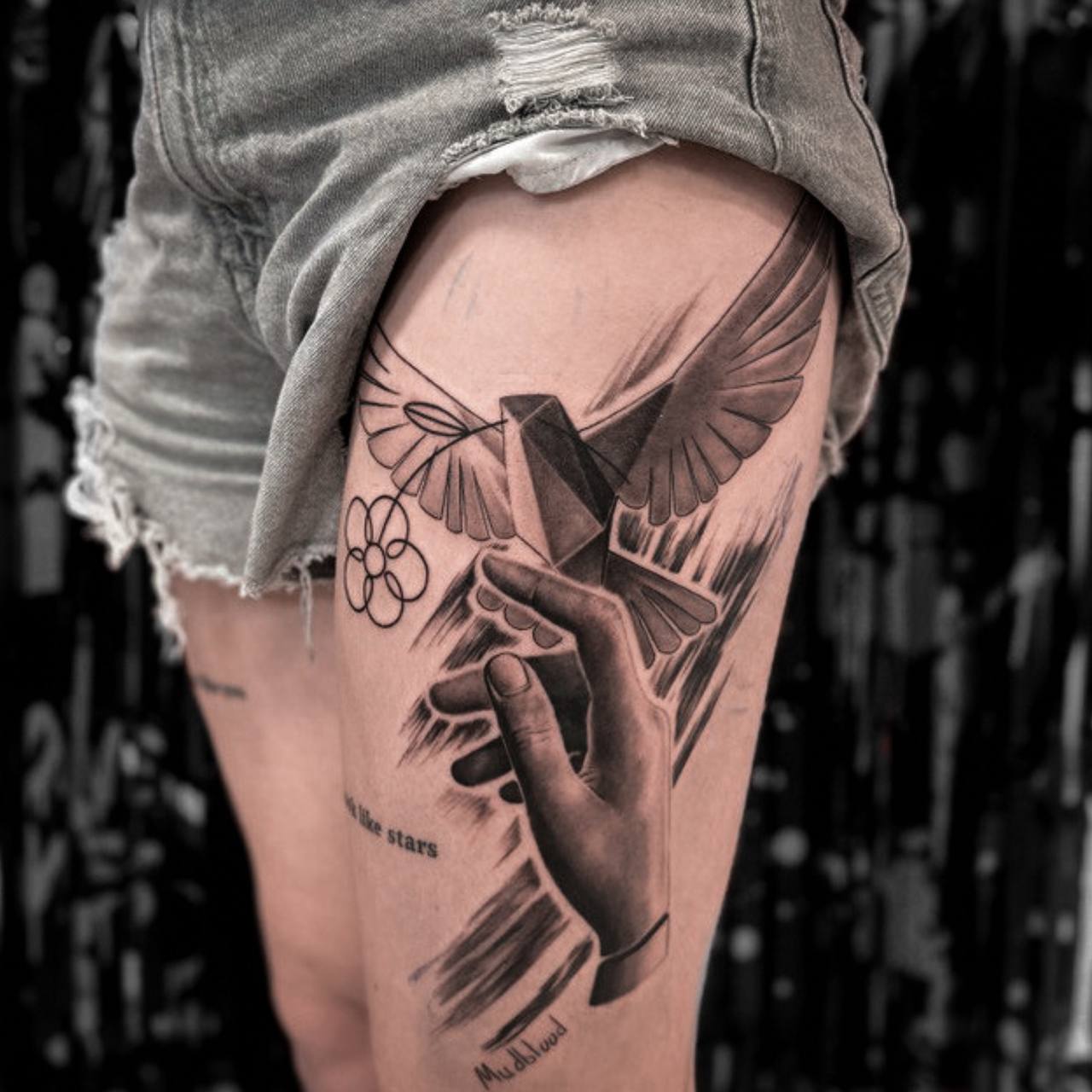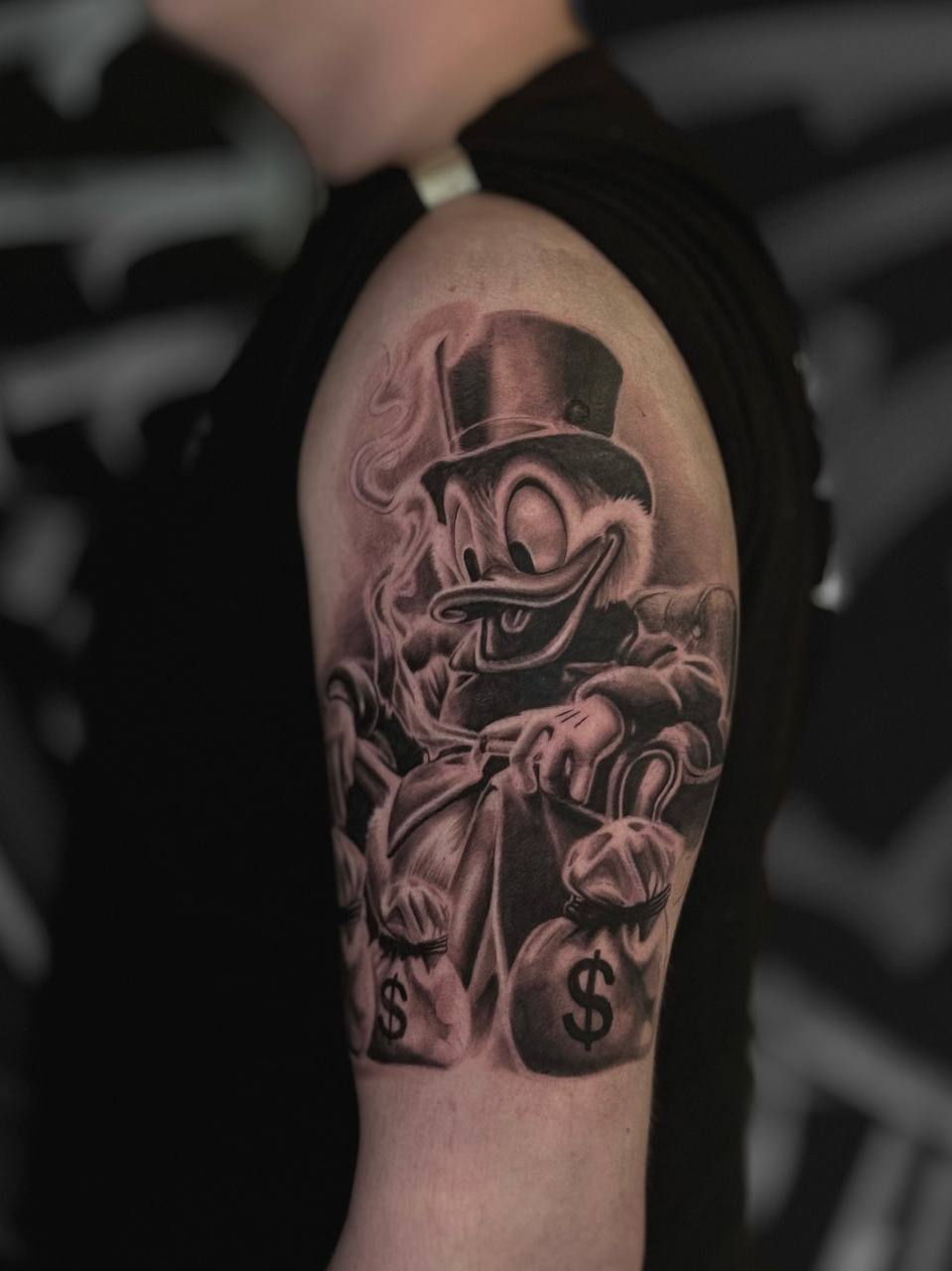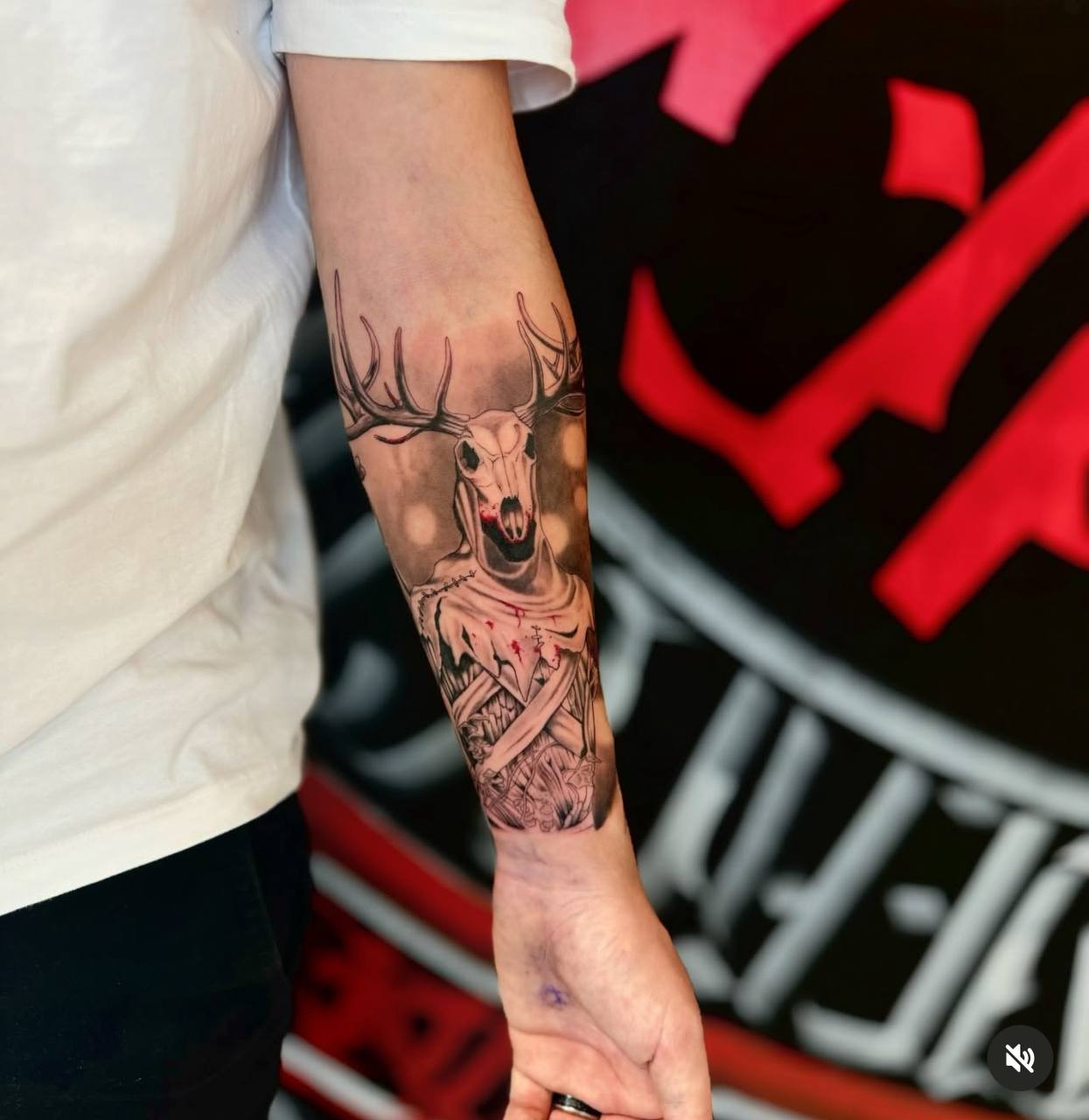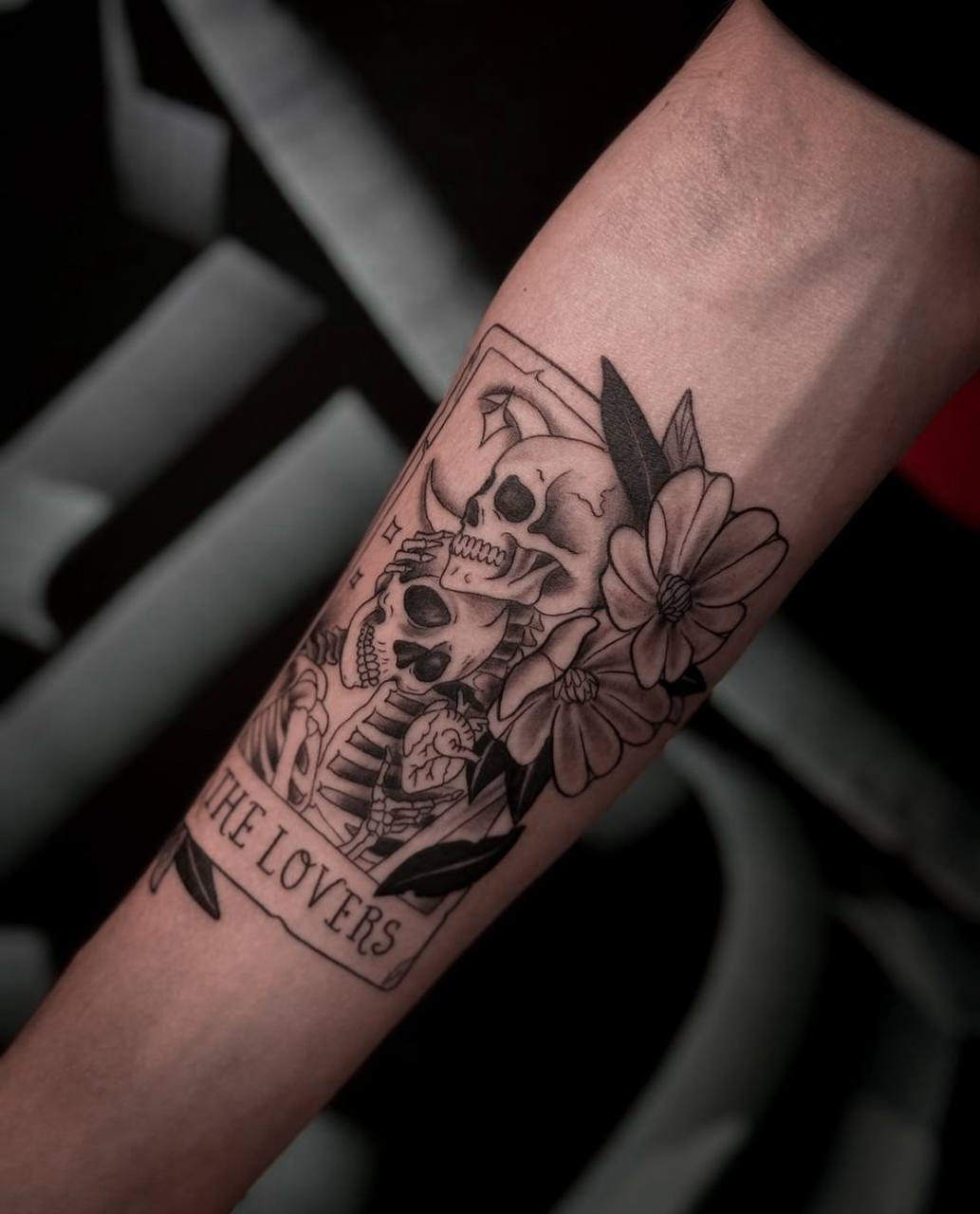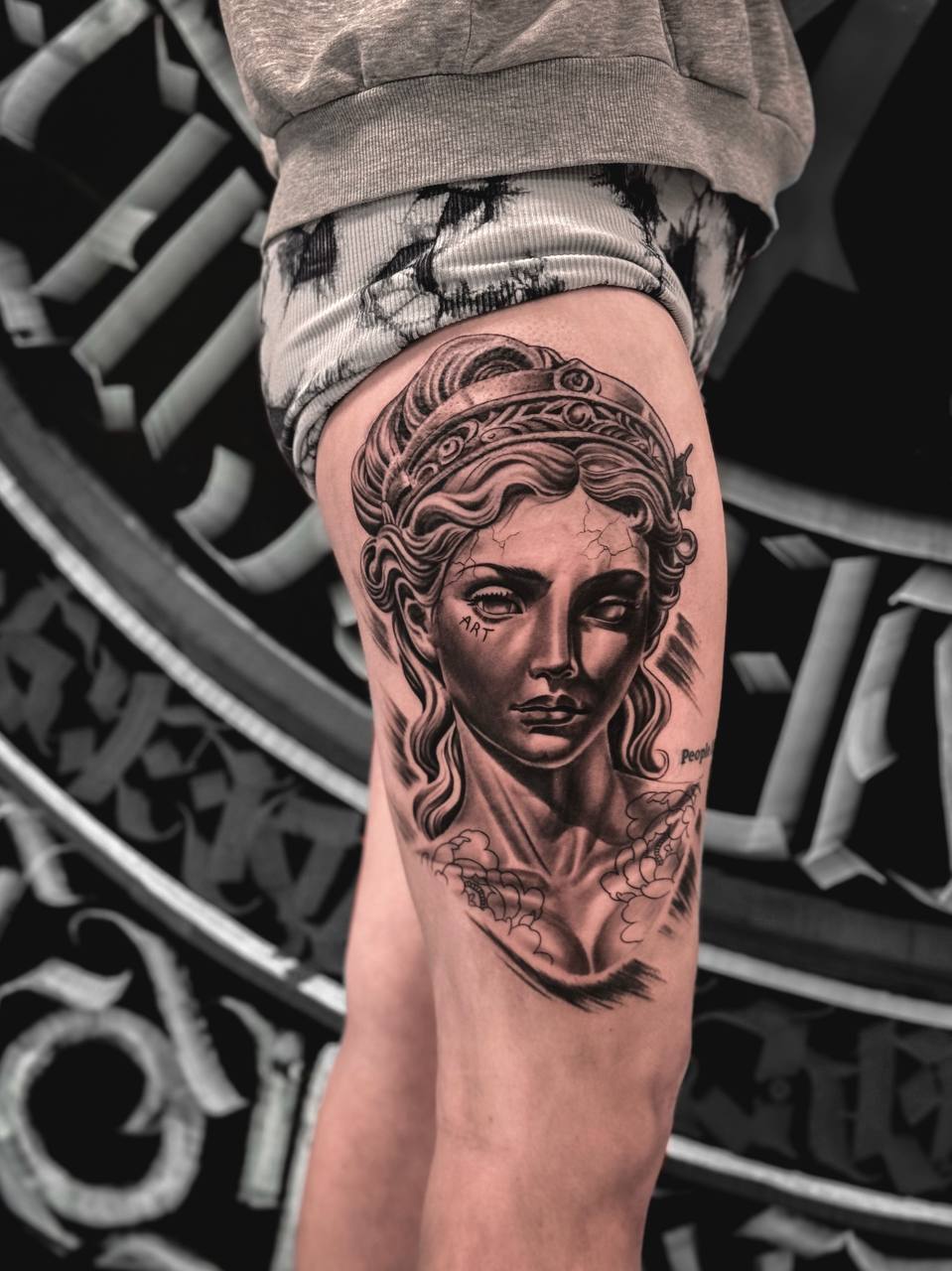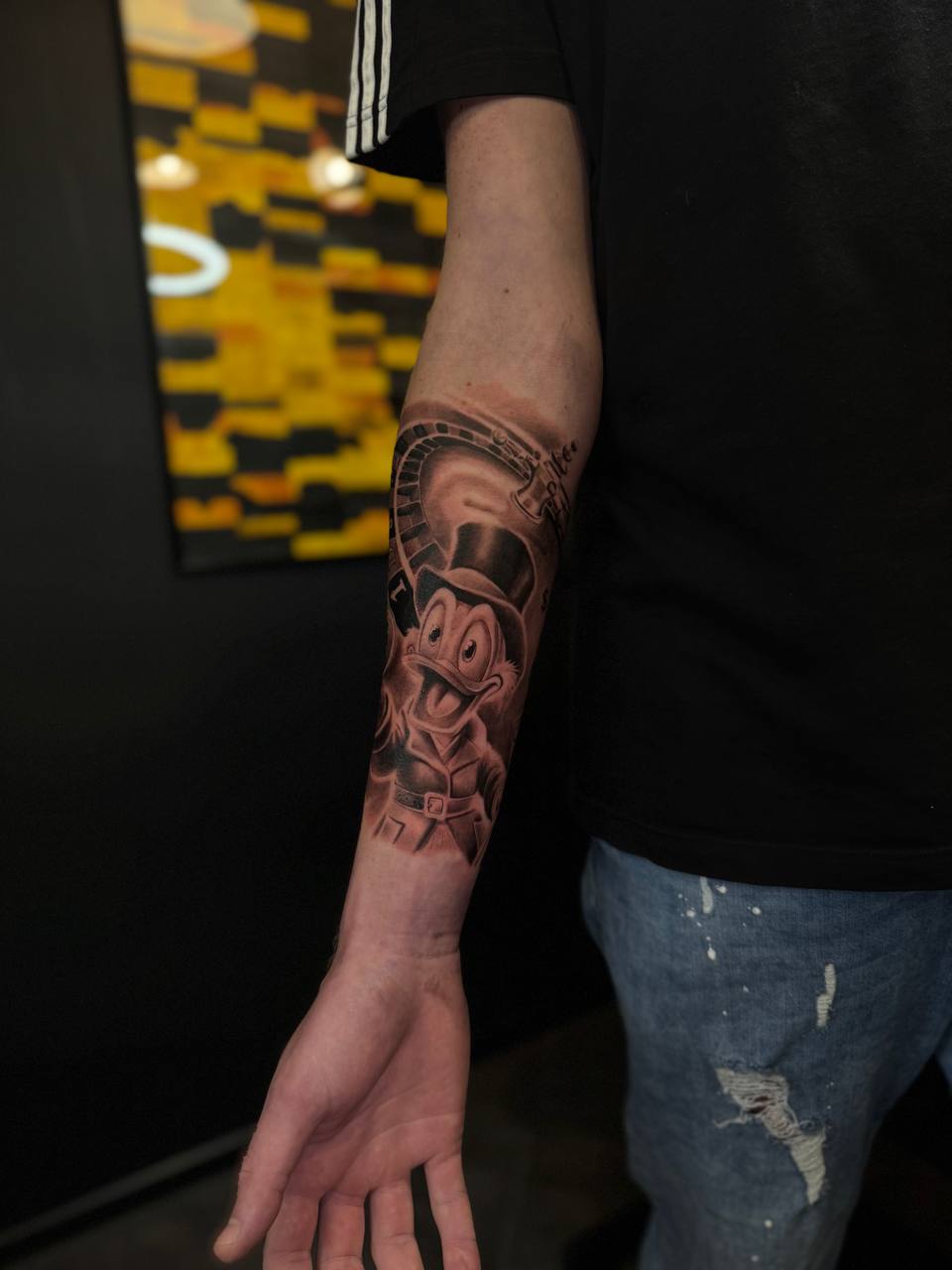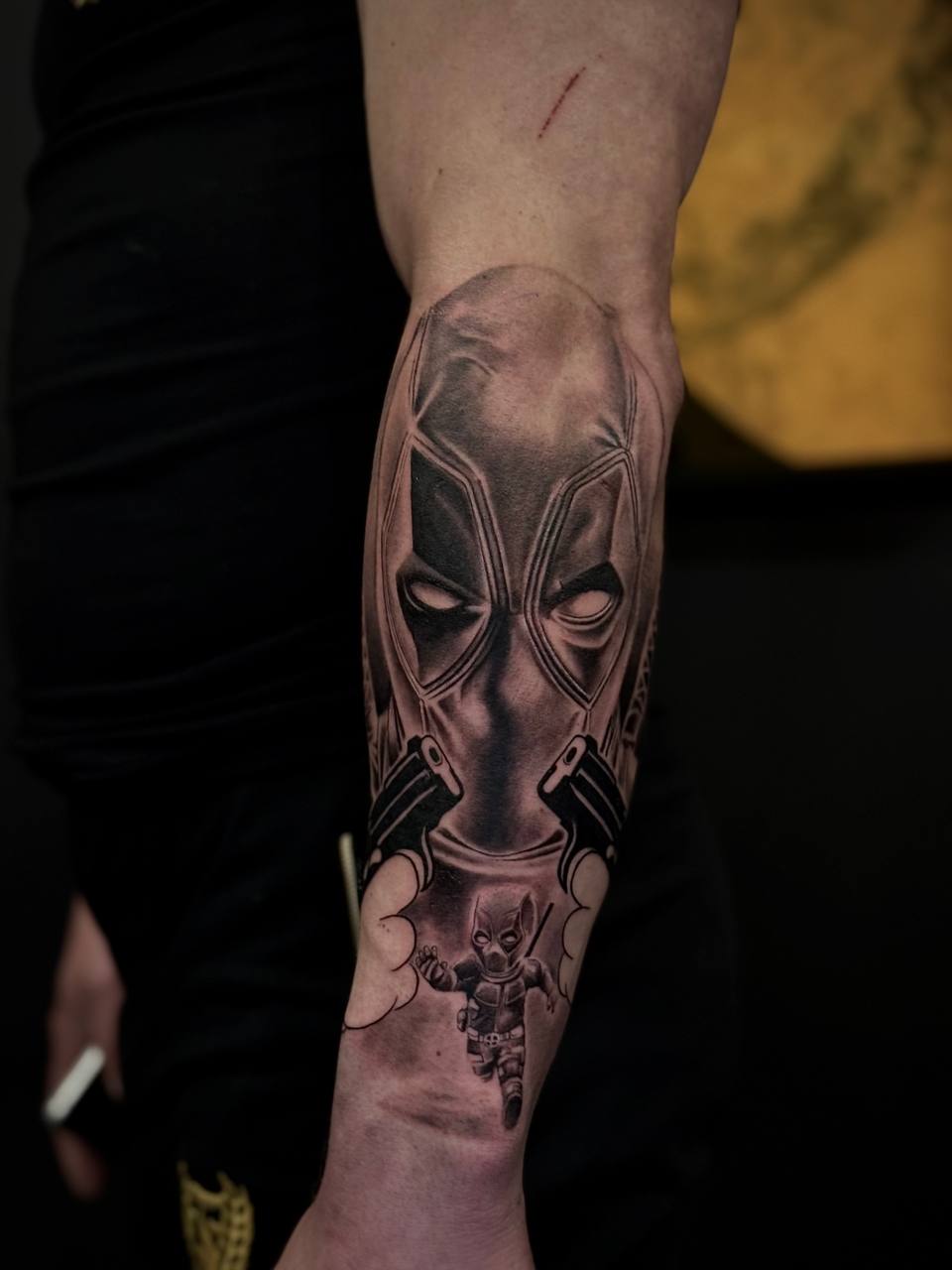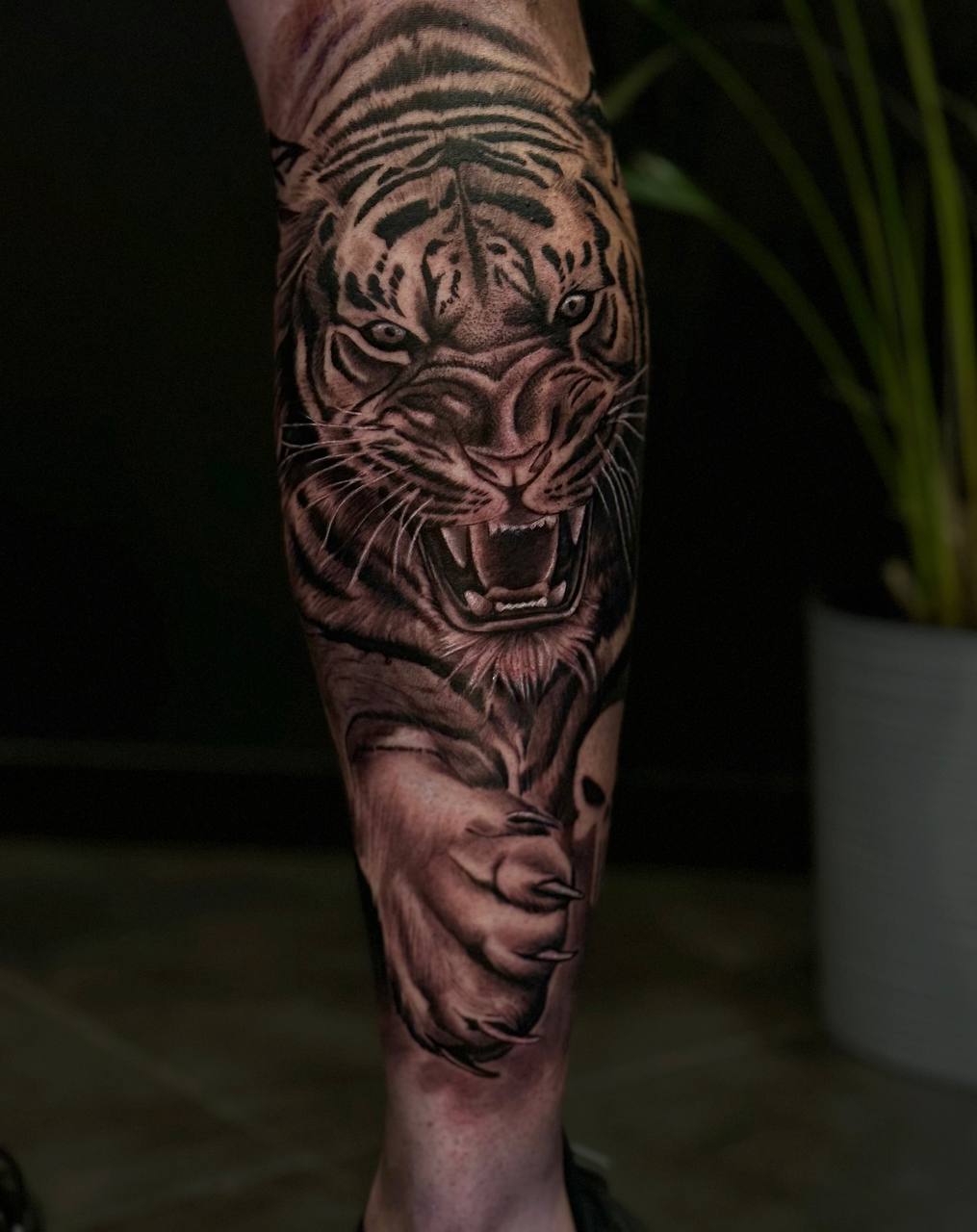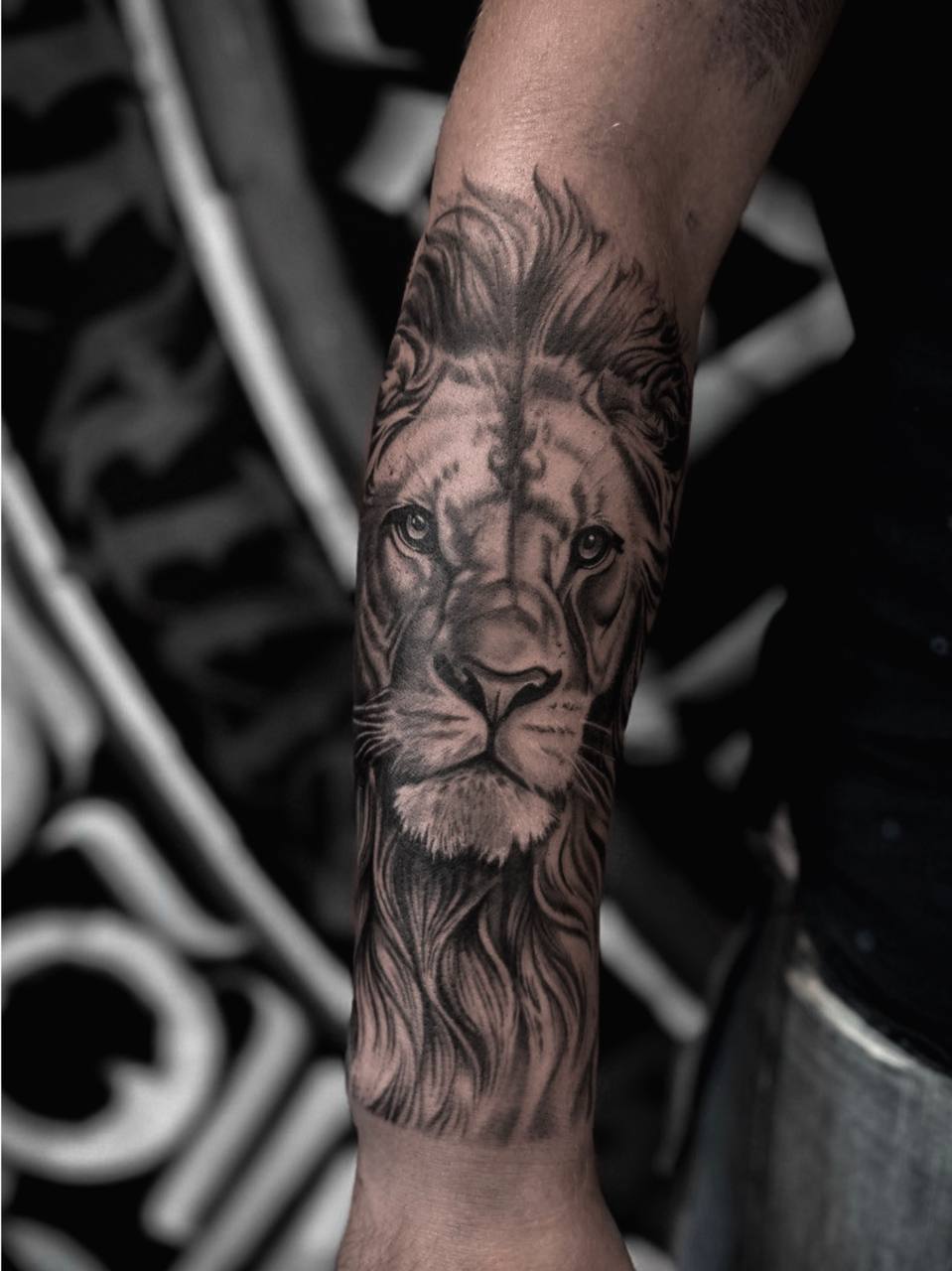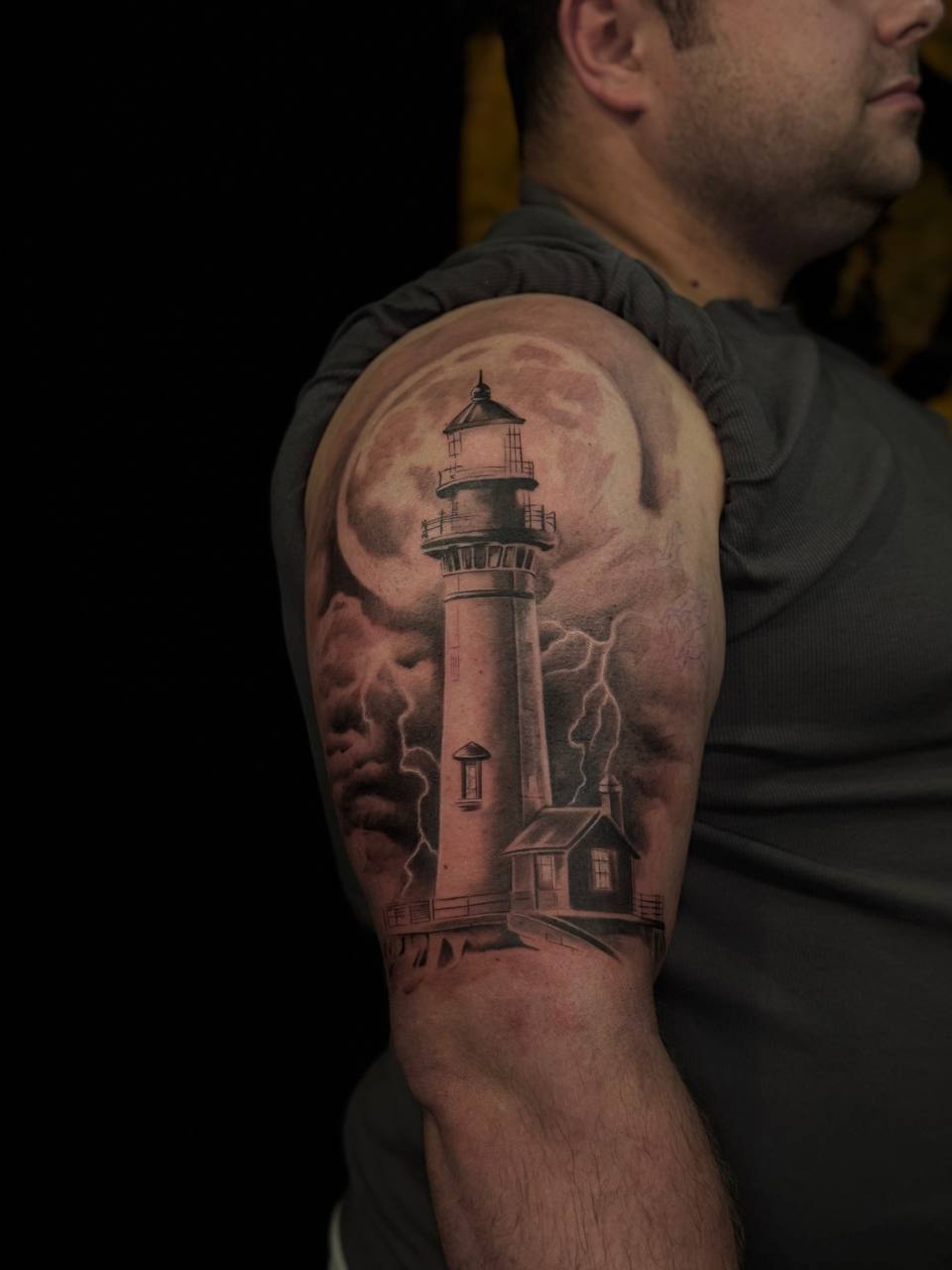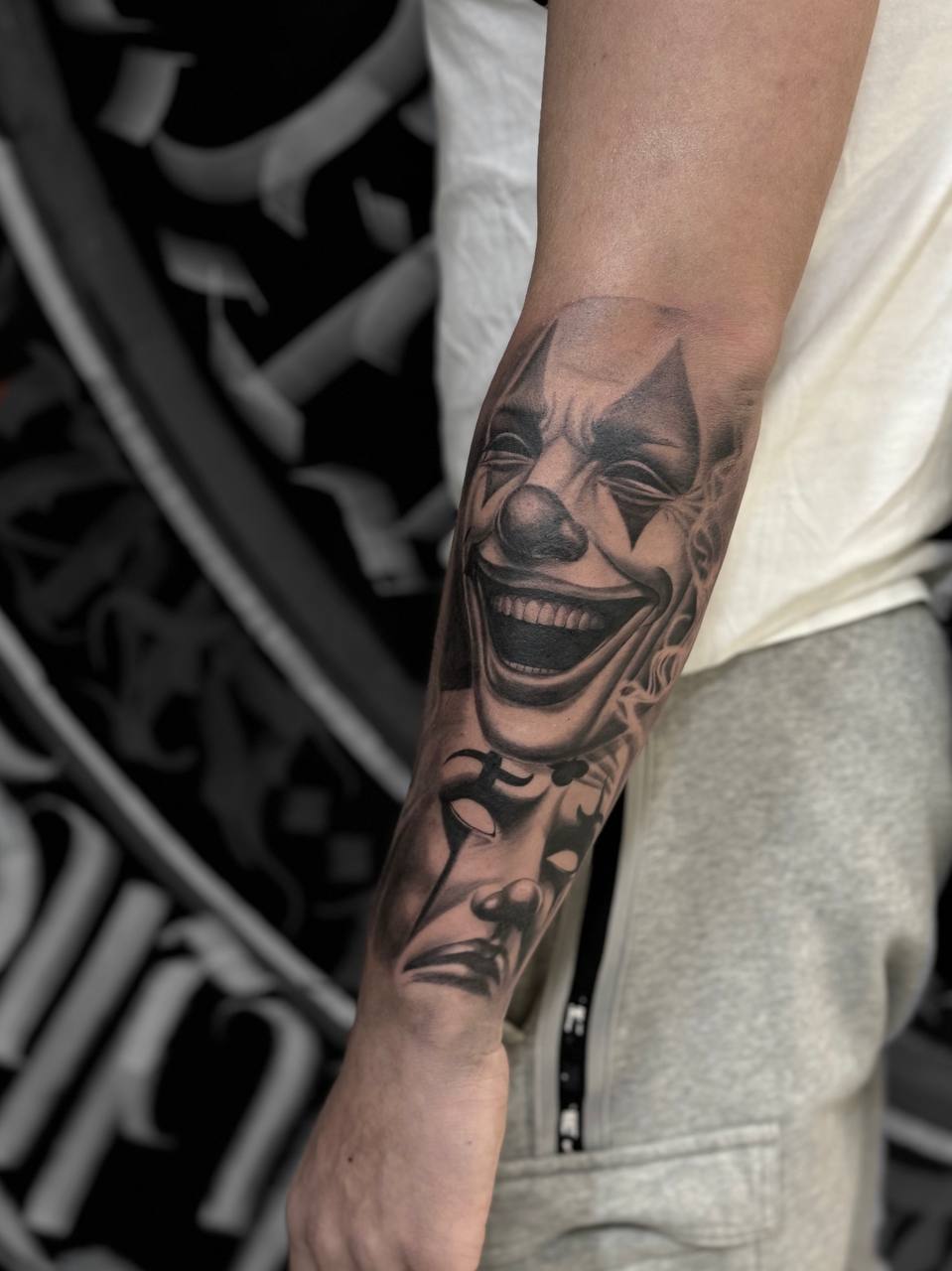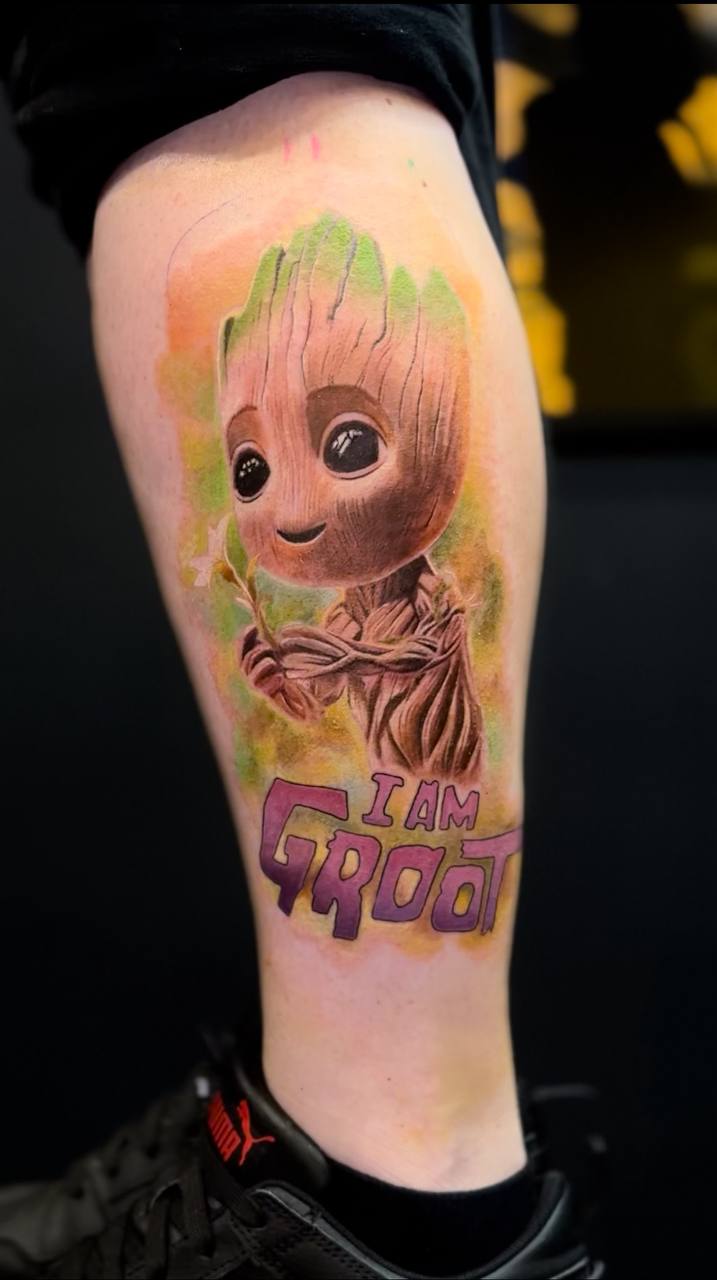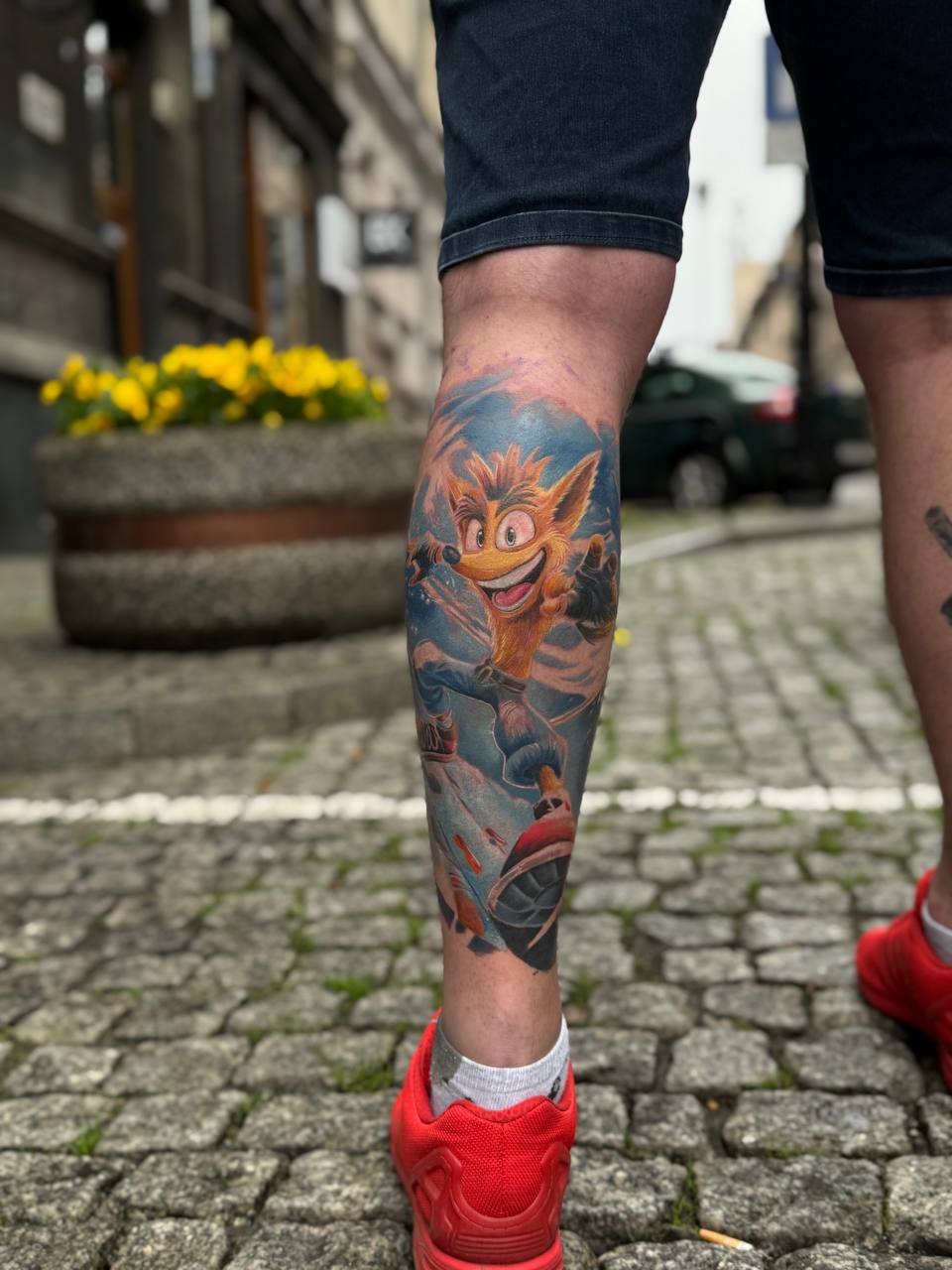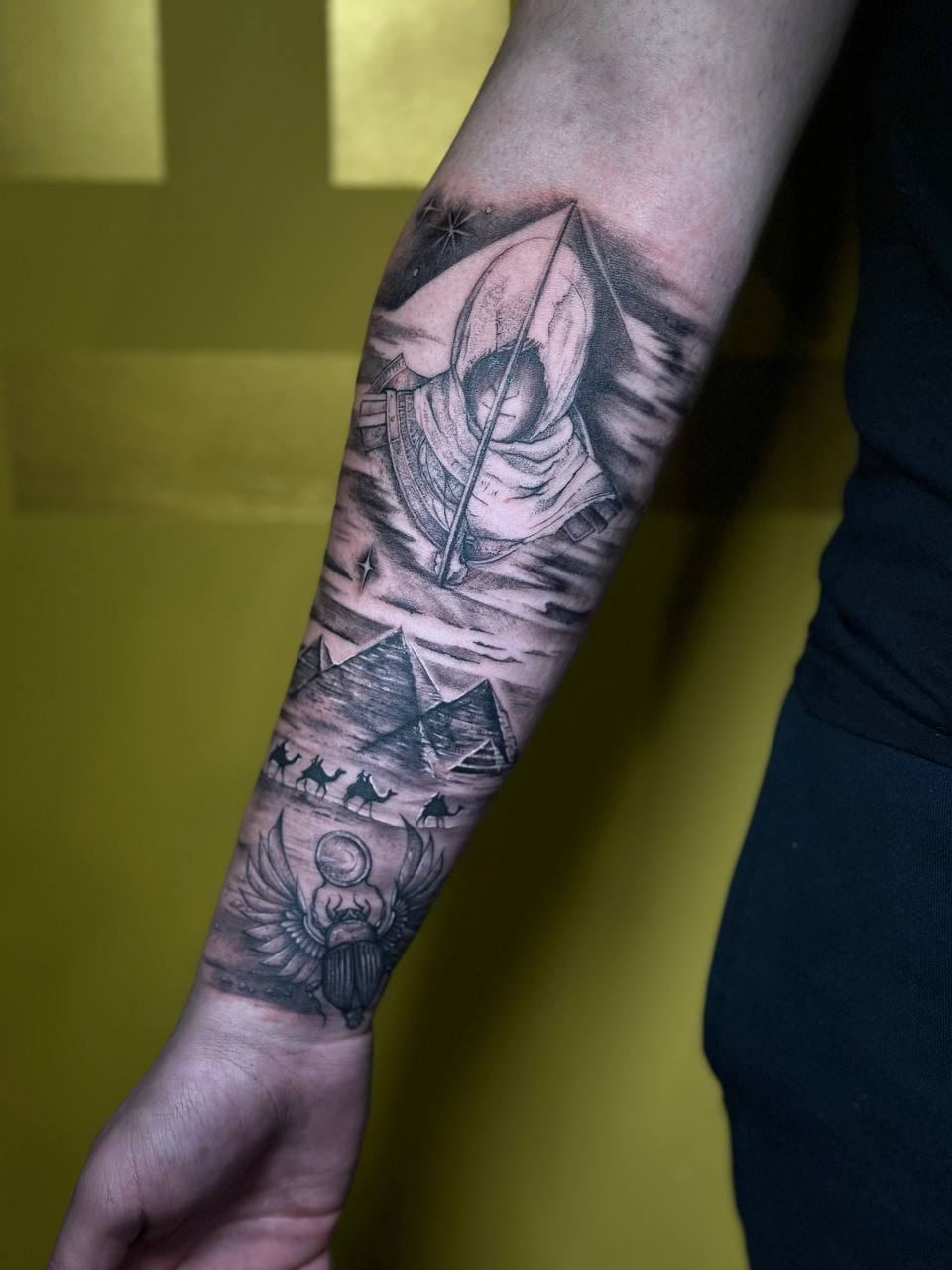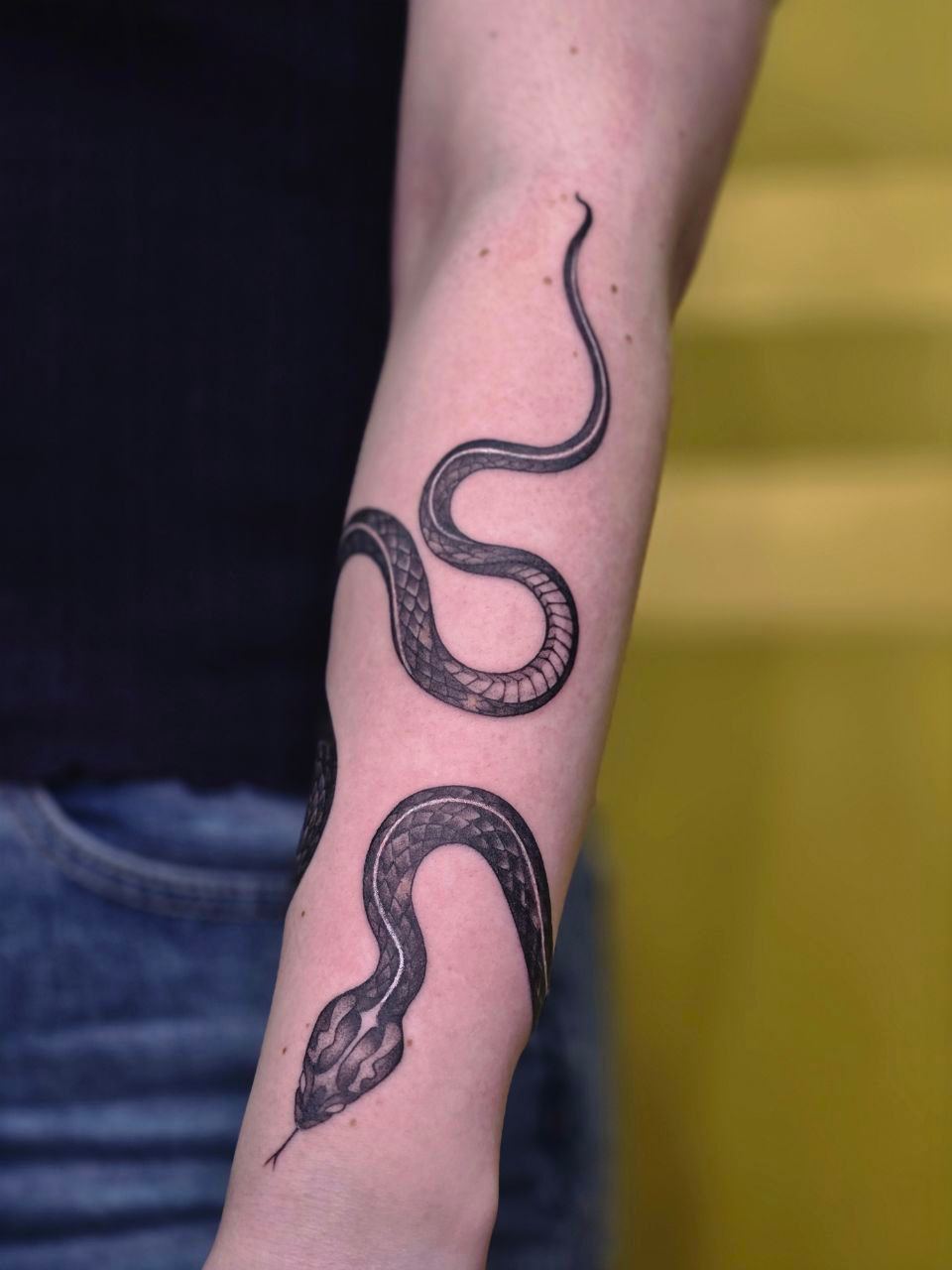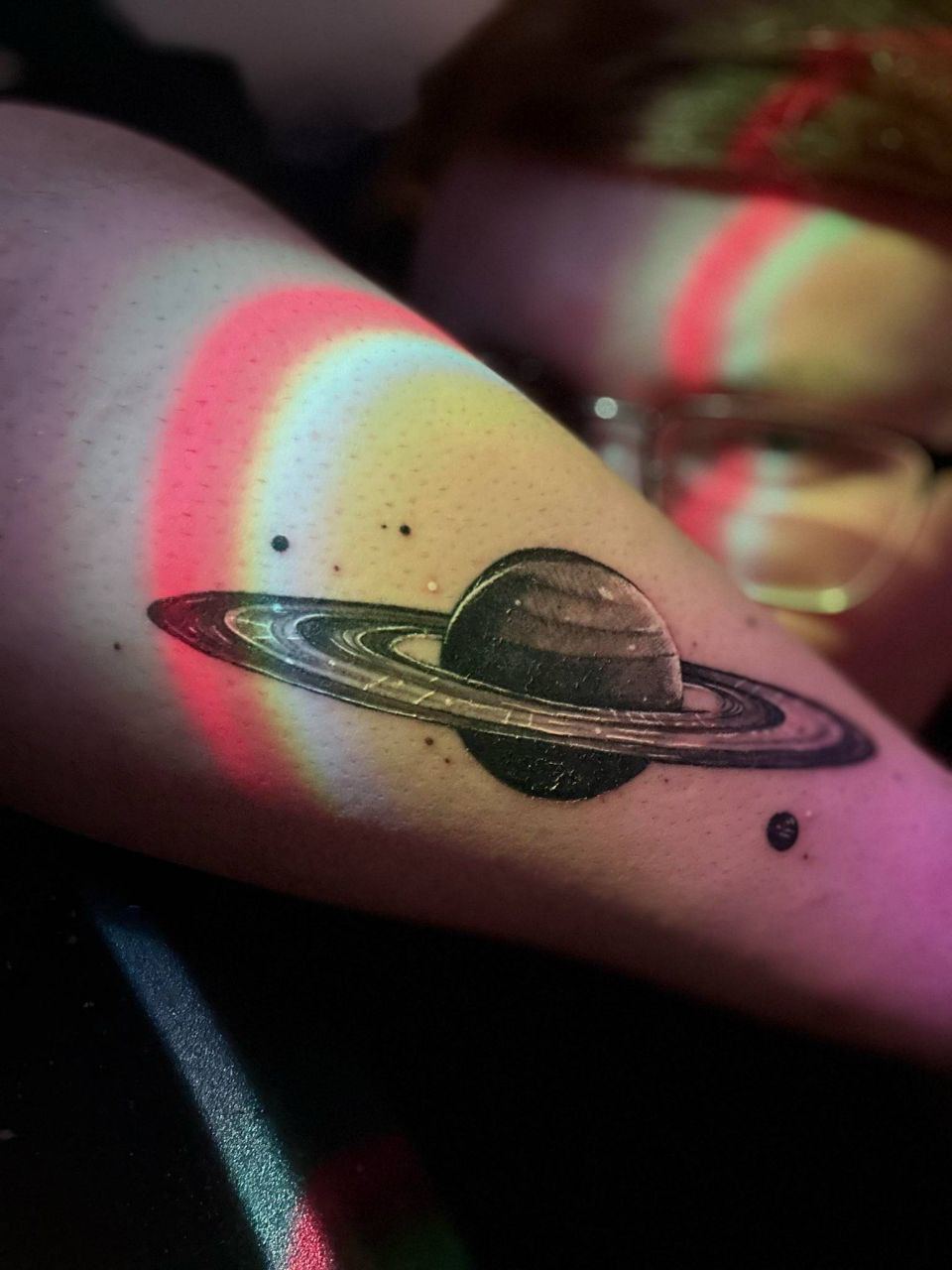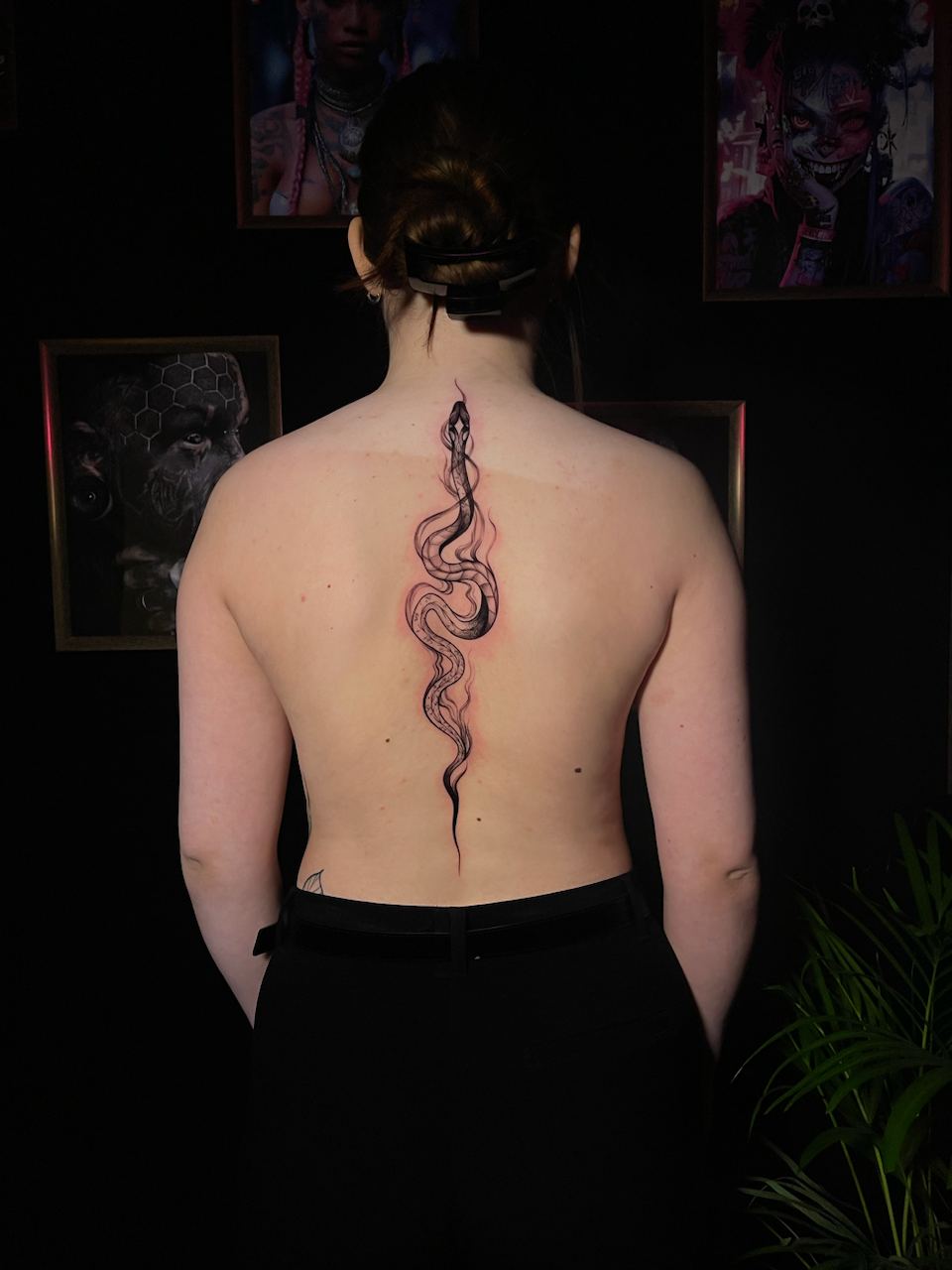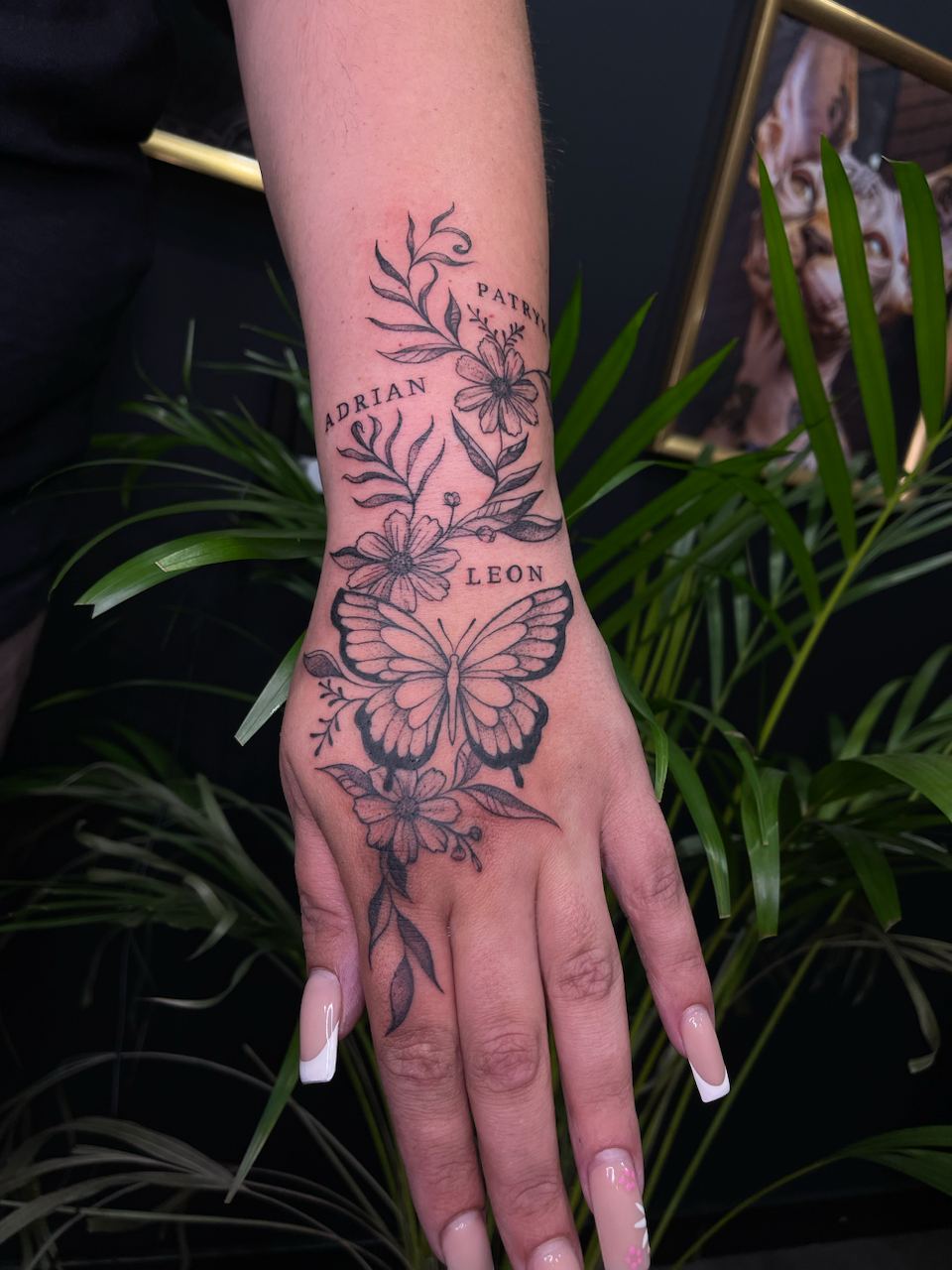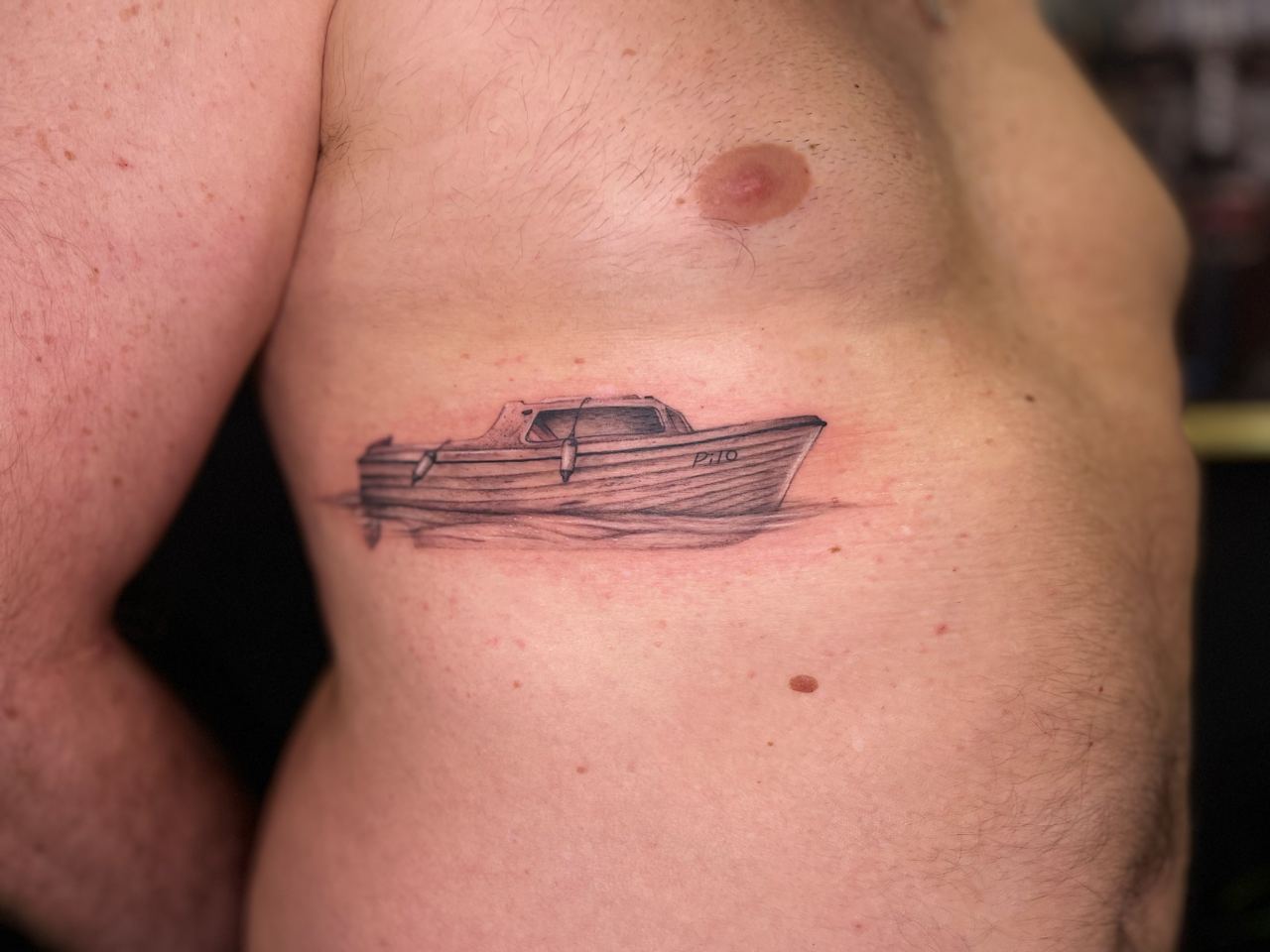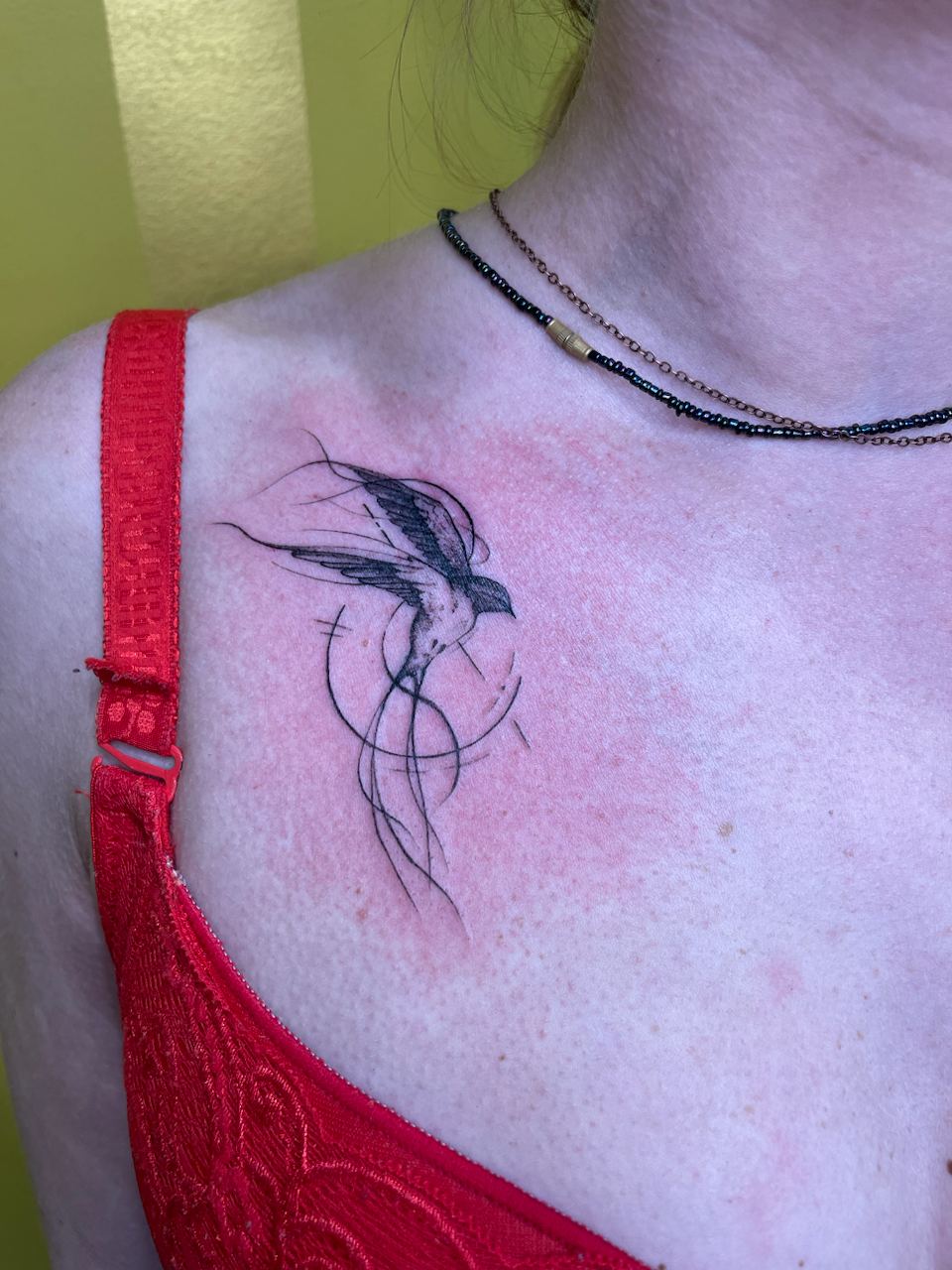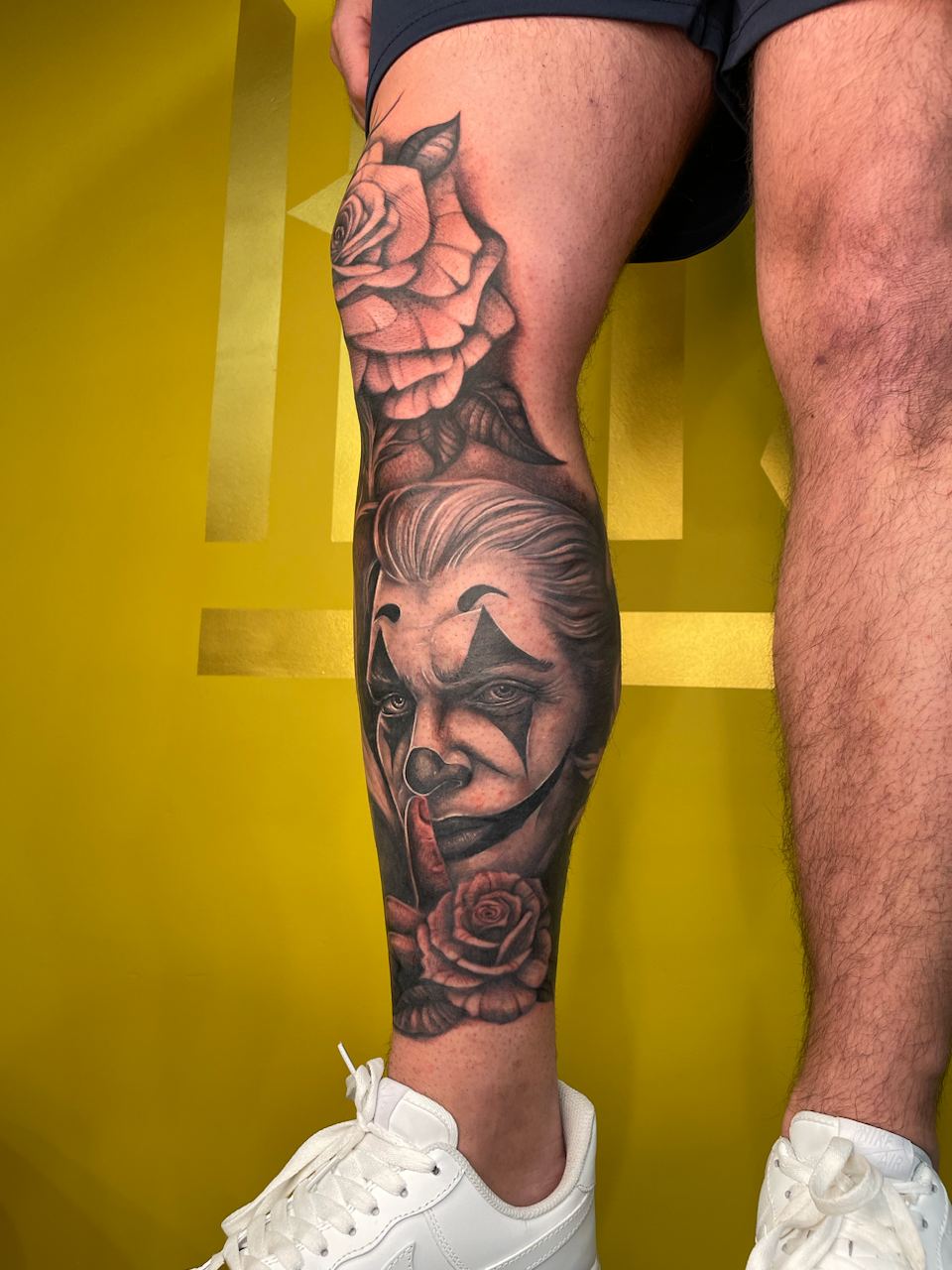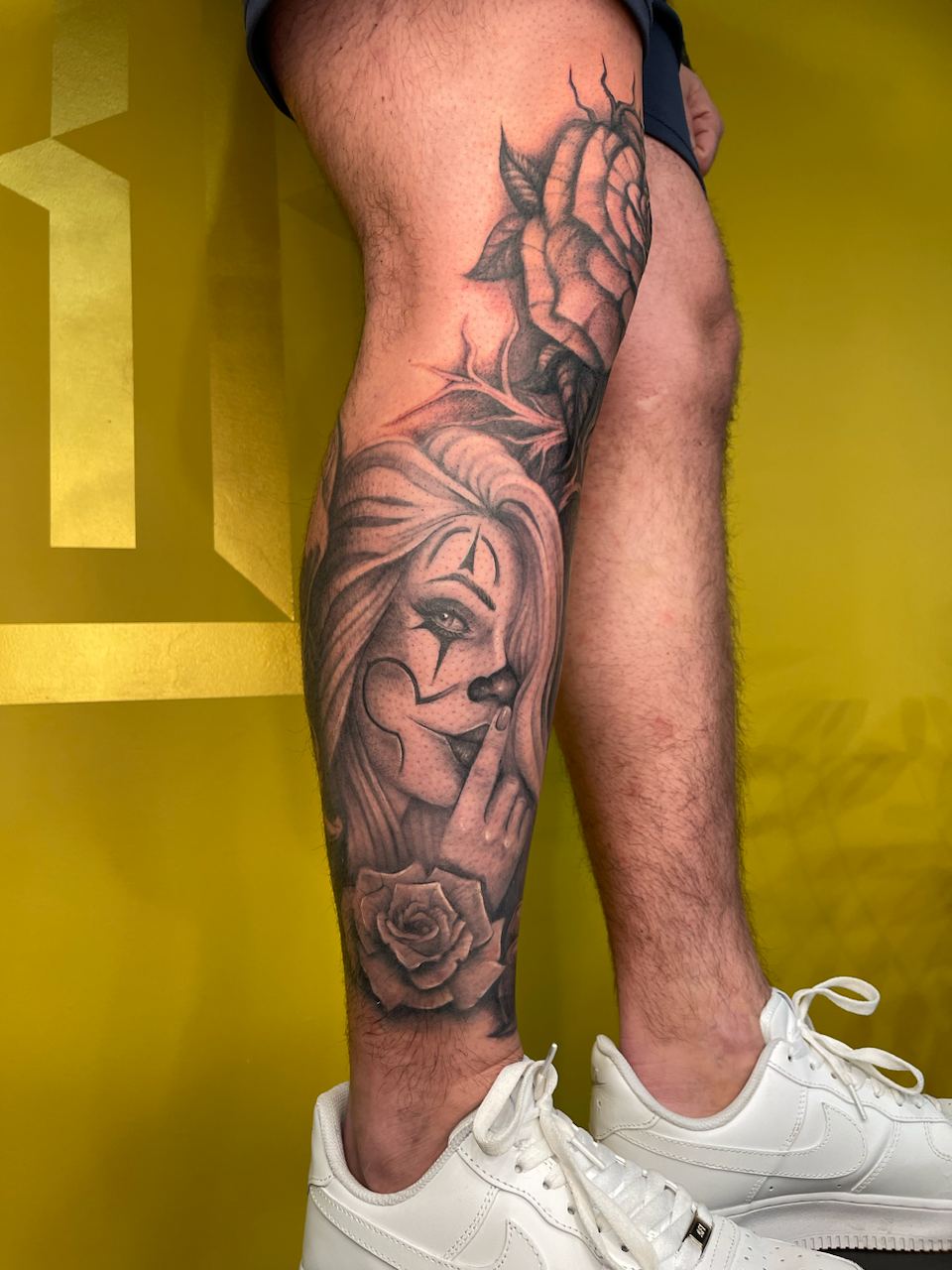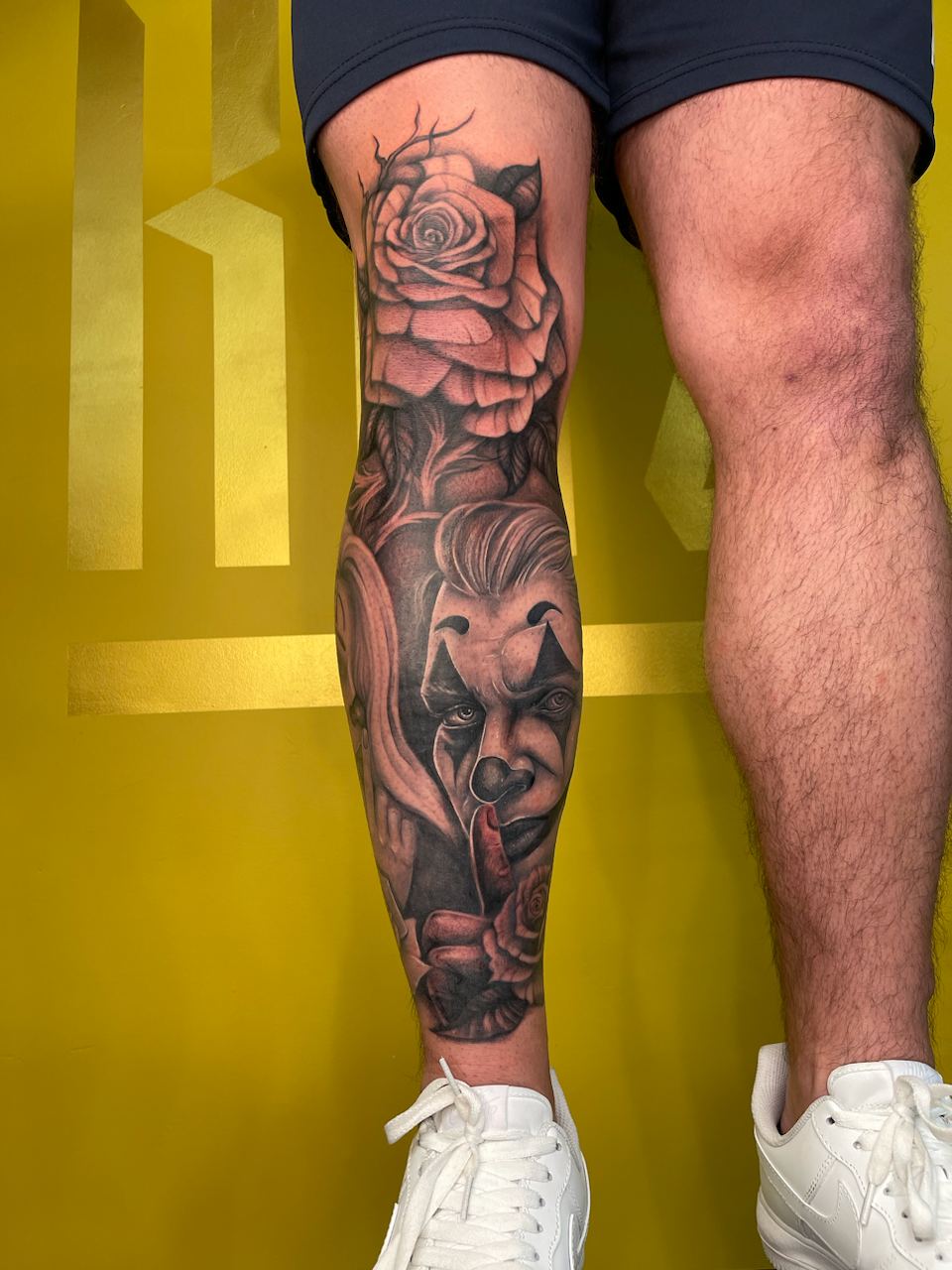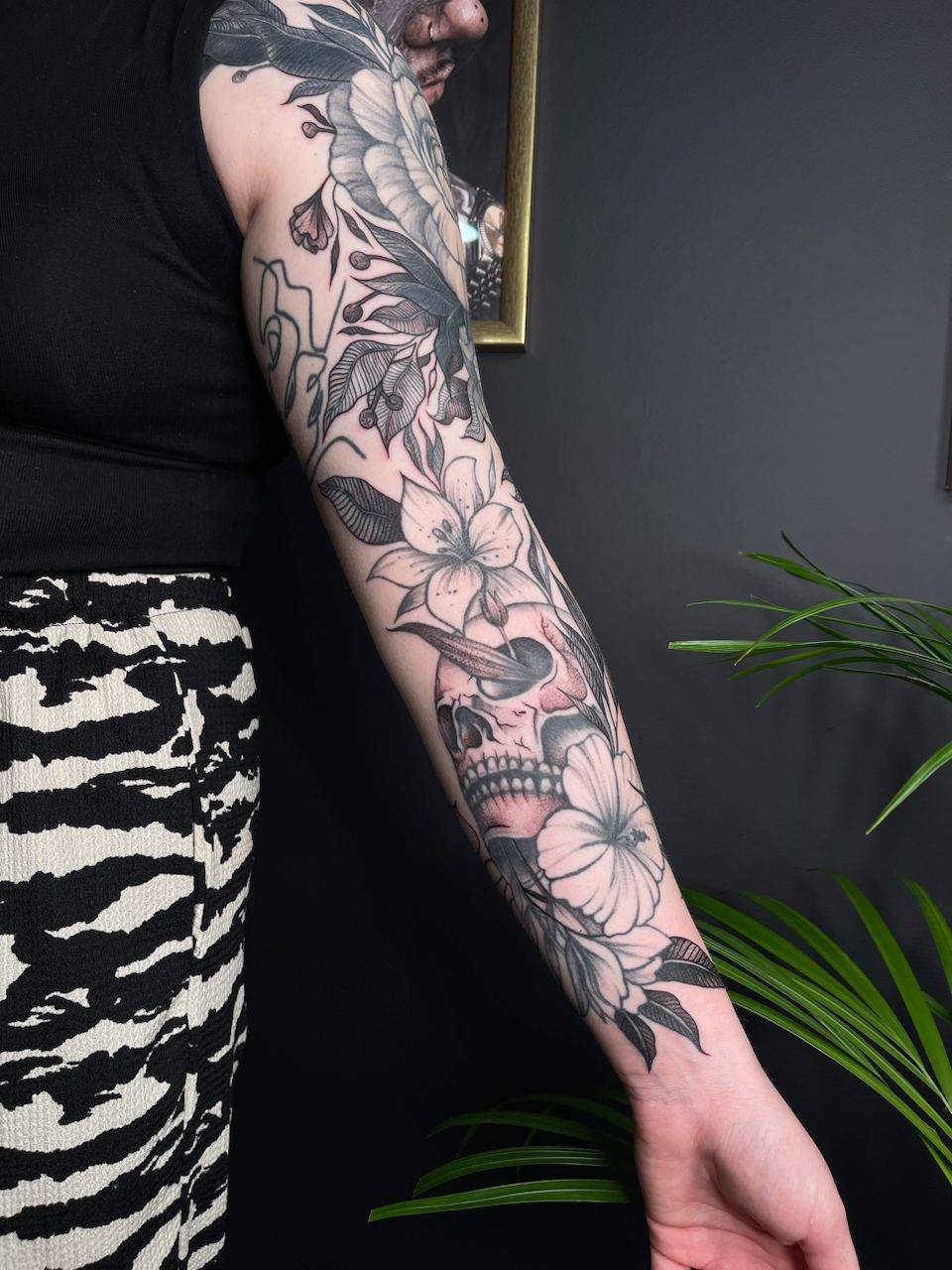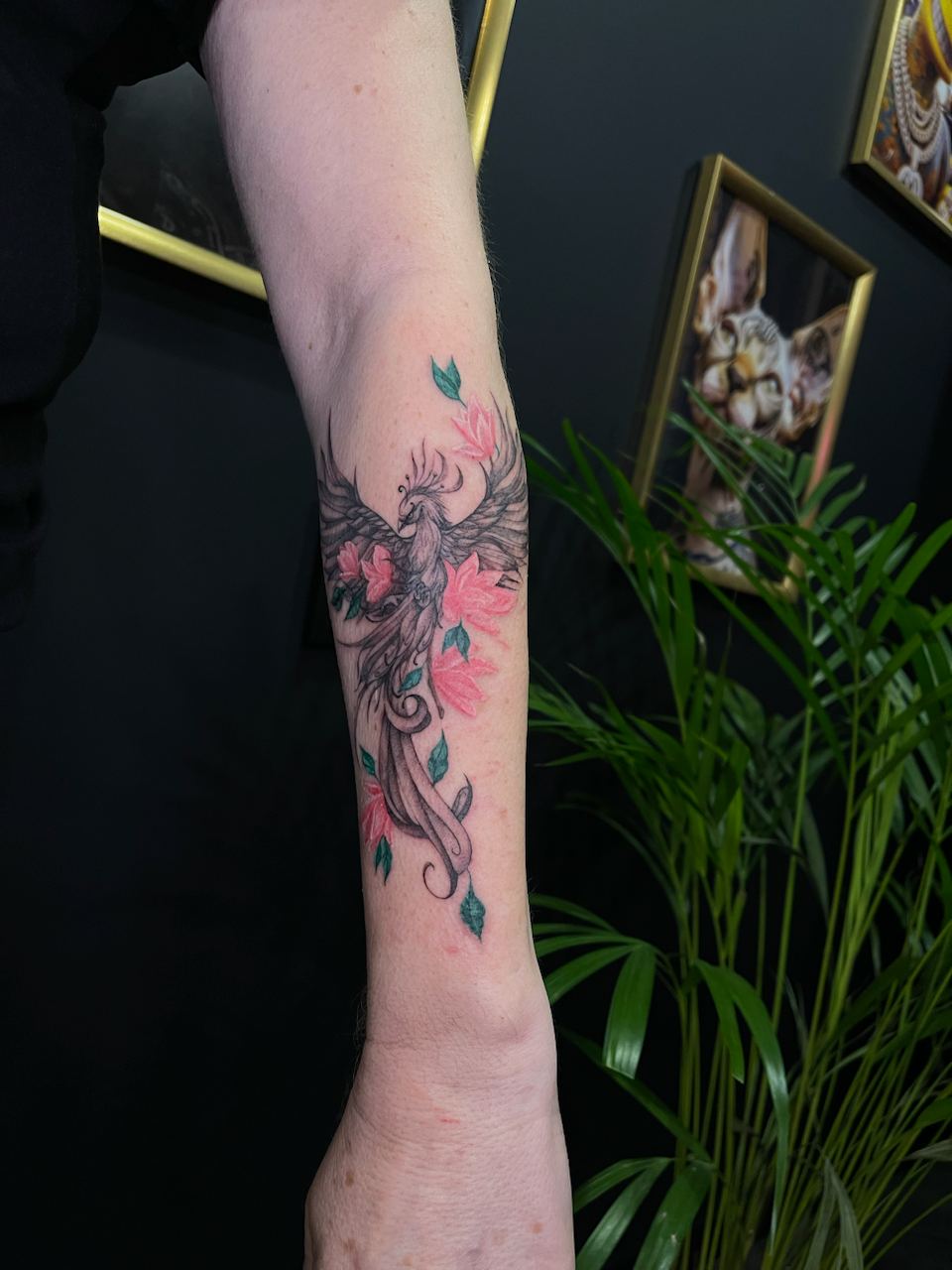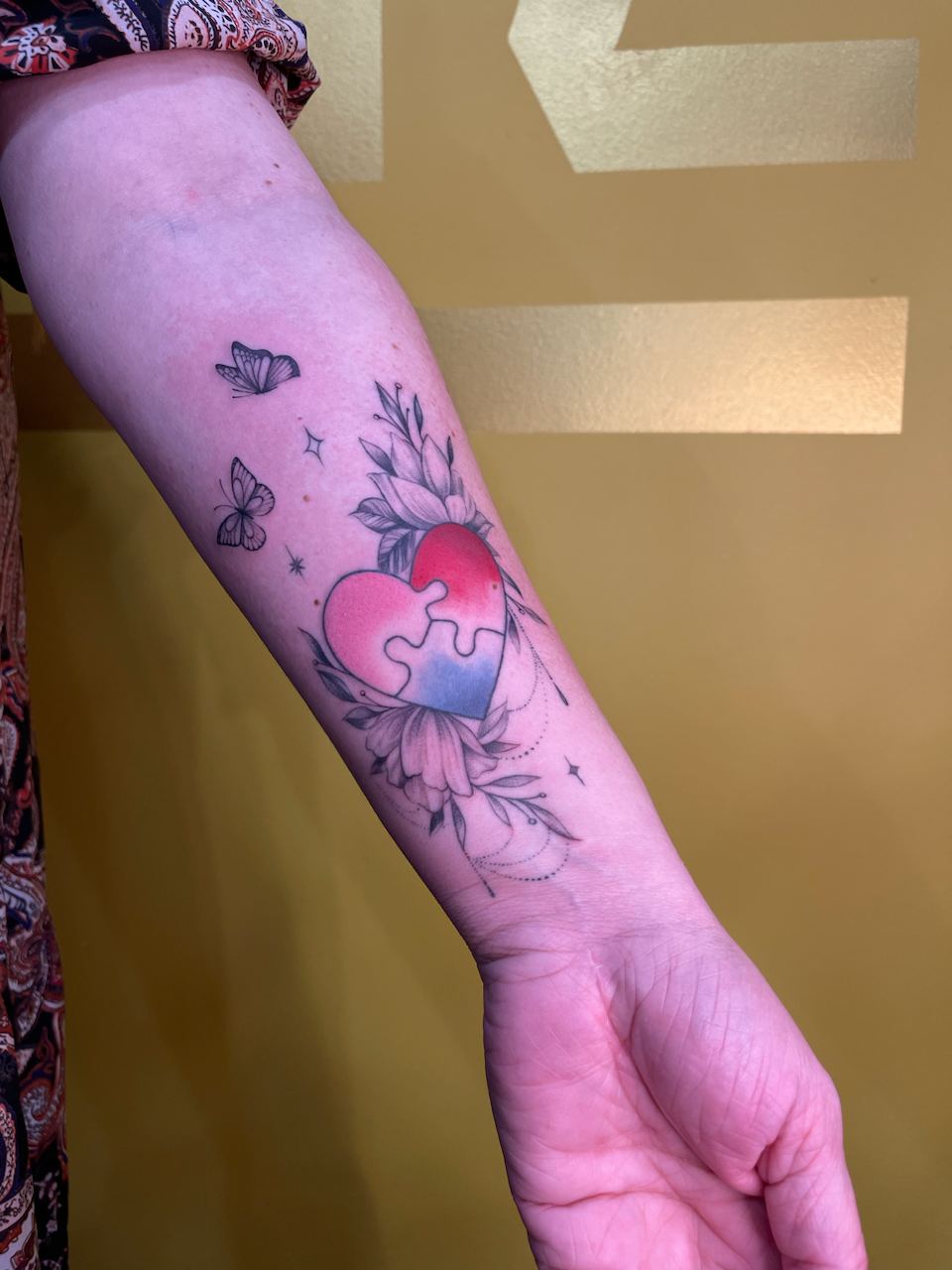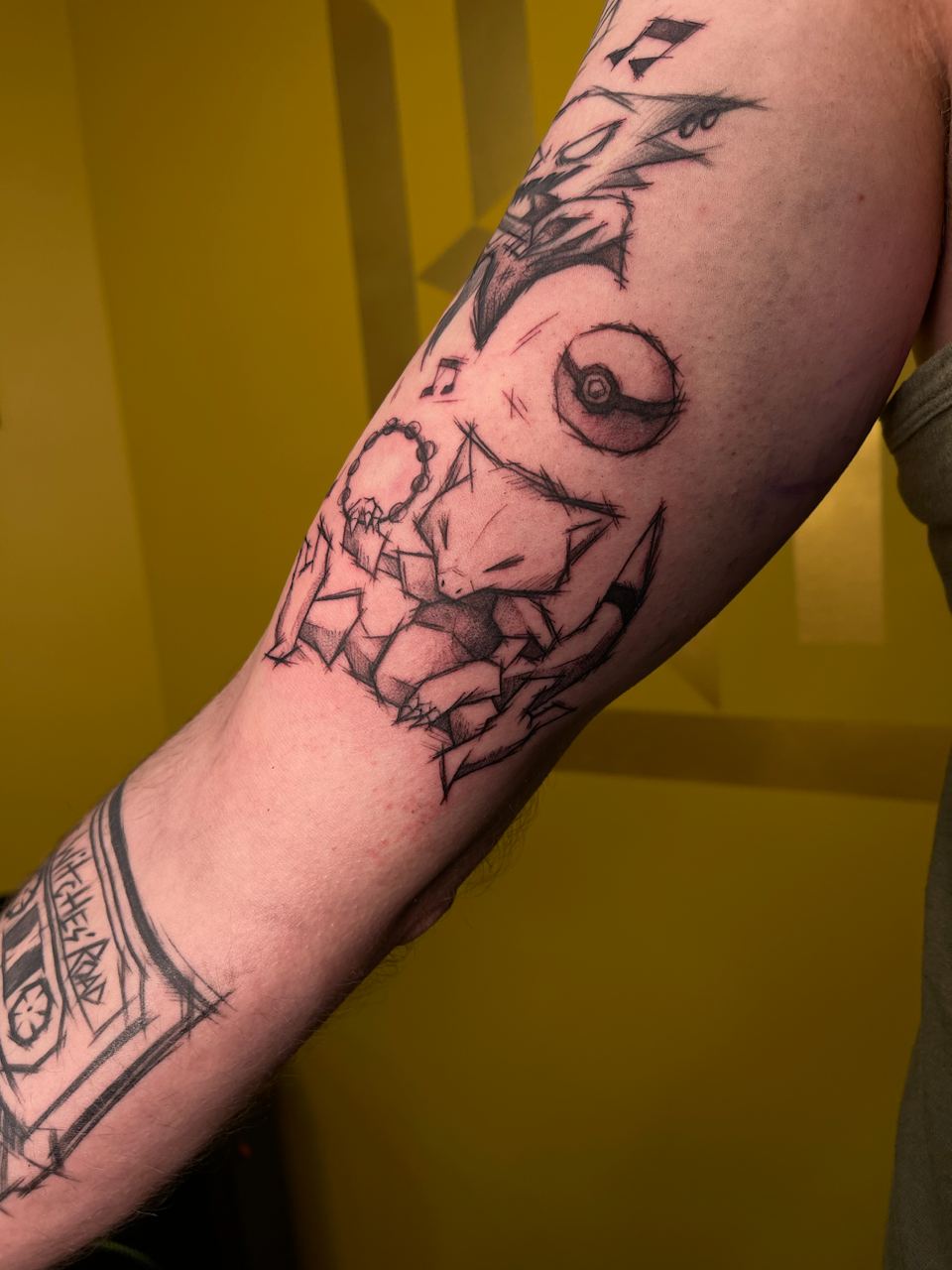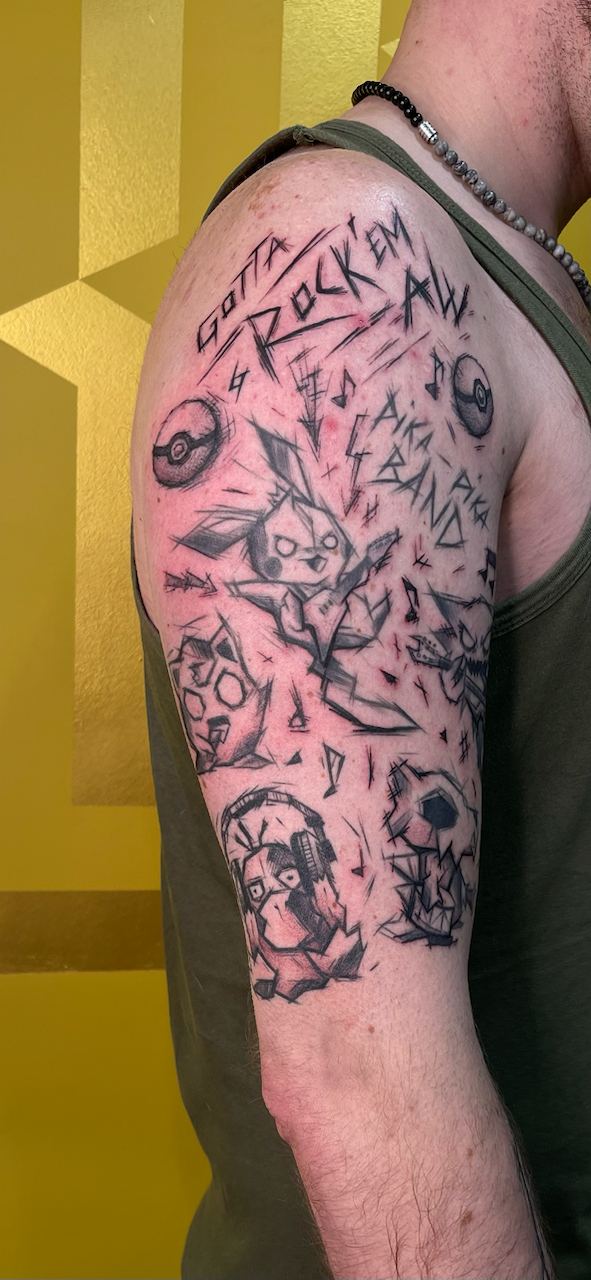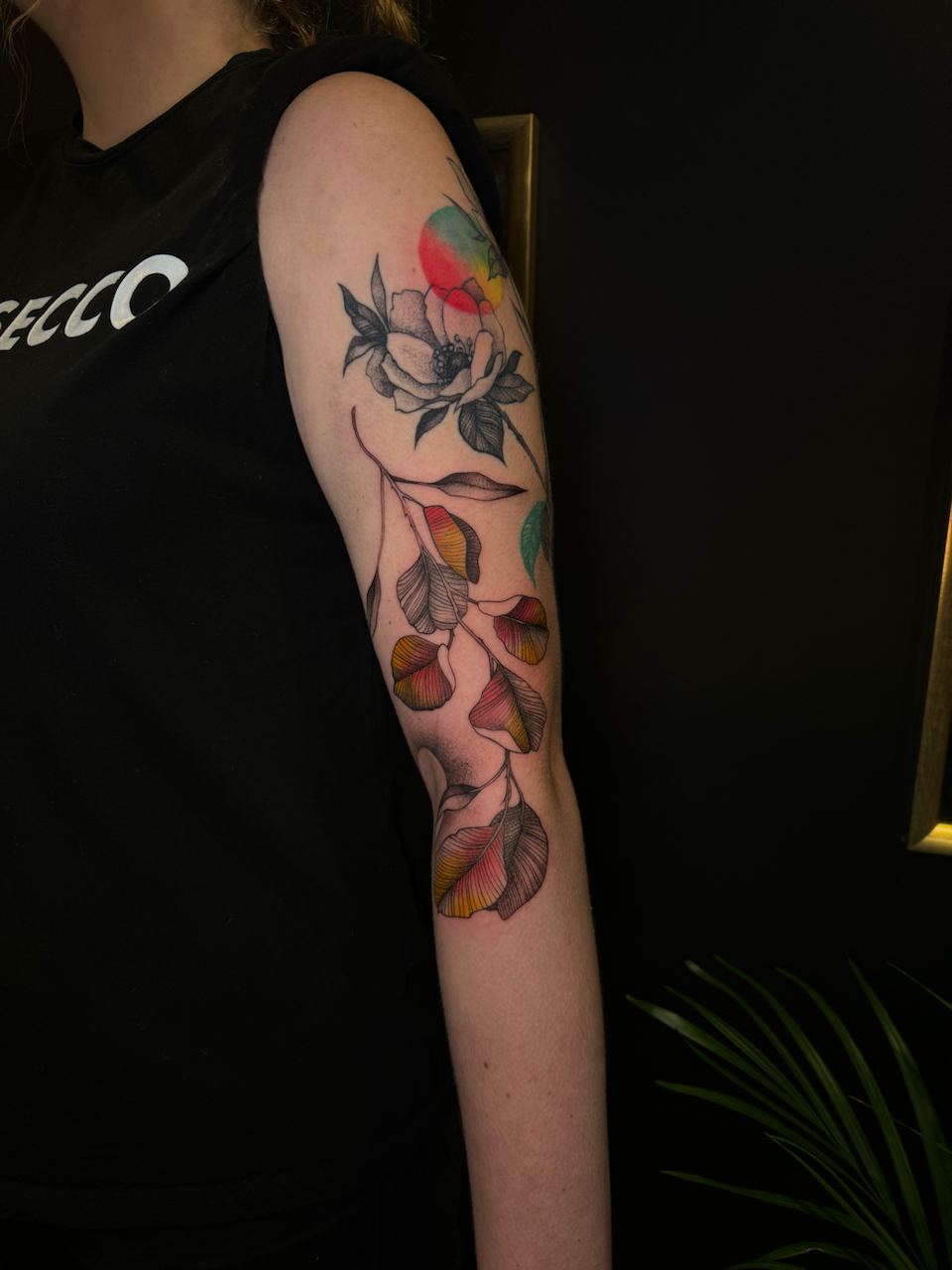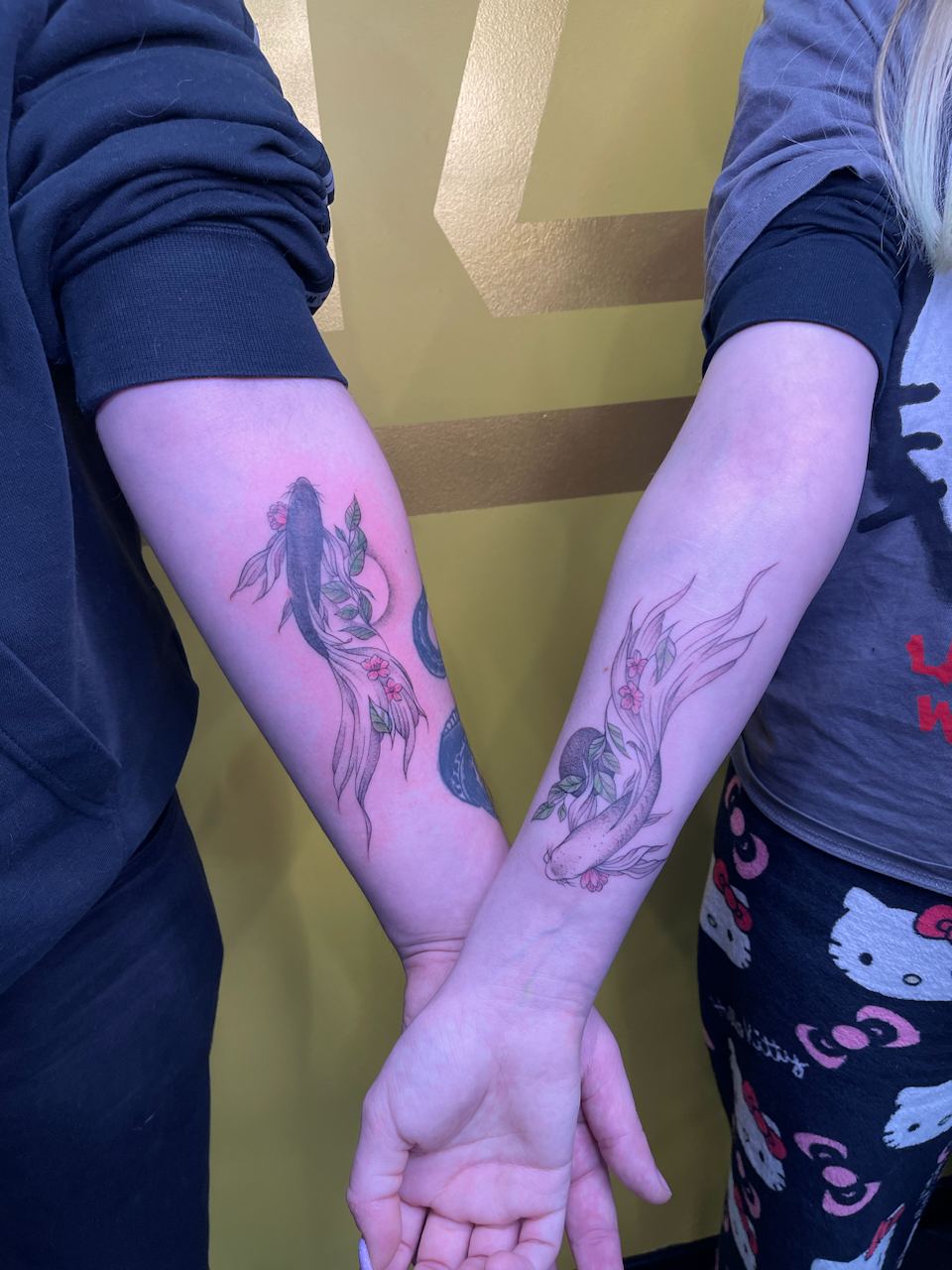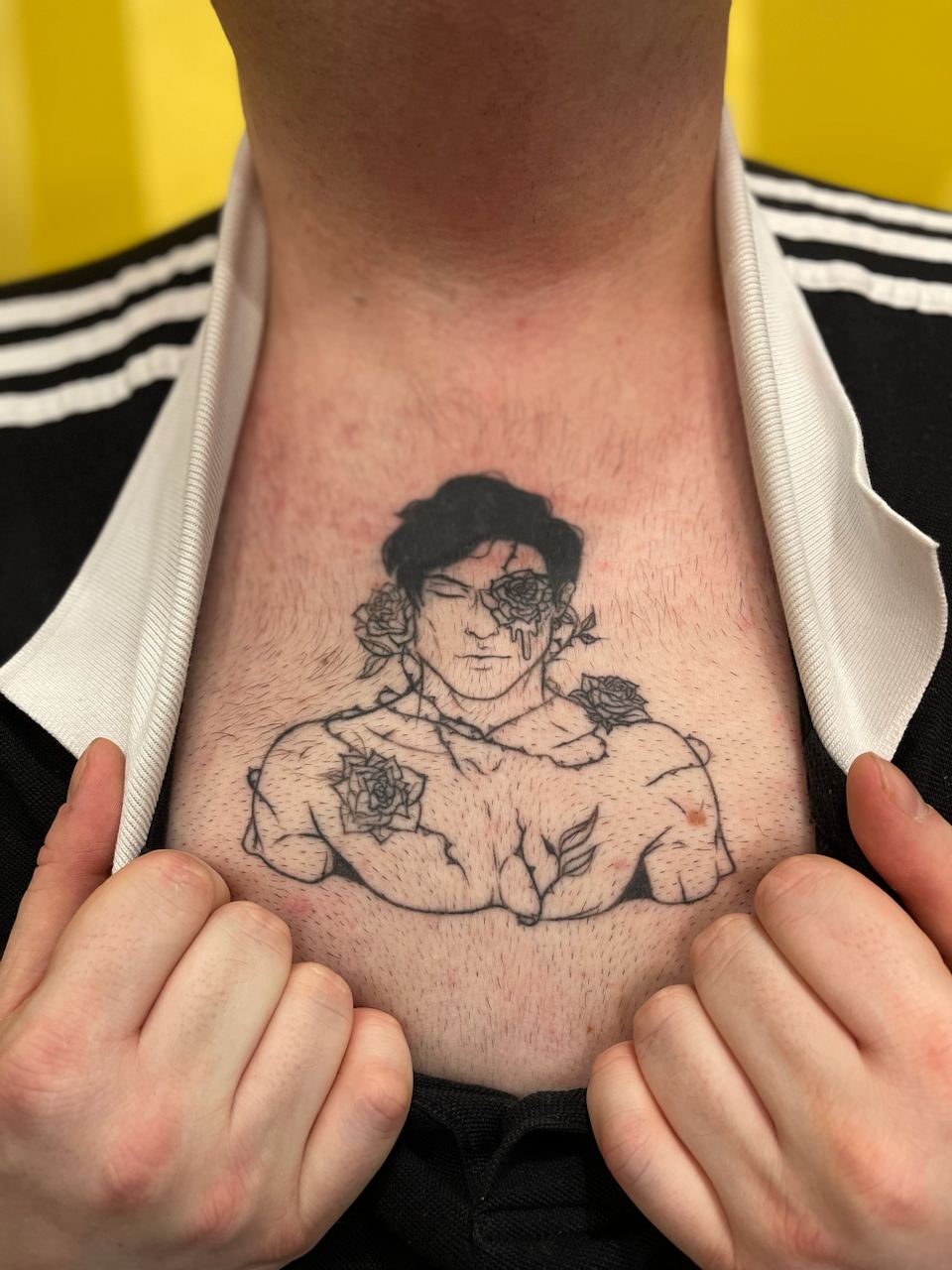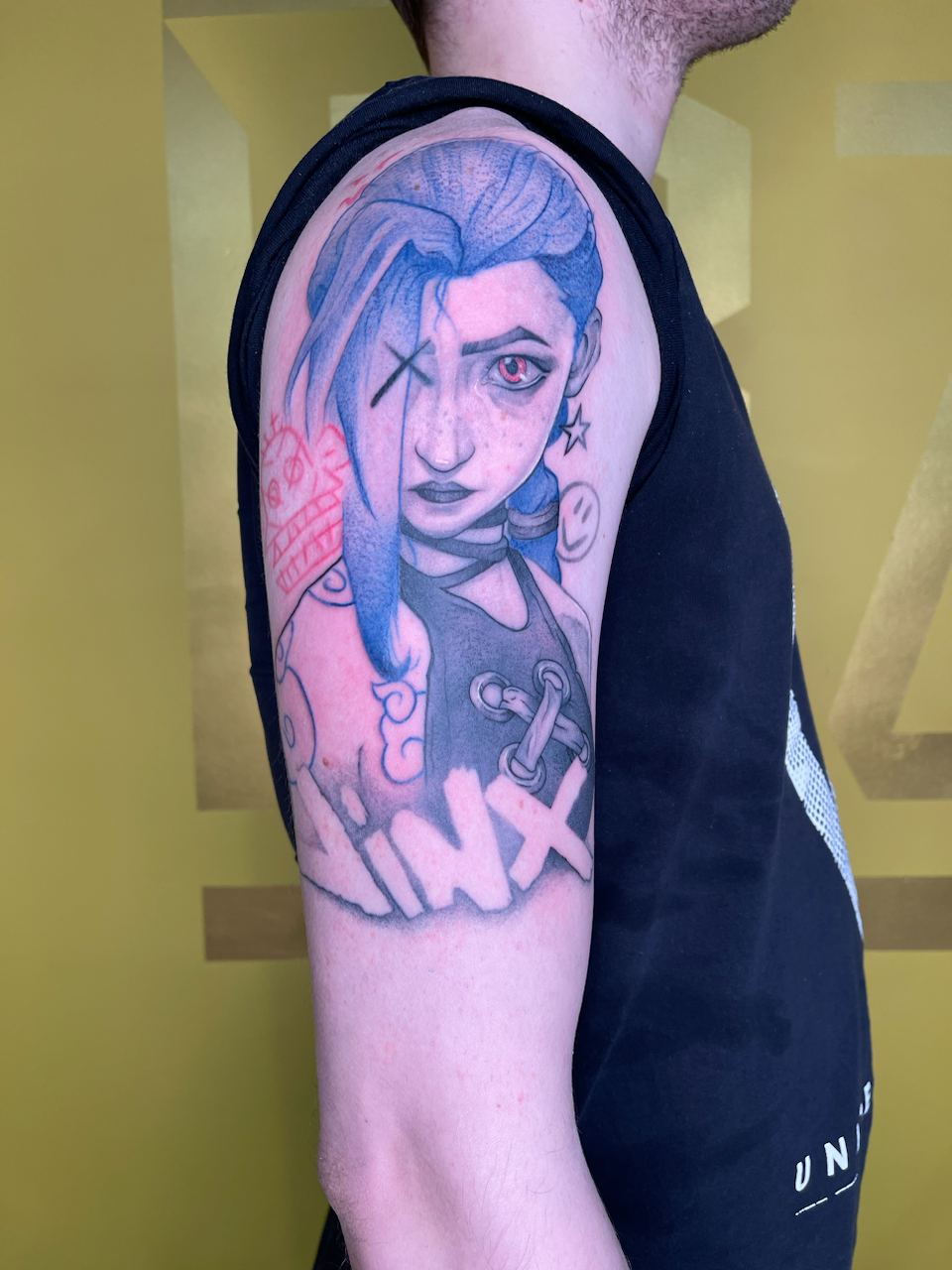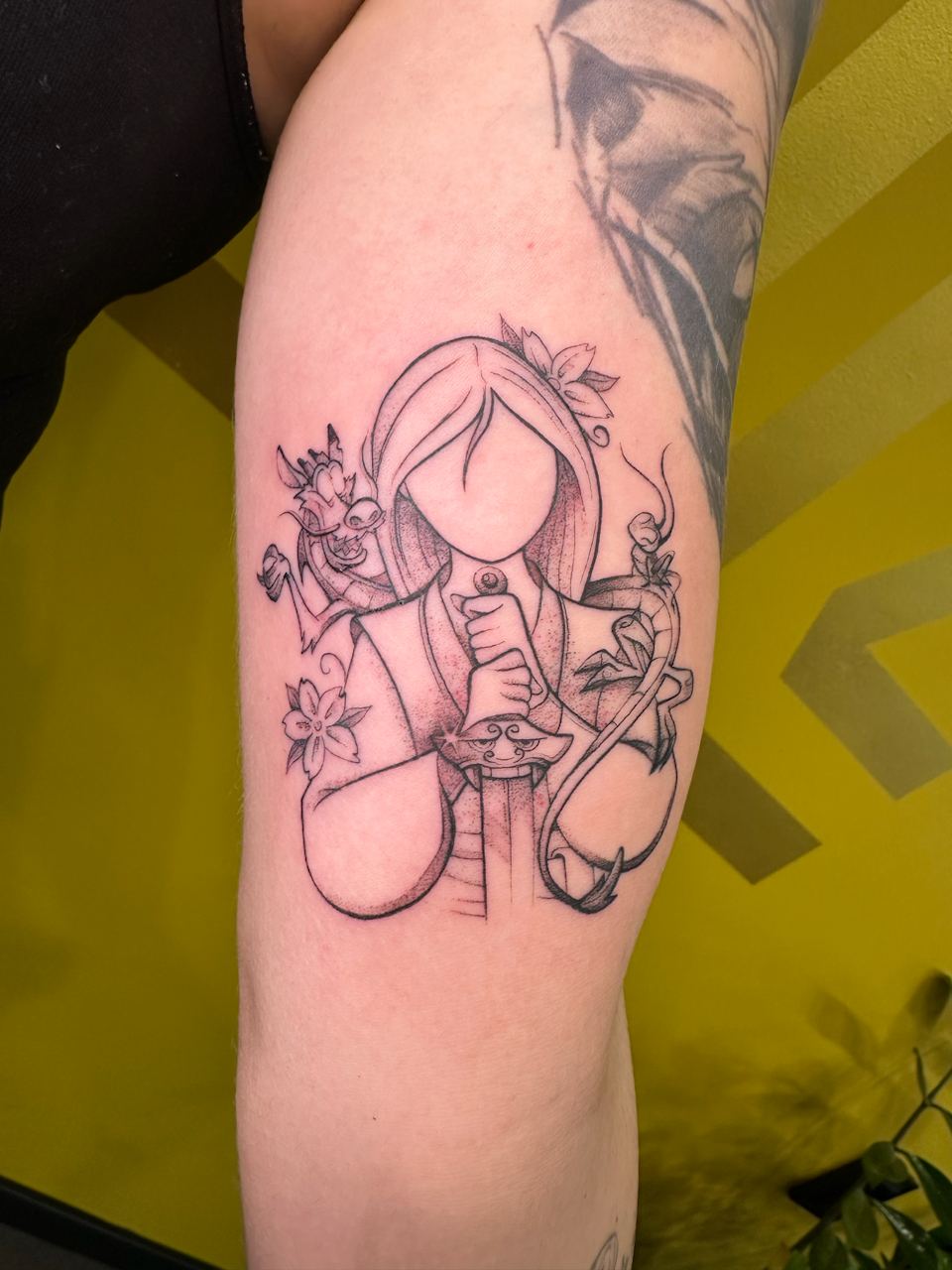
An old tattoo does not always have to be removed. If you no longer like the design, it has faded, was poorly done, or simply no longer matches your style, one possible solution is a tattoo cover-up in Katowice. This involves creating a new design so that the previous tattoo is partially or completely concealed beneath a new, carefully planned composition.
However, a good cover-up is not simply about placing a larger, darker design over the old one. The new design must take into account the shape of the existing tattoo, its colours, pigment saturation, line placement, and location on the body. That is why the first step should be a consultation with a tattoo artist, who will assess whether the tattoo can be covered without prior lightening and which solution will achieve the best-looking result.
Tattoo cover-up Katowice – what does covering an old design involve?
A tattoo cover-up in Katowice involves creating a new composition while taking into account the pigment already present in the skin. The tattoo artist is not working on a blank canvas. They must carefully plan the new lines, shading, contrasts, and details so that the previous design is no longer visible as a separate tattoo.
In practice, the new design is usually larger than the old one. The additional space allows the artist to create a cohesive composition and draw attention to the new elements. However, this does not mean that every cover-up has to be huge or very dark. It all depends on what is currently on the skin.
A delicate, faded inscription or small symbol offers far more possibilities than a large tattoo done in intense black ink. That is why it is worth showing your old tattoo to an artist before choosing a specific design.
When can an old tattoo be successfully covered?
There is no single rule that applies to covering every tattoo. Small, light, partially faded designs or tattoos created with fine lines are usually the easiest to work with. In such cases, the tattoo artist may have considerable freedom when creating the new composition.
More limitations arise with large areas of intense black ink, very bold outlines, extensive shading, and tattoos that have been retouched several times. A large amount of pigment in the skin may remain visible beneath the new design, so the project must be created with the old elements in mind.
This does not automatically mean that a cover-up is impossible. In more challenging cases, the artist can create a larger composition, incorporate dark areas into the new design, or lighten parts of the old tattoo with a laser beforehand.
What determines whether a cover-up can be done?
One of the most important factors is the level of pigment saturation. The darker the old tattoo, the more limited the choice of a new composition becomes. Black pigment in the skin cannot simply be covered with a lighter colour in the same way as paint on a sheet of paper.
The size of the previous design also matters. A small inscription, symbol, or simple outline usually offers more possibilities than a tattoo covering a large part of the arm, back, or leg.
Colour is another important factor. Black, red, green, or blue pigments may require different design solutions. The tattoo artist will also assess the placement of the design, the anatomy of that part of the body, and the amount of clear skin surrounding the old tattoo.
Does the new tattoo have to be larger than the old one?
In most cases, the new design is larger. However, this is not done simply to cover the old tattoo with a bigger patch of pigment. The extra space makes it possible to create a natural-looking composition in which the previous lines are carefully concealed or incorporated into the new work.
If the new design were exactly the same size as the previous one, the tattoo artist would have far fewer options for working with lines, light, and shadow. Extending the design allows its most important elements to be placed on clear skin, drawing attention away from the old tattoo.
Does a cover-up have to be very dark?
This is one of the most common myths. Darker elements are certainly useful for concealing intense pigment, but a professional cover-up does not have to mean covering the entire area in black ink.
The correct placement of contrast plays a key role. The tattoo artist can use stronger shading exactly where the old lines need to be hidden while keeping the remaining parts of the design much lighter. The lighter the old tattoo, the more possibilities there are for achieving a subtle result.
However, it is worth remaining flexible when choosing a design. With a cover-up, the artist must adapt the composition not only to the client’s expectations but also to the pigment already present in the skin.
Which tattoo styles work well for cover-ups?
The choice of style depends primarily on the old design. For more challenging cover-ups, compositions that allow for strong contrasts, shading, and plenty of detail tend to work well. These may include realistic, neo-traditional, or blackwork designs, as well as ornamental patterns, botanical motifs, and elaborate graphic compositions.
This does not mean that a delicate cover-up is impossible. If the previous tattoo is small and heavily faded, the range of suitable styles may be much broader. Instead of choosing a design solely from a photo found online, it is worth discussing several possible directions during a consultation.
Cover-up or reworking an old tattoo?
Not every tattoo you are unhappy with needs to be completely covered. Sometimes the owner still likes the original idea, but the problem lies in weak lines, faded colours, unfinished shading, or incorrect proportions.
In such cases, it may be possible to refresh and expand the existing design. The tattoo artist can improve some of the outlines, add new elements, give the composition more depth, or blend the original motif into a new one. This allows the old tattoo to become the foundation for a new piece rather than something that has to be completely concealed.
When is it worth lightening a tattoo with a laser before a cover-up?
If the old tattoo is very dark, heavily saturated with pigment, or covers a large area, a direct cover-up may significantly limit the artist’s options. In such cases, it is worth considering lightening selected parts beforehand.
The goal is not always to remove the tattoo completely. Sometimes it is enough to reduce the intensity of the old pigment so that the new composition does not have to be extremely heavy or dark. This gives the tattoo artist greater freedom when choosing the shape, style, and placement of shading.
If your tattoo is difficult to cover, you can also learn more about laser tattoo removal in Katowice. A consultation can help determine whether the entire design or only selected parts should be lightened before the cover-up.
Lightening a tattoo for a cover-up vs complete tattoo removal
These are two different goals. Complete removal aims to reduce the visibility of the pigment as much as possible. When preparing the skin for a cover-up, this is often unnecessary.
If the tattoo artist plans to place a dark element of the new composition over the old pigment, removing everything may not be needed. Sometimes the main problem is a specific outline, inscription, or heavily saturated area. Lightening that section alone may significantly increase the available design options.
That is why it is important to know your desired result from the beginning. If you plan to get a new tattoo, mention it during your laser consultation.
What happens during a cover-up consultation?
During the consultation, the tattoo artist should carefully examine the existing design. They will assess its size, saturation, colours, the condition of the skin, and the placement of its darkest elements.
It is helpful to prepare references showing the styles, motifs, and compositions you like. However, this does not mean that your chosen design can be transferred onto the old tattoo without any changes. References primarily help define the direction, while the final design should be tailored to your individual situation.
During the consultation, the artist can also determine whether the pigment needs to be lightened beforehand. If you would like to discuss your case, you can contact KRZ Studio in Katowice and show us your current tattoo.
How should you prepare for a cover-up?
Preparing for the session is similar to preparing for a new tattoo on clear skin. It is worth getting enough rest and making sure your body is properly hydrated and your skin is in good condition. You should not attend the session under the influence of alcohol or tattoo skin that is freshly tanned, irritated, or damaged.
If you have previously undergone laser lightening, allowing the skin to recover fully is particularly important. A new tattoo should not be planned immediately after a laser treatment. The area must heal and return to its normal condition before another procedure.
How should you care for your skin after a cover-up?
A cover-up is a fresh tattoo and requires proper aftercare. Follow your tattoo artist’s instructions, keep the area clean, and allow the skin to heal naturally.
During the healing process, do not scratch the area or peel off flaking skin. You should also avoid intense sun exposure, tanning beds, saunas, and swimming pools. Proper aftercare helps preserve the quality of the new lines, shading, and colours.
You can find more information on our tattoo aftercare page.
How much does a tattoo cover-up cost in Katowice?
The price of a cover-up depends primarily on the size and complexity of the new composition and the time required to complete it. The condition of the old tattoo also matters. The more difficult it is to conceal, the more design and technical work may be required to prepare the new piece.
A small cover-up will therefore be priced differently from a large composition covering a significant part of the arm, thigh, back, or chest. More elaborate projects may also require several sessions.
You can find estimated costs in the KRZ Studio price list. However, a more accurate cover-up quote can only be provided after seeing the existing tattoo and discussing the new design.
The most common mistakes when planning a cover-up
One of the most common mistakes is assuming that it is enough to find any image slightly larger than the old tattoo. A cover-up requires a design created specifically around what is already present in the skin.
Another mistake is insisting on a very light or minimalist design when the old tattoo is large and intensely black. In such cases, it may be worth changing the composition or lightening the pigment beforehand.
You should also avoid choosing a tattoo artist based solely on price. Covering a tattoo requires design skills, experience working with existing pigment, and a realistic assessment of what can be achieved.
Tattoo cover-up Katowice at KRZ Studio – a new design instead of the old one
An old tattoo does not mean that you have to live for years with a design that no longer suits you. A professionally planned tattoo cover-up in Katowice can completely transform the appearance of that part of the body and turn the old design into a new composition.
The most important step, however, is accurately assessing what is possible. In some cases, the old design can be covered directly. In others, expanding or reworking it may be a better solution. If the pigment is very intense, laser lightening may be worth considering first.
If you are wondering what can be done with your old tattoo, show it to the KRZ Studio team. A consultation will help define the direction of the new design and determine whether your skin is ready for a cover-up straight away.
Frequently asked questions
Can every tattoo be covered with a cover-up?
Many tattoos can be successfully covered or reworked, but the available options depend on the size, colour, amount of pigment, and location on the body. Very dark tattoos may need to be lightened beforehand.
Does a cover-up have to be larger than the old tattoo?
In most cases, yes. A larger surface gives the tattoo artist more freedom to create a natural-looking composition and conceal the previous lines.
Does a tattoo need to be removed with a laser before a cover-up?
Not always. Light, small, or faded designs can often be covered without laser treatment. Lightening is particularly useful for dark tattoos that are heavily saturated with pigment.
Can a tattoo simply be lightened before a cover-up?
Yes. In many cases, there is no need to remove the pigment completely. Sufficient lightening can give the tattoo artist much greater freedom when creating the new design.